
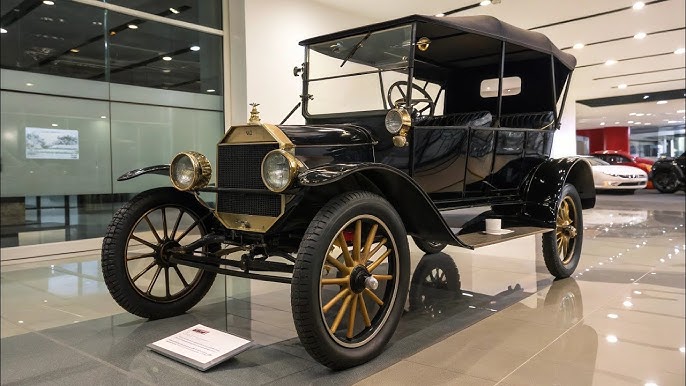
The 1927 Ford Model T, produced by Ford Motor Company, remains one of the most photographed and widely recognized automobiles in history. Although nearly a century has passed since it rolled off the assembly line, this iconic car continues to fascinate collectors, historians, photographers, and design lovers. Today, the demand for hi-res stock photography and detailed images of the Model T is higher than ever—driven by digital creators, educators, automotive enthusiasts, and those who simply want to admire the mechanical brilliance of an era long gone.
This article explores the significance of the 1927 Model T, why high-quality images of it are valuable, and how the legacy of this legendary vehicle lives on through modern photography.


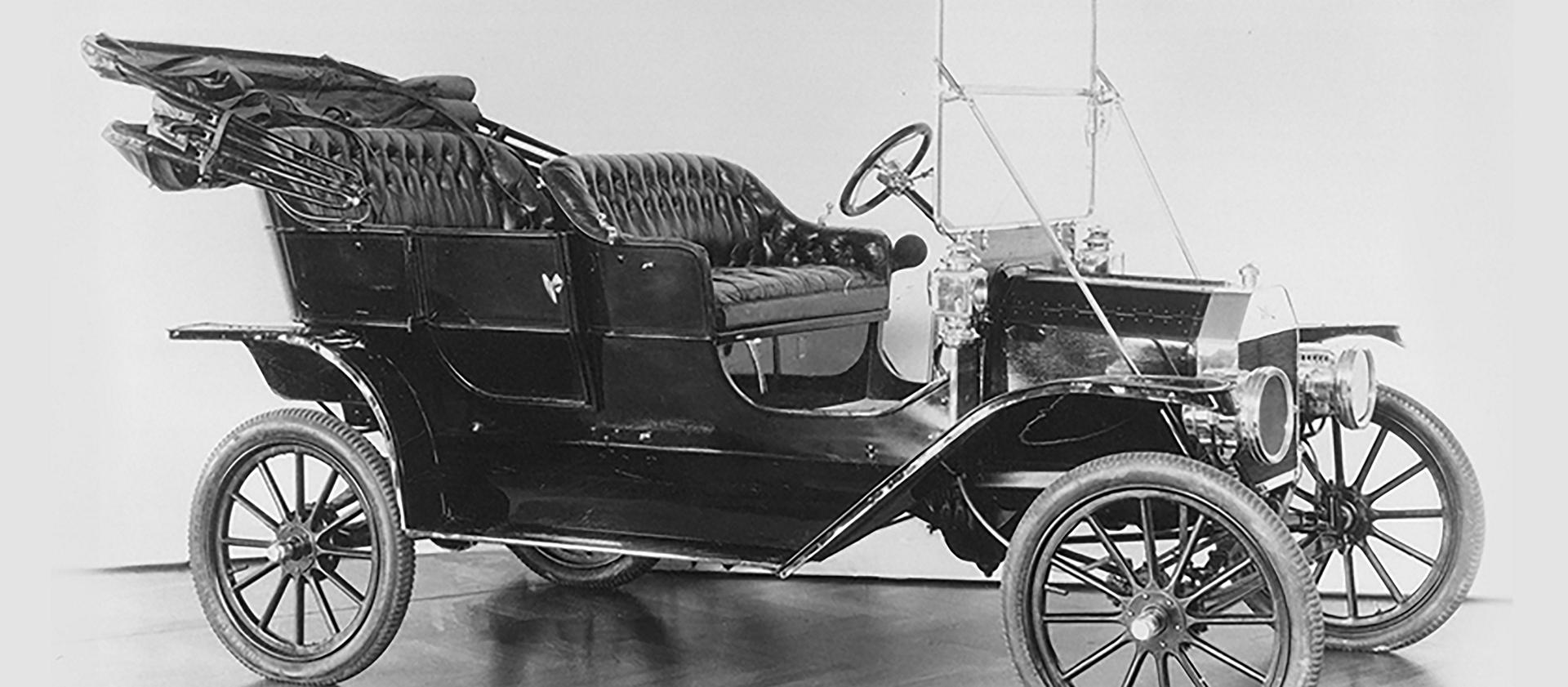
A Defining Moment: The 1927 Ford Model T
The year 1927 marked a historic turning point. After dominating the automobile market for nearly two decades, the Model T reached the end of its production cycle. It had changed the world by making personal transport affordable for everyday people, thanks to Henry Ford’s pioneering moving assembly line. The final 1927 model, polished and matured through years of improvement, embodies the peak evolution of this innovative vehicle.
Visually, the 1927 Model T is instantly recognizable:
-
A boxy, upright body that reflects early automotive styling
-
Thin wheels with wooden or steel spokes
-
A simple, practical design made for reliability rather than luxury
-
A compact engine that revolutionized mass transportation
Because this was the last production year, the 1927 version is especially prized in photography collections, museum archives, and stock-photo libraries.
Why Hi-Res Stock Photos of the Model T Matter
High-resolution photography does more than provide aesthetic pleasure—it preserves and documents a critical piece of industrial heritage. With modern digital tools, images capture the Model T in ways that were impossible in the 1920s.
1. Historical Research and Education
Teachers, students, and historians often rely on hi-res stock images to study early automotive technology. Detailed photographs reveal:
-
The structure of the chassis
-
Engine components
-
Steering mechanisms
-
Bodywork craftsmanship
These visuals help modern audiences understand how early mass-produced cars functioned and how far automotive engineering has advanced.
2. Creative and Commercial Use
The Model T’s timeless appeal makes it a popular subject in:
-
Magazine features
-
Documentaries
-
Museum exhibitions
-
Vintage-themed branding
-
Graphic design projects
High-resolution images provide crisp clarity that looks professional across print and digital formats.
3. Collector and Restorer Reference
Classic-car restorers depend on detailed photographs to ensure authenticity. Factory-correct paint colors, wheel designs, interior fabrics, and mechanical parts can be verified by comparing modern high-quality images with historical records.
Exploring the Visual Beauty of the 1927 Model T


Hi-res photography allows viewers to experience every inch of the car’s unique craftsmanship. Some of the most captivating angles include:
The Exterior Silhouette
The simple yet confident shape of the Model T illustrates the design language of early automobiles. Its tall stance and narrow frame show how cars were once engineered primarily for rough, uneven roads.
The Engine Compartment
The legendary 2.9-liter inline-four engine produced just 20 horsepower, yet it powered a transportation revolution. Close-up images highlight the minimalistic, utilitarian engineering that defined Ford’s design philosophy.
The Interior Cabin
From the metal dashboard to the straightforward controls, the interior reflects an era when cars were tools, not luxury machines. Hi-res photographs capture the grain of the materials and the simplicity of the dashboard layout.
Wheels and Suspension
Thin tires, leaf springs, and spoke wheels give modern viewers insight into the fundamentals of early automotive construction.
Different Body Styles of the 1927 Model T
Although the Model T is often imagined as a single-car silhouette, it actually came in multiple body styles. Hi-res stock photography today helps document these variations:
-
Roadster – Lightweight, open-top model for personal use
-
Touring Car – With space for families, one of the most popular versions
-
Pickup Truck – A practical work vehicle that laid the foundation for modern trucks
-
Coupe and Tudor Sedan – Closed-body designs for comfort and weather protection
Photographs of each style reveal the versatility and popularity of the Model T across different lifestyles.
How Modern Photography Revives Vintage Engineering
Advancements in digital cameras and editing techniques have made it easier than ever to capture the beauty of classic automobiles. Professional photographers often use:
-
Macro lenses to highlight engine detailing
-
Wide-angle lenses to showcase full-body shots
-
High dynamic range (HDR) imaging to enhance shadows and highlights
-
Studio lighting to eliminate reflections from glossy surfaces
These techniques help transform a century-old vehicle into a visually stunning subject. Even outdoor photos—with natural light, rustic backgrounds, or vintage scenery—give the car a timeless charm.
Read Also: The Race to 300 mph: Will Hennessey or Koenigsegg Break the Speed Record in 2025?
Where Hi-Res Stock Images of the 1927 Model T Are Popularly Used
High-resolution photography of the Model T finds widespread use across various industries:
Automotive Publications and Documentaries
Magazines, blogs, and TV features often rely on crisp images to tell the story of the early automotive era.
Museums and Exhibits
Curators use images for museum displays, educational placards, brochures, and digital archives.
Marketing, Branding, and Graphic Design
Vintage aesthetics remain popular for nostalgic advertising campaigns.
Social Media and Creative Platforms
High-resolution images of iconic classics attract enthusiasts on Instagram, Pinterest, and automotive forums.
Preserving a Timeless Icon Through Modern Imagery
Without high-quality photography, much of the mechanical art of early automobiles would fade into obscurity. Hi-res stock photos ensure that future generations can admire:
-
The craftsmanship
-
The engineering
-
The cultural significance
-
The design language
of the 1927 Ford Model T.
Images are especially valuable because many original cars have deteriorated, been restored, or been modified over the years. Photographs preserve authenticity better than memory or written descriptions ever could.
Conclusion
The 1927 Ford Model T is more than a vintage vehicle—it is a symbol of industrial progress and social transformation. Hi-res stock photography keeps this legacy alive by capturing its design, engineering, and historical relevance with stunning clarity. From educational use to creative projects, these images play an essential role in documenting one of the most influential cars ever built.
As technology evolves, the ability to photograph and preserve such automotive icons only grows stronger, ensuring that the Model T continues to inspire admiration nearly a century after its final production run.
Watch Also: https://www.youtube.com/@TravelsofTheWorld24









Leave a Reply