
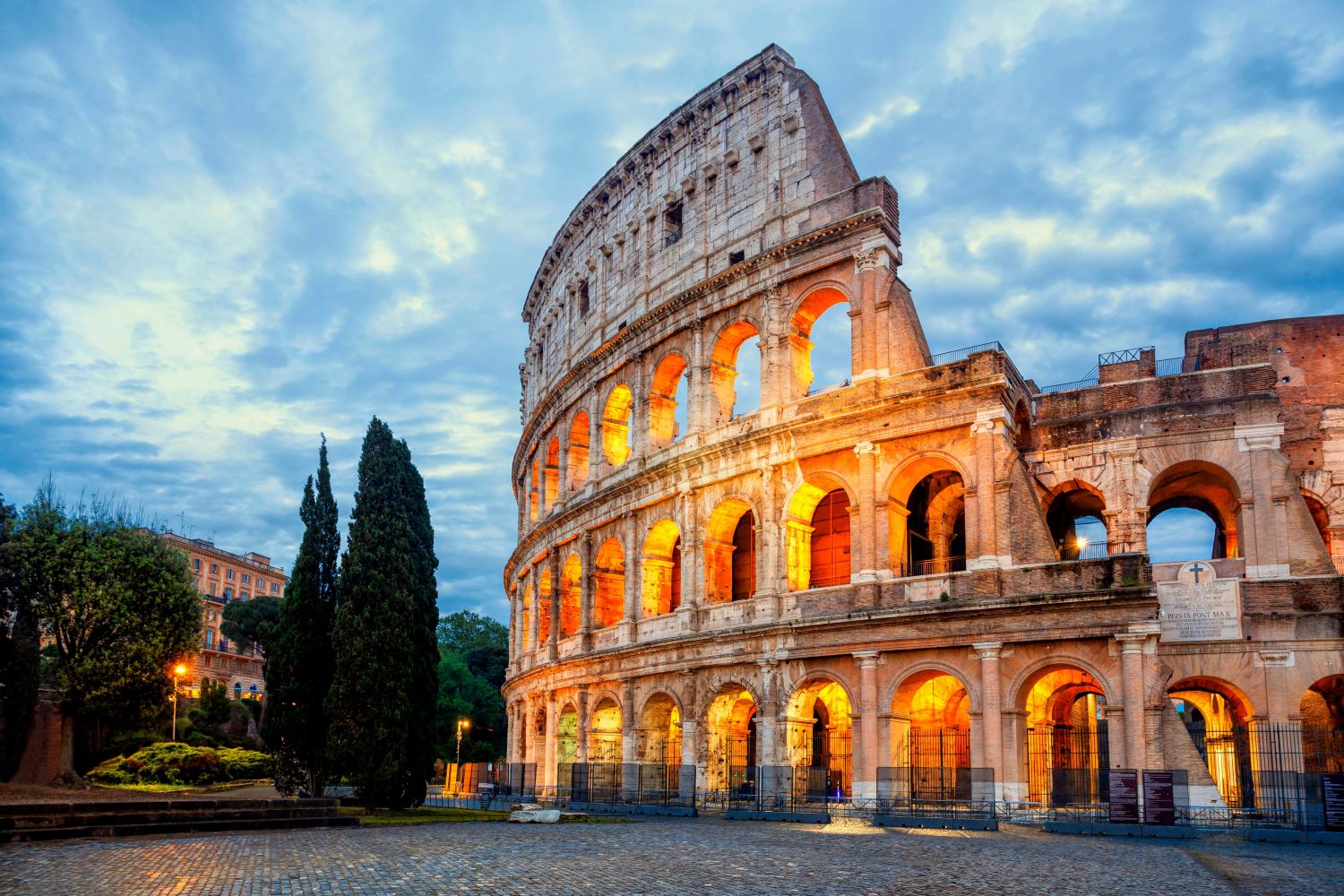
The Colosseum in Rome is one of the most iconic symbols of ancient Roman architecture and engineering. Known as the Flavian Amphitheatre, this monumental structure reflects the ingenuity, ambition, and social life of the Roman Empire. For nearly two millennia, it has captivated historians, architects, and travelers, standing as a testament to Rome’s grandeur, technological innovation, and cultural influence.
This article explores the architecture, history, engineering, and cultural significance of the Colosseum, highlighting why it remains a symbol of ancient Rome’s architectural brilliance.
Overview of the Colosseum
The Colosseum was commissioned around AD 70–72 by Emperor Vespasian of the Flavian dynasty and completed in AD 80 under his son Titus. Located in the heart of Rome, it served as a venue for public spectacles, gladiatorial contests, animal hunts, and theatrical performances.
Key facts:
-
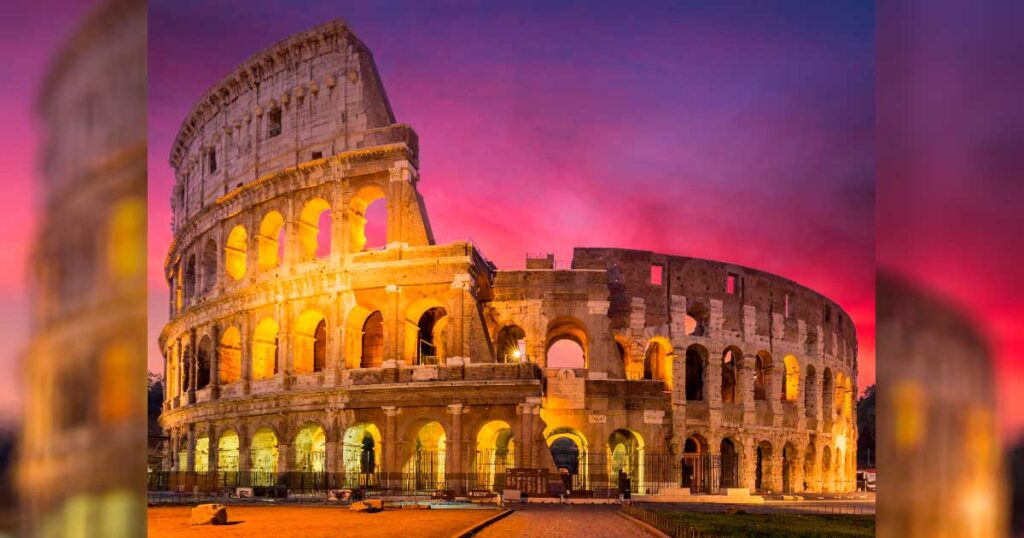
Capacity: Approximately 50,000–80,000 spectators
-
Shape: Elliptical, with a major axis of 189 meters and minor axis of 156 meters
-
Construction Materials: Concrete, travertine limestone, tuff, and brick-faced concrete
-
Design Features: Multi-tiered seating, arches, corridors, and subterranean chambers
Architectural Features
The Colosseum exemplifies Roman innovation in design and engineering:
1. Elliptical Shape
The elliptical form ensured that all spectators had clear sightlines. The long axis allowed for a larger arena, while the short axis minimized distance from the action.
2. Multi-Tiered Seating
Seating was organized by social hierarchy:
-
Podium: Reserved for senators and elites
-
Maenianum Primum: Upper-class citizens
-
Maenianum Secundum: Middle-class citizens
-
Maenianum Summum: General public and women
This arrangement reflected Roman social order, integrating architecture with societal norms.
3. Arches and Vaults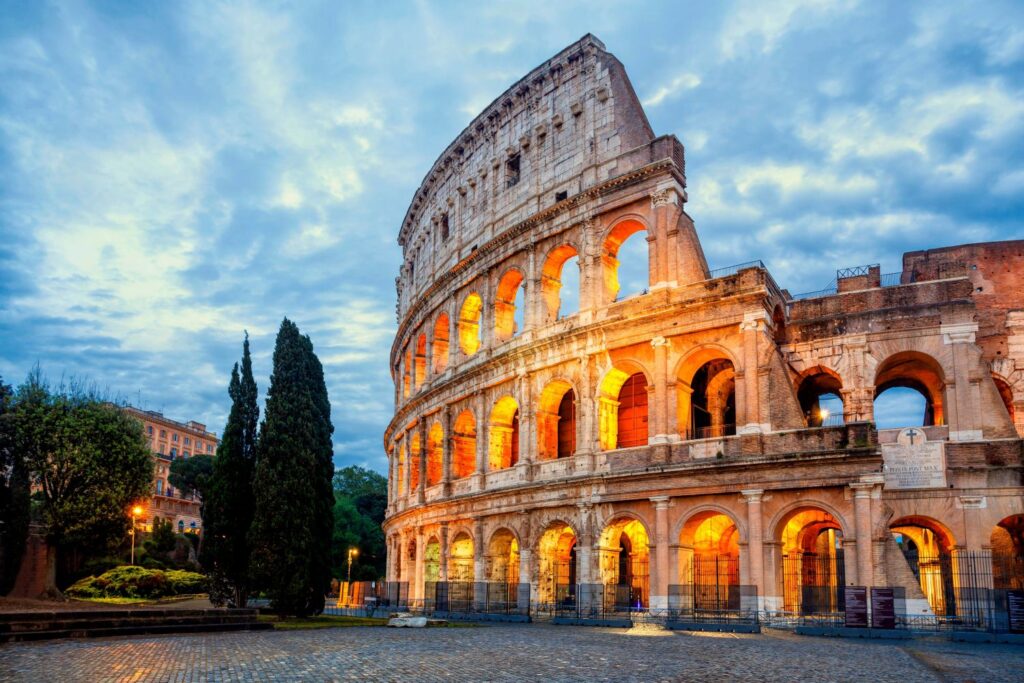
The Colosseum employs repeated arches and barrel vaults, which:
-
Provide structural support
-
Facilitate movement of large crowds
-
Create an aesthetically pleasing rhythm
The extensive use of arches and vaults made it possible to construct a building of this monumental scale.
4. Hypogeum (Subterranean Chambers)
Beneath the arena lies the hypogeum, a network of tunnels, cages, and lifts used to:
-
House gladiators and animals before contests
-
Transport scenery and props during shows
-
Enable dramatic entrances onto the arena floor
Engineering marvel: These mechanisms allowed for complex stage-like effects, enhancing the spectacle.
5. Velarium (Retractable Awning)
The Colosseum featured a massive retractable canvas awning, supported by ropes and masts:
-
Provided shade for spectators
-
Demonstrated advanced Roman knowledge of rigging and materials
-
Integrated functionality with the building’s architectural form
Construction Techniques
The Colosseum showcases Roman mastery of materials and construction methods:
-
Concrete: Allowed flexible shaping of walls, arches, and vaults
-
Travertine: Durable limestone used for external walls and piers
-
Tuff: Lightweight volcanic stone for inner structures
-
Iron Clamps: Secured blocks without mortar
Workers employed scaffolding, pulleys, and cranes to assemble massive stones, reflecting sophisticated project management and engineering skills.
Cultural and Historical Significance
1. Entertainment and Social Life
The Colosseum was the center of Roman entertainment, hosting:
-
Gladiatorial combats
-
Public executions
-
Animal hunts and mock naval battles (naumachiae)
-
Theatrical performances
It demonstrated the power of the emperor and served as a tool for social cohesion, providing shared experiences for citizens.
2. Political Symbolism
Emperors used the Colosseum to display authority and wealth:
-
Free admission reinforced loyalty
-
Lavish games demonstrated Rome’s dominance over nature and human life
-
Monumental architecture reflected imperial grandeur
3. Engineering Legacy
The Colosseum influenced future architectural developments:
-
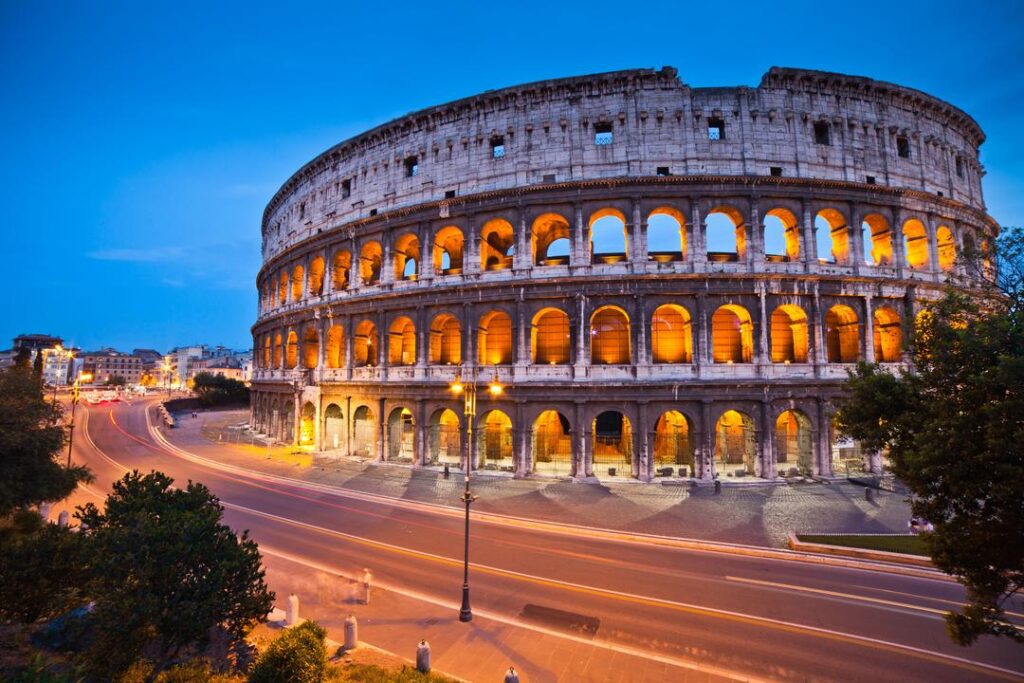
Use of arches and concrete inspired Romanesque and Renaissance architecture
-
Stadium and arena design concepts evolved from its tiered seating and crowd management systems
-
Modern stadiums adopt principles pioneered by the Colosseum, including sightlines, exits, and structural efficiency
Iconic Features Today
Despite centuries of earthquakes, stone robbing, and weathering, the Colosseum retains its grandeur:
-
Partially ruined outer walls show the scale and technique of Roman construction
-
Hypogeum tours reveal the complexity of subterranean engineering
-
Restoration projects aim to preserve the structure for future generations
-
Cultural significance: It is a UNESCO World Heritage Site and a symbol of Rome’s enduring legacy
Visiting the Colosseum
Read Also: The Race to 300 mph: Will Hennessey or Koenigsegg Break the Speed Record in 2025?
Tips for Travelers
-
Buy Tickets in Advance: Avoid long lines by purchasing online or guided tour tickets.
-
Explore the Hypogeum: Understand the behind-the-scenes engineering that powered the spectacles.
-
Visit Early Morning or Late Afternoon: Ideal lighting for photography and cooler temperatures.
-
Combine with Roman Forum and Palatine Hill: Gain full context of ancient Roman life.
-
Hire a Guide or Audio Tour: Learn historical anecdotes, architectural details, and stories of gladiators.
Lessons from the Colosseum
-
Integration of Form and Function: The elliptical design maximizes visibility while ensuring structural stability.
-
Innovative Use of Materials: Roman concrete, stone, and iron techniques enabled monumental scale.
-
Crowd Management and Planning: Ancient architects solved complex logistical challenges.
-
Enduring Legacy: Well-designed structures can influence architecture for millennia.
-
Cultural Reflection: Architecture reflects societal values, hierarchy, and political power.
Modern Influence
The Colosseum’s design principles resonate in contemporary architecture:
-
Modern stadiums adopt tiered seating, arches, and elliptical layouts.
-
The concept of spectacle and crowd engagement is still relevant in entertainment architecture.
-
Structural and material innovations continue to inspire engineers and architects.
Its enduring presence illustrates how ancient innovation informs modern design, connecting past and present.
Conclusion
The Colosseum in Rome is more than just an ancient monument; it is a masterpiece of architecture, engineering, and cultural expression. From its massive arches and vaulted corridors to the subterranean hypogeum and retractable awning, the Colosseum demonstrates the Romans’ ability to blend function, aesthetics, and spectacle.
As a symbol of Rome’s power, ingenuity, and social life, it continues to captivate visitors worldwide. For architects, historians, and travelers, the Colosseum is a living classroom, offering timeless lessons in design, engineering, and cultural significance.
Exploring the Colosseum provides a window into the architectural brilliance of ancient Rome and serves as a reminder that great architecture is not just about buildings—it is about shaping experiences, reflecting society, and inspiring generations.
Watch Also: https://www.youtube.com/@TravelsofTheWorld24









Leave a Reply