
Architecture is an art and a science, blending creativity with technical expertise to shape the built environment. Throughout history, certain architects have stood out for their visionary designs, innovative techniques, and enduring influence. These famous architects have not only shaped skylines but also inspired generations of designers and architects worldwide.
This guide explores celebrated architectural designers, their signature styles, iconic works, and contributions to the evolution of architecture.
Why Study Famous Architects?
Understanding the work of renowned architects provides:
-
Inspiration: Learn from their creativity and problem-solving approaches.
-
Historical Context: Understand how architecture reflects cultural, technological, and societal changes.
-
Design Principles: Gain insight into proportion, form, function, and materials.
-
Innovation Lessons: See how experimentation and bold ideas influence architectural evolution.
Famous architects often combine artistic vision with practical solutions, leaving behind a legacy that transcends time.
Iconic Architects and Their Contributions
1. Frank Lloyd Wright (1867–1959)
An American architect, Wright is celebrated for his organic architecture, integrating buildings with their natural surroundings.
-
Signature Works: Fallingwater, Guggenheim Museum (New York)
-
Style: Emphasis on horizontality, open floor plans, integration with nature, and use of natural materials.
-
Impact: Wright inspired modern residential design and promoted the idea that buildings should harmonize with their environment.
Readers’ Tip: Visiting Fallingwater allows you to experience how architecture and nature coexist seamlessly.
2. Zaha Hadid (1950–2016)
Known as the “Queen of Curves,” Zaha Hadid redefined contemporary architecture with fluid, futuristic forms.
-
Signature Works: MAXXI Museum (Rome), Heydar Aliyev Center (Baku)
-
Style: Bold curves, dynamic shapes, parametric design, and use of innovative materials.
-
Impact: Pushed the boundaries of structural engineering and digital design.
Readers’ Tip: Explore her buildings for the interplay of form, movement, and space that challenges conventional architecture.
3. Le Corbusier (1887–1965)
A pioneer of modern architecture, Le Corbusier emphasized functionality, urban planning, and minimalism.
-
Signature Works: Villa Savoye (France), Notre Dame du Haut (Ronchamp)
-
Style: Pilotis (supporting columns), flat roofs, open floor plans, horizontal windows.
-
Impact: Influenced modernist architecture and urban planning globally.
Readers’ Tip: Analyze his residential designs to understand the balance between simplicity, functionality, and aesthetics.
4. Frank Gehry (1929–Present)
Frank Gehry is renowned for his deconstructivist style, creating buildings that resemble sculptural art.
-
Signature Works: Guggenheim Museum (Bilbao), Walt Disney Concert Hall (Los Angeles)
-
Style: Fluid, fragmented forms with unusual materials like titanium and stainless steel.
-
Impact: Gehry’s architecture challenges traditional geometry, turning buildings into iconic landmarks.
Readers’ Tip: Visit the Guggenheim Museum Bilbao to see how architecture revitalized an entire city.
5. I.M. Pei (1917–2019)
A Chinese-American architect, Pei is known for modernist designs with geometric clarity.
-
Signature Works: Louvre Pyramid (Paris), Bank of China Tower (Hong Kong)
-
Style: Clean lines, glass and steel structures, harmonious proportion, and integration of light.
-
Impact: Bridged traditional and modern design, creating culturally sensitive yet contemporary architecture.
Readers’ Tip: Observe the Louvre Pyramid for its perfect blend of modern design within a historic context.
6. Renzo Piano (1937–Present)
Italian architect Renzo Piano focuses on light, transparency, and technological innovation.
-
Signature Works: The Shard (London), Centre Pompidou (Paris, with Richard Rogers)
-
Style: Emphasis on environmental integration, natural lighting, and functional elegance.
-
Impact: Advanced sustainable architecture and redefined urban spaces.
Readers’ Tip: The Shard’s observation decks offer a panoramic view of London’s skyline, highlighting how architecture shapes the cityscape.
7. Ludwig Mies van der Rohe (1886–1969)
A master of minimalism, Mies promoted “less is more” in modern architecture.
-
Signature Works: Barcelona Pavilion, Seagram Building (New York)
-
Style: Open spaces, minimal ornamentation, glass and steel, functional elegance.
-
Impact: Influenced corporate architecture and high-rise design.
Readers’ Tip: Study the Seagram Building to understand structural clarity and simplicity in modern skyscrapers.
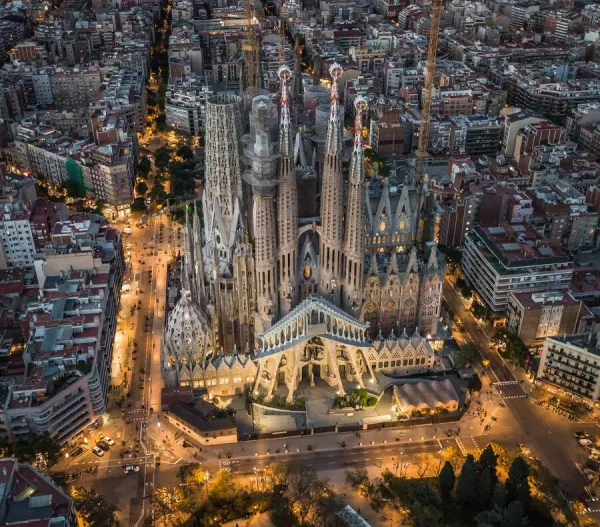
8. Antoni Gaudí (1852–1926)
A Catalan architect, Gaudí’s work is synonymous with organic and fantastical forms, blending architecture with art.
-
Signature Works: Sagrada Familia, Casa Batlló (Barcelona)
-
Style: Curved lines, mosaic facades, nature-inspired motifs, and vibrant colors.
-
Impact: Gaudí’s work is a masterclass in imagination, craftsmanship, and cultural identity.
Readers’ Tip: Visiting Sagrada Familia offers insight into how architecture can transcend structural norms to become art.
9. Norman Foster (1935–Present)
Foster is a British architect known for high-tech architecture and futuristic urban designs.
-
Signature Works: 30 St Mary Axe (“The Gherkin”), Hong Kong International Airport
-
Style: Sleek, modern, environmentally conscious, emphasizing transparency and structural expression.
-
Impact: Foster redefined skyscrapers and airport design, combining innovation with sustainability.
Readers’ Tip: Explore “The Gherkin” to appreciate how modern architecture can blend functionality, sustainability, and visual appeal.
10. Tadao Ando (1941–Present)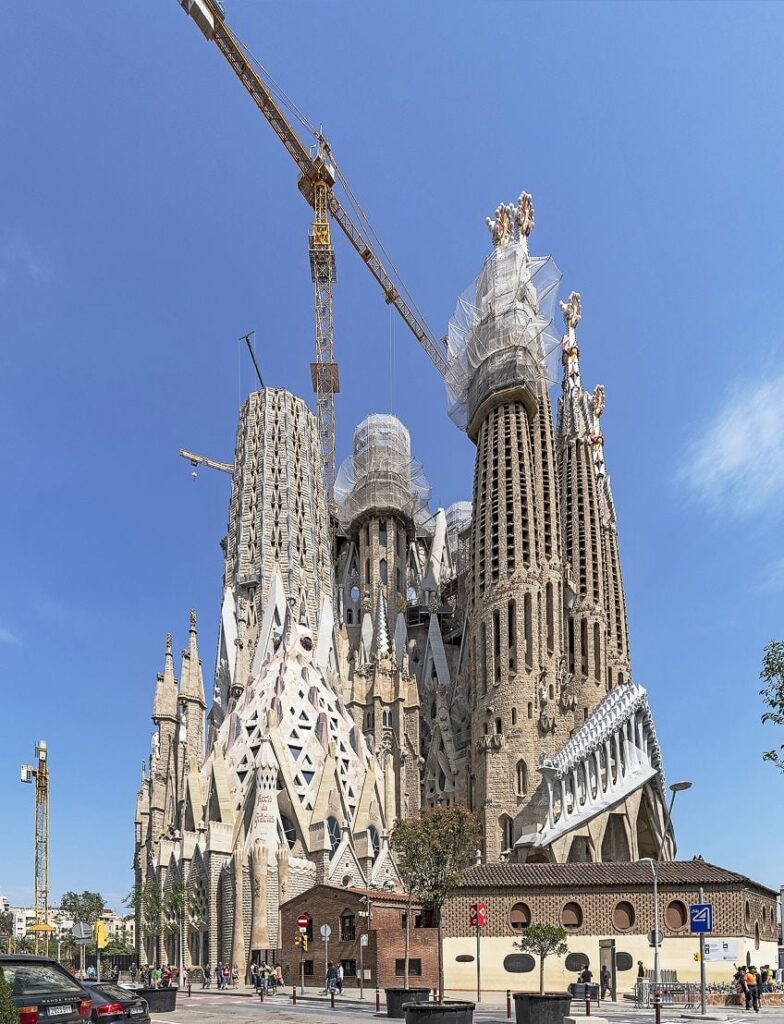
A Japanese architect, Ando is known for minimalist concrete structures that interact with nature.
-
Signature Works: Church of the Light (Osaka), Water Temple (Hyogo)
-
Style: Use of raw concrete, natural light, water, and geometric simplicity.
-
Impact: Emphasizes serenity, spirituality, and harmony between built environment and nature.
Readers’ Tip: Visiting Church of the Light demonstrates how light and space create emotional and spiritual experiences.
Read Also: The Race to 300 mph: Will Hennessey or Koenigsegg Break the Speed Record in 2025?
Lessons from Famous Architects
Studying these celebrated architects offers valuable lessons:
-
Innovation is Key: Experimenting with materials, forms, and techniques pushes the boundaries of design.
-
Context Matters: Great architects respond to cultural, environmental, and historical context.
-
Function Meets Aesthetics: Balance between usability, beauty, and sustainability is essential.
-
Legacy Through Influence: Iconic designs inspire future generations of architects and designers.
-
Integration of Technology and Art: Modern architecture often merges engineering innovation with artistic vision.
Tips for Architecture Enthusiasts
-
Visit Iconic Buildings: Experience the scale, materials, and details firsthand.
-
Study Architectural Plans: Understand structure, proportions, and design rationale.
-
Follow Exhibitions and Publications: Learn about contemporary architects and trends.
-
Engage with Virtual Tours: Digital resources allow exploration of buildings worldwide.
-
Sketch and Analyze: Observing and sketching designs enhances understanding of form and space.
Conclusion
Famous architects are more than just designers—they are visionaries who transform ideas into enduring landmarks. From Frank Lloyd Wright’s organic harmony to Zaha Hadid’s futuristic fluidity, and from Le Corbusier’s minimalism to Gaudí’s fantastical creativity, each architect has left a unique imprint on the world.
Studying their work provides insight into the evolution of architecture, the role of innovation, and the enduring power of design to inspire and shape human experience. For students, professionals, and enthusiasts, exploring the legacies of celebrated architectural designers is both educational and inspirational, offering lessons that transcend time and geography.
Watch Also: https://www.youtube.com/@TravelsofTheWorld24









Leave a Reply