
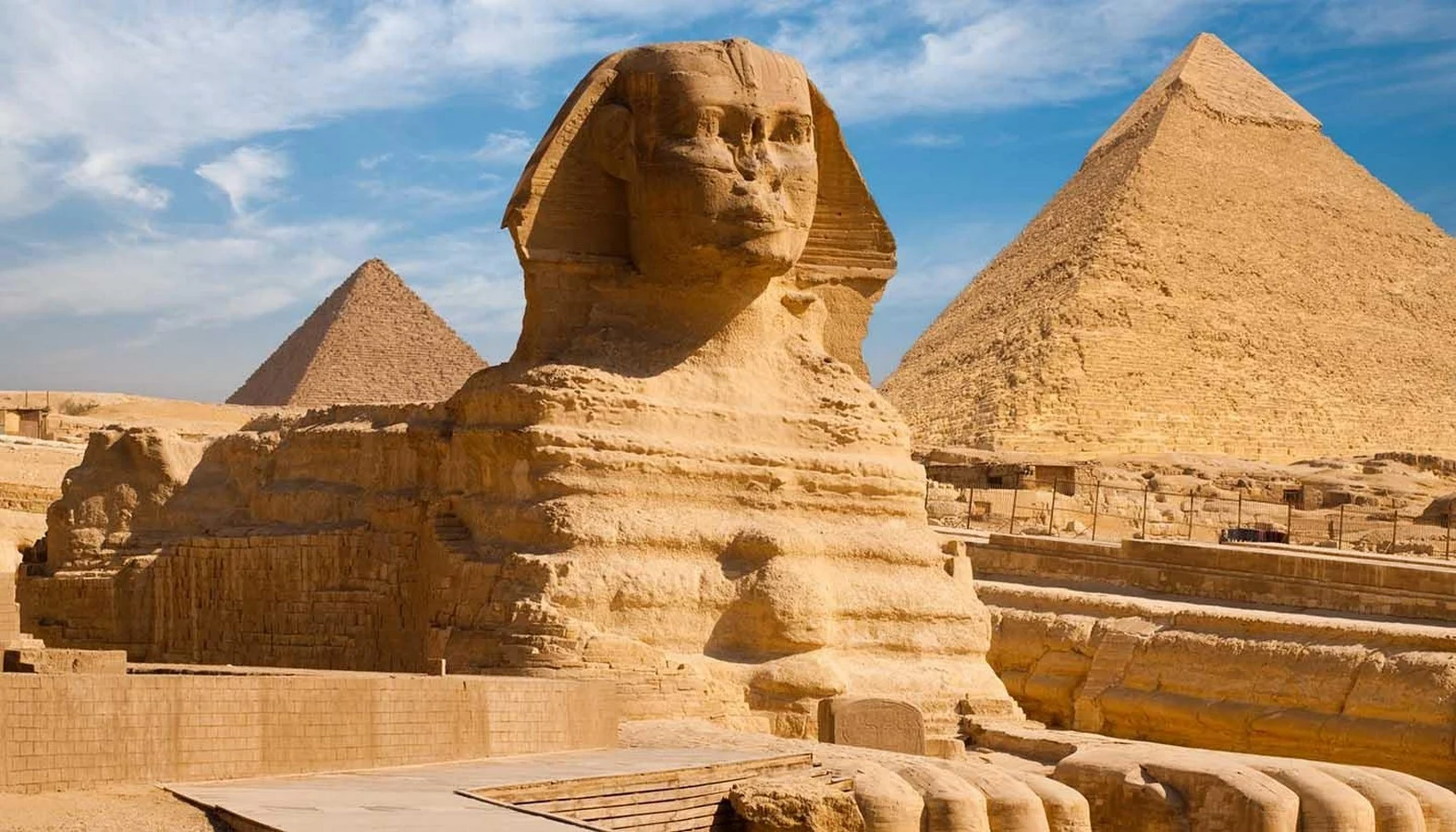
Ancient Egyptian architecture is among the most iconic and enduring architectural traditions in the world. Known for its monumental scale, precise engineering, and deep connection to religion and society, the architecture of ancient Egypt continues to inspire historians, architects, and travelers alike. Structures like the pyramids, temples, tombs, and obelisks reflect the Egyptians’ quest for immortality, cosmic order, and artistic expression.
This article explores the distinctive features of Ancient Egyptian architecture, highlighting its materials, styles, symbolism, and cultural significance, as presented under Egipto Exclusivo.
Overview of Ancient Egyptian Architecture
Spanning over 3,000 years, Ancient Egyptian architecture evolved in response to religion, social hierarchy, and the Nile environment. Architecture was not merely functional—it was deeply symbolic. Buildings were designed to last for eternity, reflecting the Egyptians’ belief in life after death and the divine status of pharaohs.
Key characteristics of Ancient Egyptian architecture include:
-
Monumental structures emphasizing scale and grandeur
-
Geometric precision and symmetry
-
Use of durable materials such as limestone, sandstone, and granite
-
Integration of religious and cultural symbolism
-
Elaborate decoration through carvings, hieroglyphs, and murals
Primary Materials and Construction Techniques
Ancient Egyptians demonstrated remarkable ingenuity in construction using available materials:
-
Limestone: Predominantly used for pyramids, temples, and exterior walls
-
Sandstone: Common for columns, temples, and sculptures
-
Granite: Reserved for statues, obelisks, and structural elements requiring durability
-
Mudbrick: Used for domestic buildings, fortifications, and smaller structures
Construction techniques relied on ramps, levers, and manpower, sometimes involving thousands of workers. Precision in cutting and placing stone ensured structural stability that has endured millennia.
Key Features of Ancient Egyptian Architecture
1. Pyramids
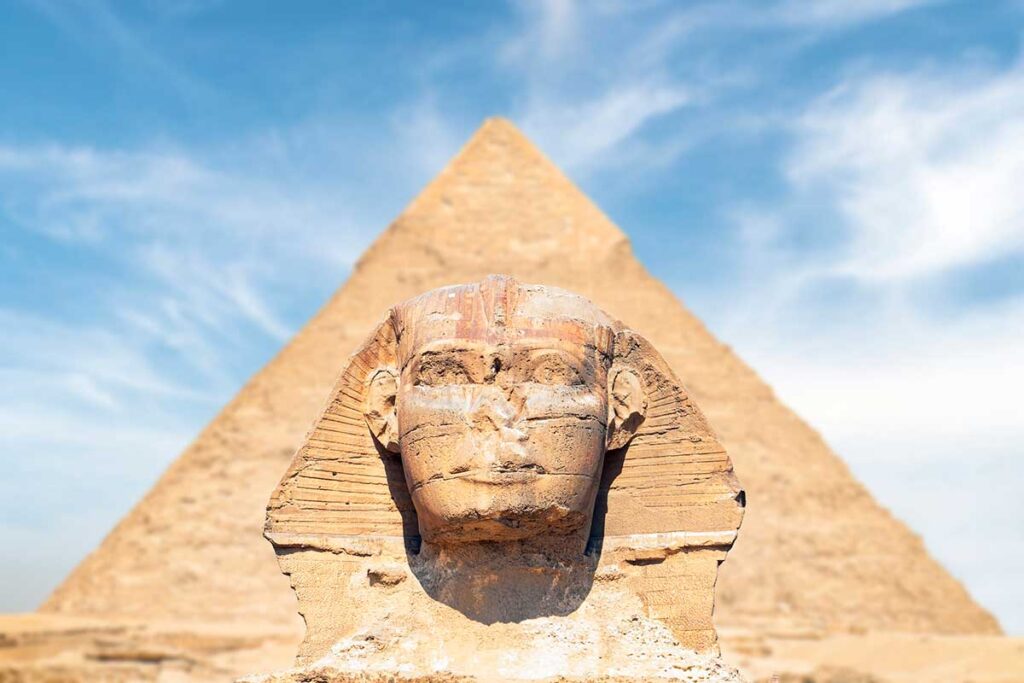
Pyramids are the most recognized symbols of ancient Egypt. They served as tombs for pharaohs and were designed to ensure safe passage to the afterlife.
-
The Great Pyramid of Giza remains the largest and most famous.
-
Pyramids exhibit precise geometric design, often aligned with celestial points.
-
Interior chambers were carefully constructed for burial rituals and storage of funerary goods.
Egipto Exclusivo Highlight: The pyramids reflect the Egyptian emphasis on eternity, divine power, and cosmic order.
2. Temples
Temples were centers of religious and social life, dedicated to gods and goddesses.
-
Famous temples include Karnak, Luxor, and the Temple of Hatshepsut.
-
Common architectural elements: massive pylons, courtyards, hypostyle halls, sanctuaries.
-
Walls and columns were adorned with hieroglyphs, reliefs, and statues, depicting religious narratives and royal achievements.
Egipto Exclusivo Insight: Temples symbolized the pharaoh’s connection with gods and provided a space for ritual and communal gatherings.
3. Tombs
Tombs were designed to secure a pharaoh’s passage into the afterlife.
-
Mastabas: Flat-roofed tombs used in early periods.
-
Rock-cut tombs: Found in the Valley of the Kings, with intricate murals and burial chambers.
-
Tomb decorations included spells, daily life depictions, and divine guidance, ensuring protection in the afterlife.
4. Obelisks and Monuments
Obelisks are tall, tapered pillars topped with a pyramidion, symbolizing the sun god Ra.
-
Often placed at temple entrances or ceremonial spaces.
-
Monuments, such as the Colossi of Memnon, celebrated pharaohs’ achievements and divine authority.
5. Columns and Capitals
Columns served both structural and decorative functions:
-
Lotus and papyrus motifs represented fertility, life, and the Nile’s natural beauty.
-
Hypostyle halls, such as in Karnak, create the impression of a stone forest, emphasizing grandeur.
6. Hieroglyphic Decoration
Walls, ceilings, and columns were richly adorned with hieroglyphs, bas-reliefs, and murals. These decorations served religious, political, and historical purposes, narrating pharaohs’ victories, divine rituals, and daily life.
Read Also: The Race to 300 mph: Will Hennessey or Koenigsegg Break the Speed Record in 2025?
Symbolism in Egyptian Architecture
Symbolism was central to design:
-
Orientation: Many structures aligned with stars, solstices, or cardinal directions.
-
Scale: Monumental size represented the pharaoh’s power and divine status.
-
Material Choice: Durable stones symbolized eternity and the enduring nature of gods and kings.
-
Decorative Elements: Hieroglyphs, statues, and murals conveyed spiritual and political messages.
Egipto Exclusivo Note: Architecture served as a bridge between the mortal world and the divine, reflecting cosmology and cultural identity.
Architectural Styles and Periods
Ancient Egyptian architecture evolved across periods:
-
Old Kingdom (c. 2686–2181 BCE): Development of pyramids, mastabas, and monumental stone structures.
-
Middle Kingdom (c. 2055–1650 BCE): Refinement of temple and tomb designs, more elaborate decorations.
-
New Kingdom (c. 1550–1070 BCE): Expansion of temples, hypostyle halls, and rock-cut tombs in the Valley of the Kings.
-
Late Period and Ptolemaic Era (c. 664–30 BCE): Incorporation of Greek influences, complex temple complexes, and decorative innovation.
Influence on Modern Architecture
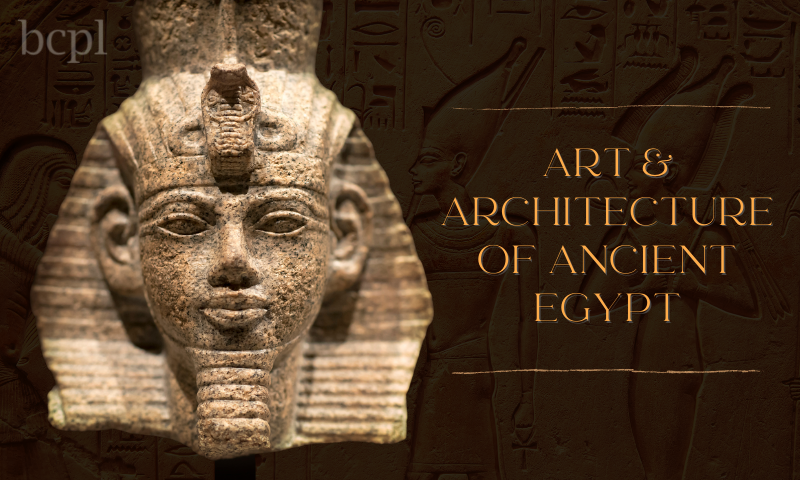
Ancient Egyptian architecture has inspired architects worldwide:
-
Obelisks appear in memorials and public spaces, like the Washington Monument.
-
Columns and capitals influenced neoclassical and Egyptian Revival styles.
-
Geometric precision and monumentality inspire modern civic buildings, museums, and memorials.
Egipto Exclusivo Perspective: Studying Egyptian architecture provides timeless lessons in durability, symbolism, and integration of art and function.
Tips for Exploring Ancient Egyptian Architecture
-
Visit Key Sites: Pyramids of Giza, Luxor, Karnak, Valley of the Kings, Abu Simbel.
-
Hire Knowledgeable Guides: Learn about religious symbolism, historical context, and architectural techniques.
-
Photography: Early morning or late afternoon provides optimal lighting for photography.
-
Understand Hieroglyphs: Basic knowledge enhances the appreciation of decorative narratives.
-
Respect Preservation Rules: Many sites are sacred or fragile—follow local guidelines.
Conclusion
Ancient Egyptian architecture represents the pinnacle of human creativity, engineering, and spirituality. From the monumental pyramids and grand temples to intricately decorated tombs and towering obelisks, Egyptian structures reflect a civilization deeply attuned to religion, society, and the natural environment.
Their precision, durability, and symbolism continue to influence modern architecture and inspire awe worldwide. For historians, architects, and travelers, exploring Ancient Egyptian architecture offers a timeless lesson in the integration of art, function, and cultural expression—a testament to a civilization that sought to make its mark on eternity.
Egipto Exclusivo highlights the enduring legacy of these architectural feats, reminding us that great architecture transcends time, telling stories of power, faith, and human ingenuity.
Watch Also: https://www.youtube.com/@TravelsofTheWorld24












Leave a Reply