
Ancient Egyptian architecture is one of the most remarkable achievements in human history. For over 3,000 years, the ancient Egyptians created structures that not only served practical purposes but also embodied religious beliefs, social hierarchy, and cultural identity. From the pyramids and temples to tombs and monumental statues, these structures continue to inspire architects, historians, and travelers worldwide.
This article explores the key features, styles, functions, and significance of Ancient Egyptian architecture, highlighting its enduring legacy and influence on modern design.
Overview of Ancient Egyptian Architecture
Ancient Egyptian architecture developed along the Nile River, benefiting from fertile land, abundant stone resources, and advanced construction techniques. Architecture in ancient Egypt was closely linked to religion, governance, and funerary practices. Structures were designed to reflect cosmic order, divine authority, and the Egyptians’ beliefs about the afterlife.
Key characteristics of Ancient Egyptian architecture include:
-
Monumentality and grandeur
-
Geometric precision and symmetry
-
Use of durable materials like limestone, sandstone, and granite
-
Decoration with hieroglyphs, carvings, and colorful paintings
-
Alignment with celestial or cardinal directions
Materials and Construction Techniques
Ancient Egyptians primarily used stone and mudbrick, depending on the purpose of the structure:
-
Limestone: Widely used for pyramids, temples, and tombs
-
Sandstone: Common in temples and monumental structures
-
Granite: Reserved for statues, obelisks, and structural supports
-
Mudbrick: Used for residential buildings, walls, and smaller structures
Construction techniques involved lever systems, ramps, and manpower, sometimes numbering in the tens of thousands for large projects. The precision of their masonry ensured structures could withstand millennia.
Key Architectural Elements
1. Pyramids
Pyramids are the most iconic symbols of Ancient Egyptian architecture. They served as tombs for pharaohs, designed to ensure a smooth journey to the afterlife.
-
The Great Pyramid of Giza is the most famous, built for Pharaoh Khufu.
-
Pyramids feature sloping sides, aligned with celestial points, reflecting religious significance.
-
Interior chambers were constructed with precision, including burial chambers and ventilation shafts.
2. Temples
Temples were central to religious and social life, serving as homes for gods and places for rituals.
-
Notable examples include Karnak Temple, Luxor Temple, and Temple of Hatshepsut.
-
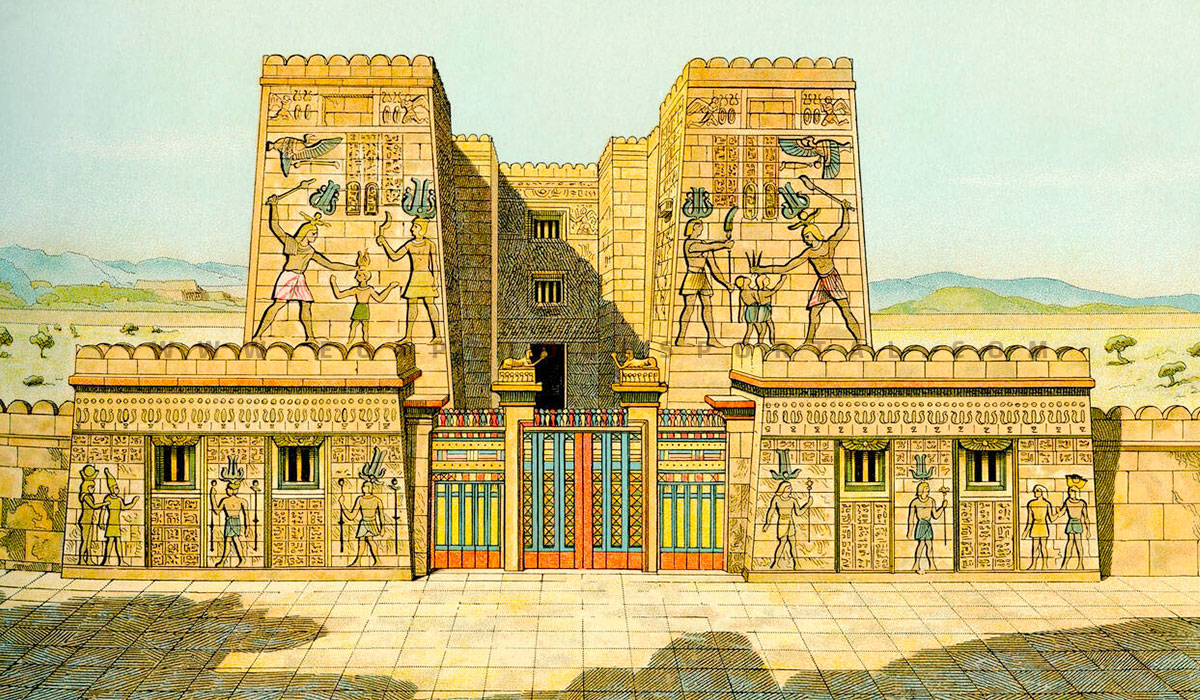
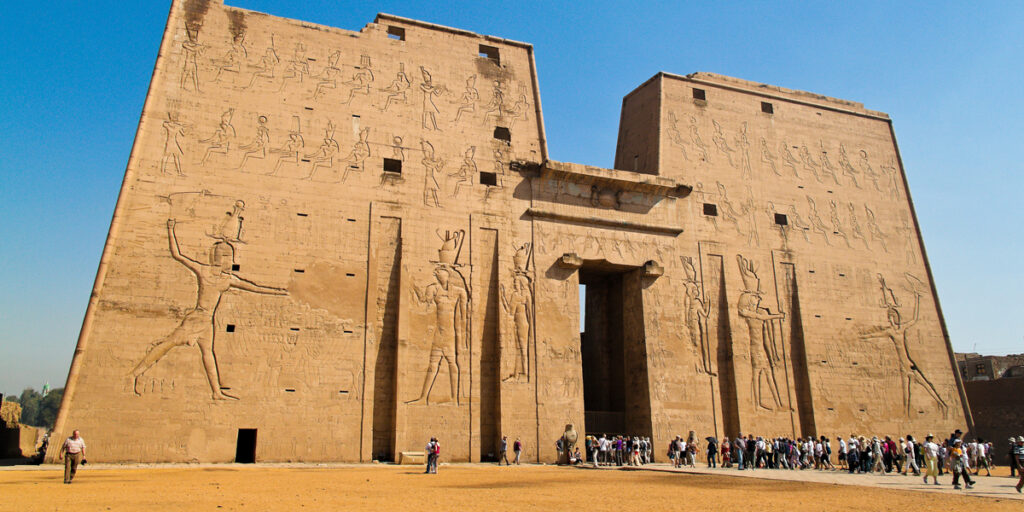
Temples often had massive pylons, open courtyards, hypostyle halls, and sanctuaries.
-
Walls and columns were decorated with hieroglyphs, reliefs, and statues, depicting gods, pharaohs, and ceremonies.
3. Tombs
Tombs reflected the Egyptians’ beliefs in the afterlife.
-
The Valley of the Kings contains rock-cut tombs for New Kingdom pharaohs.
-
Tombs featured elaborate paintings and inscriptions depicting daily life, rituals, and protection spells.
-
Mastabas were flat-roofed rectangular tombs used in earlier periods before pyramids became prevalent.
4. Obelisks and Monuments
Obelisks are tall, four-sided, tapered pillars often topped with a pyramidion. They symbolized the sun god Ra and were placed at temple entrances.
-
Large statues of pharaohs, such as Colossi of Memnon, celebrated the ruler’s power and divine status.
5. Columns and Capitals
??????????????????????????????????????????????????
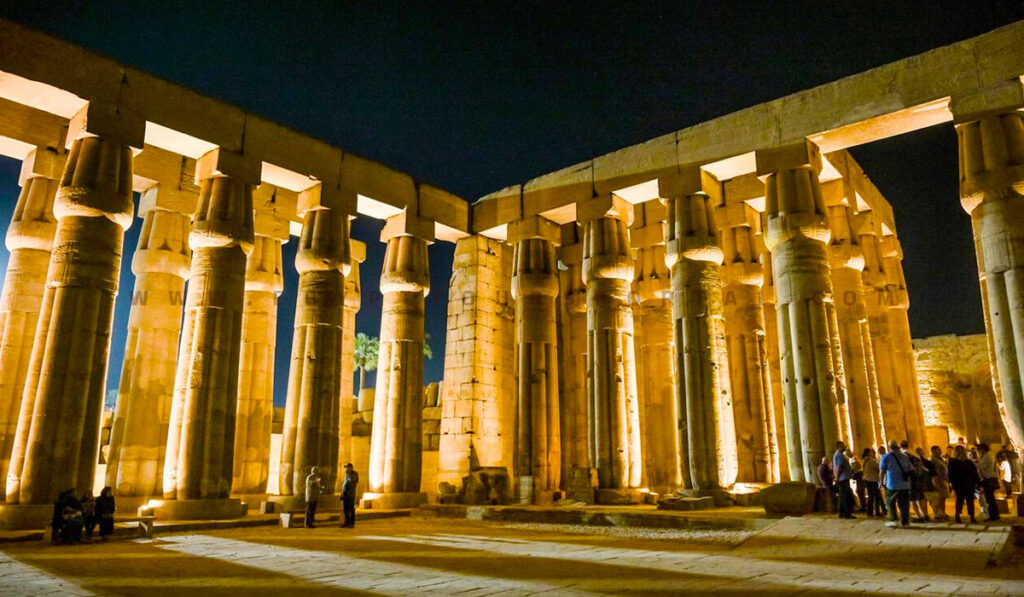
Columns were both structural and decorative, inspired by natural forms:
-
Lotus and papyrus capitals reflected the flora of the Nile.
-
Hypostyle halls, such as in Karnak, featured dense forests of columns, creating a sense of grandeur.
6. Hieroglyphic Decoration
Walls, columns, and ceilings were richly decorated with hieroglyphs, bas-reliefs, and murals, narrating religious stories, historical events, and pharaohs’ achievements.
Symbolism in Ancient Egyptian Architecture
Architecture was deeply symbolic, reflecting cosmic order and divine authority:
-
Orientation: Many temples and pyramids aligned with stars, the sun, or cardinal directions.
-
Scale: Monumental sizes represented the pharaoh’s power and the gods’ greatness.
-
Design: Shapes, colors, and decoration conveyed spiritual and political messages.
-
Materials: Durable stones signified eternity and permanence, essential for funerary structures.
Influence on Modern Architecture
Ancient Egyptian architecture has inspired architects across centuries:
-
Obelisks influence modern monuments, such as the Washington Monument in the USA.
-
Columns and capitals appear in neoclassical and Egyptian Revival architecture.
-
Geometric precision and monumental scale continue to inspire museum, government, and memorial designs.
Famous Examples of Ancient Egyptian Architecture
-
The Great Pyramid of Giza: Tomb of Pharaoh Khufu, one of the Seven Wonders of the Ancient World.
-
Temple of Karnak: Massive complex with pylons, hypostyle halls, and sacred lakes.
-
Temple of Hatshepsut: Terraced mortuary temple blending into cliff landscapes.
-
Valley of the Kings: Rock-cut tombs with intricate murals for New Kingdom rulers.
-
Luxor Temple: Religious complex linking the pharaohs’ cult to the city of Thebes.
-
Colossi of Memnon: Two massive statues of Pharaoh Amenhotep III.
-
Obelisks of Pharaohs: Tall pillars honoring gods and marking sacred spaces.
Lessons from Ancient Egyptian Architecture
??????????????????????????????????????????????????
-
Durability Matters: Structures built with precision and strong materials can last millennia.
-
Integration of Art and Function: Architecture served practical, religious, and symbolic purposes simultaneously.
-
Urban and Environmental Planning: Structures aligned with natural landscapes, sun, and river systems.
-
Innovation Within Constraints: Architects achieved extraordinary feats with simple tools and manpower.
Tips for Exploring Ancient Egyptian Architecture
-
Visit Key Sites: Pyramids of Giza, Luxor, Karnak, Valley of the Kings, and Abu Simbel.
-
Hire Local Guides: Experts provide historical context and insight into symbolism.
-
Photography: Early morning or sunset provides optimal lighting for photography.
-
Understand Hieroglyphs: Learning basic symbols enriches the experience of murals and inscriptions.
-
Respect Sites: Many structures are sacred or fragile; follow local guidelines to preserve them.
Conclusion
Ancient Egyptian architecture is a testament to human creativity, engineering skill, and spiritual devotion. From the monumental pyramids to intricately decorated temples and tombs, these structures reflect a civilization that valued eternity, divine order, and aesthetic brilliance.
Their influence is evident in modern architecture, demonstrating how timeless principles of design, proportion, and symbolism continue to inspire architects worldwide. Visiting ancient Egyptian structures offers a glimpse into a world where architecture was both functional and sacred, and where each stone told a story of power, faith, and innovation.
For students, architects, and enthusiasts, studying ancient Egyptian architecture provides lessons in durability, precision, creativity, and cultural expression—principles that remain relevant in the contemporary architectural landscape.












Leave a Reply