
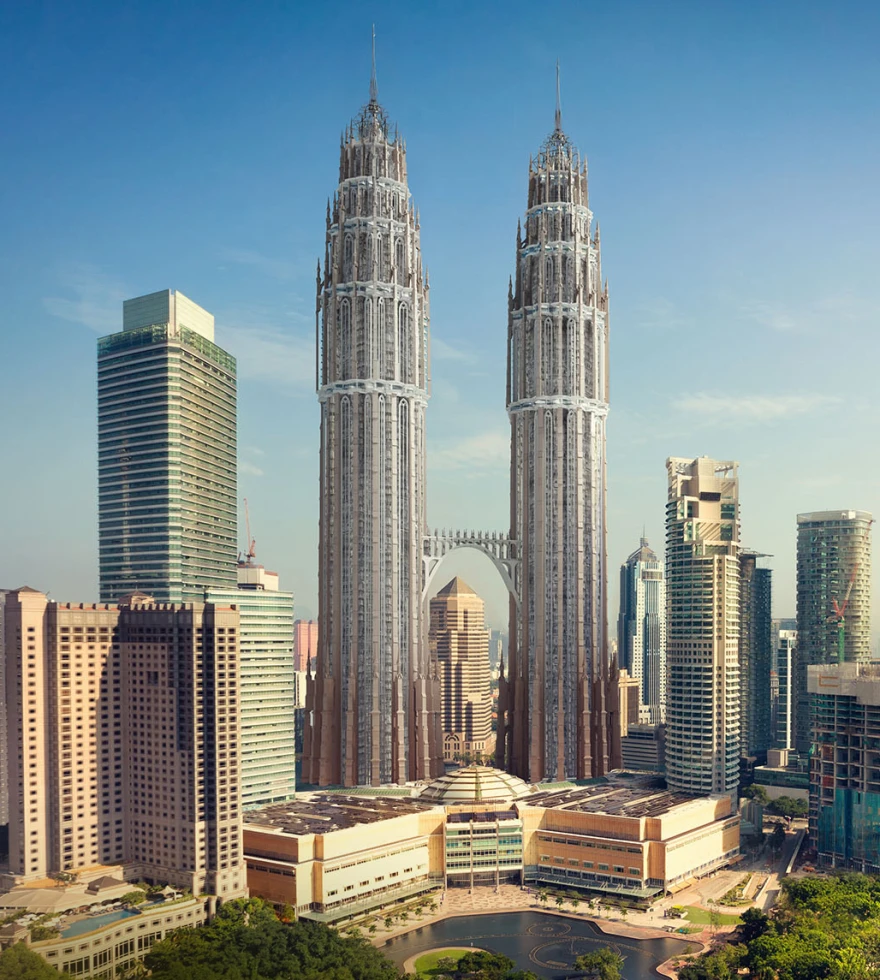
Architecture is not just about creating spaces—it is a reflection of time, culture, and imagination. Some buildings, iconic in their original form, have been reimagined by architects and designers, blending history with modernity, tradition with innovation, and reality with fantasy. This concept, often referred to as an architecture time warp, allows us to experience how classic designs can evolve or inspire contemporary reinterpretations.
In this article, we explore seven iconic buildings that have been reimagined, examining their transformations, design philosophies, and the impact of reimagining architecture across eras.
1. The Colosseum, Rome, Italy – Modern Interventions 
The Colosseum is perhaps the most famous ancient amphitheater. Its monumental arches and elliptical structure symbolize the grandeur of ancient Rome. Modern architects have reimagined its structure in digital simulations, interactive installations, and conceptual models that propose flooded or suspended versions, allowing new perspectives on its scale and function.
Highlight: These reinterpretations explore how ancient architecture could interact with modern landscapes and urban planning.
Readers’ Tip: Virtual reality tours provide a time-traveling experience, allowing visitors to see both the ancient and imagined futuristic Colosseum.
 2. Eiffel Tower, Paris, France – Futuristic Facades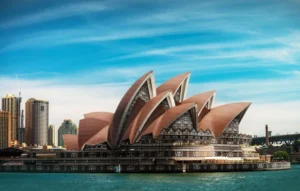
Gustave Eiffel’s iconic lattice tower is a symbol of Paris and industrial design. Contemporary artists and architects have reimagined the Eiffel Tower with light projections, digital art installations, and alternate material proposals, creating temporary “time-warped” versions that blend modern technology with historic structure.
Highlight: Light shows and augmented reality overlays provide an ephemeral yet striking reimagination of this Parisian landmark.
Readers’ Tip: Visit during seasonal light shows to see the tower transformed into a living canvas of modern creativity.
 3. The Parthenon, Athens, Greece – Reconstructed Visions
The Parthenon, a pinnacle of classical architecture, has inspired multiple reimaginings. Digital reconstructions propose restored or futuristically adapted versions that speculate how the temple might have evolved through centuries of technological and cultural change.
Highlight: Interactive installations allow viewers to visualize both the ancient original and speculative future forms.
Readers’ Tip: Museums and exhibitions on classical architecture often feature these time-warped models.
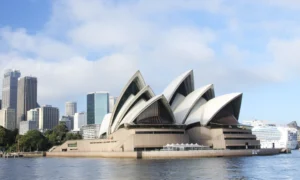
4. Sydney Opera House, Sydney, Australia – Floating Forms
Jørn Utzon’s Opera House is renowned for its sail-like roof structures. Modern interpretations have imagined the building as floating, modular, or digitally augmented, exploring how its iconic form could exist in different environmental contexts or even alternate dimensions.
Highlight: These reimaginations emphasize movement and fluidity, reflecting Utzon’s original organic design philosophy.
Readers’ Tip: Attend architecture workshops or exhibitions that showcase conceptual transformations of the Opera House.
5. Fallingwater, Pennsylvania, USA – Nature Amplified
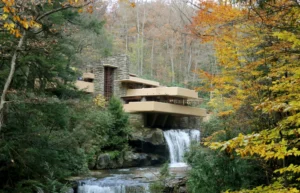
Frank Lloyd Wright’s Fallingwater is celebrated for its integration with nature. Reimagined models explore enhanced cantilevered forms, futuristic materials, or environmentally augmented features like solar roofs and interactive water systems. These concepts bring the structure into a speculative future while maintaining harmony with the natural landscape.
Highlight: It demonstrates how organic architecture can evolve with sustainability and technological innovation.
Readers’ Tip: Virtual tours often include augmented versions, showing the house under alternative environmental and material scenarios.
6. St. Basil’s Cathedral, Moscow, Russia – Digital Fantasies
St. Basil’s Cathedral, famous for its onion domes and vibrant colors, has inspired digital and surreal reinterpretations. Architects have experimented with rotating domes, floating towers, and abstract color palettes, creating designs that challenge perception while celebrating its iconic form.
Highlight: These projects show the cathedral in speculative contexts, merging historical architecture with modern artistic imagination.
Readers’ Tip: Art and design exhibitions in Moscow often feature these conceptual models, offering a fresh perspective on the city’s heritage.
7. Guggenheim Museum, Bilbao, Spain – Morphing Forms
Frank Gehry’s Guggenheim Museum is already a futuristic marvel with its titanium curves. Architects have reimagined it digitally to explore morphing forms, alternative materials, and interaction with future urban landscapes. These speculative designs imagine the museum in different eras, climates, and technological contexts.
Highlight: It illustrates how contemporary architecture can inspire continuous reinterpretation and adaptation.
Readers’ Tip: Attend architectural conferences or digital design exhibitions to explore these transformative concepts.
Read Also: The Race to 300 mph: Will Hennessey or Koenigsegg Break the Speed Record in 2025?
The Philosophy Behind Reimagining Iconic Buildings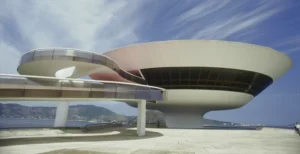
Reimagining architecture combines historical reverence with futuristic creativity. Architects and designers often explore:
-
What if scenarios: How might a building evolve over centuries?
-
Material innovation: Could new materials transform an old design?
-
Cultural reinterpretation: How would a structure appear in a different context or society?
-
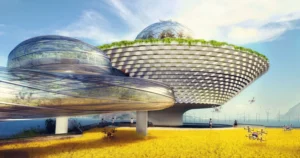
Sustainability: How could iconic structures adapt to environmental challenges?
-
Interactive experiences: How might technology alter perception or usability?
This philosophy encourages dialogue between past and future, blending imagination with design expertise.
Tips for Exploring Reimagined Architecture
-
Visit Exhibitions and Digital Installations
Many museums feature virtual or augmented reality versions of iconic buildings.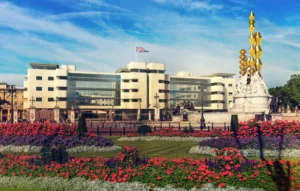
-
Use Architectural Apps
Apps and platforms offer 3D models and simulations to experience buildings in alternate realities. -
Combine Real and Imagined Tours
Visit the original site and then explore conceptual or virtual reimaginings to appreciate the contrast. -
Engage with Local Guides and Workshops
Architectural professionals provide insights into design evolution and speculative interpretations. -
Photography and Sketching
Capture both reality and conceptual perspectives to deepen understanding of form, scale, and innovation.
Why Reimagined Architecture Matters
-
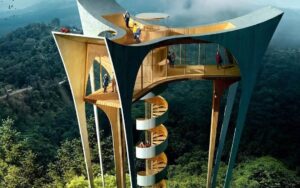
Inspires Creativity: Encourages architects, students, and enthusiasts to think beyond conventional limits.
-
Educational Value: Offers insights into design evolution, structural innovation, and cultural interpretation.
-
Preservation through Speculation: Even speculative models can highlight the importance of protecting historical structures.
-
Public Engagement: Digital and conceptual reimaginings make architecture accessible and exciting to broader audiences.
-
Cultural Dialogue: Bridging past and future fosters understanding of how architecture shapes societies.
Conclusion
The concept of an architecture time warp allows us to see iconic buildings not just as static monuments, but as evolving symbols of creativity and innovation. From the Parthenon to the Guggenheim Museum, each structure can be reimagined, digitally transformed, or artistically reinterpreted, offering new ways to experience history, culture, and design.
Exploring these reimagined buildings encourages a deeper appreciation of architectural ingenuity while inspiring future innovation. For students, architects, and travelers, engaging with both the real and imagined forms of architecture provides a unique lens into the past, present, and potential future of human creativity.
Watch Also: https://www.youtube.com/@TravelsofTheWorld24






Leave a Reply