
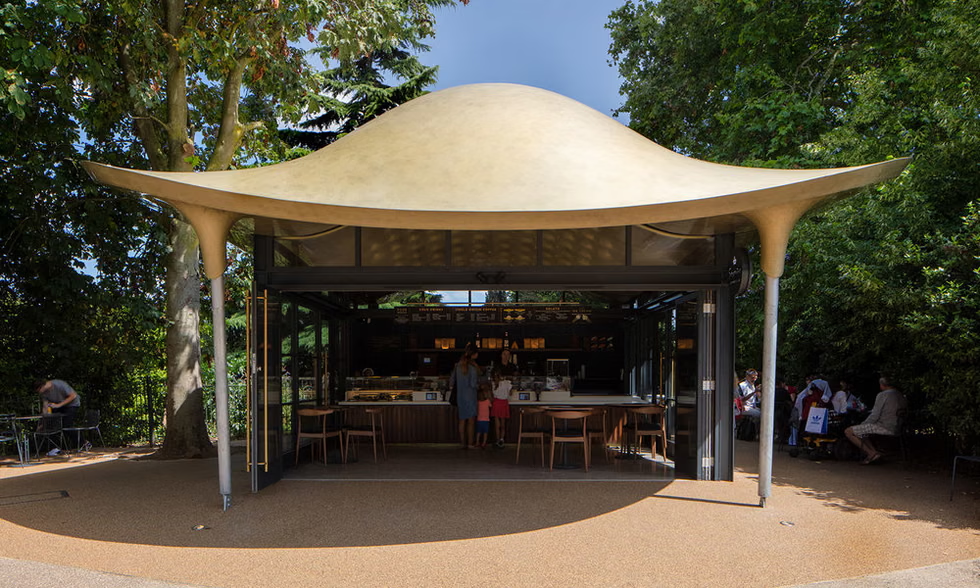
Europe has long been celebrated for its historic architecture—Gothic cathedrals, Renaissance palaces, and Baroque landmarks. However, the continent is also a hub for modern architectural innovation, combining creativity, technology, and sustainability. From striking skyscrapers to bold cultural centers, Europe offers endless inspiration for architecture enthusiasts.
This guide explores great modern architecture across Europe, highlighting iconic examples, regional styles, and readers’ tips for exploring these contemporary marvels.
Why Modern Architecture in Europe Matters
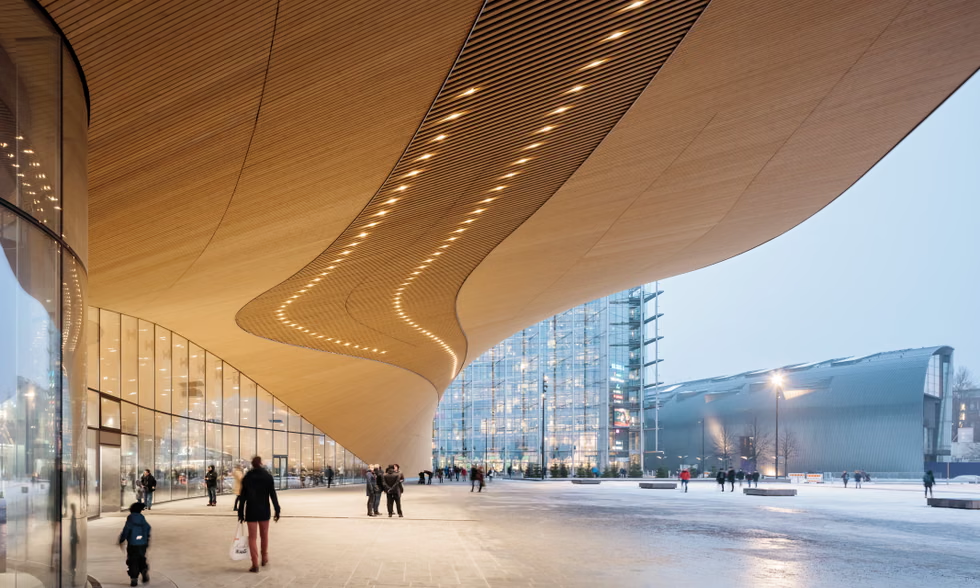
Modern European architecture reflects technological progress, artistic experimentation, and cultural shifts. It’s not just about aesthetics; it addresses functionality, sustainability, and urban living challenges. Touring modern architecture provides:
-
Inspiration for architects, designers, and students
-
Insights into sustainable design and construction innovations
-
Opportunities to explore creative urban planning
-
A new perspective on blending contemporary design with historic surroundings
Europe’s modern architecture often balances tradition and innovation, creating unique and memorable structures.
Iconic Modern Architecture in Europe
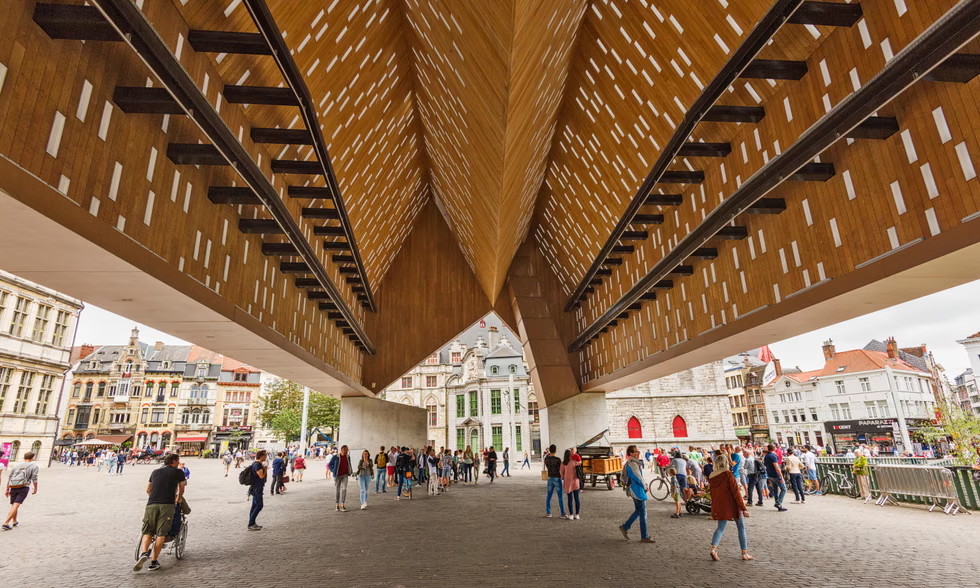
1. Guggenheim Museum Bilbao, Spain
Designed by Frank Gehry, the Guggenheim Museum is famous for its organic, sculptural design and titanium façade. It transformed Bilbao into an architectural tourism hotspot and is a prime example of the “Bilbao Effect”—how architecture can revitalize cities.
Readers’ Tip: Explore both the exterior and interior; Gehry’s fluid forms continue inside with dynamic galleries.
2. The Shard, London, UK
Western Europe’s tallest building, The Shard, designed by Renzo Piano, is a glass-clad skyscraper symbolizing London’s modern skyline. It offers observation decks with panoramic city views.
Readers’ Tip: Visit near sunset for the best photography and lighting.
3. Berlin Hauptbahnhof, Germany
Berlin’s central train station, designed by Meinhard von Gerkan, is a modern glass and steel marvel. Its transparent design maximizes natural light and creates a sense of openness uncommon in traditional railway stations.
Readers’ Tip: Take time to walk through the different levels and notice the intricate structural engineering.
4. Louis Vuitton Foundation, Paris, France
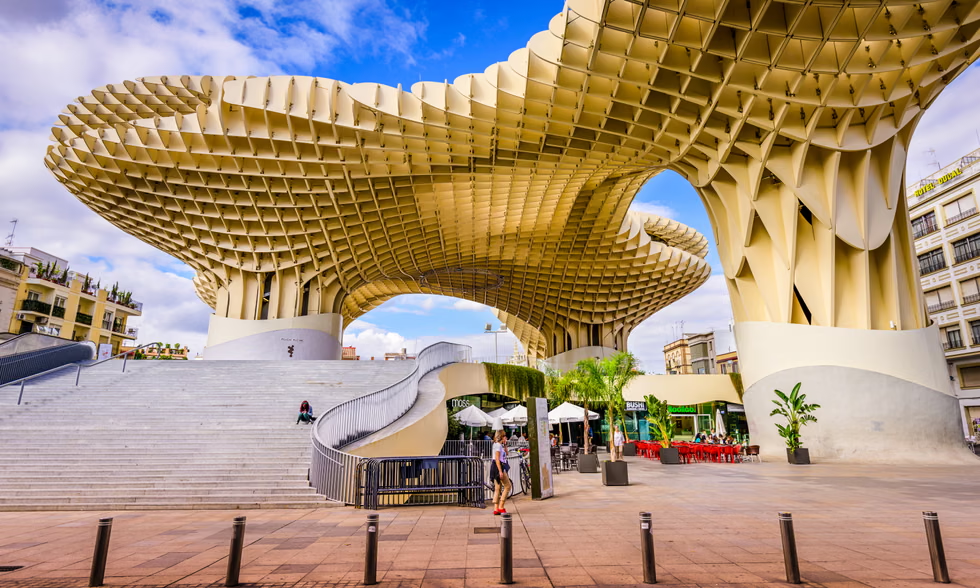
Frank Gehry’s Louis Vuitton Foundation blends glass sails and curved forms, creating a dynamic cultural space. It’s an example of modern design integrating with natural landscapes.
Readers’ Tip: Pre-book tickets for exhibitions and enjoy the landscaped gardens surrounding the building.
5. MAXXI Museum, Rome, Italy
Zaha Hadid’s MAXXI Museum is a modern architectural icon featuring flowing lines, asymmetry, and bold concrete and glass forms. It represents contemporary art and architecture fused seamlessly.
Readers’ Tip: Attend guided tours to understand Hadid’s design philosophy and structural ingenuity.
6. Elbphilharmonie, Hamburg, Germany
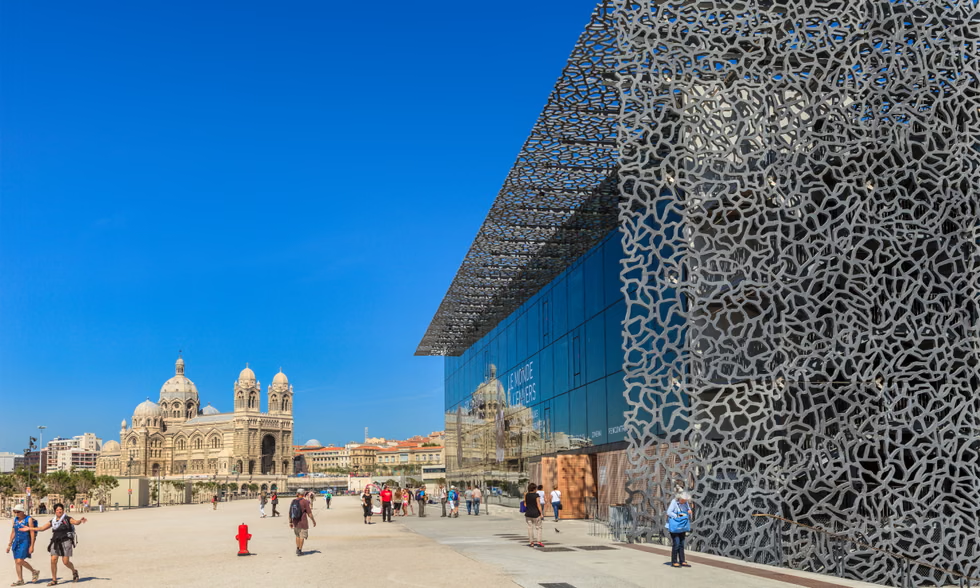
A striking concert hall designed by Herzog & de Meuron, Elbphilharmonie sits atop a historic warehouse. Its glass wave-shaped façade reflects the harbor and sky, creating a visual dialogue between old and new.
Readers’ Tip: Book a concert or a hall tour to experience acoustics and architectural details firsthand.
7. Centre Pompidou, Paris, France
Renzo Piano and Richard Rogers designed the Centre Pompidou with inside-out architecture, exposing structural and mechanical systems on the exterior. It challenges conventional design aesthetics and remains a symbol of innovation.
Readers’ Tip: Explore the rooftop for panoramic views of Paris and enjoy street performances nearby.
8. Heydar Aliyev Center, Baku, Azerbaijan (European Part)
Zaha Hadid’s iconic fluid forms create a building with no sharp angles, emphasizing smooth transitions and futuristic design. While technically at the intersection of Europe and Asia, it’s often included in European modern architecture tours.
Readers’ Tip: Observe how the interior spaces flow organically, creating a sense of motion.
9. Kiasma Museum of Contemporary Art, Helsinki, Finland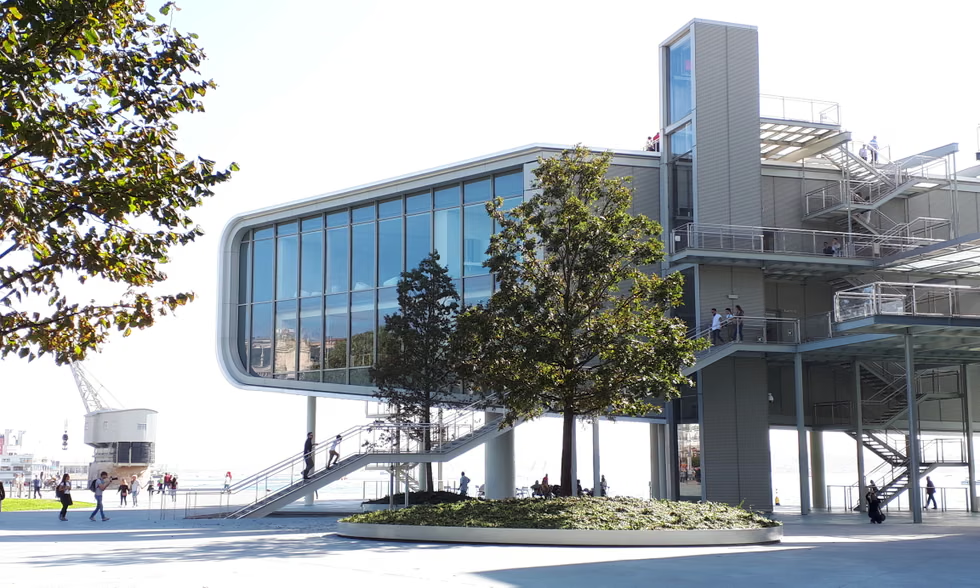
Designed by Steven Holl, Kiasma is minimalist yet striking, using light and concrete to create immersive spaces. Its design focuses on interaction, flow, and visitor experience.
Readers’ Tip: Attend exhibitions and pay attention to how light and angles affect perception throughout the building.
10. 30 St Mary Axe (The Gherkin), London, UK
Norman Foster’s “Gherkin” is a sustainable skyscraper using energy-efficient design. Its curved glass façade and innovative structure are a modern symbol of London’s architectural evolution.
Readers’ Tip: Combine a visit with nearby modern architectural landmarks in the City of London for a full walking tour.
Tips for Touring Modern Architecture in Europe
1. Research and Plan
-
Identify buildings, architects, and cities of interest
-
Check opening hours, entry fees, and tour availability
-
Learn basic architectural terms for better appreciation
2. Use Guides or Apps
-
Guided tours often provide historical context, design insights, and unique perspectives
-
Architecture-focused apps can help locate modern buildings, exhibitions, and walking routes
3. Photography
-
Modern architecture often emphasizes shapes, lines, and reflections
-
Experiment with angles, wide shots, and close-ups
-
Consider visiting at different times of day for lighting effects
4. Combine Old and New
-
Many modern structures coexist with historical landmarks
-
Explore how contemporary design dialogues with traditional architecture
5. Attend Exhibitions and Events
-
Museums, galleries, and cultural centers often host architecture-related exhibitions
-
Architectural festivals and open house events provide unique access
6. Explore on Foot or Bike
-
Walking or cycling allows close observation of details, textures, and surroundings
-
Many European cities have dedicated architectural trails
Benefits of Touring Modern Architecture
-
Educational Value: Gain insights into design, materials, and construction techniques
-
Inspiration: Spark creativity for designers, architects, and artists
-
Cultural Understanding: Modern architecture reflects societal shifts and technological advancements
-
Photography and Art: Unique forms, lines, and materials provide stunning visual content
-
Personal Experience: Witness the blend of functionality, aesthetics, and innovation first-hand
Conclusion
Europe is a treasure trove of modern architectural wonders. From the organic curves of Zaha Hadid’s creations to the glass and steel marvels of Renzo Piano and Norman Foster, the continent offers endless inspiration. Touring these structures allows visitors to experience design, innovation, and culture firsthand.
By researching, planning, and exploring thoughtfully, architecture enthusiasts can enjoy an educational, inspirational, and visually stunning journey through Europe’s modern architectural landscape. Whether you are a student, professional, or casual traveler, these modern buildings offer insights into the future of design while paying homage to the continent’s rich history.







Leave a Reply