

On 28 November 2025, fans of Bollywood music and romance‑film enthusiasts alike got a treat when the makers of Dhurandhar released “Gehra Hua,” a brand‑new love ballad sung by Arijit Singh.
Touted as “the year’s biggest love song,” this track arrives after the earlier successful releases from the same film’s soundtrack — the title track and “Ishq Jalakar (Karvaan)”.
But “Gehra Hua” is more than just another song. With its soulful melody, emotional vocals, and romantic visuals featuring Ranveer Singh and Sara Arjun, the song aims to bring the heart of Dhurandhar — its love story — to the forefront, offering audiences a deeper, more intimate experience.
What “Gehra Hua” Brings — Music, Mood, and Meaning
A Romantic Melody, Soft but Deep
“Gehra Hua” is composed by Shashwat Sachdev, with lyrics by Irshad Kamil — choice artists whose collaboration gives the song a distinct emotional texture.
The arrangement leans toward softness, minimalism, and warmth: a trembling piano or guitar, gentle background instrumentation, and vocal delivery that emphasizes sincerity over show. This lets the listener immerse in feeling, rather than be distracted by over‑production. Several early reviews praised how the music “gives space to the melody,” letting Arijit’s voice carry the emotional weight.
It’s a classic‑meets‑modern love ballad — simple enough to evoke nostalgia, yet contemporary in sensibility, making it instantly relatable and replay‑worthy.
Emotion and Intimacy: The Heart of the Song
What stands out about “Gehra Hua” is its emotional honesty. The lyrics — translated in parts — speak of a love so deep that it becomes everything: “If you become mine, these winds belong to you; all the paths are yours … if you become mine, I am yours.”
That vulnerability — the longing, the surrender — resonates deeply. The song doesn’t just depict love superficially; it dives into emotional intimacy, the ache of attachment, and the beauty of heartfelt commitment. Multiple sources describe the song as exploring “intimacy, longing, emotional connection,” and a “love that is deep, consuming, unforgettable.”
When Arijit Singh’s voice — known for its warmth and melancholy — carries such lyrics, the result is potent: the song feels like a quiet confession, a heart speaking directly to you.
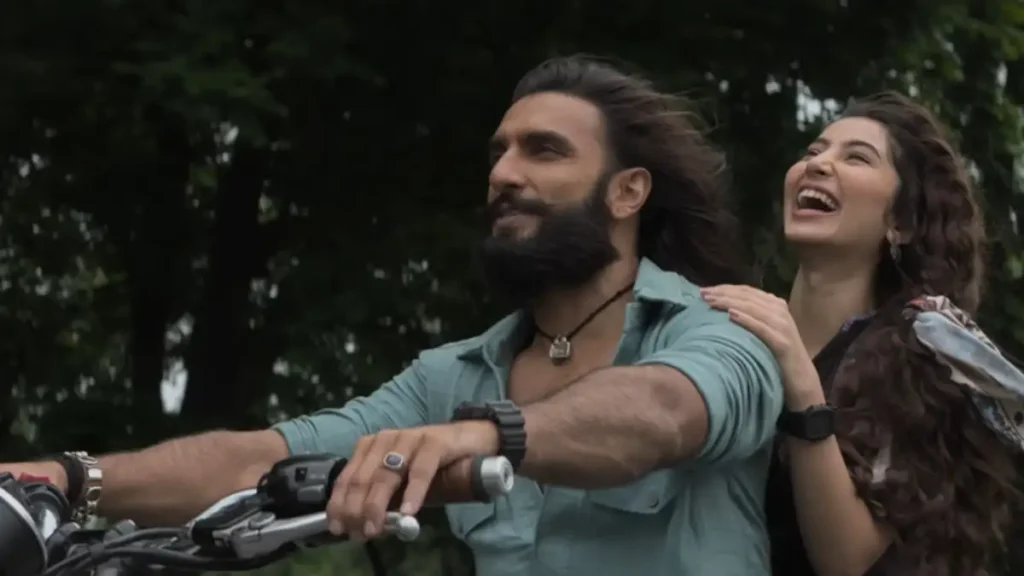 Visuals & Chemistry — Adding a Cinematic Layer
The music video for “Gehra Hua” (released by Saregama, in association with Jio Studios and B62 Studios) visually captures the emotional core of the film’s central romance between Ranveer Singh and Sara Arjun.
Where the earlier trailer and songs emphasized scale, action and drama, “Gehra Hua” gives us a softer, more intimate view — moments of longing, closeness, whispered glances, and a chemistry that feels both fresh and intense.
For audiences not yet aware of Dhurandhar’s plot or tone, this song offers a window into its emotional core — a romance that doesn’t shy away from depth, even within what promises to be a film with grander stakes. This contrast — between big drama and quiet love — can make the film more layered and appealing.
Why “Gehra Hua” Matters — For Dhurandhar, For Music, For Listeners
Showing Depth Behind the Drama
Dhurandhar — directed by Aditya Dhar — has been billed as a major film, blending action, drama, and high production values.
But with “Gehra Hua,” the filmmakers are signaling that the movie isn’t just about spectacle; it cares about human emotions, relationships, love, and vulnerability. The song positions romance as a core part of the narrative, not a side note. This could draw in audiences who appreciate emotional storytelling, not just action thrillers.
It also helps build anticipation and emotional investment — a well‑received romantic song can deepen audience expectation for the characters’ arc and add meaning to the film’s broader story.
A Romantic Anthem in a Noisy Season
In a year filled with energetic tracks, remixes, and experimental music trends, “Gehra Hua” brings a pause — a quiet, heartfelt ballad that reminds listeners of the power of emotion in music. As many articles call it, it has the potential to become “the winter love anthem of the year” — perfect for late‑night drives, nostalgic moments, or cozy introspection.
For the artist — Arijit Singh — it continues his legacy as one of the most emotive voices in Bollywood, capable of giving voice to longing, love, melancholy, and hope — all in a single melody.
For composers and lyricists like Shashwat Sachdev and Irshad Kamil, the song proves that sometimes simplicity, sincerity, and emotional honesty resonate more than over-the-top production or flashy gimmicks.
A Soundtrack to Emotion
For many listeners — whether already fans of Dhurandhar or simply lovers of soulful music — “Gehra Hua” offers an escape. A space to feel, to reminisce, to dream. The song’s release already evoked strong social‑media reactions, with fans calling it a track that stays with you long after it ends.
In a season when love becomes central — with winter evenings, long drives, and quiet nights — “Gehra Hua” feels timely. Its themes of longing, connection and emotional vulnerability can strike a chord with many, making it a go‑to for playlists, reels or even hidden late‑night listening.
What We Know: Credits & Context
Here are the facts behind “Gehra Hua”:
-
Song: Gehra Hua
-
Film: Dhurandhar — releasing 5 December 2025
-
Singer(s): Arijit Singh and Armaan Khan
-
Composer: Shashwat Sachdev
-
Lyricist: Irshad Kamil
-
Production / Music Rights: Under banners of Saregama, in association with Jio Studios and B62 Studios
-
Purpose: Serves as the third single from the soundtrack — after the title track and “Ishq Jalakar (Karvaan)”
-
Visuals: The video shows the lead pair (Ranveer Singh and Sara Arjun), giving audiences their first intimate look at their on‑screen bond.
Early Reception: What People and Critics Are Saying
Within hours of release, “Gehra Hua” started trending: listeners praised it for emotional depth, comforting melody, and vocals that breathe life into the lyrics. Some early fan comments on social media described it as a song that “sticks with you,” even if you’re listening on loop late at night.
Critics and entertainment news outlets have also highlighted the contrast “Gehra Hua” brings compared to the film’s earlier tracks: where previous songs leaned toward action and energy, this one brings softness, romance, and vulnerability — a tonal shift that suggests richness and complexity in the film’s narrative layers.
Moreover, with the film release just days away, the song’s release builds buzz — making romance, emotion and human connection central to the promotion, not just spectacle and star power.
What “Gehra Hua” Might Mean for Future Bollywood Music & Films
-
It reaffirms that romantic ballads still have space — even in a time dominated by beats, remixes, and high‑energy numbers. Songs rooted in emotion and melody remain powerful.
-
For film makers: combining intense action/drama with heartfelt romance can make a film more layered and appealing to a wide audience, drawing both fans of thrillers and connoisseurs of emotional storytelling.
-
For composers and lyricists: “Gehra Hua” is a reminder that simplicity, strong vocals, and honest writing often resonate more than over‑the‑top arrangements.
-
For listeners: in a fast‑changing music landscape, sometimes the most memorable songs are those that evoke feelings, memories, and subtle moments — not just the trending beats.
Conclusion
“Gehra Hua” isn’t just “another song on a film soundtrack.” It’s a carefully crafted love anthem — soulful, intimate, and emotionally rich. As the third single from Dhurandhar, it shifts focus from action to emotion, inviting audiences to see the romance at the story’s heart.
With stirring vocals by Arijit Singh, the warm composition of Shashwat Sachdev, and heartfelt lyrics from Irshad Kamil, the song stands poised to become one of 2025’s defining romantic tracks. For fans of music, romance, and authentic emotion — “Gehra Hua” is a reminder that love, expressed simply and sincerely, never goes out of style.
Given the positive early response and the build‑up toward the film’s release, it seems likely that “Gehra Hua” will find a special place in listeners’ hearts — perhaps becoming a regular on winter playlists, romantic evenings, and quiet reflective moments.
Read Also: Keep your face towards the sunshine and shadows will fall behind you
Watch Also: https://www.youtube.com/@TravelsofTheWorld24












Leave a Reply