
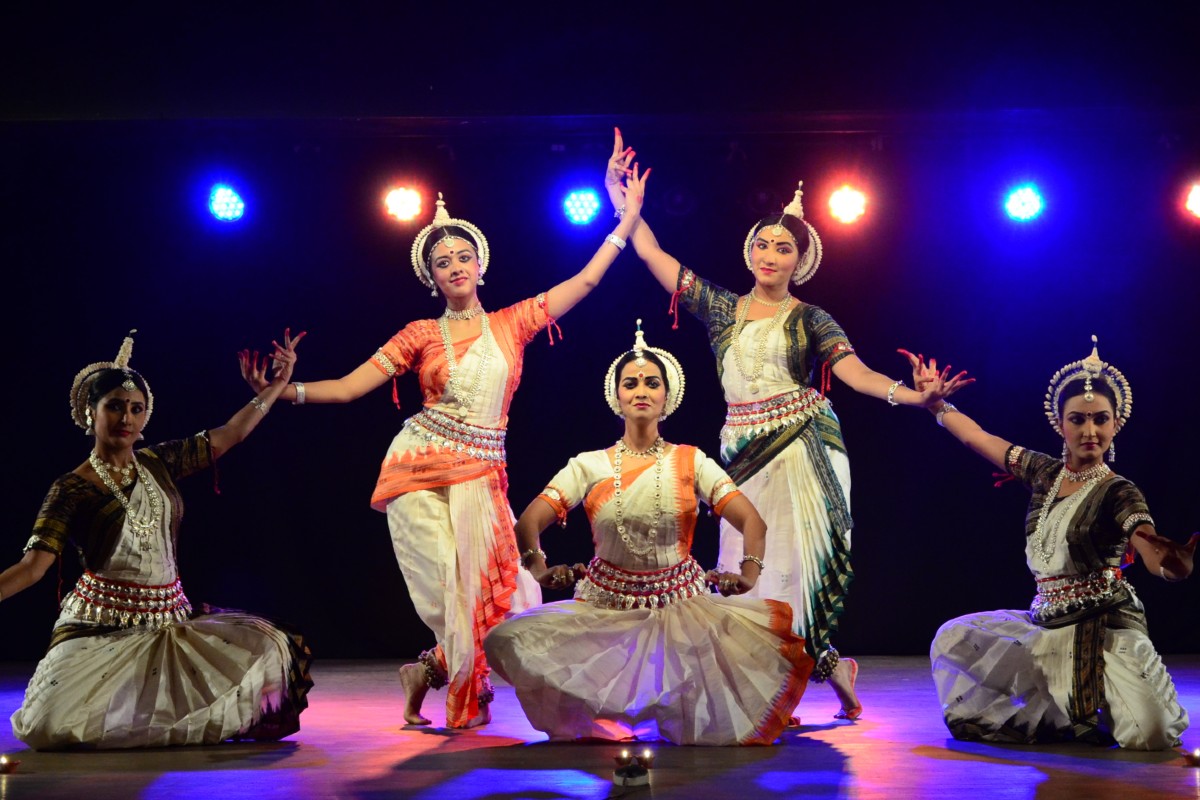
India, with its millennia-old civilization, boasts a rich tapestry of cultural expressions, and classical dance is among the most vibrant. Rooted in spirituality, mythology, and art, Indian classical dances are more than performances—they are storytelling mediums, vehicles of devotion, and reflections of regional identity. Guided by principles from the ancient Natya Shastra, these dance forms combine intricate gestures, rhythmic footwork, expressive storytelling, and elaborate costumes. Each style, while unique in technique and expression, embodies the essence of India’s cultural and spiritual heritage.
In this article, we explore the major classical dances of India and their distinctive characteristics.
1. Bharatanatyam — Tamil Nadu’s Sacred Dance
Bharatanatyam is one of the oldest classical dance forms, originating in Tamil Nadu. Traditionally performed in temples as an offering to deities, it combines devotional themes with sophisticated technique.
Key Features
-
Geometric and precise body movements
-
Graceful yet strong footwork
-
Elaborate hand gestures (mudras) and facial expressions (abhinaya)
-
Storytelling through sequences depicting gods, goddesses, and epics
Bharatanatyam dancers wear silk costumes with pleated fans enhancing movement, adorned with temple-inspired jewelry. It emphasizes discipline, balance, and spiritual expression.
2. Kathak — Northern India’s Story Dance
Kathak, derived from katha (story), originated in North India. Initially performed by storytellers (kathakars) narrating religious tales, it later evolved under Mughal influence into a refined court performance.
Highlights
-
Rapid footwork with rhythmic patterns (tatkars)
-
Spins (chakkars) and graceful body movements
-
Expressive gestures conveying narrative
-
Fusion of Hindu and Mughal aesthetics
Kathak is performed to Hindustani classical music and is prominent in both solo and group presentations, often telling tales from the Ramayana and Mahabharata.
3. Kathakali — Kerala’s Dance-Drama
Kathakali, from Kerala, is a visually dramatic dance-drama combining acting, martial arts, and dance. Known for its elaborate makeup and vibrant costumes, it enacts mythological stories.
Signature Elements
-
Intricate facial makeup (chutti)
-
Bold, exaggerated expressions and eye movements
-
Elaborate headgear and colorful attire
-
Martial-like gestures reflecting heroism or villainy
This form demands years of training in body control and expression. Performances usually narrate episodes from the Mahabharata and Ramayana with a combination of rhythm, acting, and storytelling.
4. Kuchipudi — Grace and Versatility from Andhra Pradesh
Originating in Andhra Pradesh, Kuchipudi combines dance, drama, and music. Traditionally performed by male Brahmins, it now features both male and female dancers.
Highlights
-
Quick footwork with fluid transitions
-
Combination of narrative storytelling and rhythmic patterns
-
Solo and ensemble presentations
-
Signature pieces include dancing on a brass plate
Kuchipudi reflects both vigor and elegance, often portraying stories of Krishna, Shiva, and other mythological figures.
5. Odissi — The Temple Dance of Odisha
Odissi, emerging from Odisha’s temple traditions, is known for its lyrical, flowing movements and sculptural poses inspired by temple carvings.
Distinctive Traits
-
Tribhangi posture (three-part body bend)
-
Smooth, lyrical movements
-
Expressive facial gestures conveying devotion
-
Use of silver jewelry and elaborate headgear (tahia)
Odissi dancers often depict stories of Lord Jagannath, Krishna, and Radha, emphasizing grace and spiritual devotion.
6. Manipuri — The Devotional Dance of Northeast India
Manipuri, from the state of Manipur, emphasizes devotional and gentle movements. It is deeply connected to Vaishnavism and the Raslila of Krishna and Radha.
Key Features
-
Soft, flowing movements and gentle footwork
-
Circular, gliding motions
-
Spiritual and narrative emphasis rather than dramatic expressions
-
Elegant costumes with stiff skirts for female dancers
Manipuri reflects the serenity, grace, and devotion characteristic of northeastern Indian culture.
7. Mohiniyattam — Kerala’s Dance of the Enchantress
Mohiniyattam, meaning “dance of the enchantress,” is a feminine, graceful dance from Kerala. It narrates stories of love, devotion, and mythology with gentle, swaying movements.
Highlights
-
Soft, flowing motion and delicate footwork
-
Use of lasya (graceful feminine energy)
-
White-and-gold traditional costume
-
Expressive hand gestures and facial expressions
Mohiniyattam captures elegance, softness, and the charm of Kerala’s cultural heritage.
8. Sattriya — Assam’s Monastic Dance Tradition
Sattriya, originating in Assam’s Vaishnavite monasteries (sattras) founded by Srimanta Sankardeva, is both devotional and dramatic.
Key Traits
-
Narratives centered on Krishna and Vaishnavism
-
Graceful hand gestures and expressive storytelling
-
Traditional Assamese music accompaniment
-
Costumes reflecting Assamese culture
Sattriya was initially performed by monks, but today it has gained recognition as a major classical dance form across India.
The Cultural Importance of Classical Dance
Indian classical dances are more than performance arts; they are carriers of culture, philosophy, and spirituality. Each form serves to:
-
Preserve regional identity and heritage
-
Teach moral and spiritual lessons through storytelling
-
Connect performers and audiences to mythology and religion
-
Offer a disciplined practice for physical, mental, and emotional growth
Beyond tradition, classical dances continue to inspire contemporary choreography, theater, cinema, and fusion performances worldwide.
Conclusion
India’s classical dances—Bharatanatyam, Kathak, Kathakali, Kuchipudi, Odissi, Manipuri, Mohiniyattam, and Sattriya—reflect the country’s diverse cultural landscape. Each dance offers a unique blend of technique, expression, storytelling, and spirituality, rooted in centuries of tradition. Whether performed in temples, theaters, or cultural festivals, these dances preserve India’s artistic heritage while continually inspiring modern audiences and dancers across the globe.
Indian classical dance remains a living, evolving art form—connecting the past to the present, tradition to innovation, and humanity to the divine.
Read Also: Keep your face towards the sunshine and shadows will fall behind you
Watch Also: https://www.youtube.com/@TravelsofTheWorld24





Leave a Reply