
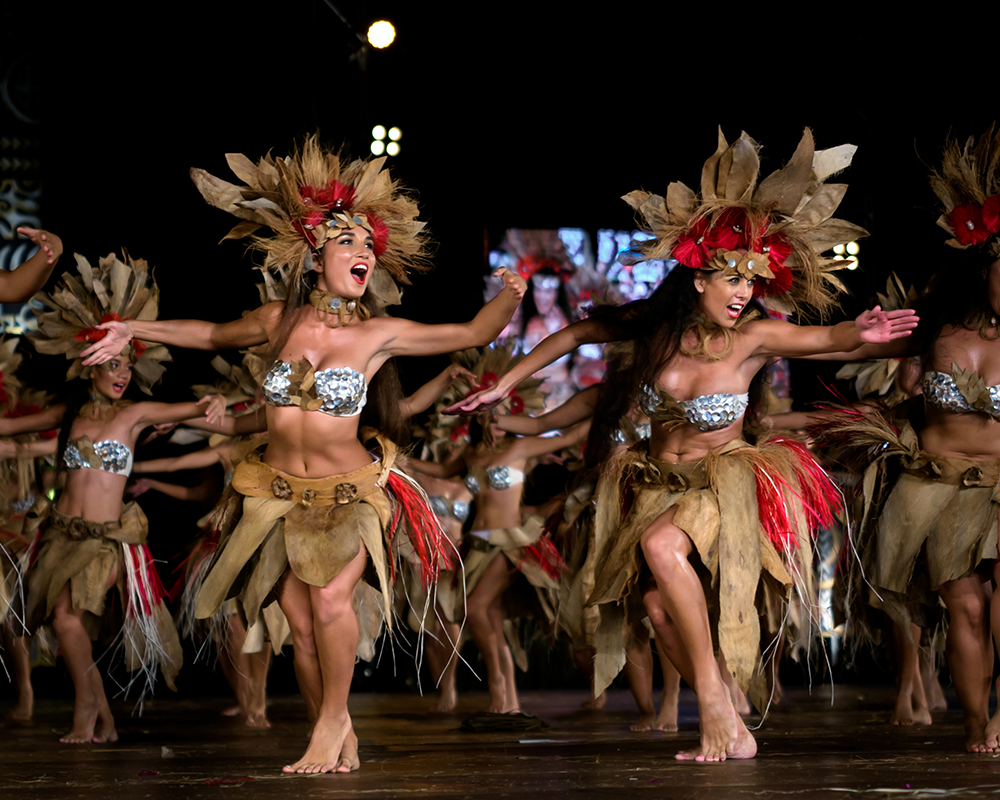
Tahiti, the heart of French Polynesia, is a place where culture is not only preserved—it is lived, breathed, and celebrated in every corner of island life. Traditional dance and cultural events play a central role in defining the Tahitian identity. Bright costumes, thunderous drums, graceful gestures, and powerful chants reveal the soul of a community deeply connected to its ancestors and natural surroundings. For Tahitians, dance is not merely entertainment; it is a way to honor history, celebrate unity, and express spirituality. To fully appreciate the cultural richness of Tahiti, one must explore its traditional dances and the vibrant events where these art forms come alive.
The Heartbeat of Tahiti: Ori Tahiti
The most iconic dance of Tahiti is Ori Tahiti, a dynamic and expressive art form known worldwide for its fast hip movements, strong rhythms, and meaningful gestures. It is both ancient and evolving, carrying the stories of generations.
Ori Tahiti is built on two foundations:
-
Tāmau – rhythmic hip movements that follow the drumbeat
-
Fa’arapu – extremely fast circular hip motions, often performed by women
Men typically perform bold, warrior-like movements—jumps, stamps, and powerful gestures—while women embody fluidity and grace.
Historically, Ori Tahiti communicated emotions, legends, and events in a time when Polynesian societies did not use written language. Though it was once suppressed by missionaries in the 19th century, it re-emerged stronger than ever in the 20th century and now stands as a proud symbol of Tahitian culture.
The Power of Drums in Tahitian Performance
Behind every Tahitian dance lies the thunderous voice of the drums. These traditional instruments bring life to each performance and guide every movement. The main drums include:
-
To’ere – a wooden slit drum producing sharp, fast beats
-
Pahu – a large bass drum made from sharkskin
-
Fa’atete – a smaller drum with crisp tones
Drummers are as important as the dancers. Their rhythms set the pace, build tension, and create dramatic transitions. The communication between drummer and dancer is deeply intuitive, forming the heartbeat of every cultural celebration.
Aparima: The Art of Storytelling with Hands
In contrast to the powerful energy of Ori Tahiti, Aparima is soft and poetic. The name means “gesture of the hands,” and this dance focuses on graceful hand movements used to narrate stories of love, legends, fishing, voyages, or daily island life.
Performed to songs rather than drums, Aparima blends elegance with emotion. The dancers’ facial expressions, flowing costumes, and gentle steps create a visual storybook that captures the imagination of audiences. This dance reflects Tahiti’s deep artistic sensitivity and spiritual connection to its environment.
The Costumes: A Celebration of Nature
Tahitian dance costumes are breathtaking works of art crafted from natural materials. These outfits are more than decorative—they carry cultural symbolism.
Traditional costumes often include:
-
More skirts made from bark or plant fiber, famous for their ability to accentuate fast hip movements
-
Hei (flower crowns) made from colorful blooms like tiare and hibiscus
-
Shell necklaces, feathers, and coconut fiber accessories showcasing craftsmanship
The preparation of these costumes is a communal activity. Families and villages gather to weave, sew, and decorate each piece, transforming costume-making into an event of cultural pride and togetherness.
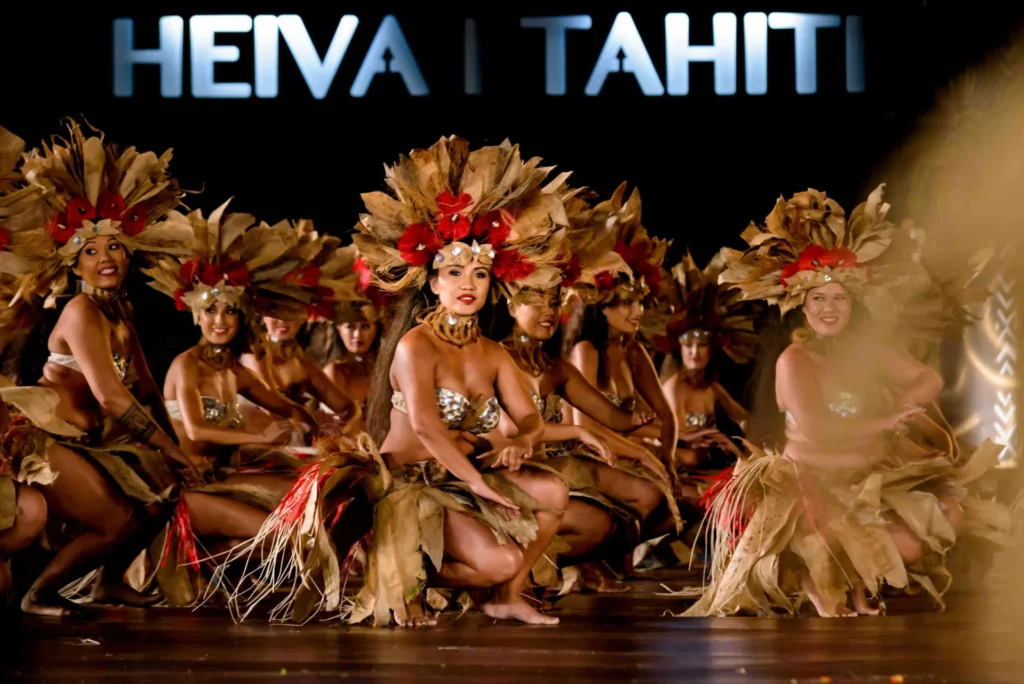
Heiva i Tahiti: The Ultimate Cultural Festival
The greatest celebration of Tahitian dance and culture is the Heiva i Tahiti, held every July. Known as one of the oldest and most spectacular cultural festivals in the Pacific, Heiva merges competition, artistry, and tradition.
During Heiva, groups from all over the islands compete in:
-
Dance performances
-
Choral singing (Himene)
-
Traditional sports
-
Canoe races
-
Firewalking and stone lifting
The dance competitions are the heart of the festival. Thousands of performers rehearse for months, preparing elaborate choreographies based on myths, historical events, or philosophical themes. The result is an explosion of color, movement, and emotion that celebrates the spirit of Tahitian culture.
Heiva is more than entertainment—it is a communal reaffirmation of identity, heritage, and pride.
Smaller Local Festivals and Community Traditions
While Heiva is the biggest event, Tahiti hosts many smaller celebrations throughout the year. These include:
1. Traditional Weddings and Ceremonies
Filled with dance, music, and blessings, Tahitian weddings honor ancestral customs. The couple often wears crowns of flowers, and Ori Tahiti is performed as a symbol of unity and love.
2. Island Nights (Tamari’i or Private Shows)
Resorts and villages frequently host evening shows featuring Ori Tahiti, fire dancing, and storytelling. These events introduce visitors to the richness of island culture.
3. Cultural Workshops and Heritage Days
Local communities organize workshops where people learn traditional weaving, tattooing, drumming, and dance. These programs help preserve traditions for future generations.
Dance as a Living Expression of Identity
Traditional dance in Tahiti is not limited to festivals—it is woven into everyday life. Children learn the basics of Ori Tahiti in school, families practice together at home, and villages support dance groups with pride. Dance strengthens community bonds, teaches discipline, and transmits values like respect, resilience, and gratitude.
For many, it is also a form of emotional expression and healing. The rhythm of the drums energizes the body, while the gestures allow dancers to share feelings and connect with their heritage.
A Cultural Legacy for the Future
As Tahiti evolves, so does its dance culture. Modern choreographers explore innovative shapes and formations while staying rooted in ancestral values. Costume designers introduce new textures and colors, and musicians experiment with blending traditional and contemporary sounds.
Yet, the foundation remains unchanged—Tahitian dance is an identity, a language, and a celebration of the soul of the islands.
Read Also: Keep your face towards the sunshine and shadows will fall behind you
Watch Also: https://www.youtube.com/@TravelsofTheWorld24





Leave a Reply