
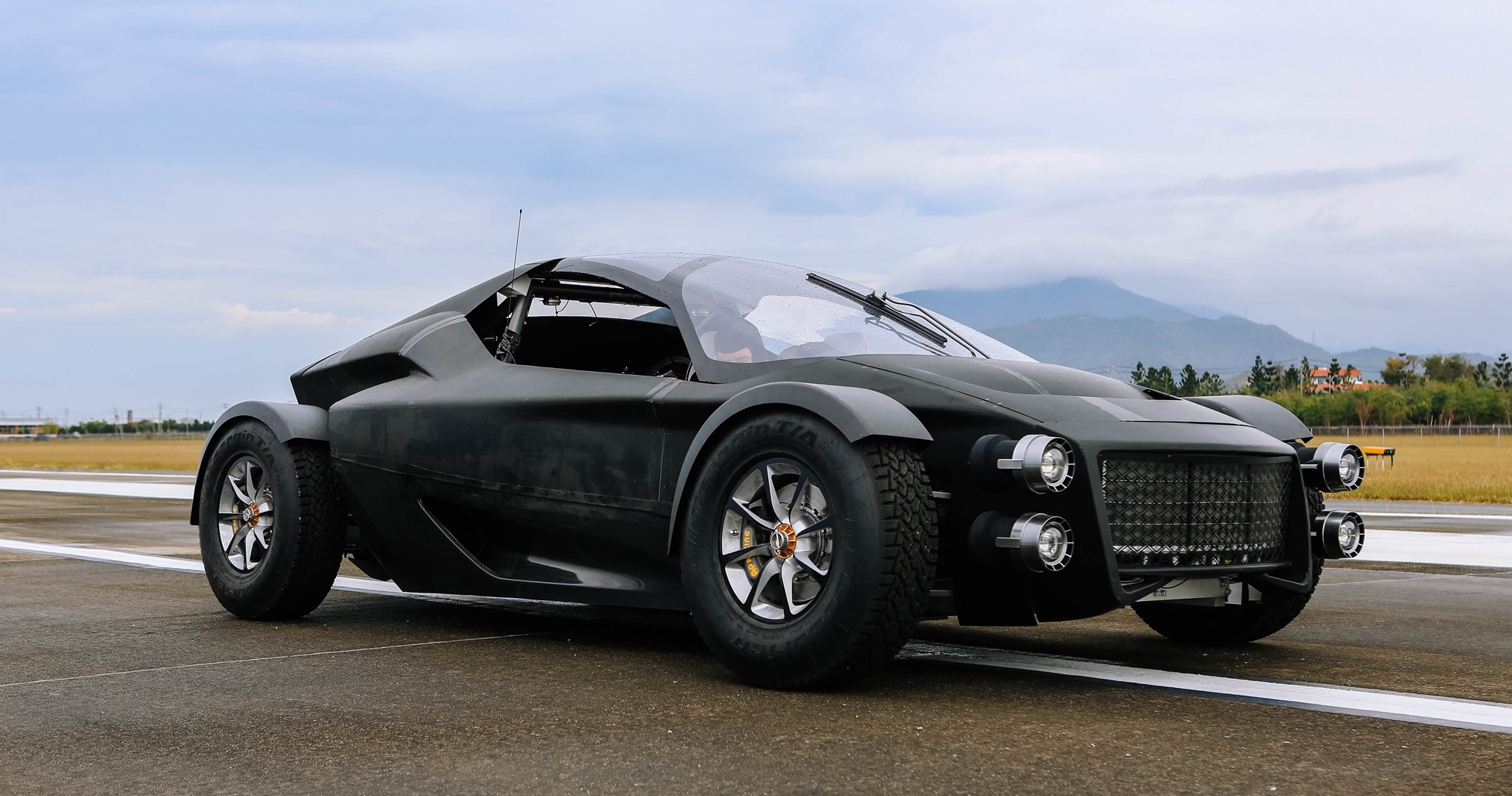
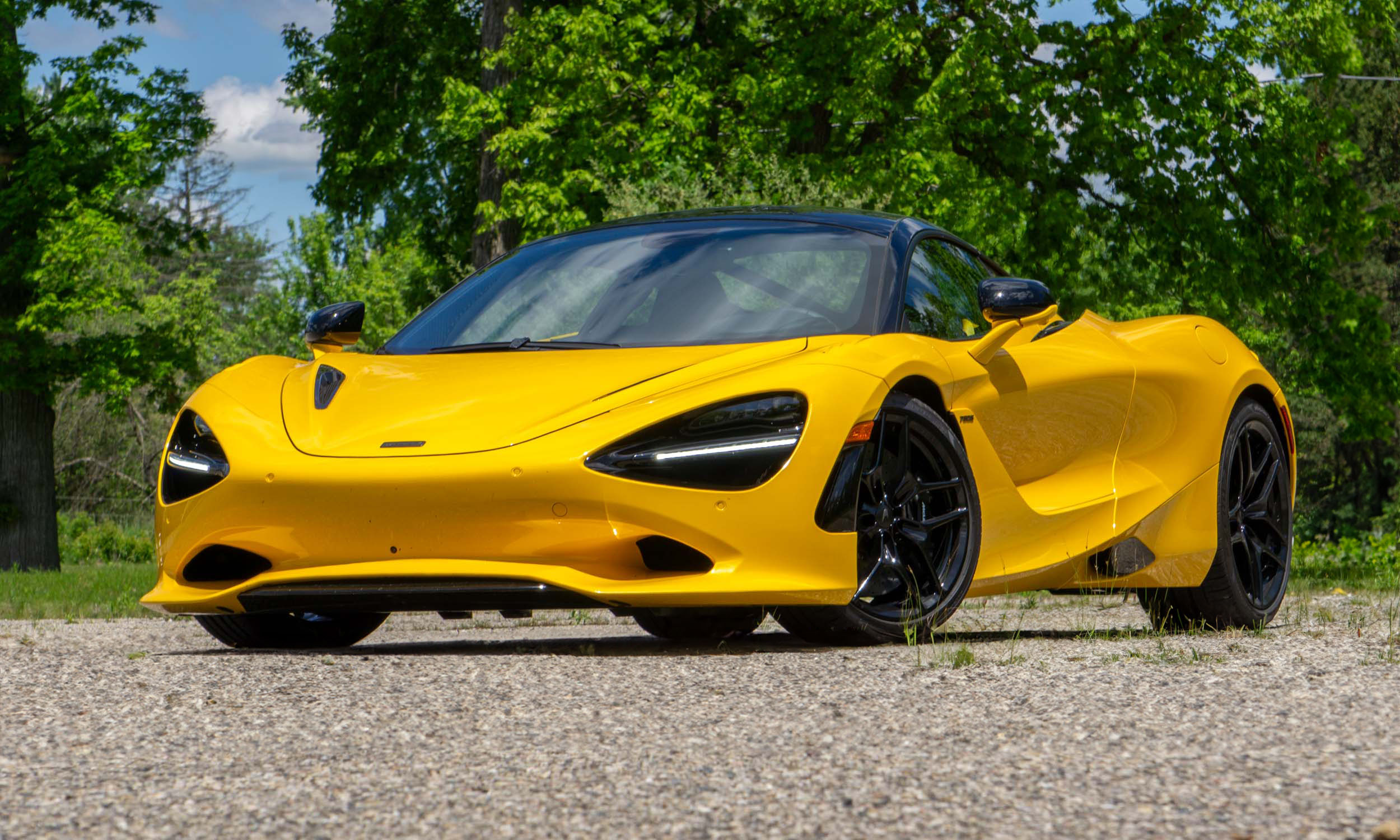
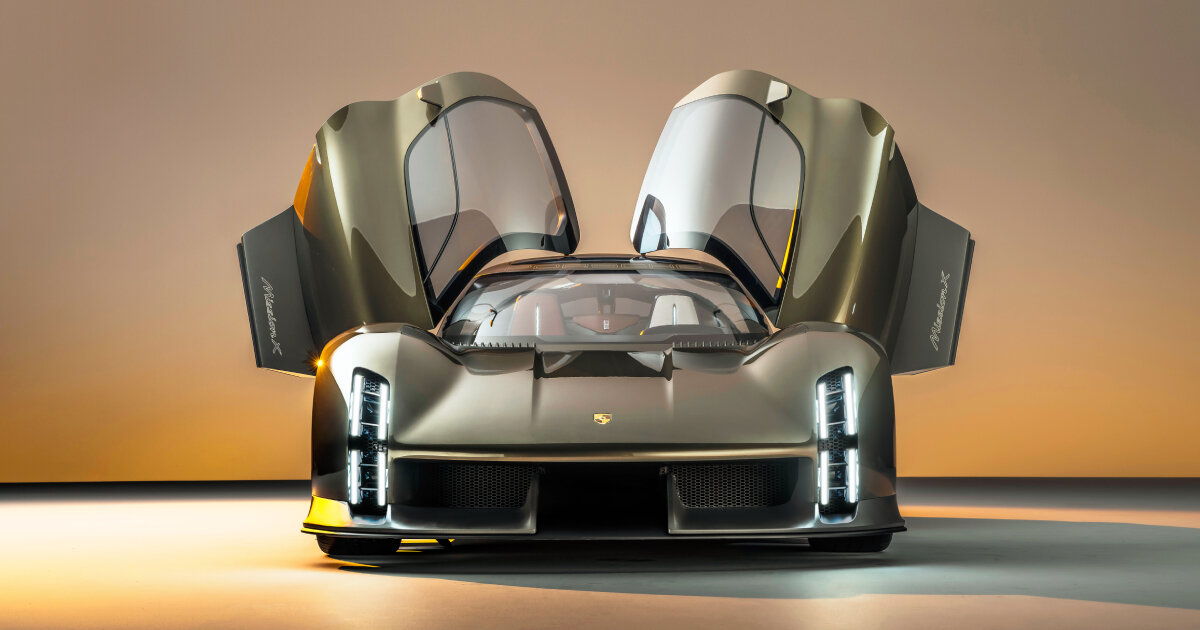
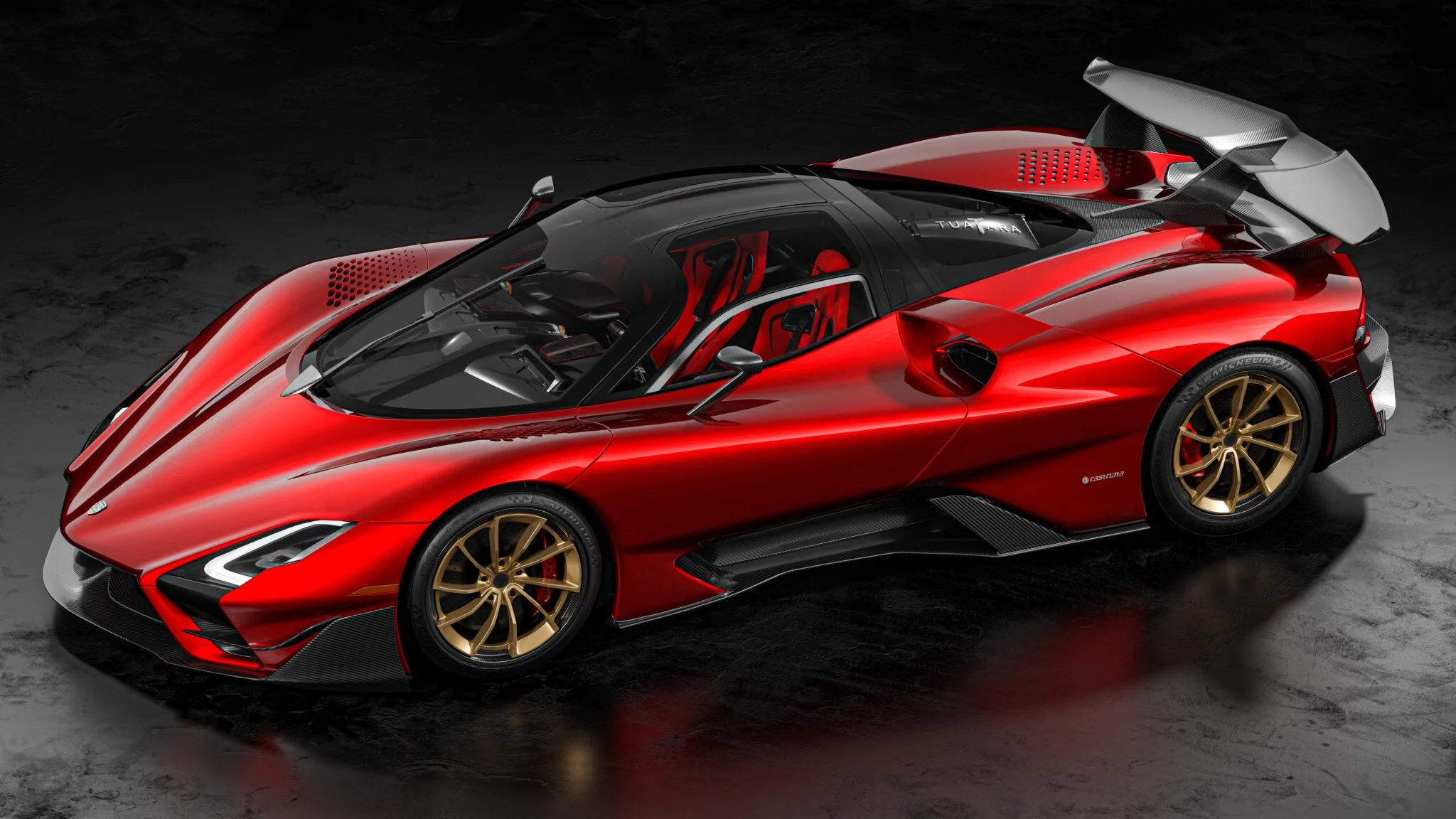
In an era when most cars on the road are built for practicality — commuting, errands, comfort, and convenience — hypercars stand in stark contrast. They are not designed primarily for practicality. Instead, they exist to push boundaries: of engineering, art, performance, design philosophy, exclusivity. To say a hypercar “changes the way you think about cars” is not hyperbole — it demands a re‑assessment: a shift from the everyday view of automobiles as mere transport to a recognition of the car as art, as experience, as an expression of ambition.
Hypercars combine the extremes of technology, materials, performance and design in ways that redefine what a “car” can be. They remind us: cars can be not only utilitarian machines, but also sculptures, mechanical poems, engineering manifestos, and cultural artifacts.
What Defines a Hypercar — Beyond “Fast Car”
The term “hypercar” is often used to describe the highest‑performance machines produced for the road (or at least road‑legal) — beyond what “supercars” represent.
Here are the core traits that elevate a car into hypercar territory:
-
Extreme performance and engineering ambition — Hypercars typically produce power far beyond ordinary cars, delivering bursts of acceleration, blistering top speeds, and handling precision.
-
Use of exotic, advanced materials & cutting‑edge technology — To achieve the combination of strength, lightness, and resilience required for such performance, hypercars often employ materials such as carbon fiber, titanium, advanced composites, premium alloys, and bespoke engineering solutions.
-
Aerodynamics and design sophistication — Hypercars are shaped not just for aesthetics, but for performance: streamlined bodies, active aerodynamics or optimized airflow, low drag coefficients and enhanced downforce all help extract maximum performance.
-
Exclusivity, rarity and limited production — Hypercars are rarely mass-produced. They are often built in small numbers, sometimes even bespoke or one-off. This rarity adds to their mystique and value.
-
Hierarchy above “normal cars” and “supercars” — While supercars already push performance and desirability, hypercars represent the extreme — the bleeding‑edge of automotive possibility.
These elements combine to make hypercars more than just high‑end cars: they become testaments to what humans can build when cost, convenience and compromise are secondary to ambition, creativity and engineering excellence.
A Case in Point: Pagani Huayra — What It Embodies
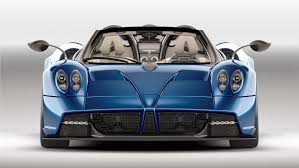
While many vehicles can claim to be “fast” or “powerful,” few manage to embody the full hypercar ethos. The Pagani Huayra is one such car — and through it, we can see what hypercars can symbolize.
-
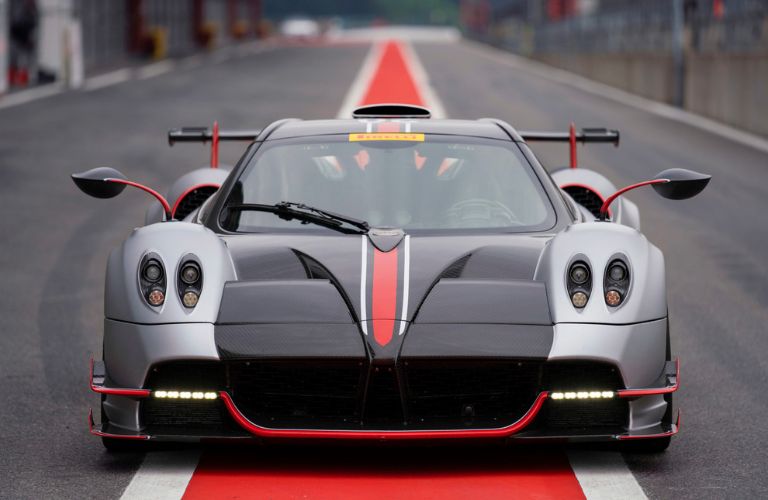
The maker of the track‑only variant Pagani Huayra R describes it as “sculpted in performance,” combining “the highest level of automotive engineering and aerodynamic know‑how with unprecedented aesthetic sensitivity.”
-
This hypercar is built around a powerful engine (in Huayra R’s case, a high‑revving V12‑R, for track use), ultra light construction (just ~ 1,050 kg for the R), and a chassis designed to extract maximum performance.
-
Its bodywork, aerodynamics, materials and mechanical components reflect a level of craftsmanship and design rarely seen outside of bespoke luxury items: the kind of cars that transcend mere transport.
In other words: the Huayra (and cars like it) don’t think of a car as “something to drive from A to B.” They think of it as a machine to experience — a statement, a moving sculpture, a visceral connection between driver, machine and road.
Why Hypercars Change the Way We Think About Cars — Broader Significance
1. Cars as Art & Craft, Not Just Tools
In everyday life, we treat cars as tools — a way to commute, run errands, move stuff, get people around. Utility, convenience, and practicality dominate. But hypercars challenge that conception. They re‑introduce the idea of the car as a crafted object — built with intent, detail, and aesthetic ambition.
As objects of design and engineering, hypercars highlight that cars can be elegant, expressive, sculptural — as deserving of admiration as a painting, a watch, or a piece of architecture. The materials, curves, finishes, mechanical symmetry — all convey artistry beyond function.
2. Engineering & Innovation at the Edge
Hypercars push boundaries: engineers test materials, aerodynamics, engine dynamics — essentially turning each hypercar into a rolling laboratory. They are often platforms for cutting‑edge automotive technology, previously relegated to racing prototypes or exotic concept cars.
This pressure to push limits spills over into mainstream automotive development: material science, aerodynamics, efficiency, safety advances — in some cases, lessons from hypercars trickle down into mass-market vehicles.
3. Exclusivity & Collectability — Cars as Heritage
Because hypercars are rare, often bespoke, and expensive, they become more than vehicles — they become coveted objects, collector’s items, heritage pieces. For those who value craftsmanship, uniqueness, and legacy, owning or even just admiring a hypercar becomes akin to owning a piece of automotive history.
In that sense, hypercars challenge the throwaway, mass‑production logic of modern auto industry. They reaffirm craftsmanship, scarcity, and legacy — and ask: what is value in a machine?
4. Experience Over Utility — Driving as Emotion
Driving (or riding) a hypercar isn’t about practicality. It’s about experience: speed, sound, interaction, sensations, aesthetic thrill, adrenaline. For many owners and enthusiasts, the value is emotional — the joy of driving becomes as important (or more) than the destination.
This shifts the perception of cars from mere transportation to emotional experiences, involving sensory, aesthetic, psychological dimensions.
5. Reimagining What a “Car” Can Be
Finally — hypercars expand the vocabulary of what cars can be. They are not simply “cars.” They can be art, experiments, statements, even symbols of human ambition, craftsmanship and possibility.
They challenge conventional categories like “economy car”, “family car”, “commuter”, “SUV” — by offering a radical alternative: the car as expression, not just transportation; the car as dream, not just mobility.
Trade‑offs & Realities — The Flip Side of the Hypercar Dream
Of course, hypercars are not without their trade‑offs. Their brilliance comes with costs — in various senses:
-
Limited practicality: hypercars often sacrifice comfort, fuel economy, interior space, practicality for speed and performance. Not ideal for daily commuting.
-
High cost: manufacture, maintenance, materials, insurance — everything is expensive. They’re accessible only to a small elite.
-
Fragility / Sensitivity: because they rely on advanced materials and fine‑tuned mechanics, hypercars often require careful maintenance, ideal conditions, and specialist knowledge.
-
Exclusivity means separation: hypercars are often symbols of wealth, status, and privilege — which can make them aspirational, but also distant and unrelatable for many.
-
Not always “useful”: in many cases, the hypercar’s potential (top speed, racetrack performance) can never be fully realized in everyday use — making them more objects of admiration than practical machines.
These trade‑offs expose a deeper tension: between aspiration and utility, between beauty and practicality, between exclusivity and accessibility.
Why We Still Need Hypercars — Their Cultural Role
Given their limitations, one might ask: why bother with hypercars? But perhaps — because of their limitations — hypercars matter even more. Here’s why:
-
They preserve the idea of desire, craft, and ambition in a world dominated by mass‑production.
-
They push technological boundaries, often leading to innovations that influence mainstream automotive engineering in the long run.
-
They act as cultural artifacts, capturing a moment in automotive history when speed, design, and engineering were pushed to extremes.
-
They remind us of human creativity, risk, and luxury — that machines can be beautiful, expressive, emotional, not only functional.
-
They stand as inspirations: for designers, engineers, enthusiasts — showing what is possible when limits are challenged.
In this sense, hypercars aren’t just about cars — they are about human ambition and imagination, about what we value when practical constraints are set aside.
Conclusion — A New Lens on Automobiles
When we talk about a “car,” we usually imagine something useful: a tool, a utility, a means to an end. But hypercars force us to shift that lens: to see cars as potential art forms, as feats of human ingenuity, as emotional objects, as memories in motion.
They’re not for everyone — practically or financially. But their existence matters. They challenge norms, push boundaries, and expand imagination. They ask: what could a car be if money, regulations, and practicality weren’t the primary constraints?
Through hypercars like the Pagani Huayra (and its ferocious variants), we see not just a machine set to break speed records — but a statement: that cars can be beautiful, radical, expressive, almost alive.
In short: hypercars can change the way you think about cars. They remind us that mobility can also be art; speed can also be poetry; engineering can be emotion.
Read Also: Keep your face towards the sunshine and shadows will fall behind you
Watch Also: https://www.youtube.com/@TravelsofTheWorld24






Leave a Reply