
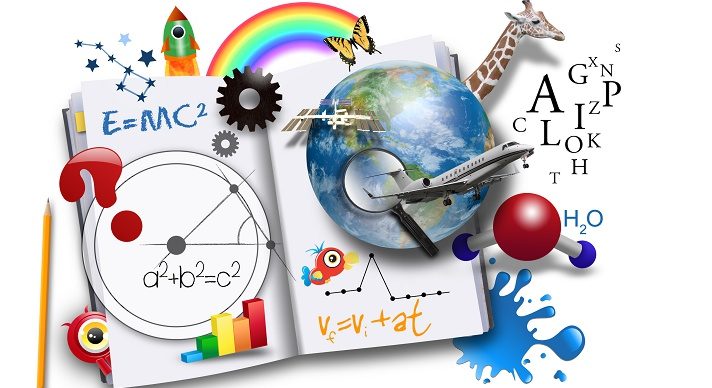
Science is an essential subject that nurtures curiosity, critical thinking, and problem-solving skills in young learners. For second graders, developing a strong understanding of scientific concepts lays the groundwork for future learning in STEM subjects. The Acellus Learning System offers an engaging, structured, and interactive platform for teaching Grade 2 Science, making learning both effective and enjoyable.
This article explores how the Acellus Learning System supports Grade 2 Science education, its benefits, key topics covered, and strategies for maximizing student engagement.
1. Understanding the Acellus Learning System
The Acellus Learning System is a comprehensive online educational platform that provides courses for students from elementary to high school levels. It uses a combination of video instruction, interactive exercises, assessments, and real-world examples to help students master concepts in a step-by-step manner.
Key Features:
-
Engaging Video Lessons: Short, animated videos explain concepts clearly with examples students can relate to.
-
Interactive Exercises: Students participate in quizzes, simulations, and hands-on activities to reinforce learning.
-
Self-Paced Learning: Children can progress at their own speed, reviewing difficult topics as needed.
-
Progress Tracking: Teachers and parents can monitor performance, identifying strengths and areas needing improvement.
-
Gamified Learning: Badges and rewards motivate students to complete lessons and excel.
Acellus makes science accessible and exciting for Grade 2 learners by combining multimedia resources with interactive experiences.
2. Importance of Grade 2 Science Education
At the second-grade level, science introduces students to the natural world and basic scientific principles. Key benefits include:
-
Developing Curiosity: Encourages children to ask questions about the world around them.
-
Building Critical Thinking Skills: Students learn to observe, analyze, and make predictions.
-
Understanding Cause and Effect: Experiments teach students how actions lead to observable outcomes.
-
Promoting Hands-On Learning: Activities like plant observation, simple experiments, and nature exploration solidify understanding.
-
Laying the Foundation for STEM: Early exposure to science concepts fosters interest in technology, engineering, and mathematics.
Using platforms like Acellus ensures that these skills are taught effectively, engaging students with both visuals and interactive exercises.
3. Core Topics in Grade 2 Science
The Grade 2 Science curriculum in the Acellus Learning System covers essential topics that are age-appropriate and foundational. These include:
a. Life Science
-
Plants and Animals: Understanding basic plant structures, life cycles, and animal habitats.
-
Human Body Basics: Introduction to organs, senses, and bodily functions.
-
Food Chains and Ecosystems: Simple explanations of how plants and animals depend on each other.
b. Earth and Space Science
-
Weather and Seasons: Learning about sun, rain, clouds, and seasonal changes.
-
Rocks and Soil: Exploring different types of rocks and soil, and their uses.
-
Day and Night, Sun and Moon: Basic astronomy concepts to understand celestial patterns.
c. Physical Science
-
Matter and Materials: Solids, liquids, gases, and changes in states of matter.
-
Forces and Motion: Introduction to push, pull, gravity, and movement.
-
Energy Basics: Simple discussions about light, sound, heat, and electricity.
d. Scientific Skills
-
Observation: Students learn to notice details in experiments or nature.
-
Experimentation: Simple hands-on activities teach methodical approaches.
-
Recording and Analysis: Recording results through drawings or basic charts.
-
Asking Questions: Encourages curiosity and critical thinking.
By covering these topics interactively, Acellus ensures that students not only memorize facts but also understand concepts deeply.
4. How Acellus Enhances Learning for Grade 2 Science
a. Interactive Lessons
Instead of passive reading, Acellus uses animations and simulations to explain concepts. For example, students can see the water cycle in motion or simulate how magnets attract objects, making abstract ideas tangible.
b. Self-Paced Progression
Students can move quickly through topics they grasp easily and spend extra time on challenging concepts. This personalized approach supports different learning speeds and styles.
c. Immediate Feedback
Interactive quizzes and exercises provide instant feedback, helping students identify mistakes and correct them in real time.
d. Multimedia Integration
Videos, diagrams, animations, and sounds cater to different learning styles, whether visual, auditory, or kinesthetic.
e. Gamification
Badges, points, and progress trackers motivate students, making science lessons enjoyable while encouraging consistent learning.
5. Tips for Maximizing Engagement with Acellus Science
-
Create a Dedicated Learning Space: A quiet, organized area helps students focus during video lessons and activities.
-
Encourage Hands-On Activities: Complement digital lessons with simple experiments at home or school.
-
Involve Parents and Teachers: Discuss concepts learned in Acellus sessions to reinforce understanding.
-
Regular Review: Periodically revisit previous lessons to strengthen retention.
-
Set Goals and Rewards: Use the platform’s badges and points as motivation to complete modules.
-
Combine With Real-World Observation: Encourage children to observe plants, weather patterns, or daily phenomena, linking them to lessons.
6. Benefits for Teachers and Schools
-
Simplified Curriculum Management: Acellus provides ready-made lessons and assessments aligned with learning standards.
-
Progress Monitoring: Teachers can track each student’s performance, allowing targeted interventions.
-
Time Efficiency: Pre-made, interactive lessons reduce preparation time for teachers.
-
Engagement Tools: Videos, quizzes, and activities make lessons more appealing and memorable.
Schools adopting Acellus for Grade 2 Science often notice increased student engagement, improved understanding, and greater enthusiasm for science.
7. Examples of Engaging Grade 2 Science Lessons
-
Plant Life Cycle Animation: Students watch seeds germinate and grow into mature plants, learning each stage visually.
-
Weather Simulation: Animated clouds, rain, and temperature changes teach seasonal patterns and the water cycle.
-
Simple Machines Exploration: Video lessons demonstrate levers, pulleys, and inclined planes, followed by hands-on activities using everyday materials.
-
Magnet Experiments: Students explore magnetic forces using virtual simulations and physical magnets to observe attraction and repulsion.
-
Human Senses Activity: Interactive exercises help students identify the five senses and their functions in daily life.
These lessons integrate theory, visuals, and practical engagement, making learning memorable.
8. Preparing Students for Future STEM Learning
Grade 2 Science in the Acellus Learning System does more than teach facts—it builds the foundation for lifelong learning:
-
Critical Thinking: Asking “why” and “how” fosters problem-solving skills.
-
Scientific Inquiry: Simple experiments teach observation, hypothesis, and testing.
-
Interdisciplinary Knowledge: Connections between science, math, and technology prepare students for advanced STEM courses.
-
Confidence in Learning: Interactive and hands-on lessons build a positive attitude toward science.
By nurturing curiosity and analytical thinking at an early age, students develop the skills necessary for future academic success.
9. Conclusion
Grade 2 Science is a crucial stage for developing curiosity, critical thinking, and a love for learning. The Acellus Learning System provides an innovative, interactive, and flexible platform to teach science effectively, combining video lessons, interactive exercises, and real-world applications.
Through engaging lessons on life science, physical science, and earth and space science, students gain foundational knowledge while learning how to observe, analyze, and experiment. The platform’s self-paced design, multimedia resources, and gamification motivate learners, making science both educational and fun.
Teachers and parents benefit from structured guidance, progress tracking, and ready-made resources, allowing them to support students efficiently. By incorporating Acellus into Grade 2 Science education, schools can inspire curiosity, build strong scientific foundations, and cultivate lifelong learners ready to explore the wonders of the natural world.
A well-structured science curriculum at this early stage ensures that students approach future STEM subjects with confidence, creativity, and enthusiasm. The Acellus Learning System turns the science classroom into an interactive, stimulating environment where learning comes alive.
Read Also: Keep your face towards the sunshine and shadows will fall behind you
Watch Also: https://www.youtube.com/@TravelsofTheWorld24









Leave a Reply