
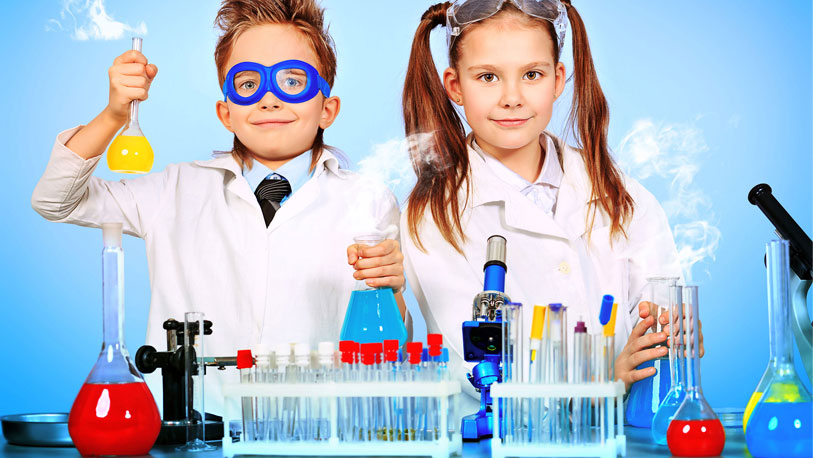
Science is one of the most exciting and important subjects that primary school pupils learn. At this early stage, science is not about complicated formulas or complex theories. Instead, it is about curiosity, exploration, observation, and discovering how the world works. For young learners, science opens the door to understanding nature, everyday objects, simple machines, plants, animals, the weather, and much more. It helps them build a mindset of asking questions and seeking answers—skills that stay with them throughout life.
Science for primary school pupils is designed to be simple, practical, and enjoyable. It encourages them to think like young scientists, even if they do not yet realize it. Through small experiments, hands-on activities, and classroom discussions, children begin to understand that science is all around them, shaping their daily experiences.
1. The Meaning of Science for Young Learners
For primary school pupils, science can be described as the study of the world around us. It involves exploring:
-
Living things (plants, animals, humans)
-
Non-living things (rocks, soil, water, air)
-
Weather and seasons
-
Materials like wood, plastic, glass, and metal
-
Simple machines (levers, wheels, pulleys)
-
Forces such as push and pull
-
Basic health and hygiene
Science teaches children that everything they see, touch, hear, and feel has a reason behind it. They begin to understand that the world is full of patterns, changes, and connections. The purpose of primary science is to give pupils a foundation of knowledge and skills that they can build on as they grow older.
2. Why Science Is Important for Primary Students
Science in primary school is not just about gaining knowledge. It plays a much larger role in shaping how children think, behave, and understand their surroundings. Here are a few major reasons why science is so important at this stage:
a. Encourages Curiosity
Children naturally ask questions like “Why is the sky blue?” or “How do plants grow?” or “What makes a ball bounce?” Science helps them explore the answers. This curiosity leads to learning and discovery.
b. Develops Critical Thinking
Science teaches pupils to observe carefully, think logically, and form opinions based on evidence. These skills are important in every subject and in daily life.
c. Builds Problem-Solving Skills
In science, pupils learn to test ideas, make predictions, try different solutions, and identify what works best. This helps them become better problem solvers.
d. Connects with Real Life
Whether it is understanding healthy eating, weather changes, or why soap cleans hands, primary science has direct practical use. It makes learning meaningful.
e. Supports Other Subjects
Science strengthens mathematical skills (like counting, measuring) and language skills (explaining, describing). It also encourages teamwork and communication.
f. Prepares for Future Learning
A strong foundation in primary science helps pupils succeed in later grades where the subject becomes more detailed and challenging.
3. The Way Science Is Taught in Primary Schools
Primary science focuses on learning through doing. Teachers usually use fun and interactive methods, including:
a. Simple Experiments
These activities help pupils understand scientific ideas in a practical way. For example:
-
Mixing colors
-
Watching seeds grow
-
Testing which objects float or sink
-
Observing melting ice
-
Measuring shadows during the day
Simple experiments help children see that science is not magic—it is about real processes that can be tested and observed.
b. Hands-On Activities
Children learn by touching, building, sorting, and exploring. Activities like planting flowers, identifying insects, or making simple machines keep students interested.
c. Observations
Teachers encourage pupils to observe clouds, weather, plant growth, or how materials change. Observation helps young learners develop an eye for detail.
d. Asking and Answering Questions
Teachers often guide children with questions like:
-
“What do you think will happen?”
-
“Why did this change?”
-
“How can we test this idea?”
This builds reasoning and thinking skills.
e. Use of Visual Aids
Pictures, diagrams, videos, models, and charts make scientific concepts easier to understand.
f. Outdoor Learning
Science is naturally connected to the environment. Going outside to look at plants, insects, soil, or clouds makes lessons more enjoyable and meaningful.
g. Group Work
Pupils often work in teams during experiments. This strengthens cooperation, communication, and problem-solving skills.
4. Main Scientific Topics for Primary Students
Primary science covers a variety of topics, but all of them are kept simple and age-appropriate. Here are some of the main areas:
a. Living Things
Children learn about:
-
Parts of plants
-
How plants grow
-
Human body parts and senses
-
Needs of living things (food, water, air)
-
Habitats of animals
-
Life cycles (such as a butterfly or frog)
These lessons teach pupils how life functions and how living organisms depend on each other.
b. Materials and Matter
Pupils explore different materials and their properties:
-
Hard or soft
-
Transparent or opaque
-
Waterproof or absorbent
-
Rough or smooth
They also learn simple ideas about heating, cooling, melting, freezing, and mixing.
c. Forces and Motion
Basic concepts such as:
-
Push and pull
-
Speed and direction
-
Gravity
-
Friction
These topics help children understand how things move.
d. Light and Sound
Pupils learn that:
-
Light travels in straight lines
-
Shadows form when an object blocks light
-
Sound is made by vibrations
These ideas lay the foundation for more advanced concepts later.
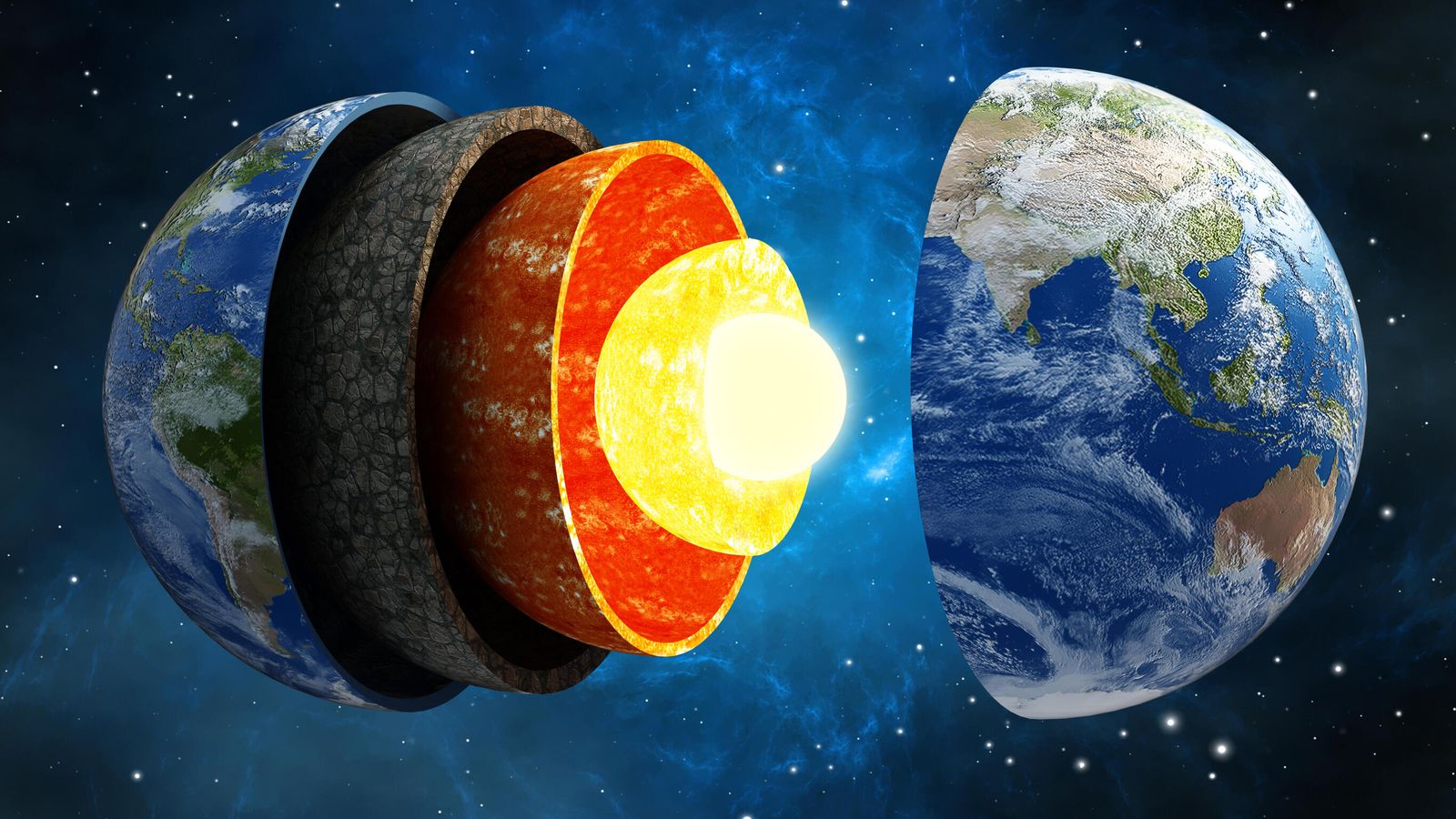
e. The Earth and Environment
Students explore:
-
Weather and seasons
-
Day and night
-
Soil and rocks
-
Importance of water
-
Environmental protection
This helps develop awareness and responsibility for nature.
f. Health and Hygiene
Children learn about:
-
Healthy eating
-
Cleanliness
-
Exercise
-
Safety rules
These lessons encourage good habits.
5. Skills Developed Through Primary Science
Primary science is not just about learning facts—it teaches valuable skills:
a. Observation
Pupils learn to notice details and changes.
b. Classification
They categorize things (living vs non-living, heavy vs light, etc.).
c. Measurement
They learn to measure length, weight, time, and temperature.
d. Predicting
Students guess what might happen during an experiment.
e. Recording
They draw pictures, write simple notes, or create charts.
f. Communication
Pupils learn to describe what they see and share what they learned with others.
These skills prepare them for higher grades and real-life challenges.
6. Making Science Fun and Meaningful for Pupils
Teachers and parents play an important role in helping children enjoy science. Some effective ways include:
-
Using everyday examples from home
-
Encouraging children to ask questions
-
Supporting small experiments in a safe environment
-
Visiting museums, science centers, or parks
-
Providing storybooks related to science
-
Watching educational science videos
-
Allowing children to explore nature
When learning is fun, children remember more and stay motivated.
Conclusion
Science for primary school pupils is a journey of discovery. It is not about memorizing big scientific terms but about understanding the world through curiosity and exploration. Through simple experiments, observations, and everyday experiences, children learn how things work, why changes happen, and how living and non-living things interact.
Primary science encourages young learners to think, ask questions, solve problems, and work together. It builds a strong foundation for future scientific learning and helps children develop important life skills. Most importantly, science teaches them that the world is full of wonders waiting to be explored—and that they already have the tools to begin the adventure.
Read Also: Keep your face towards the sunshine and shadows will fall behind you
Watch Also: https://www.youtube.com/@TravelsofTheWorld24






Leave a Reply