
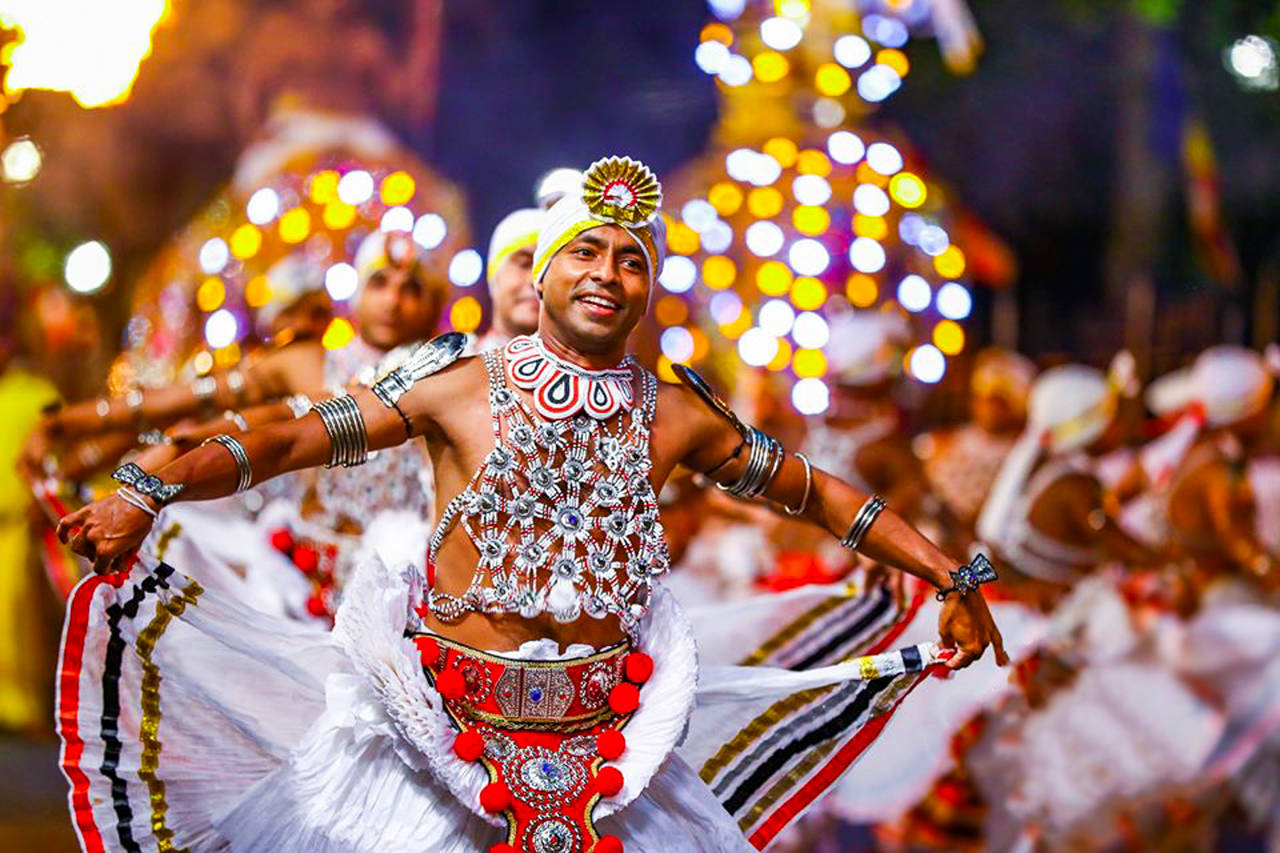
Sri Lanka, an island nation celebrated for its natural beauty and ancient heritage, has a cultural identity deeply rooted in dance. For centuries, Sri Lankan traditional dances have echoed through temple courtyards, royal courts, village ceremonies, and festive streets. These dances are not mere performances; they are expressions of faith, healing rituals, storytelling traditions, and artistic mastery passed down through generations. Blending graceful footwork, vibrant costumes, rhythmic drum patterns, and spiritual symbolism, Sri Lankan dances form a living treasure that continues to captivate audiences worldwide.
Among the wide range of dance forms practiced across the island, three major styles stand out as the pillars of traditional Sri Lankan performing arts: Kandyan Dance, Low Country Dance, and Sabaragamuwa Dance. Each originates from a specific region and carries unique movements, rhythms, and cultural meanings.
1. Kandyan Dance (Uda Rata Natum): The Dance of Kings
If one were to name the most iconic dance form of Sri Lanka, Kandyan Dance would surely take the crown—literally and symbolically. Originating from the hill capital of Kandy, this dance flourished in the royal courts of the Kandyan kings and remains the island’s national dance.
Origins and Purpose
Kandyan Dance traces its roots to ancient rituals such as the Kohomba Kankariya, a ceremonial performance believed to cleanse the land of misfortune and bring blessings from deities. Over time, the ritualistic act evolved into a sophisticated dance form performed during royal festivities, temple ceremonies, and cultural pageants.
Style and Movements
Kandyan Dance is known for:
-
Powerful leaps and circular spins
-
Dynamic chest and torso movements
-
Fast, graceful footwork
-
Undulating arm gestures reflecting energy and spirituality
The male dancers often perform acrobatic moves showcasing strength and agility, while female dancers embody grace with softer hand gestures and flowing choreography.
Costume and Music
Male dancers wear the traditional ves costume—a sacred, elaborate attire decorated with shimmering beads, silver breastplates, a towering headdress, and white layered cloth around the waist. The ves costume is considered so sacred that dancers must undergo a special initiation ceremony before wearing it.
Women wear elegant white or brightly colored garments adorned with sequins and silver ornaments.
The music is dominated by the Geta Beraya, a double-headed drum, accompanied by cymbals and temple flute. Its fast rhythms set the pace for energetic movements that elevate the performance into a spiritual experience.
2. Low Country Dance (Pahatharata Natum): Rituals of Healing and Spirits
Hailing from the southern coastal plains of Sri Lanka, Low Country Dance is known for its dramatic expression, elaborate rituals, and strong connection to ancient healing traditions. This dance form is deeply rooted in exorcism rituals, where performers invoke deities to dispel illnesses believed to be caused by malevolent spirits.
Origins and Purpose
Low Country Dance evolved as a part of rituals like the Devol Maduwa and Kolam, where dancers, healers, and drummers worked together to rid individuals or communities of supernatural afflictions. These rituals blend storytelling, prayer, humor, and dance into an immersive cultural experience.
Style and Features
This style is bold and theatrical, characterized by:
-
Dramatic facial expressions
-
Wide, grounded stances
-
Strong, rhythmic foot patterns
-
Masks representing gods, demons, and folklore characters
Low Country Dance is often performed during nighttime ceremonies, adding mystery and intensity to the performance.
Masks and Costumes
The striking feature of this dance is its extensive use of vibrant handcrafted masks. Each mask symbolizes a specific demon, deity, or cultural figure—such as the serene Maha Sohona, the fierce Gara Yaka, or the comical characters from the Kolam traditions.
Costumes include colorful layered garments, beadwork, and accessories that enhance the larger-than-life presence of the dancers.
Music
Drums such as the Yak Beraya and rattles called Thalampota accompany the dance. The rhythms are deep, fast, and hypnotic, aligning perfectly with the dramatic storytelling.
3. Sabaragamuwa Dance (Sabaragamuwa Natum): Graceful Rhythms of Devotion
Emerging from the Sabaragamuwa Province, this dance style is connected mainly to rituals honoring the deity Sumana Saman, the sacred guardian of Adam’s Peak (Sri Pada). Sabaragamuwa Dance is a blend of both the strength of Kandyan movements and the expressive storytelling of Low Country traditions.
Origins
The dance originated from Saman Devaraja Perahera, a procession performed to seek blessings of the deity. Over time, it evolved into a refined art celebrated throughout the region.
Movements and Aesthetic
Sabaragamuwa Dance is known for:
-
Graceful swaying motions
-
Rhythmic foot movements
-
Soft hand gestures
-
Controlled yet expressive choreography
Compared to the intensity of Low Country Dance, Sabaragamuwa performers bring a calming, devotional tone to the stage.
Costume and Music
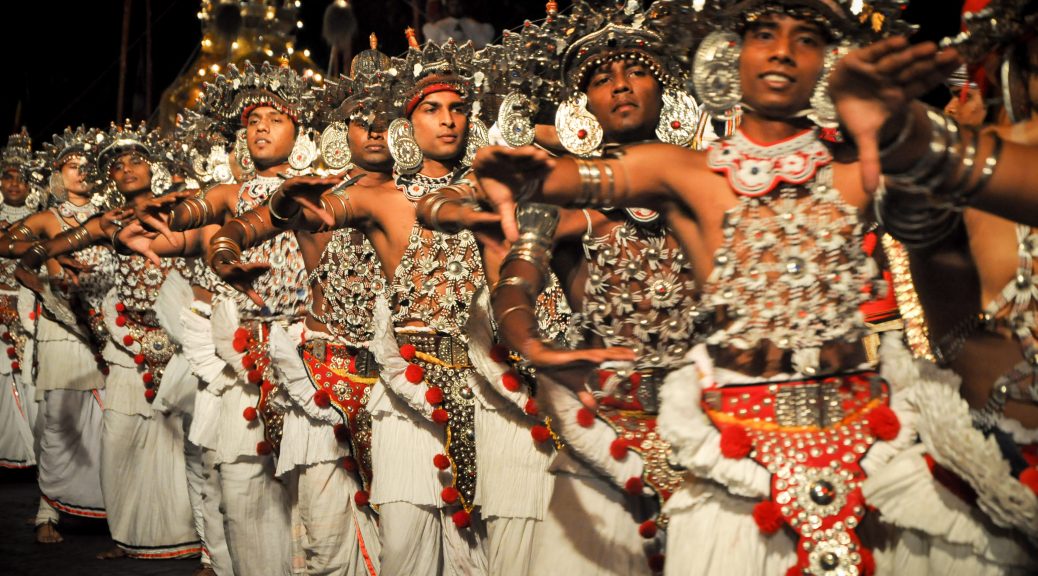 Dancers wear simple yet elegant costumes—mostly white with touches of red and silver. The key instrument is the Davula, a cylindrical drum that produces a deep, resonant sound. Other instruments like cymbals and conch shells accompany the rituals.
4. Folk Dances: The Heartbeat of Everyday Life
Beyond the classical dance styles, Sri Lanka has a rich tradition of folk dances, often performed during harvest festivals, weddings, community celebrations, and seasonal rituals. These dances are simpler in form but vibrant in spirit.
Popular Folk Dances
-
Vannam: A collection of lyrical songs describing animals, heroes, and nature, often performed with expressive movements.
-
Mayura Natum (Peacock Dance): Inspired by the elegance of a peacock’s movements.
-
Gajaga Vannama (Elephant Dance): Symbolizes the strength and majesty of elephants.
-
Leekeli and Raban Dance: Performed by women using wooden sticks or spinning the raban drum to create rhythmic patterns.
-
Harvest Dances: Celebrations of prosperity and agricultural blessings.
These folk dances reflect the everyday joys, hopes, and traditions of rural communities.
5. Traditional Drums: The Pulse of Sri Lankan Dance
No Sri Lankan dance is complete without the powerful rhythms of traditional drums. Each region and dance style uses a specific set of drums that shape the mood and movement.
Major Drums
-
Geta Beraya – Used mainly in Kandyan Dance
-
Yak Beraya – Accompanies Low Country rituals
-
Davula – Central to Sabaragamuwa Dance
-
Thammattama and Udakkiya – Support orchestral rhythms
The beats of these drums are believed to invoke spiritual energy, command attention, and guide performers through complex rhythmic sequences.
6. Traditional Dance in Modern Sri Lanka
Today, traditional Sri Lankan dances are celebrated globally. Cultural festivals, temple processions, and school events keep the art alive, while contemporary choreographers blend modern styles with classical techniques.
Tourists witness these dances in cultural shows, while Sri Lankan dancers participate in international festivals, proudly representing their heritage.
Despite modernization, the essence of Sri Lankan dance remains rooted in spirituality, community, and history. These art forms continue to thrive because they carry the stories of ancestors, reflect the island’s cultural diversity, and inspire new generations to cherish their roots.
Conclusion
The traditional dances of Sri Lanka—whether the majestic leaps of Kandyan performers, the dramatic rituals of the Low Country, or the graceful devotion of Sabaragamuwa—form a cultural heritage unmatched in beauty and depth. They embody the island’s spirit, blending music, movement, mythology, and artistry into unforgettable experiences. With each rhythm, each step, and each colorful costume, Sri Lanka’s dance traditions keep the past alive and offer the world a glimpse into the island’s soul.
Read Also: Keep your face towards the sunshine and shadows will fall behind you
Watch Also: https://www.youtube.com/@TravelsofTheWorld24

Leave a Reply