
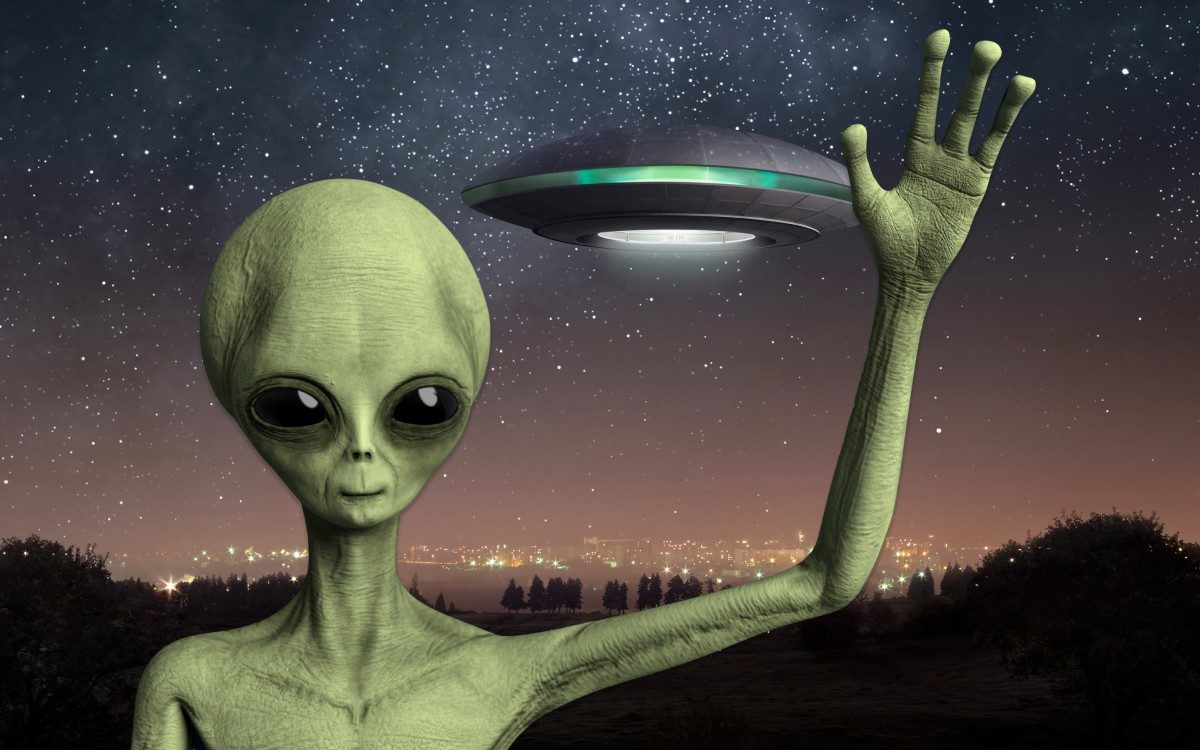
For decades, the “alien face”—the large-headed, black-eyed, small-mouthed being often called a Grey—has been one of the most recognizable images in popular culture. Whether appearing in movies, documentaries, T-shirts, memes, conspiracy theories, or UFO festivals, this iconic face has become the universal symbol of extraterrestrial life. But where did this image actually come from? Did it originate from alleged real encounters, or was it shaped by artists, storytellers, and society itself?
The answer is more complex—and more fascinating—than many people realize. The famous alien face did not appear suddenly. It evolved through myth, early science fiction, reported abduction stories, and the influence of Hollywood. This article traces the surprising origins of this iconic extraterrestrial image and explores why it remains so powerful today.
Early Human Imagination: The First Seeds of the Alien Face
Long before the modern alien image existed, ancient civilizations imagined “beings from the sky.” Early myths from Sumeria, Mesoamerica, and ancient India described gods or visitors with unusual appearances—large eyes, elongated heads, glowing skin, or small bodies. While these were mythological figures, not extraterrestrials as we imagine today, they planted the first seeds of what a non-human being might look like.
Interestingly, some ancient masks and statues—such as Japanese dogū figurines or African ritual masks—feature large almond-shaped eyes and slender bodies. These aren’t aliens, but centuries later, conspiracy theorists would reinterpret them as evidence of early extraterrestrial contact. Although archaeologists disagree, the resemblance helped popularize the connection between ancient art and alien imagery.
Science Fiction Begins to Shape the Face
The alien face we recognize today began to take form in the early 20th century as writers and artists started imagining extraterrestrials more seriously.
H.G. Wells and the First “Grey” Concepts
In 1898, H.G. Wells published The War of the Worlds, describing Martians with:
-
large heads
-
big eyes
-
small, weak bodies
This was one of the first written descriptions resembling modern Greys. Wells imagined a species that evolved beyond physical strength, relying on intelligence instead. This idea—big head equals big brain—would become a central design principle for future alien artwork.
Pulp Magazine Illustrations (1920s–1950s)
Science-fiction magazines like Amazing Stories and Astounding Science Fiction showcased numerous illustrations of humanoid aliens. Many had:
-
oversized skulls
-
thin limbs
-
smooth skin
-
huge eyes
These images popularized the idea that extraterrestrials were physically fragile but mentally advanced. The visual concept was developing—but it still wasn’t the iconic Grey we know today.
The Roswell Incident and the Birth of UFO Culture
In 1947, the Roswell incident changed everything.
Although the U.S. military said it recovered a weather balloon, rumors spread of a crashed UFO and small alien bodies. Witnesses later claimed the beings had:
-
childlike bodies
-
hairless skin
-
oversized heads
-
large, slanted eyes
Even though testimonies were inconsistent and reported decades later, they influenced public imagination. Artists began drawing aliens based on these descriptions, creating images closer to the modern alien face.
This was the moment when aliens started becoming a cultural symbol—not just a sci-fi character.
Betty and Barney Hill: The Encounter That Defined the Grey
The single most influential event in creating the iconic alien face was the 1961 abduction story of Betty and Barney Hill.
During a hypnosis session, Betty Hill described beings with:
-
huge wraparound black eyes
-
pear-shaped heads
-
pale grey skin
-
tiny noses and mouths
-
no visible hair
An artist named David Baker drew sketches based on their descriptions. These images became the earliest clear visual representation of what we now call “Greys.”
This moment changed pop culture forever.
The alien face had been defined.
What made this so influential?
-
The Hills’ story was published widely in newspapers.
-
It became a best-selling book.
-
A TV movie recreated the event.
-
Other people began reporting similar alien descriptions.
The idea of Greys spread like wildfire, and it stuck.
Hollywood Solidifies the Design
By the 1970s and 80s, UFO interest was booming, and filmmakers quickly adopted the Grey design because it was instantly recognizable, easy to exaggerate, and visually mysterious.
Close Encounters of the Third Kind (1977)
Steven Spielberg’s film showed thin, large-headed, black-eyed aliens inspired heavily by the Hill description. This was the first time millions of people saw Greys on the big screen.
Communion (1989)
Based on Whitley Strieber’s alleged real experiences, the alien on the cover—with its teardrop-shaped head and giant black eyes—became one of the most famous images of an alien ever. Bookstores displayed it worldwide, stamping the Grey into global consciousness.
The X-Files (1993–2002)
This show cemented the Grey as the standard alien. Posters, episodes, and promotional imagery all used the modern alien face, spreading it to a new generation.
Independence Day (1996)
The film featured advanced alien species with Grey-like features, reinforcing the design even in blockbuster action films.
By the late 90s, the Grey was not just a fictional character—it was the symbol of extraterrestrial life.
Why the Human Brain Accepts the Alien Face
Psychologists have studied why the Grey alien face feels so universal. Several theories exist:
1. It Resembles a Human Fetus
Large eyes, small mouth, big head—these are features of a developing human baby. This triggers a mixture of familiarity and discomfort.
2. It Represents Evolution
Many scientists speculate that future humans might have:
-
larger heads
-
smaller bodies
-
thinner faces
-
bigger eyes
The Grey reflects this hypothetical evolution, making it seem “logical.”
3. It Fits Our Fear of the Unknown
The face is human-like but “wrong” in subtle ways, activating both curiosity and fear.
4. It’s Simple and Memorable
The design is clean, instantly recognizable, and easy to replicate—perfect for films, art, and marketing.
This combination made the Grey alien the perfect archetype.
Did Real Sightings Influence the Design—or Did the Design Influence Sightings?
One of the most debated questions is:
Did Betty and Barney Hill describe the alien face because they genuinely saw it, or because pop culture influenced their memory?
Some researchers argue:
-
Early sci-fi images shaped their expectations
-
Their descriptions spread, influencing others
-
Later sightings mimicked those images
Others argue:
-
Multiple witnesses worldwide describe nearly identical beings
-
Ancient myths also depict large-eyed figures
-
Similar reports existed before the Hills’ story
The truth may lie somewhere in the middle. Human imagination, cultural storytelling, and alleged encounters all likely contributed to the final image.
The Alien Face Today: A Global Symbol
Today, the Grey alien face appears everywhere:
-
emojis
-
merchandise
-
movies and TV
-
memes
-
UFO conferences
-
documentaries
-
games
-
fashion
It has become a universal symbol—not just of extraterrestrials, but of mystery, curiosity, and the possibility of life beyond Earth.
Whether rooted in real encounters, artistic evolution, or cultural psychology, the iconic alien face remains one of the most fascinating creations in modern human history.
Read Also: Keep your face towards the sunshine and shadows will fall behind you
Watch Also: https://www.youtube.com/@TravelsofTheWorld24













Leave a Reply