
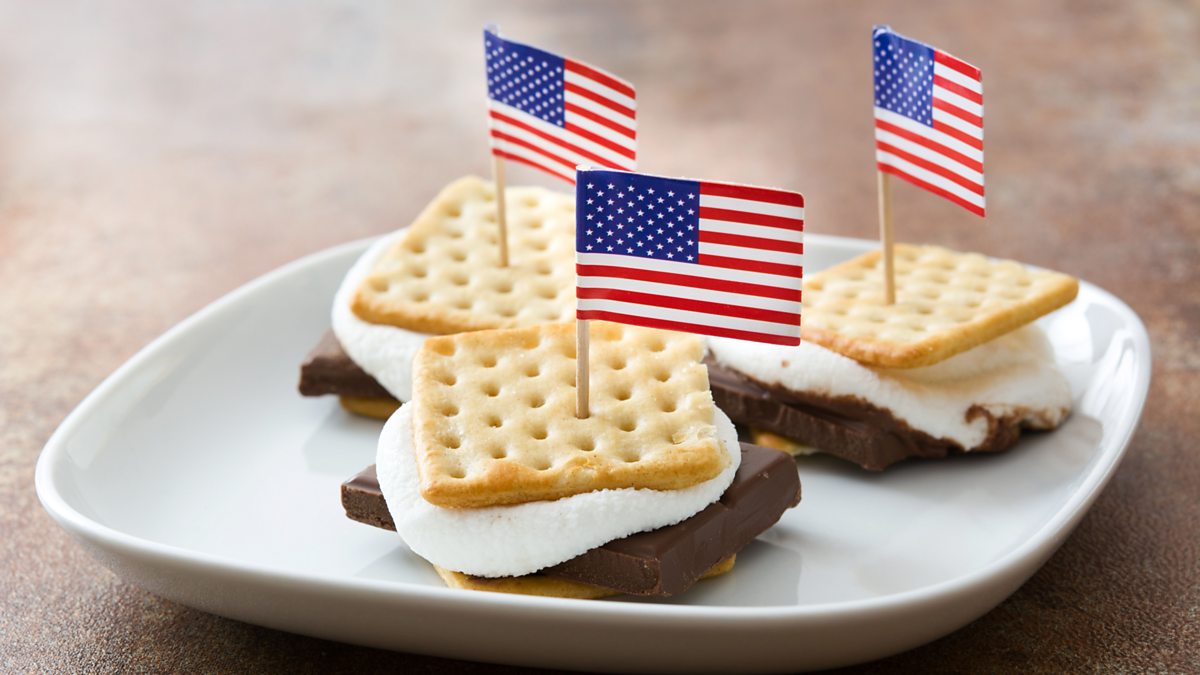
American cuisine is a rich tapestry of flavors, shaped by the country’s diverse cultural influences, regional ingredients, and centuries of history. While fast food and modern fusion dishes often dominate the conversation, the United States is home to classic dishes that are iconic, widely beloved, and deeply rooted in tradition. From coast to coast, these dishes tell stories about local history, immigration, and regional identity.
If you think you know American food, here’s a deep dive into classic USA dishes, their origins, and what makes them quintessentially American.
1. Hamburger
The hamburger is arguably the most famous American dish.
-
Origin: Although similar sandwiches existed in Europe, the hamburger as we know it emerged in the U.S. in the late 19th to early 20th century. Hamburg, Germany inspired the name, but Americans perfected the patty-on-a-bun concept.
-
Why It’s Classic: It’s portable, customizable, and available nationwide. From fast-food chains to gourmet restaurants, the hamburger symbolizes American innovation and convenience.
-
Fun Fact: The U.S. consumes over 50 billion hamburgers annually.
2. Hot Dog
Another quintessential American street food is the hot dog.
-
Origin: German immigrants brought sausages to the U.S., eventually serving them in buns. Coney Island in New York popularized the dish in the early 1900s.
-
Why It’s Classic: Hot dogs are central to American culture — summer barbecues, baseball games, and street fairs all feature this simple yet iconic food.
-
Regional Twist: Chicago-style hot dogs include mustard, onions, relish, tomato slices, pickle, and sport peppers, while New York hot dogs are simpler with mustard and sauerkraut.
3. Macaroni and Cheese
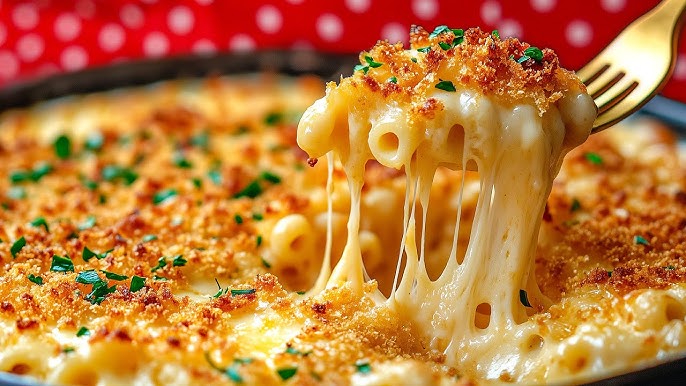
Comfort food at its finest, macaroni and cheese (mac & cheese) is a staple of American households.
-
Origin: While pasta and cheese dishes existed in Europe, Americans popularized baked mac & cheese in the 18th century.
-
Why It’s Classic: Its creamy, cheesy goodness appeals to all ages. It’s a side dish, main course, or even a gourmet entrée depending on preparation.
-
Modern Variations: Truffle mac & cheese, lobster mac & cheese, and gluten-free options keep this classic relevant today.
4. Apple Pie
The phrase “as American as apple pie” is not just figurative — apple pie truly is emblematic of the U.S.
-
Origin: European settlers brought apple pie recipes, and over time, Americans added local touches like double crusts and cinnamon.
-
Why It’s Classic: It represents tradition, home baking, and American culture. Apple pie often symbolizes holidays, family gatherings, and patriotic celebrations.
-
Fun Fact: During World War II, “American as apple pie” became a morale-boosting slogan for soldiers overseas.
5. Barbecue
Barbecue varies across the U.S., but it’s universally loved.
-
Origin: Native Americans and African slaves contributed to early American barbecue techniques, combining smoking and slow cooking over open flames.
-
Regional Styles:
-
Texas: Beef brisket, dry rubs
-
North Carolina: Pulled pork, vinegar-based sauces
-
Kansas City: Sweet, tomato-based sauces with pork or beef
-
Memphis: Dry-rub ribs
-
-
Why It’s Classic: Barbecue is more than food; it’s a cultural experience, from pit masters to backyard cookouts.
6. Fried Chicken
Crispy, golden, and flavorful, fried chicken is another American comfort food.
-
Origin: Influenced by Scottish frying techniques and West African seasoning methods, fried chicken became a Southern staple.
-
Why It’s Classic: Its combination of crunch and juicy meat has made it a favorite across all states.
-
Variations: Nashville hot chicken, chicken and waffles, and Korean fried chicken highlight regional and global influences.
7. Clam Chowder
New England clam chowder is an iconic American soup.
-
Origin: New England settlers used clams, potatoes, onions, and milk or cream to create a hearty dish suitable for cold coastal winters.
-
Why It’s Classic: It reflects local ingredients and coastal culture.
-
Variations: Manhattan clam chowder uses a tomato base instead of cream, offering a tangier, lighter option.
8. Pancakes
Pancakes are a breakfast staple in the U.S., often served with maple syrup, butter, and fruits.
-
Origin: Pancakes have ancient origins, but the American version emphasizes fluffiness and large, round shapes.
-
Why It’s Classic: They are associated with family breakfasts, diners, and weekend brunches.
-
Fun Fact: International variations exist, but American pancakes are typically thicker and lighter than European crepes.
9. Cornbread
Cornbread is a Southern classic that highlights America’s agricultural history.
-
Origin: Native Americans introduced cornmeal, and European settlers adapted it into bread.
-
Why It’s Classic: Cornbread is versatile — served with chili, barbecue, or fried chicken, it complements many meals.
-
Variations: Sweet cornbread, skillet cornbread, and cornbread muffins showcase regional preferences.
10. Meatloaf
A classic comfort food, meatloaf is a symbol of American home cooking.
-
Origin: Influenced by European meat dishes, Americans popularized it in the 19th century.
-
Why It’s Classic: Meatloaf uses simple ingredients — ground meat, breadcrumbs, and seasoning — to create a hearty, family-friendly meal.
-
Modern Twists: Mini meatloaves, turkey or chicken versions, and gourmet glazes keep it relevant.
Regional American Dishes You Should Know
-
Louisiana: Gumbo and jambalaya
-
Chicago: Deep-dish pizza and Italian beef sandwiches
-
Philadelphia: Philly cheesesteak
-
Maine: Lobster rolls
-
Hawaii: Poke bowls and loco moco
-
Texas: Chili and smoked brisket
These regional classics reflect local ingredients, cultural influences, and culinary creativity, further enriching the American food landscape.
Why Classic Dishes Remain Relevant
Classic American dishes endure because they:
-
Reflect Cultural Heritage – They tell the story of immigration, adaptation, and local traditions.
-
Offer Comfort and Familiarity – Many dishes evoke nostalgia, family gatherings, and shared experiences.
-
Inspire Innovation – Modern chefs reinterpret classics, creating fusion dishes, healthier versions, or gourmet upgrades.
-
Promote Regional Identity – Food connects people to place, highlighting what makes each state or city unique.
Fun Facts About American Classics
-
The hamburger was featured at the 1904 St. Louis World’s Fair, helping it gain nationwide popularity.
-
Apple pie was not originally American — early settlers imported recipes and adapted them to local ingredients.
-
Soul food, including fried chicken and collard greens, reflects the ingenuity of African American communities during slavery and post-Civil War periods.
-
Pancakes were once a common Lenten food in early colonial America, cooked without dairy or eggs.
Conclusion
Classic American dishes are more than just food; they are cultural symbols, comfort foods, and culinary landmarks. From the humble hamburger to indulgent apple pie, these dishes showcase the diversity, creativity, and history of the United States. Exploring these classics not only satisfies your taste buds but also provides insight into America’s regional identities, cultural influences, and evolving culinary landscape.
Whether you’re a seasoned foodie, a casual diner, or someone curious about American cuisine, learning about and tasting these classic dishes offers a delicious journey through the heart of the United States.
Read Also: Keep your face towards the sunshine and shadows will fall behind you
Watch Also: https://www.youtube.com/@TravelsofTheWorld24













Leave a Reply