
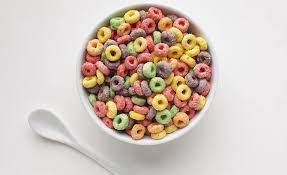
Breakfast cereals are a convenient and popular choice for millions of people worldwide. They’re often marketed as healthy, providing vitamins, minerals, and fiber to kickstart the day. However, recent investigations and scientific studies have raised concerns about the presence of glyphosate, a common weed killer, in several popular cereal brands. Glyphosate, the active ingredient in Roundup, has been linked to potential health risks, prompting consumers to rethink their breakfast options.
This article highlights seven cereals you might want to reconsider, explores the risks of glyphosate, and provides safer alternatives to protect your health.
What Is Glyphosate and Why It’s Concerning?
Glyphosate is a herbicide widely used in agriculture to control weeds. While it has helped increase crop yields, glyphosate has raised health concerns:
-
Potential Carcinogen – The World Health Organization’s International Agency for Research on Cancer (IARC) classified glyphosate as “probably carcinogenic to humans” in 2015.
-
Hormone Disruption – Studies suggest glyphosate may interfere with hormone functions and gut microbiota, potentially contributing to metabolic and digestive issues.
-
Environmental Impact – Beyond human health, glyphosate can affect soil health, water systems, and biodiversity.
Cereal grains, especially oats and wheat, can retain traces of glyphosate from pre-harvest spraying or crop treatment. The FDA and independent testing have detected glyphosate residues in many popular cereals, sparking consumer concerns.
1. Cheerios (General Mills)
Cheerios, particularly the original oat-based varieties, are among the most commonly consumed cereals in the U.S.
-
Issue: Multiple independent lab tests have found detectable levels of glyphosate in Cheerios, likely due to pre-harvest spraying of oats.
-
Health Implication: While the levels are below some government limits, long-term exposure—even at low levels—may pose risks over time, especially for children who eat cereal daily.
2. Quaker Oats Old Fashioned
Quaker Oats is another household staple, often used in oatmeal and baking.
-
Issue: Testing by organizations such as the Environmental Working Group (EWG) found glyphosate residues in Quaker oats products.
-
Health Implication: Frequent consumption may increase chronic exposure to the herbicide.
3. Nature Valley Granola Bars
While technically a snack, many families consume Nature Valley granola bars as breakfast or on-the-go meals.
-
Issue: Some granola bars contain oats grown in fields treated with glyphosate, and independent tests have confirmed its presence.
-
Health Implication: These processed products may not only contain glyphosate but also high sugar content, compounding health concerns.
4. Kashi GoLean Crunch
Kashi markets itself as a natural and healthy cereal brand.
-
Issue: Despite organic options, some Kashi cereals that are not certified organic have been found to contain glyphosate residues in testing.
-
Health Implication: Consumers seeking “natural” products may unknowingly consume herbicide residues.
5. Cheerios Multigrain / Honey Nut Varieties
While original Cheerios may contain moderate levels of glyphosate, flavored variants like Honey Nut and Multigrain Cheerios often have higher glyphosate residues.
-
Issue: These cereals combine multiple grains, increasing the likelihood of herbicide contamination.
-
Health Implication: Children consuming flavored cereals regularly may have higher exposure.
6. General Mills Oatmeal Squares
Oatmeal Squares are marketed as fiber-rich and heart-healthy.
-
Issue: Independent testing has revealed glyphosate in some oat and wheat ingredients, particularly in mass-produced varieties.
-
Health Implication: Regular consumption over years may accumulate low-level exposure to glyphosate.
 7. Quaker Instant Oatmeal Packets
Convenience-oriented instant oatmeal is widely consumed, especially by busy families.
-
Issue: While quick and easy, instant oats may come from conventionally sprayed crops. Testing has found measurable glyphosate in some packets.
-
Health Implication: Daily consumption can contribute to cumulative exposure.
Tips to Reduce Glyphosate Exposure from Cereals
-
Choose Organic – Organic cereals are produced without synthetic herbicides like glyphosate. Brands like Nature’s Path, Purely Elizabeth, and Cascadian Farm offer certified organic options.
-
Read Labels Carefully – Look for non-GMO and organic certifications, which reduce the likelihood of glyphosate use.
-
Diversify Breakfast Options – Rotate cereals with eggs, yogurt, smoothies, and fresh fruits to minimize cumulative exposure.
-
Check Independent Test Results – Organizations like the EWG and Friends of the Earth regularly test cereals and publish glyphosate levels.
-
Limit Highly Processed Cereals – High sugar and refined grains not only pose nutritional concerns but are often produced with conventional grains.
Healthier Alternatives
-
Organic Oats and Granola: Certified organic products from Nature’s Path, Cascadian Farm, and Bob’s Red Mill.
-
Homemade Granola: Make granola at home using organic oats, nuts, seeds, and natural sweeteners.
-
Non-Oat Cereals: Products made from rice, quinoa, or corn that are organic and glyphosate-free.
-
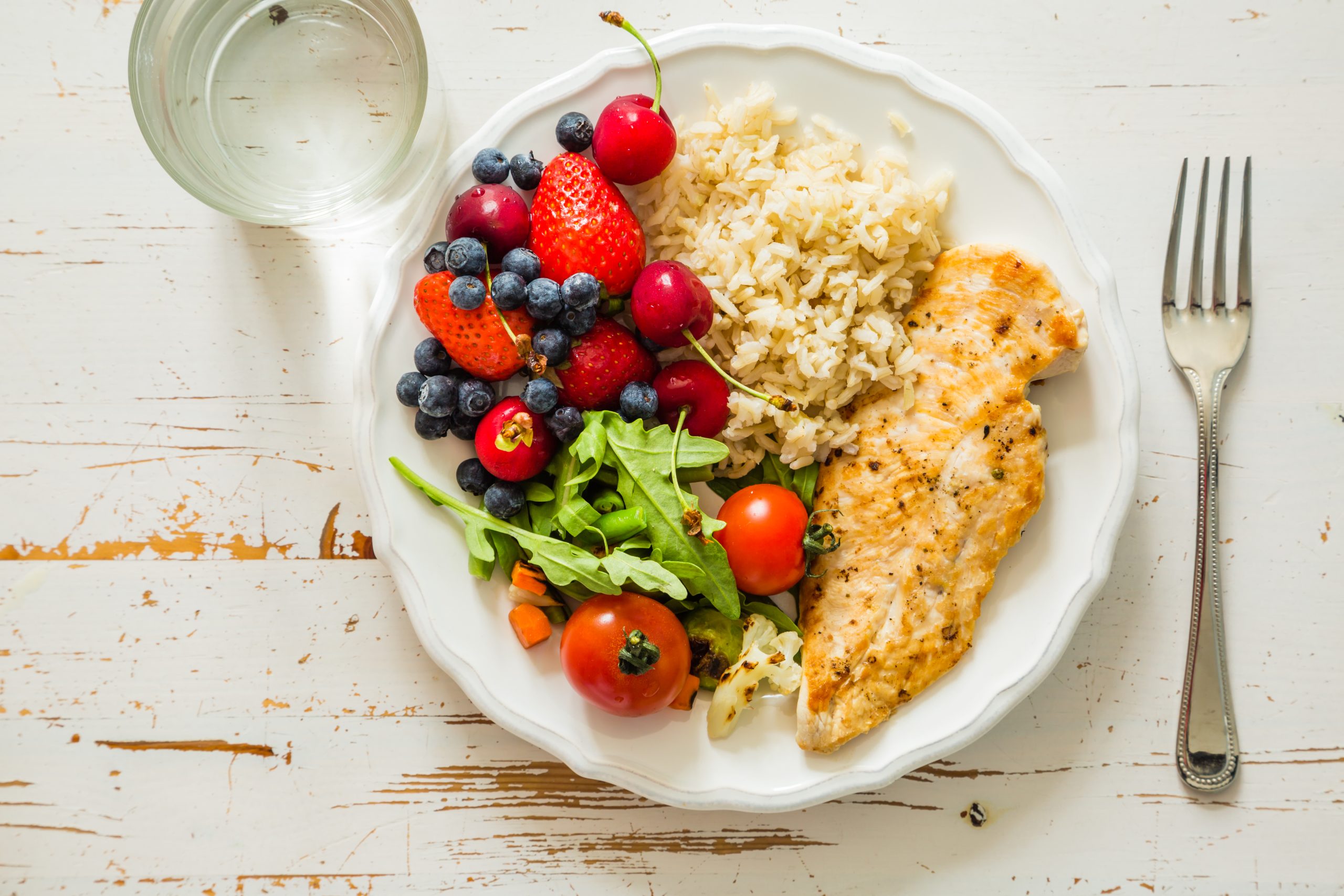
Whole Foods for Breakfast: Eggs, smoothies, yogurt with fruit, or whole-grain toast with nut butter can provide nutrients without glyphosate exposure.
Understanding Regulatory Limits
While glyphosate levels detected in cereals are generally below the U.S. Environmental Protection Agency (EPA) limits, critics argue:
-
Regulatory limits are based on adult consumption, not children.
-
Long-term, low-dose exposure is not fully studied.
-
Europe and other countries have set stricter maximum residue levels for glyphosate in cereals.
Choosing organic or glyphosate-free products can provide an extra layer of safety.
Conclusion
The convenience of breakfast cereals can come at a hidden cost: exposure to glyphosate, a potentially harmful herbicide. Major brands such as Cheerios, Quaker Oats, and certain granola bars have tested positive for glyphosate residues, raising questions about long-term health effects. While occasional consumption may not pose immediate risks, daily exposure, especially for children, is a valid concern.
Switching to certified organic cereals, diversifying breakfast choices, and staying informed about herbicide residues can help protect your health. By making mindful choices, you can enjoy nutritious breakfasts while minimizing exposure to potentially harmful chemicals.
Your morning meal should start your day right — and that means both nourishing your body and avoiding hidden toxins whenever possible.
Read Also: Keep your face towards the sunshine and shadows will fall behind you
Watch Also: https://www.youtube.com/@TravelsofTheWorld24












Leave a Reply