
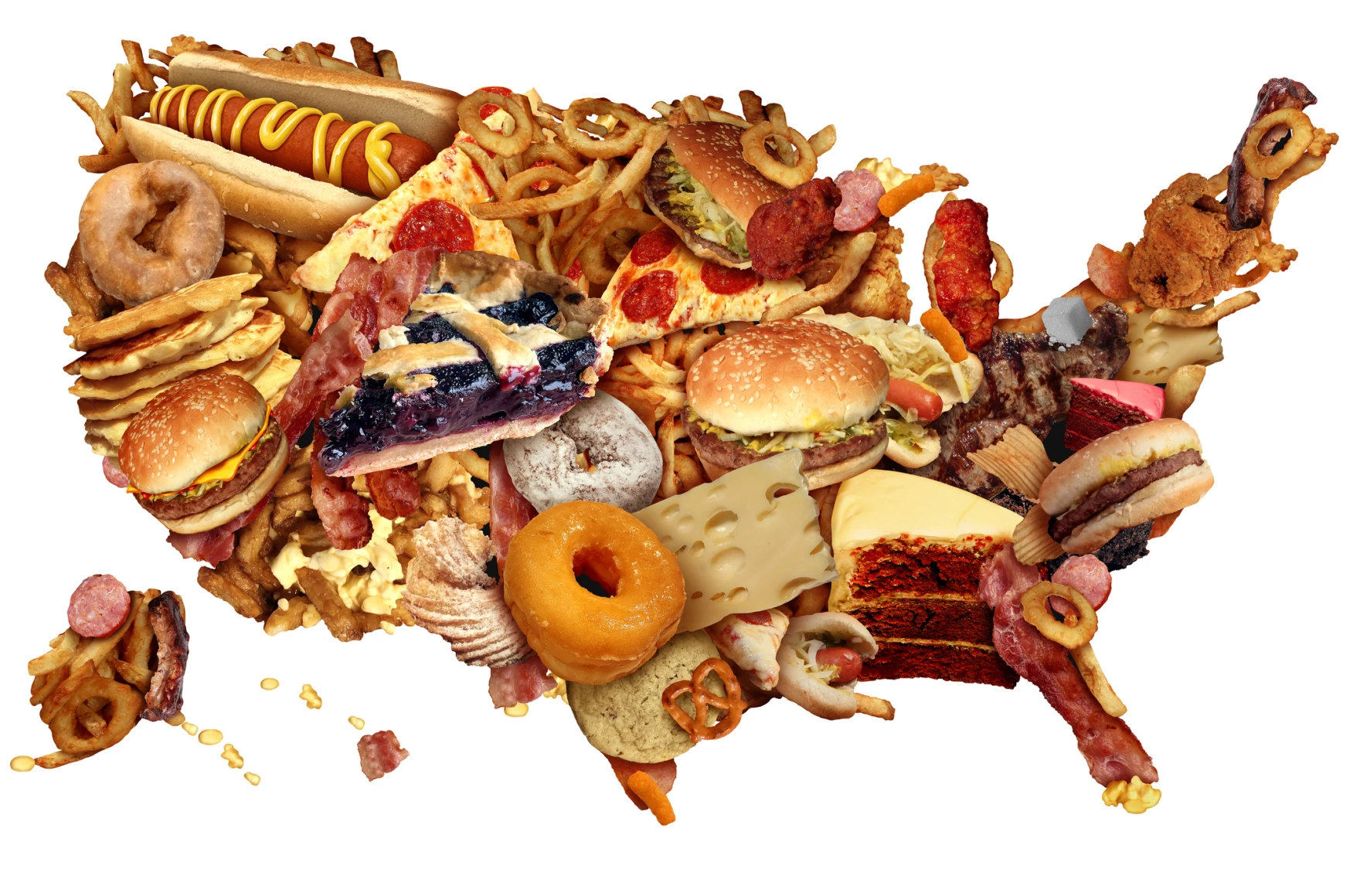
In 2025, what Americans eat — or rather what they should not eat — is drawing attention at the highest levels of government. For decades, junk food, fast food and ultra‑processed food largely went unregulated. But with new political winds sweeping Washington, that could be about to change. The companies behind processed snacks and sugary drinks — collectively dubbed “Big Food” — may soon face stricter oversight, legal challenges, and growing social condemnation.
The Shift in Washington
Under the incoming administration, some influential figures are preparing to challenge “Big Food.” Among them is Robert F. Kennedy Jr. (RFK Jr.), whose controversial nomination to head the Department of Health and Human Services (HHS) has sparked a push toward rethinking the nation’s food policies.
For many years, the federal government largely avoided regulating what Americans ate. But now, processed and ultra‑processed foods — now estimated to comprise as much as 70% of the national food supply — are squarely in the spotlight.
Possible upcoming policy changes include mandatory warning labels on packaged junk foods, shifting farm subsidies away from commodity crops commonly used in processed foods, and limiting which foods can be purchased through government food-assistance programs.
This movement has been branded by supporters as “Make America Healthy Again” (MAHA), emphasizing a return to more natural, less processed eating.
Why the Change — Health & Legal Pressure
The push is not coming from politicians alone. Health experts, researchers, and even legal advocates argue that processed foods contribute significantly to widespread chronic diseases in the United States. Studies link ultra‑processed food consumption to obesity, diabetes, heart disease, some cancers, and even mental‑health problems.
At a congressional hearing last December, U.S. Food and Drug Administration (FDA) Commissioner Robert Califf warned that many ultra‑processed foods exploit “the same neural circuits that are involved in opioid addiction,” suggesting these foods are intentionally engineered to be addictive.
The mood is shifting: what was once accepted as everyday convenience is now being framed as a public‑health crisis. Former government health officials warn that America’s high levels of obesity, chronic disease and early death are partly driven by that toxic food environment.
Legal Battles: Holding Big Food Accountable
The change in tone has already triggered legal challenges. In December, a teenager — Bryce Martinez — filed a lawsuit against nearly a dozen major food companies including Kraft Heinz, Nestlé USA and The Coca-Cola Company. The suit claims that by age 16 Martinez had developed diabetes and non-alcoholic fatty liver disease — illnesses he says resulted from consuming heavily advertised, brand-name ultra-processed foods since childhood.
The lawsuit argues the companies knew (or should have known) their products were harmful and perhaps even addictive — echoing past legal battles against big tobacco and opioid manufacturers.
Now, law firms across the country are reportedly looking for other potential plaintiffs — children and adults who believe their health problems stem from a diet of ultra‑processed foods.
If these lawsuits succeed, they could dramatically reshape how food is produced, marketed and sold — especially to children and low-income households.
 Read Also: Keep your face towards the sunshine and shadows will fall behind you
Political and Industry Pushback
But any move against Big Food faces steep resistance. The food and beverage industry spends tens of millions of dollars on lobbying each year — in 2024 alone, lobby spending by food processing and sales companies reached roughly $26.7 million.
Industry defenders argue that labeling foods as “unhealthy” simply because they are “processed” is misleading. They claim many processed items do offer nutritional value, and that demonizing them unfairly stigmatizes consumers, especially disadvantaged communities.
At the same time, critics warn that regulation efforts may run into constitutional and practical hurdles — for example, restrictions on marketing and labeling could be challenged as violations of free commercial speech.
Moreover, changing American eating habits — deeply rooted culturally and socially — will likely take more than laws or lawsuits. But with growing public awareness of health risks, many believe the moment is ripe for a reckoning.
What Could Change — And What It Means for the Public
Here are some of the concrete changes that may lie ahead — and why they matter:
-
Front‑of‑package warning labels: Food products could be required to clearly display high levels of added sugar, sodium, or saturated fat — making it easier for consumers to see health risks at a glance.
-
Restriction on government food aid purchases: The government may tighten rules so that subsidies or food‑aid programs no longer fund ultra-processed foods — which could reduce accessibility for some low-income households.
-
Reduced subsidies for commodity crops used in processed food: This could shift agricultural incentives away from mass‑produced processed-food ingredients, potentially changing food production at the source.
-
Limits or bans on junk‑food advertising to children: As proposed in new legislation, manufacturers might be prohibited from marketing highly processed foods to minors — similar to past efforts against tobacco ads.
-
Legal accountability for food companies: If lawsuits like Martinez’s succeed, companies could face lawsuits or settlements — which might force long-term changes in how products are formulated, labeled, and sold.
For the public, these changes could mean a future where junk food is harder to find, more expensive, or at least clearly labeled — making people more aware of what they’re eating. Some hope it might lead to lower rates of obesity, diabetes, heart disease, and other diet-related illnesses.
 Why This Moment Matters
This is more than a public‑health debate. It could mark a turning point — when food moves from being seen as mere convenience or indulgence to being taken seriously as a health issue. The scale of the food industry, its influence, and its history of successful resistance make this a daunting challenge.
But the combination of political will, legal pressure, medical evidence, and growing public concern has created what some are calling a “moment of reckoning.” Experts and advocates are asking, perhaps for the first time with real hope, a fundamental question: “Why do we have to live like this?”
As one health‑policy professor said, the time may have come for society to rethink the convenience‑driven, ultra‑processed diet that has come to define much of modern life.
Watch Also: https://www.youtube.com/@TravelsofTheWorld24









Leave a Reply