
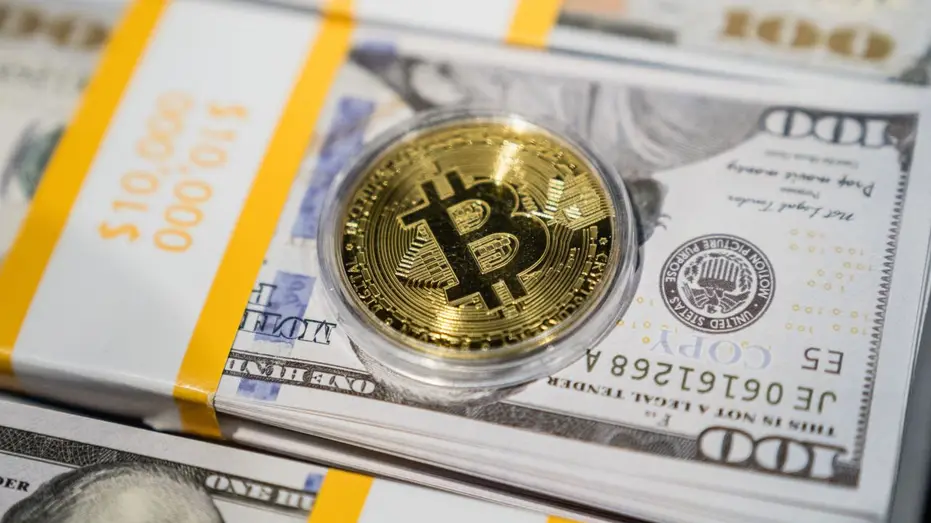
A halving is a built‑in feature of Bitcoin’s protocol. About every 210,000 blocks mined (roughly every four years), the reward for miners who secure the network is cut in half.
-
When Bitcoin launched, the block reward was 50 BTC.
-
The first halving (2012) cut it to 25 BTC; second (2016) to 12.5 BTC; third (2020) to 6.25 BTC.
-
In April 2024 (the fourth halving) it was reduced further to 3.125 BTC per block.
The reason halving matters: it increases Bitcoin’s scarcity by reducing the rate at which new coins enter the market. Fewer new coins means that if demand stays the same or rises, the supply side is tighter.
The 2024 Halving: What Happened
-
The halving occurred shortly after block 840,000, marking the reduction of the miner reward from 6.25 BTC to 3.125 BTC.
-
At the time the event occurred, Bitcoin was trading around $63,000‑ish. Per reports: “roughly $63,000” immediately after the event.
-
Some articles noted that Bitcoin had recently reached an all‑time high of about $73,803 in mid‑March 2024, ahead of the halving. After the halving, Bitcoin’s price didn’t immediately skyrocket. Rather, it fell slightly (~0.47% in one report) to ~$63,747 and then recovered somewhat over the weekend toward ~$65,000.
In short: the event happened, miners’ rewards dropped, Bitcoin’s issuance slowed, but the market reaction was more muted than some past halving events.
Why the Reaction Was Relatively Calm
Several factors help explain why Bitcoin’s price did not instantly surge:
-
Much of the effect may have been priced in already
Analysts observed that markets anticipated the halving well in advance. By the time the event arrived, much of the “scarcity” expectation may already have been reflected in the price. For example, one article states: “We do not expect bitcoin price increases post‑halving as it has already been priced in.” -
Bitcoin had already recently reached a high
Because Bitcoin was already trading near record highs ahead of the event, the “room” for an immediate large move may have been narrower. If the price has already climbed, a jump becomes less dramatic. -
Issuance reduction is small relative to total market size
As the Bitcoin ecosystem grows, the actual number of newly issued coins becomes a smaller component of total circulating supply and market activity. For example, one report noted that even after the halving, new issuance is less than 0.1% of the total capital traded each day. -
Other market forces at play
Mining profitability, institutional flows, regulatory developments, macroeconomic conditions, and ETF launches all affect Bitcoin price. They may dampen or mask immediate halving effects. For example, the introduction of spot Bitcoin ETFs in early 2024 is cited as a factor boosting demand.
What Are the Implications?
For Miners
With the reward per block cut in half, miners face pressure on profitability. Unless Bitcoin’s price rises enough (or transaction‑fees increase) to offset the drop, some marginal miners may shut down, which could reduce network hash rate or shift the competitive landscape.
However, a positive view: the reduction in issuance further reinforces Bitcoin’s scarcity narrative, potentially strengthening its long‑term appeal.
For Investors
-
The halving reinforces the “digital gold” narrative (scarcity, limited supply).
-
But given the immediate muted price response, some investors may ask: “Is the halving effect diminishing?” Some analysts suggest that the “four‑year cycle” logic may be less obvious now.
-
The next question: when (or if) will the “post‑halving rally” really begin? Historically, price peaks often come many months after the halving.
For the Market & Outlook
-
The halving reduces Bitcoin’s annualized inflation rate. One report notes that for the first time, Bitcoin’s steady‑state issuance rate dropped below that of gold (~0.85% vs ~2.3%) — a milestone in scarcity comparison.
-
But the fact that the halving event didn’t immediately send the price up suggests the market dynamics are evolving: larger ecosystem, more institutional participation, perhaps less “boom & bust” driven purely by halving news.
Historical Context & What Makes This Cycle Different
Looking back:
-
Past halving events (2012, 2016, 2020) preceded substantial price rallies — although with wide variation.
-
But this time (the 4th halving) the price uptick has been more moderate and the pattern less explosive. Some say the four‑year “cycle” may be changing.
-
For example, one analysis found while the halving logic remains (i.e., supply reduction matters), the size of returns is diminishing and market structure is shifting (ETF flows, institutional dominance, market maturity).
What to Watch Going Forward
Here are key items for investors and observers:
-
Price behaviour 6‑12 months post halving: Will a typical rally materialize? Some expect peaks about 12 to 18 months after the halving.
-
Mining industry response: Will weaker miners drop out? How will the hash rate and mining difficulty adjust? ⮕ This can influence network security and confidence.
-
Institutional flows and ETF activity: With large spot Bitcoin ETFs now in play, how much fresh demand will come? How will that interact with halving effects?
-
Macro & regulatory environment: Interest‑rates, inflation, regulatory action (especially around crypto) could amplify or dampen the halving’s impact.
-
Narrative around scarcity and store‑of‑value: As issuance shrinks, the “limited supply” argument gets stronger. But narrative alone doesn’t guarantee price action — demand still matters.
Conclusion
The fourth Bitcoin halving marked a major structural event — cutting mining rewards from 6.25 BTC to 3.125 BTC, reducing issuance and further tightening scarcity. But the immediate market reaction was muted: Bitcoin held around the $63,000‑$65,000 range rather than blasting off.
This may reflect a more mature market, where much of the halving effect was already priced in, and where institutional flows, ETF adoption and other factors play a larger role than before. The halving thus remains important, but not in isolation — it is one piece in a larger puzzle.
Read Also: Keep your face towards the sunshine and shadows will fall behind you
Watch Also: https://www.youtube.com/@TravelsofTheWorld24













Leave a Reply