
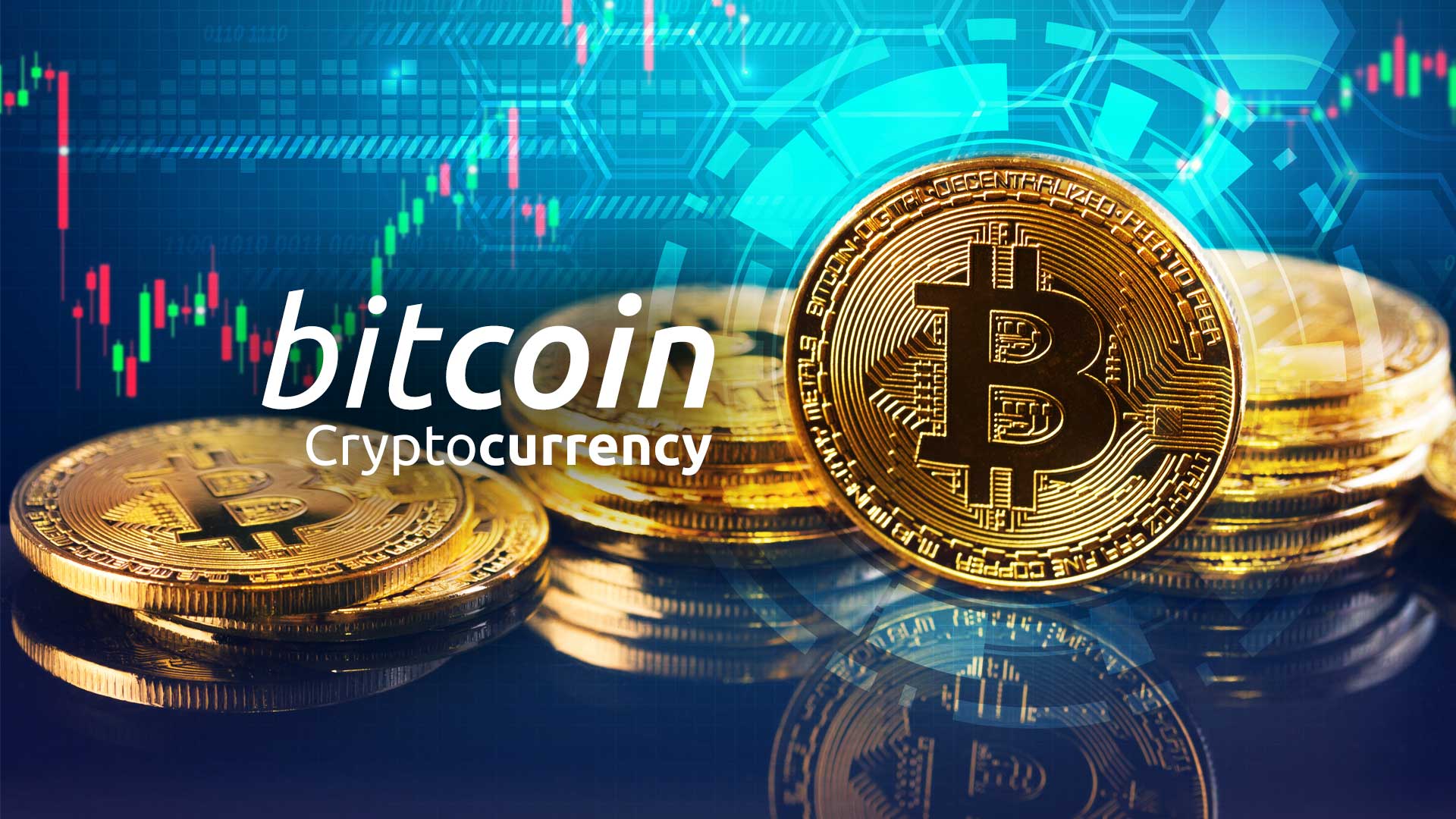
In the past decade, Bitcoin has emerged as the most popular and widely recognized cryptocurrency. It is often described as digital gold, a decentralized digital currency, and an innovative form of money that operates without central authorities. Understanding Bitcoin is essential for anyone interested in finance, technology, or investing in digital assets. This guide will explain what Bitcoin is, how it works, its benefits, risks, and real-world applications.
1. Definition of Bitcoin
Bitcoin (BTC) is a digital currency created in 2009 by an anonymous individual or group known as Satoshi Nakamoto. Unlike traditional currencies, Bitcoin is:
-
Decentralized: No central bank or government controls it.
-
Digital-only: Exists purely in digital form and is not tied to physical money.
-
Limited in supply: Only 21 million Bitcoins will ever exist.
Bitcoin allows users to transfer value across the globe in a peer-to-peer network without intermediaries, using secure cryptography.
2. How Bitcoin Works
Bitcoin operates on a blockchain, a distributed ledger that records all transactions. Here’s a simplified breakdown:
-
Transactions: When someone sends Bitcoin, the transaction is broadcast to the network.
-
Validation: Network nodes, known as miners, verify the transaction using complex algorithms.
-
Block Creation: Verified transactions are grouped into blocks and added sequentially to the blockchain.
-
Security: Each block contains a cryptographic hash of the previous block, making the system tamper-resistant.
This ensures transparency, security, and trust without the need for banks.
3. Bitcoin Mining
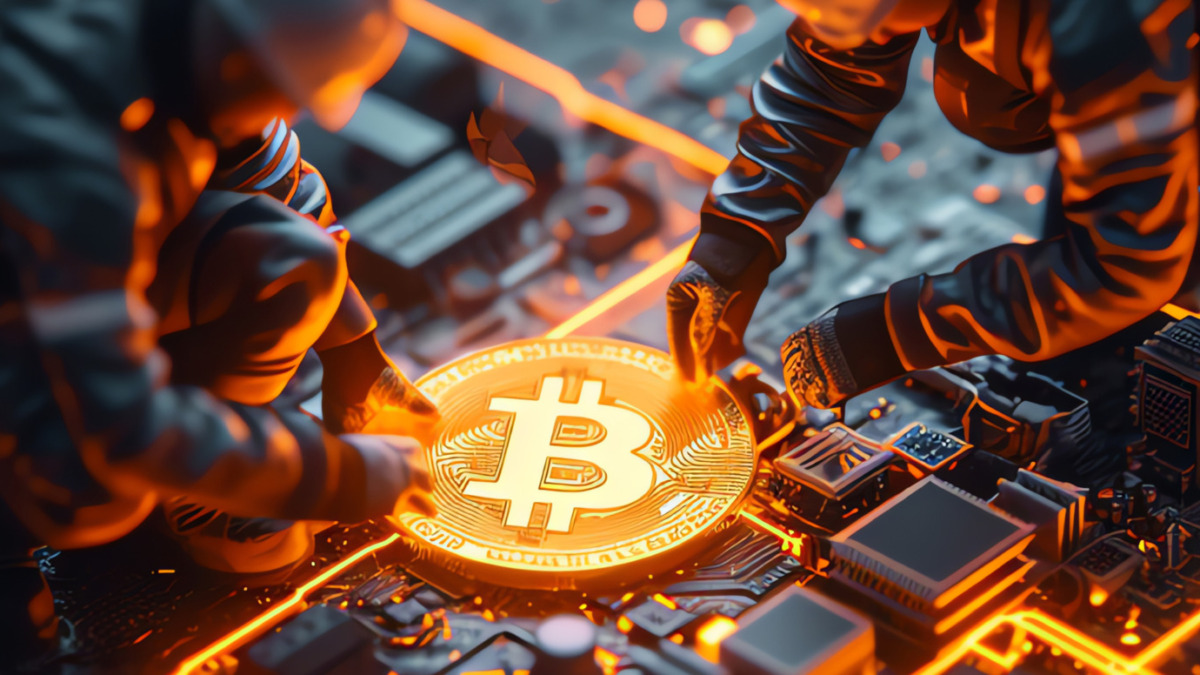
Mining is the process through which new Bitcoins are created and transactions are validated. It involves solving complex mathematical problems using specialized hardware. Miners are rewarded with:
-
Newly minted Bitcoins (block reward)
-
Transaction fees
Bitcoin uses a Proof-of-Work (PoW) system to maintain network security. Mining ensures that the blockchain remains decentralized and secure.
4. Advantages of Bitcoin
Bitcoin offers several advantages compared to traditional currencies:
-
Decentralization: No central authority can manipulate the currency.
-
Limited supply: Scarcity (21 million cap) may help Bitcoin act as a hedge against inflation.
-
Global access: Anyone with an internet connection can send or receive Bitcoin.
-
Transparency: Every transaction is publicly recorded on the blockchain.
-
Lower fees: Peer-to-peer transactions often have lower fees than traditional banks.
-
Security: Advanced cryptography protects the network from fraud.
5. Risks and Challenges
While Bitcoin has advantages, it also comes with risks:
-
Volatility: Prices can fluctuate dramatically within short periods.
-
Regulatory uncertainty: Governments may impose restrictions or regulations affecting Bitcoin.
-
Security risks: Exchanges and wallets can be hacked if not properly secured.
-
Scams and fraud: The digital nature of Bitcoin can attract fraudsters.
-
Adoption limits: Not all merchants or countries accept Bitcoin as payment.
Investors need to weigh these risks carefully before buying or trading Bitcoin.
6. Bitcoin Wallets
To store and use Bitcoin, you need a wallet, which holds your cryptographic keys:
-
Hot Wallets: Connected to the internet; convenient but potentially vulnerable.
-
Cold Wallets: Offline storage (hardware wallets, paper wallets); highly secure.
Wallets enable you to send, receive, and store Bitcoin safely.
7. Buying and Trading Bitcoin
Bitcoin can be bought on cryptocurrency exchanges such as Coinbase, Binance, or Kraken. Users can:
-
Buy Bitcoin with fiat money (USD, EUR, etc.)
-
Trade Bitcoin for other cryptocurrencies (altcoins)
-
Use Bitcoin for payments where accepted
Traders also use technical and fundamental analysis to predict Bitcoin price movements and optimize trading strategies.
8. Real-World Uses of Bitcoin
Bitcoin is more than an investment; it has real-world applications:
-
Digital payments: Send money globally within minutes.
-
Remittances: Reduce fees and time for cross-border payments.
-
Investment: Store value or trade for profit.
-
Decentralized Finance (DeFi): Lend, borrow, or earn interest on Bitcoin without banks.
-
Smart contracts and blockchain apps: Bitcoin can be integrated into blockchain-based systems for automated transactions.
9. Bitcoin vs Traditional Currency
Bitcoin differs from traditional fiat currencies in several ways:
| Feature | Bitcoin | Fiat Currency |
|---|---|---|
| Control | Decentralized | Centralized by government |
| Supply | Limited to 21 million | Can be printed indefinitely |
| Security | Cryptography-based | Legal enforcement and banking systems |
| Transparency | Blockchain ledger | Controlled by banks and institutions |
| Transfer speed | Minutes globally | Can take days |
| Volatility | High | Relatively stable |
10. Regulatory and Legal Considerations
Regulations vary globally:
-
United States: SEC and CFTC regulate Bitcoin for investment purposes.
-
Europe: EU is developing frameworks to standardize crypto regulation.
-
Asia: Some countries like Japan embrace Bitcoin, while China has banned trading and mining.
Regulatory clarity is crucial for adoption and investor confidence.
11. Future of Bitcoin
The future of Bitcoin looks promising, with potential developments including:
-
Increased adoption by businesses and financial institutions
-
Integration into payment systems and digital banking
-
Improved scalability and transaction speeds via Layer 2 solutions
-
Potential coexistence with Central Bank Digital Currencies (CBDCs)
-
Greater financial inclusion for unbanked populations
Bitcoin is still in its early stages, and its long-term impact on global finance could be transformative.
12. Conclusion
Bitcoin is a revolutionary form of digital money that operates without central control, offering security, transparency, and global accessibility. While it comes with risks like volatility and regulatory uncertainty, Bitcoin’s potential as a store of value, medium of exchange, and investment vehicle is undeniable.
For beginners, understanding Bitcoin is the first step toward navigating the rapidly evolving world of cryptocurrency. As adoption grows and technology evolves, Bitcoin is likely to remain a key player in the future of finance, reshaping how we think about money, investments, and global transactions.
Read Also: Keep your face towards the sunshine and shadows will fall behind you
Watch Also: https://www.youtube.com/@TravelsofTheWorld24












Leave a Reply