
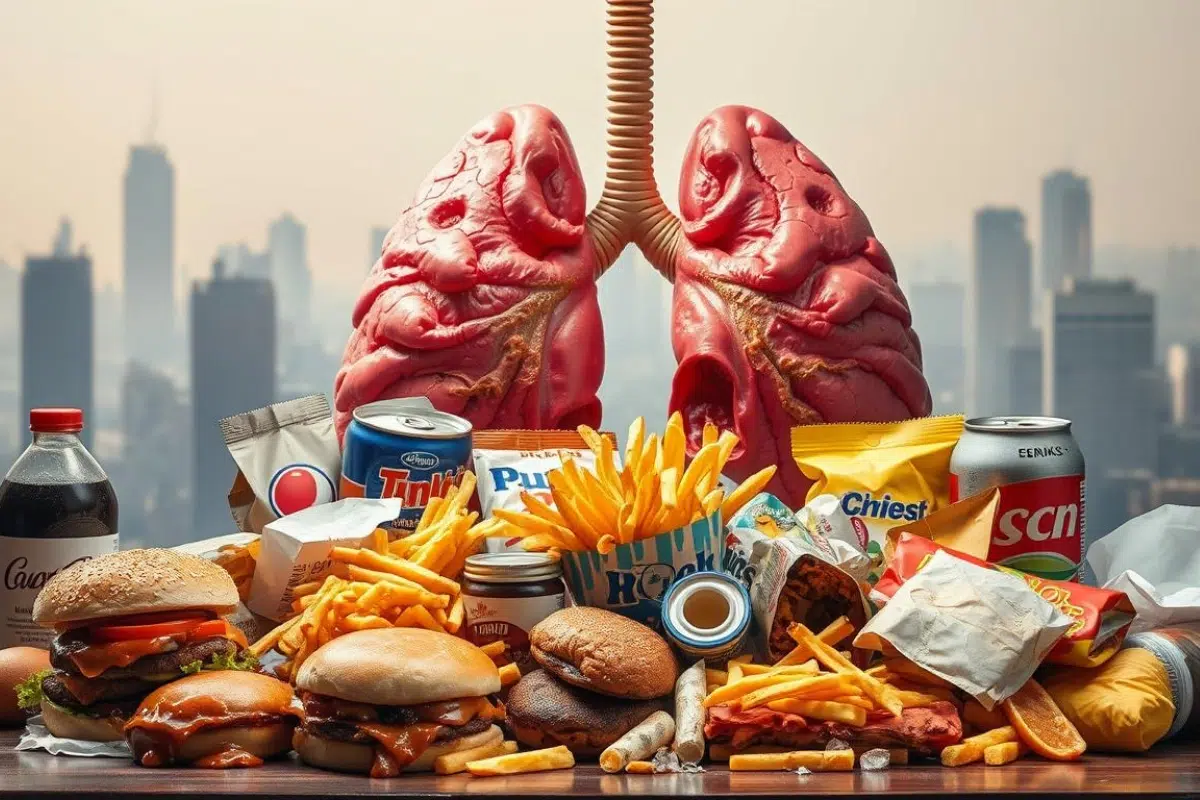
Processed Foods May Increase Lung Cancer Risk
Processed Foods May Increase Lung Cancer Risk What if your grocery choices could impact more than just your waistline?
A groundbreaking study reveals a startling connection between modern eating habits and respiratory health. Researchers analyzed dietary patterns and medical records of over 100,000 adults, uncovering insights that could reshape how we view everyday meals.
The data shows people consuming three daily servings of items like deli meats and sugary drinks faced significantly higher health challenges. Even after adjusting for lifestyle factors, the risk remained alarmingly pronounced. This isn’t about occasional treats—it’s about understanding how production methods transform ingredients into potential hazards.
Why does this matter? Lung-related illnesses affect millions globally, and prevention strategies need every advantage. While smoking remains a primary concern, this research highlights how dinner plates might play an unexpected role. The findings don’t just add to scientific knowledge—they offer practical steps for anyone wanting to breathe easier.
Key Takeaways – Processed Foods May Increase Lung Cancer Risk
Eating three daily servings of ultraprocessed items correlates with 41% higher likelihood of lung issues
Common culprits include lunch meats, diet sodas, and sugary beverages
Study tracked 100,000+ participants using national health surveys
Results remained significant even after accounting for smoking habits
Food production methods may introduce harmful additives or compounds
Understanding the Link Between Ultraprocessed Foods and Lung Cancer
Your daily snacks might be hiding more than just empty calories. A landmark investigation tracked dietary patterns across 12 years, revealing patterns that could change how we view pantry staples. Scientists analyzed detailed records from 100,000+ participants aged 55-74, focusing on consumption levels and health outcomes.
Processed Foods May Increase Lung Cancer Risk
Breaking Down the Numbers
The team sorted participants into four groups based on UPF intake. Those consuming six daily servings faced nearly 50% higher likelihood of developing respiratory malignancies compared to minimal consumers. Here’s what the data revealed:
Patterns in the Data
Non-small cell types accounted for 86% of diagnoses, but both categories showed clear connections to dietary habits. “The consistency across cancer subtypes suggests systemic effects,” noted one epidemiologist involved in the research.
Participants underwent regular health screenings throughout the 12.2-year follow-up period. This rigorous tracking helped isolate dietary impacts from other risk factors like smoking or environmental exposures. The findings align with previous work linking UPFs to cardiovascular and metabolic disorders, painting a broader picture of nutritional influences on wellness.
Exploring “processed food lung cancer”: Diet and Cancer Risk
Could your favorite convenience meals be undermining your body’s defenses? Modern eating patterns create a nutritional paradox—while calories abound, protective nutrients often dwindle. This imbalance may hold clues about respiratory wellness challenges many face today.
The Connection Between Diet Quality and Lung Health
What we eat acts like a daily tune-up for our biological systems. Studies show people consuming more UPFs typically get 22% less fiber and 34% fewer antioxidants than those prioritizing whole items. This nutrient gap matters because antioxidants help neutralize cell-damaging free radicals linked to cellular changes.
Regularly choosing packaged items creates a double whammy. You’re not just loading up on additives and excess sodium—you’re missing out on nature’s protective compounds. Think of it like building a house with cheap materials but skipping the weatherproofing.
Chronic inflammation acts as fertilizer for unhealthy cell growth. UPFs often contain emulsifiers and stabilizers that may disrupt gut bacteria balance. When your microbiome falters, your immune system’s surveillance against abnormal cells weakens—like having fewer security guards at a vital outpost.
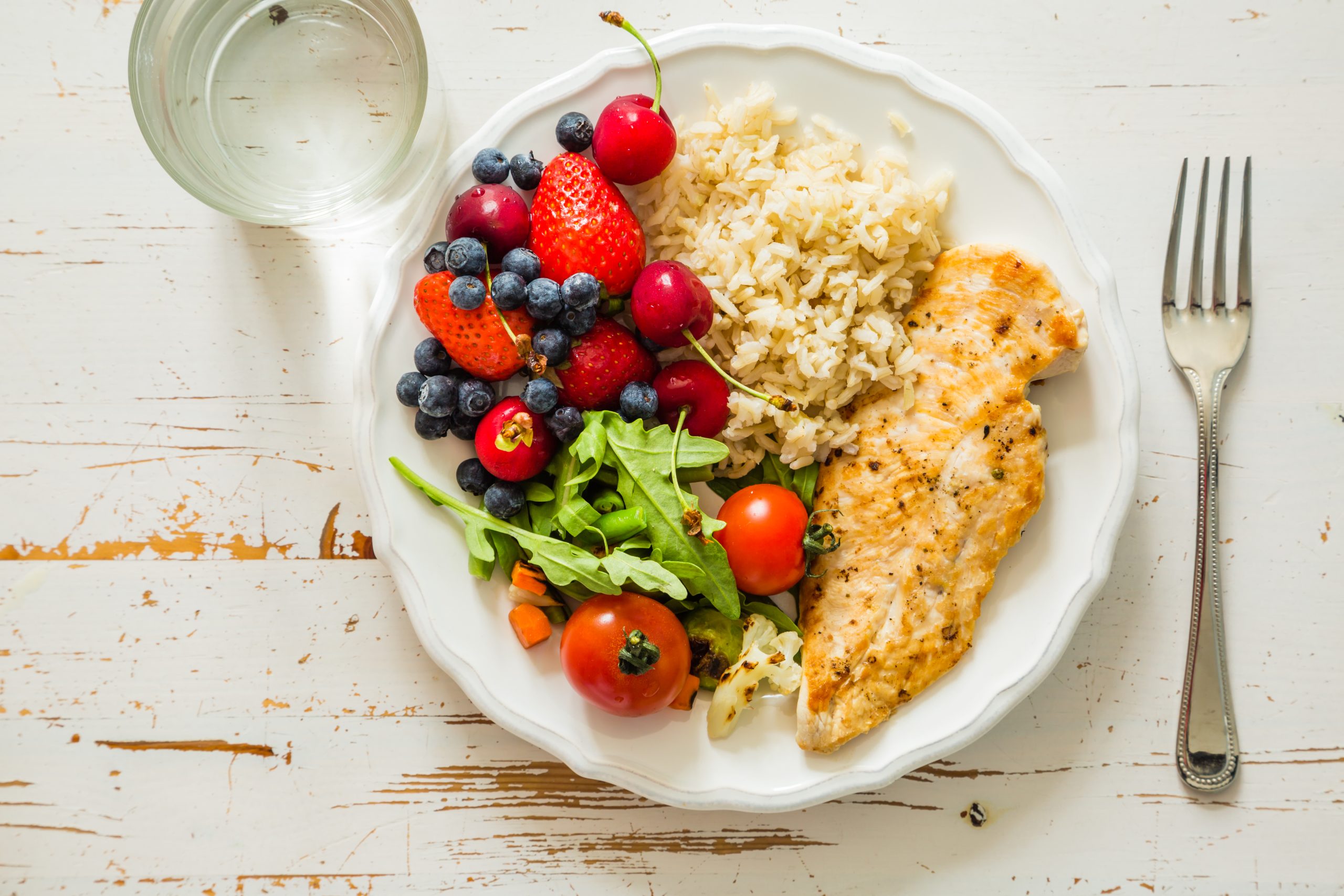
Swapping even two UPF servings daily with fresh produce can make a difference. The American Institute for Cancer Research notes that broccoli’s sulforaphane and berries’ ellagic acid demonstrate particular promise in supporting healthy cell function. Small shifts add up—your plate holds more power than you might realize.
Nutritional Quality and the Role of UPF Ingredients
Ever wonder what’s really in that colorful snack wrapper? Modern manufacturing transforms basic ingredients into complex formulas that might surprise your grandmother’s cookbook. Let’s peel back the label to understand what makes these items nutritionally unique—and potentially problematic.
Additives and Preservatives Under Scrutiny
Many UPFs contain substances you wouldn’t recognize from home cooking. Emulsifiers like lecithin keep dressings smooth, while carrageenan thickens dairy alternatives. Though deemed safe individually, their combined effects raise questions.
Read Also: Keep your face towards the sunshine and shadows will fall behind you
Watch Also: https://www.youtube.com/@TravelsofTheWorld24











Leave a Reply