
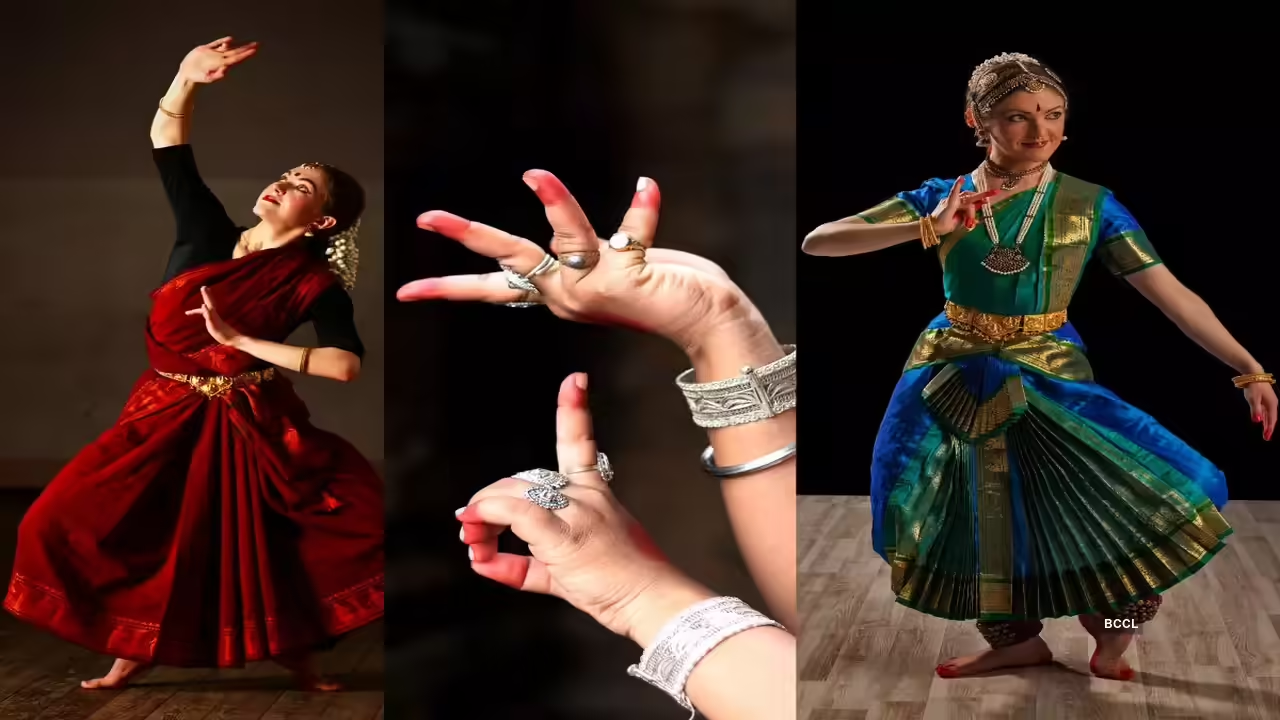
In the world of dance, traditions often stay within their own lanes. Ballet belongs to grand European stages, while Kathak carries the soul of North Indian storytelling. But every once in a while, an artist comes along who gently breaks these boundaries and creates something fresh, something unexpected. Radha Varadan is one such artist — a Kathak dancer who is bringing a new life to classic ballet variations by reimagining them through her own cultural lens.
Her work doesn’t just mix two dance forms for the sake of novelty. Instead, it builds a thoughtful bridge between them. With deep respect for both traditions, she creates performances that feel both familiar and completely new at the same time.
A Journey Rooted in Tradition
Radha’s story begins with years of dedicated training in Kathak. Like many classical dancers, her early years were filled with strict practice, learning footwork, rhythm patterns, expressions, and storytelling techniques. Kathak, known for its intricate spins, fast footwork, and expressive gestures, became her foundation.
She didn’t just learn movements — she learned how to tell stories with her eyes, her hands, and even the smallest shift in posture. This strong grounding later became the reason she could experiment without losing authenticity.
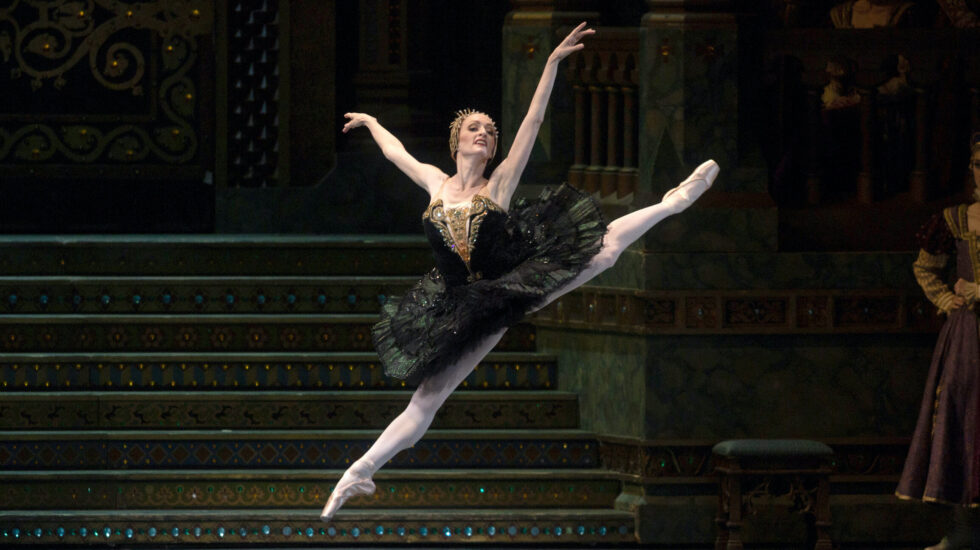
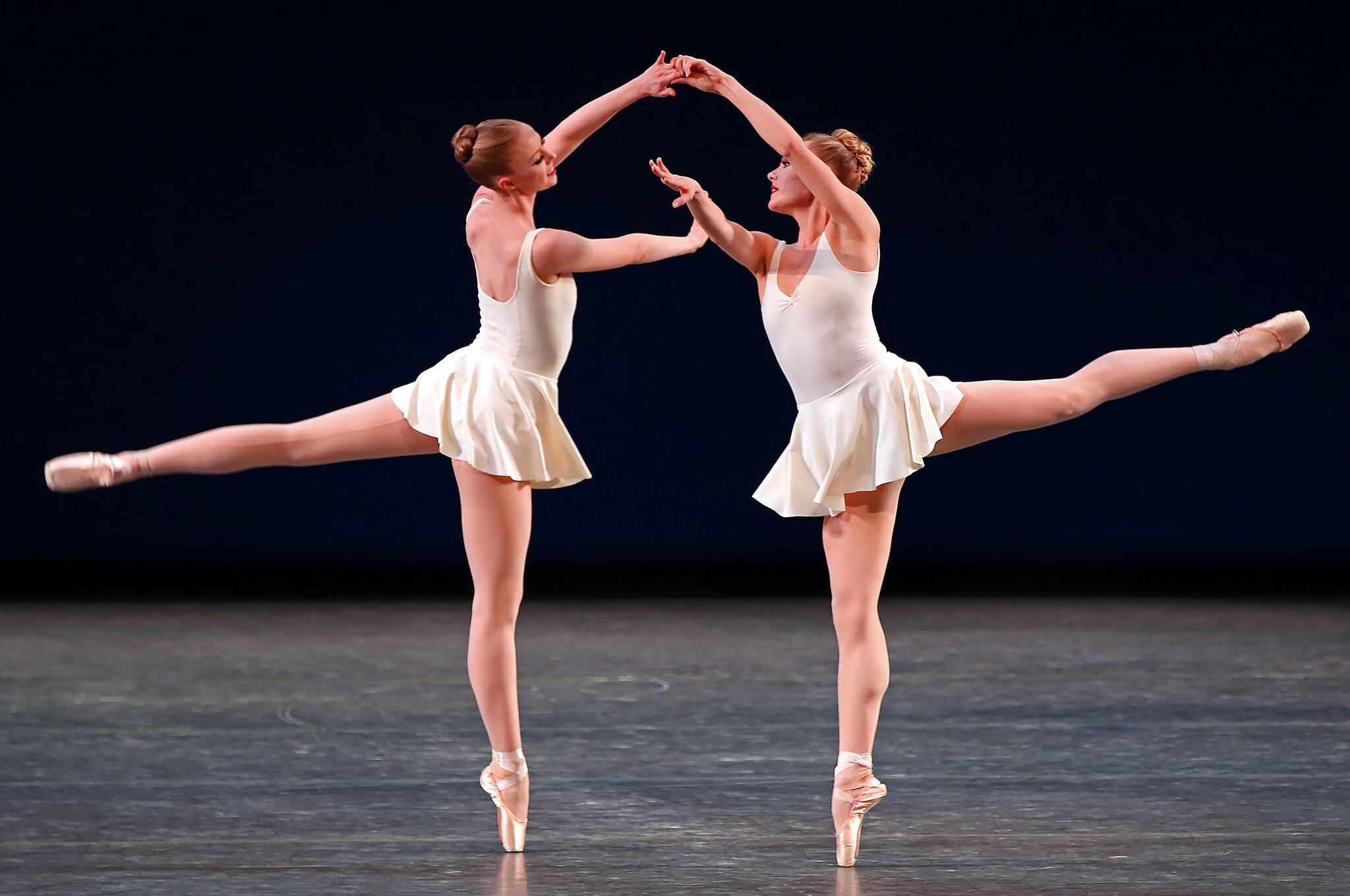
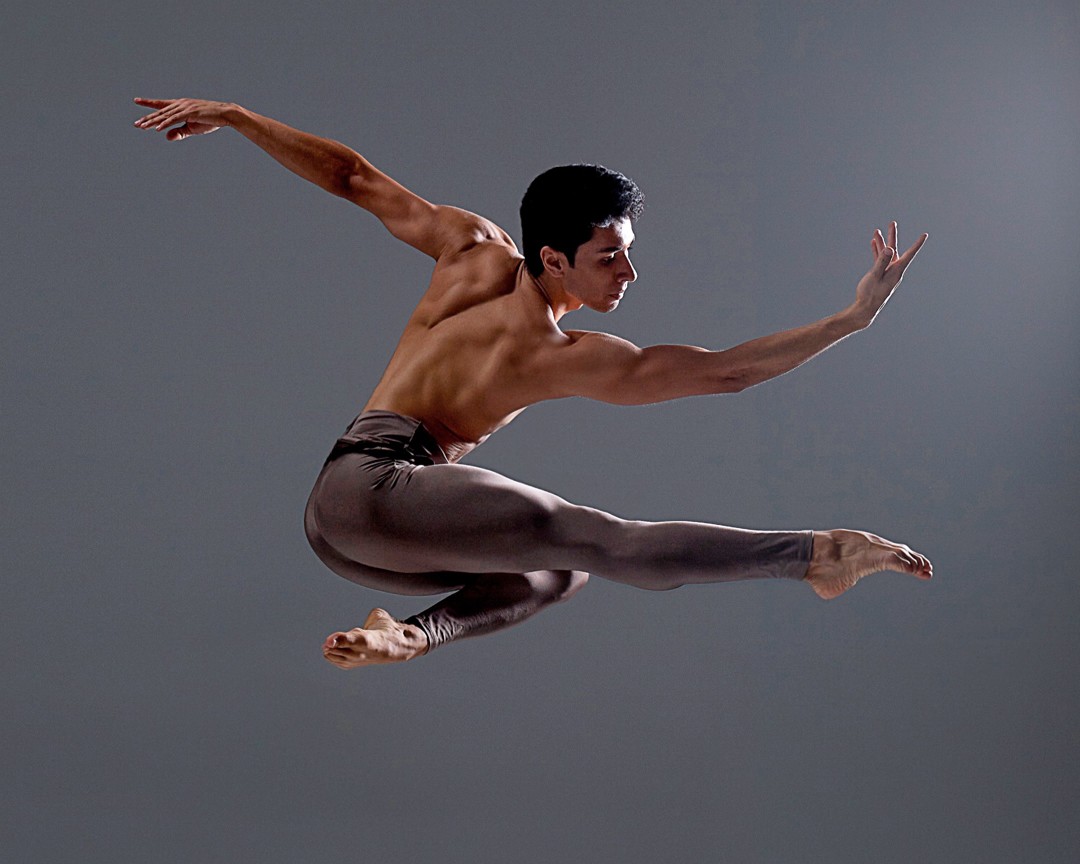
At the same time, Radha was also drawn to other dance forms. She watched ballet performances, studied their structure, and slowly developed a curiosity. Ballet, with its grace, long lines, and airy jumps, felt very different from Kathak — yet there was something in it that spoke to her.
The Idea That Changed Everything
The turning point came when Radha started wondering: What if these two worlds could meet?
Instead of seeing Kathak and ballet as opposites, she began to notice their similarities. Both forms require discipline, balance, and emotional expression. Both tell stories — sometimes without words. Both have a strong connection to music.
This realization sparked an idea: to reinterpret classic ballet variations using Kathak.
But this wasn’t a simple task. Ballet movements are built on a completely different technique. The posture, the way the body moves, even the way dancers use space — everything is different. Radha knew she couldn’t just copy ballet steps into Kathak. That would feel forced.
So she took a different approach.
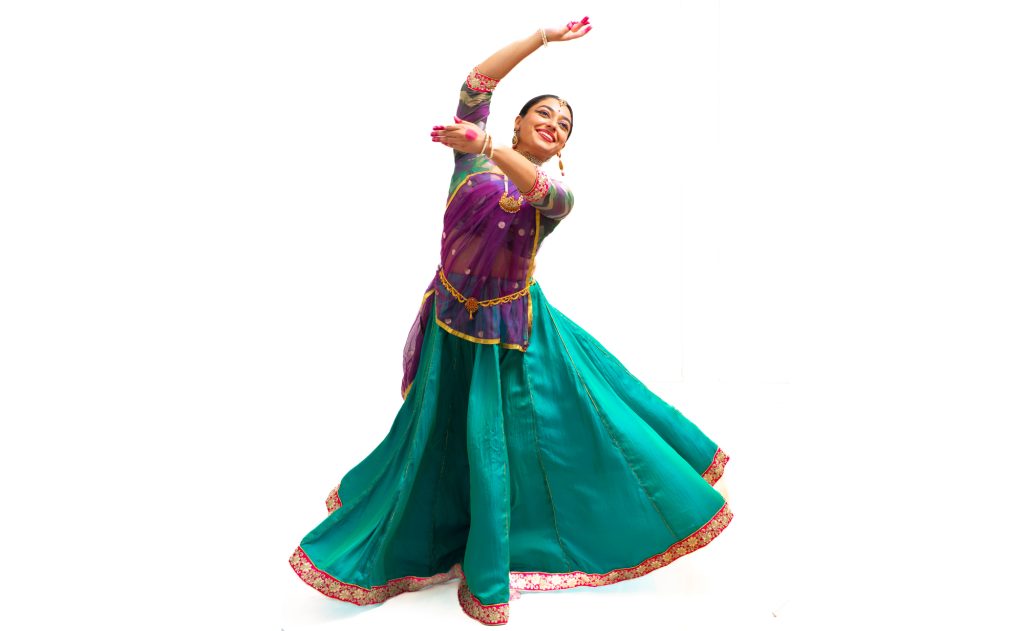
Radha Varadan’s Unique Dance Style Is Changing Classical Dance
Reimagining, Not Replacing
Instead of copying, Radha translates.
When she works on a ballet variation, she studies its story, mood, and emotional tone. Then she asks herself how Kathak would express the same feeling.
For example, a ballet piece that shows lightness and joy might be translated into Kathak through fast spins, playful expressions, and rhythmic footwork. A dramatic ballet solo might turn into intense eye expressions and powerful gestures in Kathak.
She keeps the soul of the original piece but changes the language.
This is what makes her work stand out. It doesn’t feel like a mix — it feels like a conversation between two styles.
The Challenge of Balance
Blending two classical forms is not easy. There is always a risk of losing the essence of one or both.
Radha faces this challenge carefully. She makes sure that her Kathak remains true to its roots. The footwork patterns, the storytelling style, the connection with rhythm — all of these stay intact.
At the same time, she respects ballet by understanding its structure and emotion. She doesn’t treat it lightly or use it just as decoration.
This balance is what makes her performances feel genuine rather than experimental for the sake of attention.
A New Way of Storytelling
One of the most beautiful parts of Radha’s work is how it changes storytelling.
In traditional ballet, stories are often told through group choreography and large stage movements. In Kathak, storytelling is more personal, often focusing on facial expressions and hand gestures.
When Radha reinterprets ballet through Kathak, the story becomes more intimate. The audience can see every emotion clearly. Even a small movement carries meaning.
This creates a deeper connection with the audience. You don’t just watch the dance — you feel it.
Audience Reactions
People who watch Radha’s performances often come with curiosity. Some are fans of Kathak, others of ballet, and many are new to both.
What surprises them most is how natural the fusion feels.
Instead of confusion, there is clarity. Instead of clash, there is harmony.
For ballet lovers, her work offers a fresh way to experience familiar pieces. For Kathak audiences, it shows how flexible and expressive their own tradition can be.
Many viewers say that her performances help them understand both forms better.
Breaking Stereotypes
Radha’s work also challenges a common belief — that classical dance forms must stay unchanged to stay pure.
She proves that tradition and innovation can exist together.
By staying rooted in Kathak while exploring new ideas, she shows that classical art can grow without losing its identity.
This is important, especially in today’s world where younger audiences are always looking for something new. Radha’s work makes classical dance feel more accessible without making it less meaningful.
The Role of Music
Music plays a huge role in her performances.
Instead of sticking to one style, Radha often experiments with sound as well. Sometimes she uses original ballet music but adapts her rhythm to fit Kathak. Other times, she blends Indian classical sounds with Western compositions.
This adds another layer to her work. The music itself becomes a bridge between cultures.
It also helps the audience move smoothly between the two worlds she is connecting.
Discipline Behind the Art
While her performances look effortless, they are built on intense discipline.
Reinterpreting ballet through Kathak requires deep study. Radha spends time understanding not just movements, but also history, meaning, and structure.
She practices repeatedly to make sure every step feels natural. Even small details matter — how long to hold a spin, how to shift from one expression to another, how to match rhythm with emotion.
This dedication is what makes her work feel polished and complete.
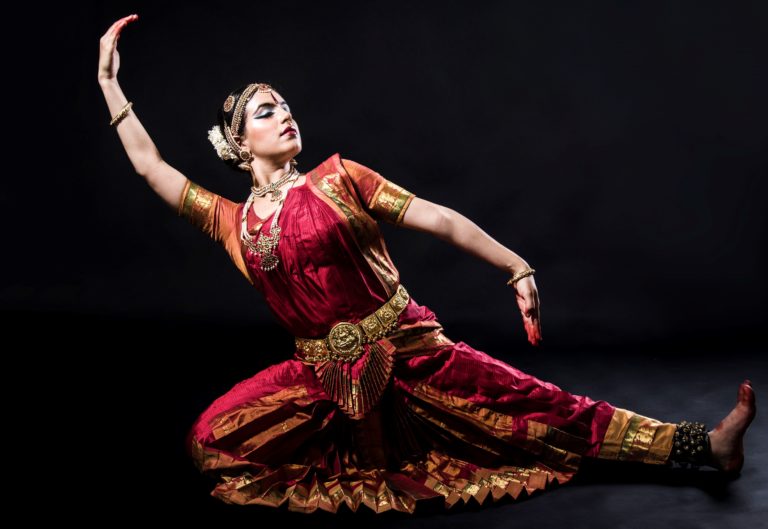
Radha Varadan’s Unique Dance Style Is Changing Classical Dance
Inspiring a New Generation
Radha Varadan is not just creating performances — she is opening doors.
Young dancers who watch her feel encouraged to think beyond boundaries. They start to see dance not just as something to follow, but something to explore.
She inspires them to respect tradition, but also to ask questions and try new ideas.
This kind of influence is powerful. It keeps art forms alive and evolving.
A Global Perspective
In a world that is becoming more connected every day, Radha’s work feels very relevant.
She brings together two cultures in a way that feels respectful and meaningful. Her performances speak to audiences across different backgrounds.
You don’t need to understand the technical details of Kathak or ballet to enjoy her work. The emotions are universal.
This makes her art easy to connect with, no matter where you come from.
Looking Ahead
Radha’s journey is still growing. With every performance, she explores new ideas and pushes her creativity further.
There is so much potential in what she is doing. She could experiment with more dance forms, collaborate with artists from different fields, or even create full productions based on this fusion style.
Whatever direction she takes, one thing is clear — she will continue to challenge expectations and create something meaningful.
Final Thoughts
Radha Varadan is a reminder that art doesn’t have to stay in one place.
By reinterpreting classic ballet variations through Kathak, she has created something unique — a space where two traditions meet, respect each other, and create beauty together.
Her work is not about changing the past. It’s about giving it a new voice.
And in doing so, she shows that dance, at its core, is not about rules or boundaries — it’s about expression, connection, and storytelling that speaks to everyone.
Read Also: Keep your face towards the sunshine and shadows will fall behind you
Watch Also: https://www.youtube.com/@TravelsofTheWorld24




Leave a Reply