
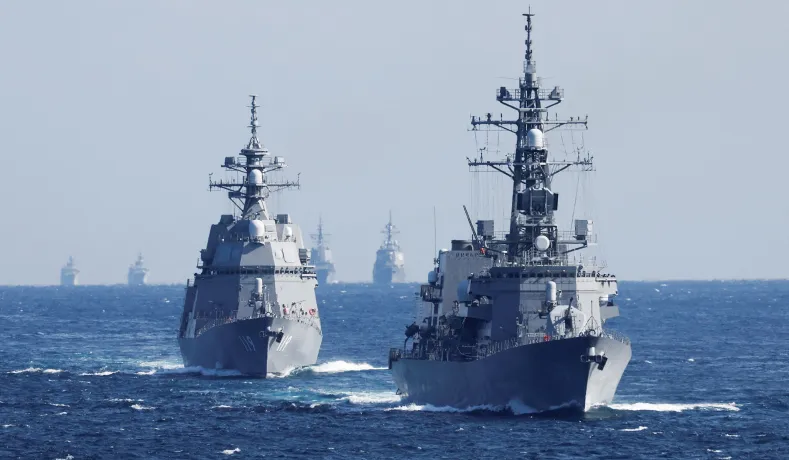
In recent years, global politics has been shifting in ways that many countries didn’t expect. One major reason behind this change is the influence of leaders like Donald Trump. His approach to foreign policy made many long-time allies of the United States rethink their security strategies.
Now, something very important is happening. Countries that once depended heavily on the US for defense are starting to look toward Japan—a country that is opening up its military and arms industry in a way not seen since World War II.
Let’s break this down in a simple way.
Why US Allies Are Feeling Uncertain
For decades, countries like those in Europe and Asia relied on the United States for protection. The US was seen as a strong and stable partner that would step in during conflicts.
But during Donald Trump’s time in power, things started to change. He often questioned long-standing alliances and asked why the US should continue paying so much for other countries’ defense.
This made many allies uncomfortable.
They began to ask:
- What if the US doesn’t support us in a crisis?
- Should we depend so much on one country?
- Do we need new defense partners?
Even after Trump’s presidency, those doubts didn’t fully disappear. The idea that US support might not always be guaranteed has stayed in the minds of many leaders.
Japan’s Big Shift in Defense Policy
At the same time, Japan has been going through its own major transformation.
After World War II, Japan adopted a pacifist constitution. This meant the country avoided building a strong military and focused more on economic growth.
But things are changing now.
Japan is slowly stepping into a new role—becoming more active in global defense. This includes:
- Increasing military spending
- Developing advanced weapons
- Expanding its defense partnerships
- Allowing arms exports to other countries
This shift is huge because for decades, Japan avoided selling weapons abroad.
Why Japan Is Opening Its Arms Industry
There are several reasons behind this change.
1. Rising Threats in the Region
Countries in Asia are facing growing tensions, especially with powers like China and North Korea. Japan feels the need to be better prepared.
2. Supporting Allies
Japan wants to play a bigger role in helping friendly countries defend themselves.
3. Economic Opportunity
The global arms market is massive. By entering this space, Japan can boost its economy and strengthen its industries.
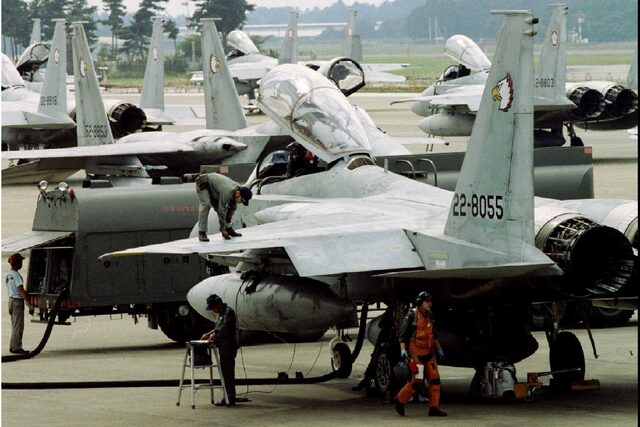
Japan’s Biggest Military Shift Since World War II Raises Global Attention
US Allies Turning Toward Japan
Now here’s where things get interesting.
Countries that once depended almost completely on the US are now exploring partnerships with Japan.
They see Japan as:
- Stable
- Technologically advanced
- Politically reliable
For example, some countries are interested in buying Japanese defense equipment or working together on military projects.
This doesn’t mean they are abandoning the US—but they are trying to reduce risk by having more options.
What Kind of Weapons Are We Talking About?
Japan is known for high-quality technology. Its defense industry is no different.
Some areas where Japan is strong include:
- Advanced missile systems
- Naval ships and submarines
- Fighter jet technology
- Cybersecurity and defense tech
As Japan relaxes its rules on arms exports, more countries may start buying these systems.
A Big Moment in History
This shift is being called Japan’s biggest defense opening since World War II—and for good reason.
For nearly 80 years, Japan stayed away from exporting weapons. Now, it is stepping into a completely new role.
This is not just a policy change—it’s a major turning point in global security.
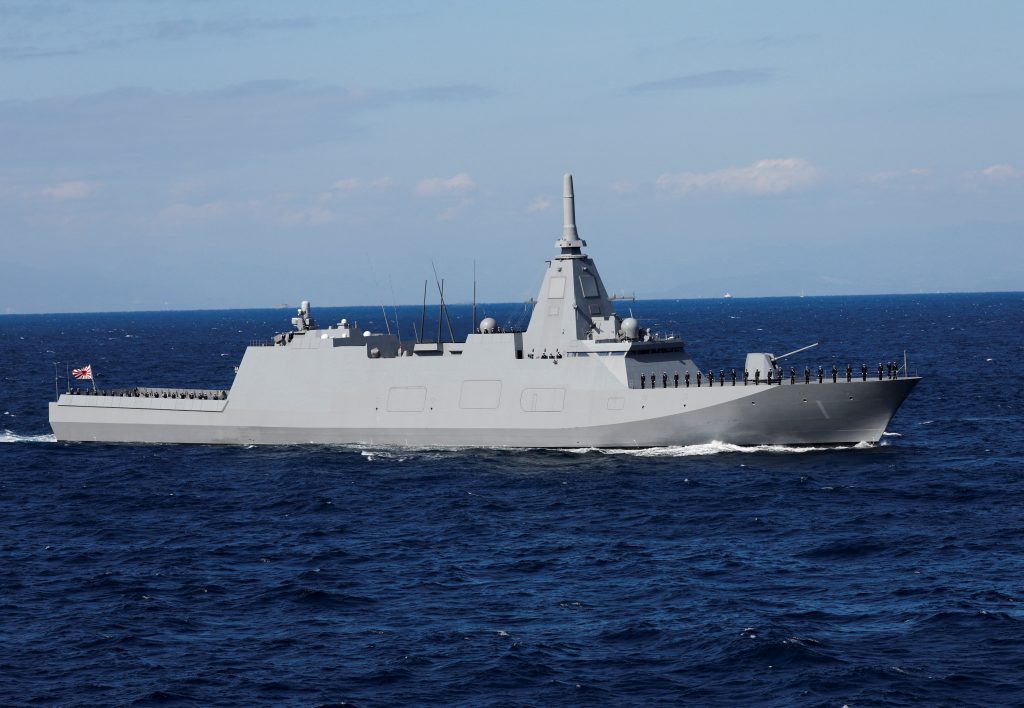
Japan’s Biggest Military Shift Since World War II Raises Global Attention
How the US Fits Into All This
Even though allies are looking at Japan, the US is still a major global power.
But the relationship is evolving.
Instead of relying only on the US, countries are:
- Building multiple partnerships
- Strengthening regional alliances
- Becoming more independent in defense
This could actually help balance global power and reduce pressure on the US.
Possible Risks and Concerns
Of course, not everyone is comfortable with these changes.
Some concerns include:
1. Increased Militarization
More weapons and stronger militaries could lead to higher tensions.
2. Regional Reactions
Countries like China may see Japan’s military expansion as a threat.
3. Breaking Tradition
Japan’s peaceful image has been a big part of its identity. Changing that could have political and social effects.
What This Means for the Future
This situation shows that the world is moving toward a more complex system.
Instead of one dominant power, we may see multiple strong players working together.
Japan’s new role could:
- Change the balance of power in Asia
- Give smaller countries more options
- Reduce over-dependence on any single country
At the same time, it could also increase competition and tension if not managed carefully.
Final Thoughts
The global defense landscape is clearly changing.
- Donald Trump’s policies created uncertainty among US allies
- Japan is stepping up in a big way
- Countries are rethinking how they protect themselves
This is not just about weapons—it’s about trust, security, and the future of global alliances.
As things continue to evolve, one thing is clear: the world is entering a new phase where countries are no longer relying on just one partner but are building stronger, more diverse connections.
Read Also: Keep your face towards the sunshine and shadows will fall behind you
Watch Also: https://www.youtube.com/@TravelsofTheWorld24








Leave a Reply