
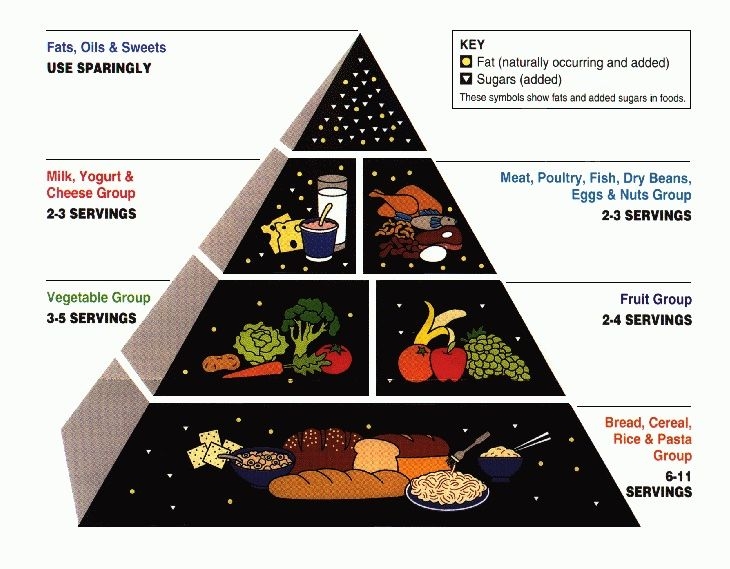
For decades, the USDA Food Pyramid guided what Americans ate, showing a simple chart of foods to eat more or less of. But over time, experts realized the pyramid needed updating. Nutrition science evolved, and our understanding of health, disease, and lifestyle changed.
Here’s an easy explanation of why the USDA updated its diet recommendations.
1. Original Food Pyramid
The original USDA Food Pyramid, introduced in 1992, suggested:
- Bottom Layer: Grains, like bread, rice, and pasta, to eat the most
- Middle Layers: Fruits, vegetables, and dairy products
- Top Layer: Fats, oils, and sweets to eat sparingly
- Protein: Meat, poultry, fish, and beans in the middle
It was simple and easy to understand, helping people balance meals.
2. Problems with the Old Pyramid
Over time, nutrition experts noticed issues:
- Too Many Carbs: The pyramid emphasized grains, which led some people to eat too many refined carbs
- Not Enough Healthy Fats: People avoided fats entirely, even healthy ones like nuts, seeds, and olive oil
- Confusing Messages: Some people thought they could eat unlimited grains and still be healthy
- Chronic Disease Rise: Obesity, diabetes, and heart disease continued to increase, showing diet guidance wasn’t enough
These problems showed that the pyramid needed an update.
3. New Understanding of Nutrition
Scientific research revealed more about how the body uses food:
- Quality Matters: Whole grains, fruits, vegetables, and healthy fats are better than refined carbs and processed foods
- Balanced Diet: Protein, fiber, and micronutrients are important for energy, growth, and overall health
- Portion Control: How much we eat is just as important as what we eat
- Lifestyle Connection: Diet works best when combined with exercise and healthy habits
This led to a more nuanced approach to healthy eating.
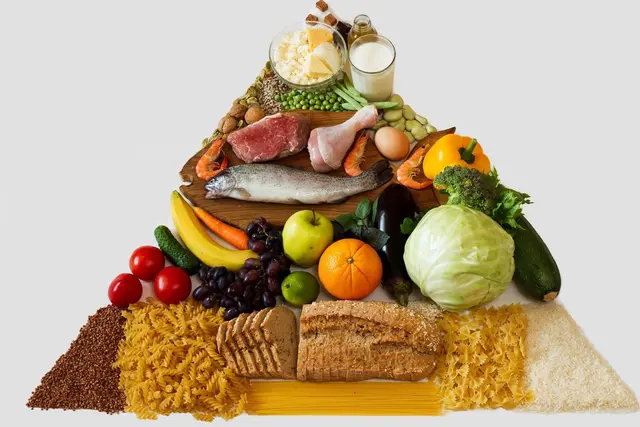
Why the USDA Food Pyramid Diet Recommendations Changed
4. The New Guidelines
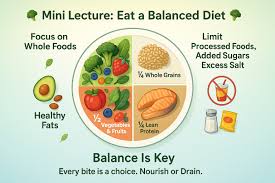
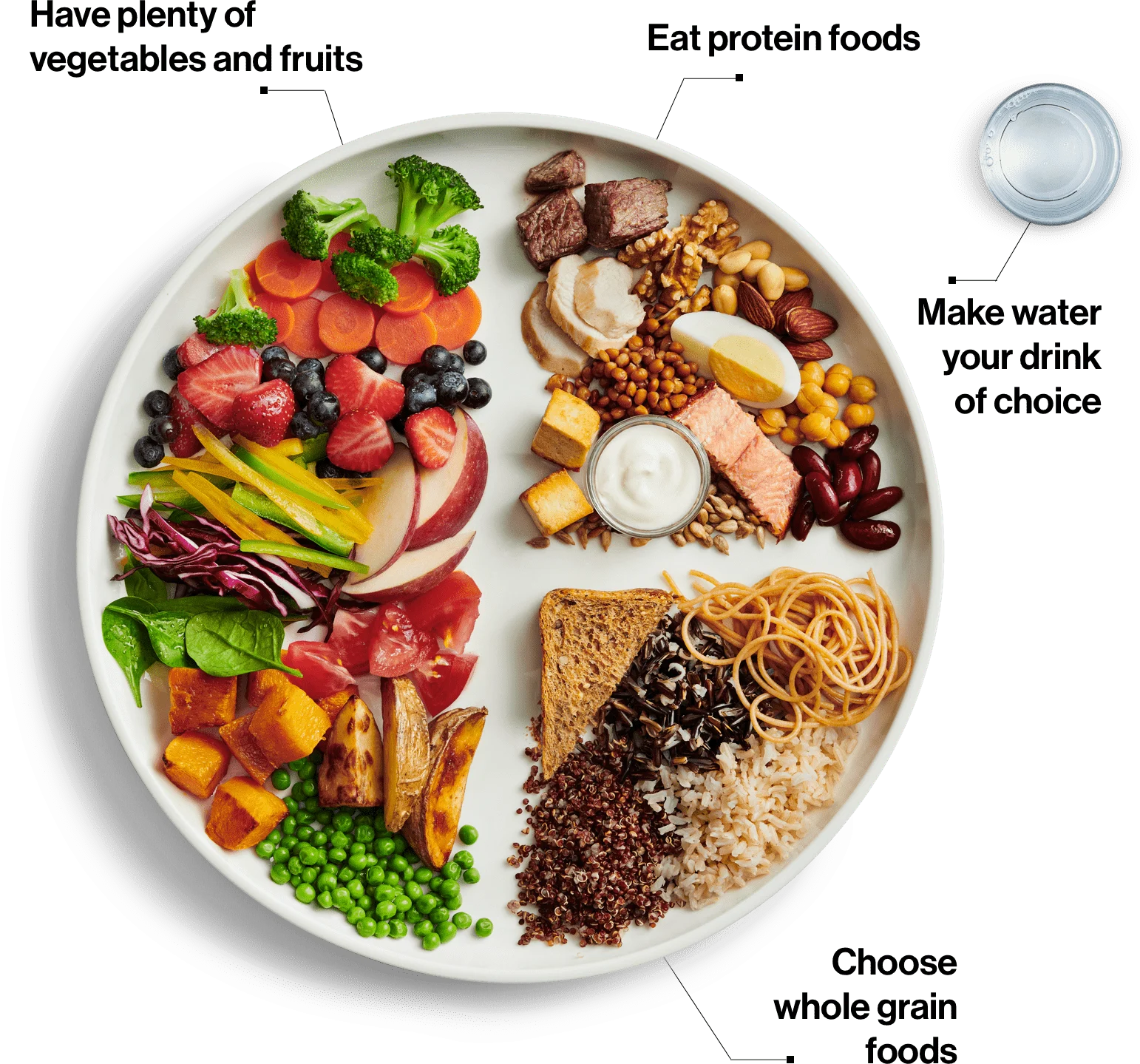
In 2011, the USDA replaced the Food Pyramid with MyPlate, a visual guide showing a plate divided into:
- Half the Plate: Fruits and vegetables
- One-Quarter: Protein
- One-Quarter: Grains, focusing on whole grains
- Small Circle: Dairy on the side
MyPlate emphasizes balance, portion control, and quality over simply following layers.
5. Key Changes from Pyramid to Plate
Some important changes include:
- Less Emphasis on Grains: Whole grains are prioritized, refined carbs are limited
- Healthy Fats Are Encouraged: Nuts, seeds, and olive oil are included in a balanced diet
- More Fruits and Vegetables: Half the plate encourages nutrient-rich foods
- Visual Simplicity: A plate is easier to relate to real meals than a pyramid
- Behavior Focus: Portion sizes, meal planning, and healthy habits are highlighted
These changes reflect modern nutrition science and lifestyle needs.
6. Why It Matters
Updated guidelines help people:
- Prevent Chronic Diseases: Heart disease, diabetes, and obesity risk is reduced
- Eat Mindfully: Encourages choosing nutrient-dense foods and controlling portions
- Adapt to Modern Life: Busy lifestyles require simple, practical advice
- Educate Children: Schools use MyPlate to teach kids about healthy eating habits
By focusing on balance, MyPlate gives clearer guidance for healthier living.
Conclusion
The USDA Food Pyramid was a helpful starting point, but science and health trends showed it needed improvement. The shift to MyPlate reflects a better understanding of nutrition, focusing on quality, portion sizes, and a balanced diet.
Eating well isn’t just about following rules — it’s about making choices that support long-term health and a sustainable lifestyle.
Read Also: Keep your face towards the sunshine and shadows will fall behind you
Watch Also: https://www.youtube.com/@TravelsofTheWorld24













Leave a Reply