

Finishing 12th grade is a major milestone in a student’s life. It marks the end of school and the beginning of a new journey—choosing the right career path. But many students feel confused about what to do next. Should they go to college? Which course should they choose? What career will give them the best opportunities?
With so many options available in 2026, making the right choice can be overwhelming. The good news is, with proper guidance and planning, students can make decisions that suit their interests, skills, and future goals.
In this article, we’ll discuss practical advice and guidance for students finishing 12th grade. We’ll cover academic paths, career options, skill development, and personal growth to help students take their next step confidently.
Understanding Your Options
After 12th, students usually face three main paths:
- Higher Education – Pursuing a degree or diploma in a chosen field.
- Skill-Based Courses – Learning specific skills for a career.
- Employment – Starting work directly after school.
Each option has its benefits. The right choice depends on your interests, strengths, and career goals.
Higher Education
Higher education is the most common path. It includes:
- Undergraduate Degrees – Such as B.Sc., B.Com, B.A., B.Tech., BBA, and more.
- Diploma Courses – Shorter courses in specific fields.
- Professional Courses – Such as engineering, medical, law, design, and more.
Higher education provides knowledge, opens doors to advanced careers, and helps in long-term growth.
Skill-Based Courses
Skill-based courses focus on practical abilities required in the workforce. These include:
- Digital marketing
- Coding and programming
- Graphic designing
- Photography and videography
- Data analysis
These courses can be completed quickly and often lead directly to jobs or freelancing opportunities.
Employment
Some students choose to start working immediately after 12th. This path is suitable for those who:
- Want financial independence early
- Have a clear idea of the job they want
- Are willing to learn on the job
While starting work early has advantages, students should continue learning to grow in their careers.
Choosing the Right Field
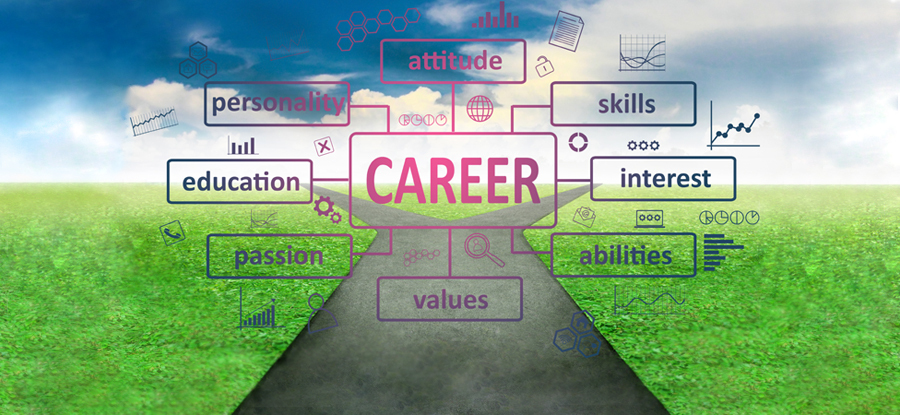
Choosing a career path requires understanding your strengths, interests, and the opportunities available.
Step 1: Identify Your Interests
Ask yourself:
- What subjects do I enjoy the most?
- Which activities make me happy?
- What kind of work excites me?
Understanding your interests is the first step to choosing the right path.
Step 2: Know Your Strengths
Evaluate your strengths, such as:
- Analytical skills
- Creativity
- Communication skills
- Leadership ability
- Problem-solving skills
Matching your strengths with your career options increases the chance of success.
Step 3: Research Career Options
Learn about different careers, including:
- Scope and demand
- Salary and growth opportunities
- Required skills and education
- Work environment
This research helps you make an informed choice instead of guessing or following trends.
Popular Career Paths in 2026
In 2026, several career paths are expected to have strong growth and opportunities:
1. Technology
Technology remains one of the fastest-growing sectors. Careers include:
- Software development
- Data science and analytics
- Artificial intelligence and machine learning
- Cybersecurity
- Web and app development
Technology careers often pay well, offer remote opportunities, and are in demand globally.
2. Healthcare
Healthcare is another high-demand field. Careers include:
- Medicine and nursing
- Pharmacy
- Physiotherapy
- Nutrition and dietetics
- Medical lab technology
Healthcare provides stable jobs and the chance to help people.
3. Business and Management
Business and management careers are suitable for students interested in leadership, entrepreneurship, and strategy. Options include:
- BBA and MBA
- Marketing and sales
- Human resources
- Finance and accounting
- Entrepreneurship
These careers often offer growth opportunities in both corporate and startup sectors.
4. Creative Fields
For creative students, opportunities in 2026 include:
- Graphic and UI/UX design
- Animation and VFX
- Photography and filmmaking
- Content creation and digital media
- Fashion and interior design
Creativity combined with skills can lead to a successful and fulfilling career.
5. Vocational and Skill-Based Careers
Not every career requires a degree. Skill-based fields are growing fast:
- Digital marketing
- Web development
- Cybersecurity
- E-commerce management
- Freelancing opportunities
These careers often provide faster entry into the workforce and flexibility.
Importance of Skill Development
In today’s world, skills are just as important as degrees. Career guidance after 12th should focus on building both:
Essential Skills for 2026
- Communication: Speaking, writing, and presenting ideas clearly.
- Problem-Solving: Finding solutions and thinking critically.
- Digital Skills: Using technology effectively for work.
- Teamwork: Working collaboratively with others.
- Adaptability: Learning new things and adjusting to change.
Students who focus on skill development are more likely to succeed and adapt to future changes.
How to Make Informed Decisions
Career decisions should be based on knowledge, not pressure or trends.
Steps to Make Smart Decisions
- Self-Assessment: Know your interests and strengths.
- Research: Learn about courses, colleges, and careers.
- Seek Guidance: Talk to career counselors, mentors, or teachers.
- Explore Options: Try internships, workshops, and online courses.
- Plan Ahead: Set short-term and long-term goals.
Following these steps reduces stress and ensures that your choice is well thought out.
Role of Career Guidance Cells
Many schools and colleges have career guidance cells that help students:
- Understand different career options
- Provide information on colleges, courses, and entrance exams
- Organize workshops and seminars
- Offer mentorship and counseling
Career guidance cells are especially useful for students who feel confused or overwhelmed after 12th.
Personal and Professional Growth
Career planning is not just about choosing a job. It also helps in personal and professional growth:
- Confidence: Helps students believe in their abilities.
- Decision-Making: Teaches students to evaluate options carefully.
- Networking: Builds connections with mentors, peers, and professionals.
- Continuous Learning: Encourages students to keep updating their skills.
These qualities are essential for success in any career.
Real-World Exposure
Practical experience is crucial after 12th. Students should explore:
- Internships: Gain hands-on experience in your field of interest.
- Workshops: Learn new skills and techniques.
- Job Shadowing: Observe professionals to understand daily work.
- Online Courses: Explore emerging fields like AI, coding, or digital marketing.
Exposure helps students understand their field better and make more confident choices.
Handling Pressure and Expectations
Many students face pressure from family, friends, or society about their career choices.
Tips to handle pressure:
- Stay focused on your interests and strengths
- Take advice, but don’t follow blindly
- Set your own goals
- Take small steps and evaluate progress regularly
A clear mind helps in making better decisions.
Preparing for Competitive Exams
If your chosen path requires entrance exams, preparation is key. Steps include:
- Understand exam patterns and syllabus
- Practice previous years’ papers
- Take coaching or online courses if needed
- Stay consistent and disciplined
Good preparation improves chances of admission in your desired course or college.
Lifelong Learning and Adaptability
The job market is changing fast. Learning does not stop after 12th or college. Students should:
- Stay updated with industry trends
- Learn new skills regularly
- Adapt to new tools, technologies, and methods
Lifelong learning ensures that you remain competitive and successful in your career.
Conclusion
Choosing what to do after 12th can feel overwhelming, but with proper guidance, research, and self-awareness, it becomes manageable.
Key points to remember:
- Know your interests and strengths
- Research career options thoroughly
- Focus on skill development along with academics
- Seek guidance from mentors, counselors, and career cells
- Gain real-world experience through internships and workshops
- Handle pressure and set your own goals
- Keep learning continuously
In 2026, there are endless opportunities for students. The right choice depends on understanding yourself, exploring your options, and taking informed steps toward your future.
By following these guidelines, students can move confidently from 12th grade into a fulfilling and successful career.
Read Also: Keep your face towards the sunshine and shadows will fall behind you
Watch Also: https://www.youtube.com/@TravelsofTheWorld24












Leave a Reply