
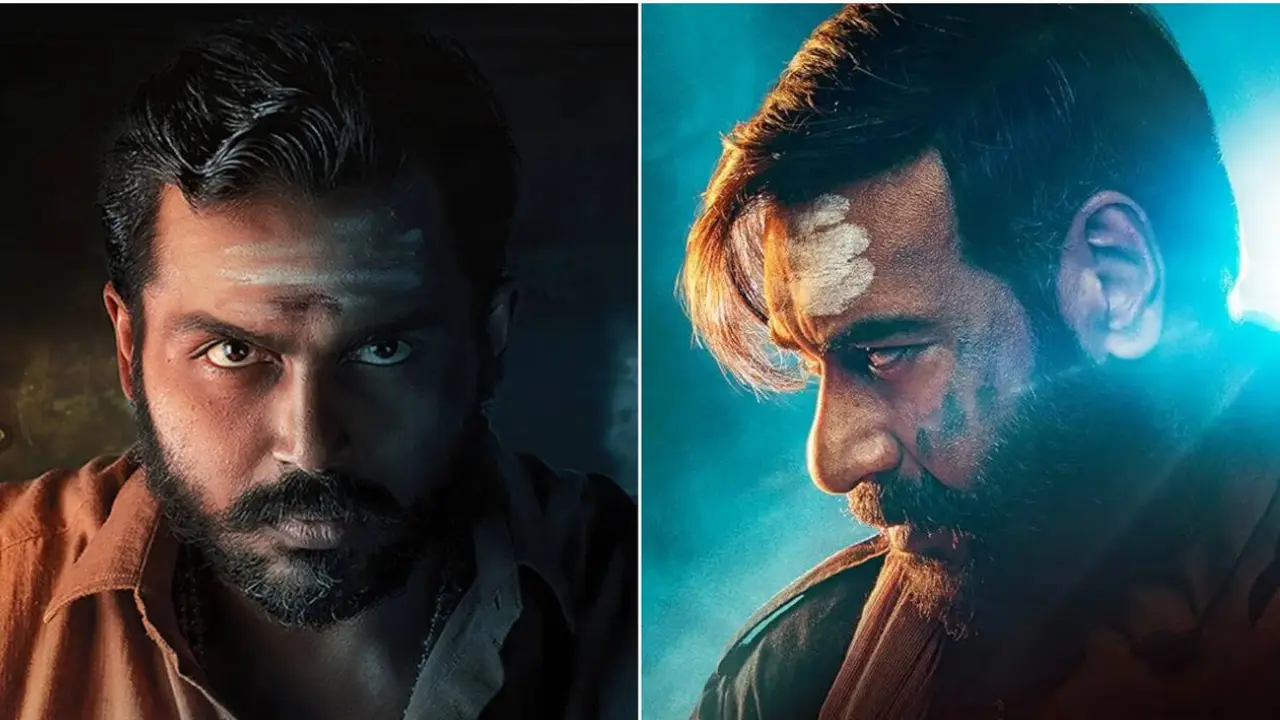
In a big development in the Indian film industry, Dream Warrior Pictures, the production company behind the hit movie Kaithi, has approached the Bombay High Court over an alleged copyright issue involving the film Bholaa. This legal move has grabbed attention because both films are recent hits and the controversy touches on important questions about creativity and rights in cinema.
Many fans, filmmakers, and viewers are trying to understand what exactly has happened, why this legal battle started, and what it means for the future of film making in India. So let’s break it down in simple terms, step by step, so you can follow the story without confusion.
1. The Films: What Are Kaithi and Bholaa?
Before we talk about the legal dispute, it’s important to know a little about the two films at the center of this row:
Kaithi
- Kaithi is a Tamil action thriller movie released in 2019.
- It was produced by Dream Warrior Pictures.
- The film was widely praised for its intense story, action scenes, and the way it kept audiences engaged.
- It became a popular and successful movie, winning both critical and commercial appreciation.
Bholaa
- Bholaa is a Hindi action film that was released more recently.
- It was directed by a well‑known filmmaker and starred a major Bollywood actor.
- When Bholaa came out, many viewers noticed similarities between its plot and Kaithi.
- Because of those similarities, fans and critics started talking about whether it was inspired by Kaithi or something else.
With these films now in the spotlight, the situation became more complicated when Dream Warrior Pictures decided to take legal action.
2. What Triggered the Legal Action?
Dream Warrior Pictures claimed that Bholaa copied aspects of Kaithi without permission. They filed a petition with the Bombay High Court, saying that Bholaa violated their copyright — meaning that Bholaa allegedly used significant parts of Kaithi without the company’s approval.
In simple words, Dream Warrior Pictures argued that Bholaa was not just inspired by their film — it allegedly copied important elements from it.
When a movie is made, its script, characters, structure, scenes, and sequence of events are protected by copyright law. Copyright is meant to stop others from copying a creative work without permission.
So if two films have major similarities, it can lead to questions like:
- Did the second film use the original film’s story?
- Was permission taken from the copyright owner?
- Is the similarity just coincidence or actual copying?
These are the kinds of questions the High Court will have to consider as part of the legal process.
3. What Does Copyright Mean in Films?
Copyright is a legal concept that gives the creator of a work — such as a film — exclusive rights over how that work is used. It prevents others from copying or using the work without permission.
When it comes to films, copyright can protect:
- the script and written story
- characters and their development
- dialogues
- sequences and scenes
- music and songs
- cinematography style
- overall narrative structure
However, copyright does not protect general ideas like “a story about revenge” or “an action chase.” What is protected is the expression of the idea — meaning the specific way the story is told.
So, if two movies have a similar idea but different execution — characters, dialogues, sequences — then copyright may not be violated. But if the similarities go beyond general ideas and include actual structure or scenes that look the same, then it becomes a legal concern.
In the Kaithi vs Bholaa row, Dream Warrior Pictures claimed the similarities were deep enough to warrant legal action.
4. What Exactly Did Dream Warrior Pictures Claim?
Dream Warrior Pictures said that Bholaa showed major similarities with Kaithi in terms of plot, scenes, and storytelling style.
Some of the key points they raised include:
- Plot similarity: Both films revolve around intense action and a character’s journey involving challenges and missions under pressure.
- Scene resemblance: Certain sequences in Bholaa were said to look closely like scenes in Kaithi, including tension, escape moments, and character reactions.
- Character and pacing: The way major events unfolded in Bholaa was claimed to be similar to that in Kaithi.
Based on these observations, Dream Warrior Pictures argued that Bholaa was not just inspired by Kaithi, but had copied significant portions of its structure and storytelling without authorization.
As a result, they moved the Bombay High Court, asking for protection of their rights and possibly compensation for the alleged copyright violation.
It’s important to note that these are allegations — meaning that the court will examine both sides before reaching any conclusion.
5. What Is the Bombay High Court Doing?
After receiving the petition from Dream Warrior Pictures, the Bombay High Court is now reviewing the matter. The court will look at:
- the arguments presented by Dream Warrior Pictures
- the response from the makers of Bholaa
- comparison of both films’ content
- expert opinions if needed
- copyright law and how it applies to the case
Both parties will get a chance to present their sides. Dream Warrior Pictures will explain why they believe their copyright was violated. The makers of Bholaa will respond, likely arguing that their film is original and that any similarity is either coincidental or falls within legal limits.
The court’s role is to carefully consider the evidence and decide whether copyright has been violated or not. Copyright cases in films can be complex, especially when both sides claim originality.
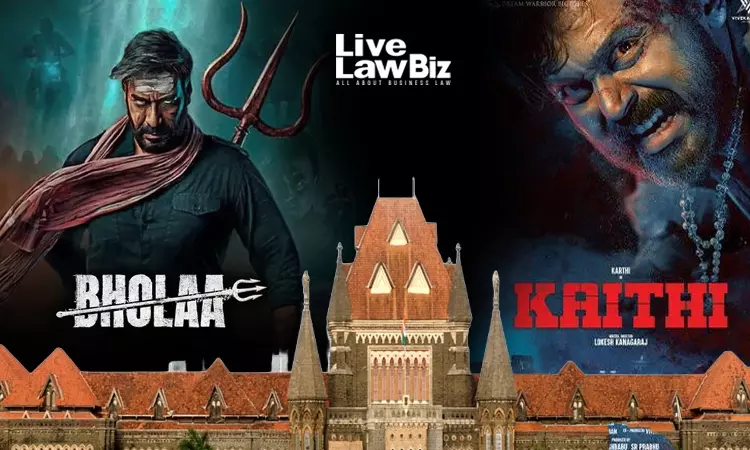
Kaithi vs Bholaa Row: Dream Warrior Pictures Moves Bombay High Court Over Alleged Copyright Violation
6. Why This Legal Battle Is Important
This case is attracting attention not just because it involves big films, but also because it raises important questions about originality, creativity, and influence in the film industry.
Here are a few reasons why the Kaithi vs Bholaa case matters:
a. Protecting Original Work
If a film is truly original and successful, its creators have the right to protect it. Copyright law exists to make sure artists and creators are rewarded for their work and that others can’t simply copy it without permission.
b. Inspiration vs. Imitation
In cinema, many films are inspired by others. But there is a fine line between inspiration and imitation. Inspiration means using an idea and creating something new. Imitation means copying too closely. The court will have to decide which of these applies here.
c. Setting a Legal Example
The outcome of this case could influence future copyright disputes in Indian cinema. Filmmakers and writers will be watching to see how the court interprets similarities in storytelling, characters, and scenes. This could help other creators understand how to protect their work better.
d. Audience Awareness
Fans and viewers, especially in the age of social media, often compare films immediately after release. But legal disputes are serious and involve detailed study, not just casual opinions. This case shows how fan discussions and legal realities can be different.
7. What the Filmmakers of Bholaa Might Say
While Dream Warrior Pictures has openly raised the issue, the team behind Bholaa has the right to respond in court. They may argue points such as:
- the films are based on general action genre themes
- similarities are only superficial or common to many action movies
- their own script and characters were developed independently
- any resemblance is coincidental and not a violation of copyright
Their lawyers will likely use legal precedents and examples of past films to support their case.
Until the court decision is made, both sides are presenting their perspectives.
8. How Fans Are Reacting
Ever since news of the legal case broke, fans have had a lot to say on social media. Some fans stand with Dream Warrior Pictures, agreeing that Bholaa felt similar to Kaithi. Others argue that action films often share similar elements and that Bholaa tells its own story.
Here are some common fan reactions:
- Some fans say: “Kaithi was unique; Bholaa felt too similar.”
- Others say: “Every action film has common tropes — this is normal.”
- Many are confused: “Why is this even a legal case?”
- Some feel protective of both films: “Both movies are enjoyable, let the court decide.”
The online debate shows how passionate movie lovers are about originality and fairness.
9. What Happens Next in Court?
In copyright cases, the court usually:
- Examines both films closely, scene by scene, to check similarities.
- Listens to arguments from both sides.
- May seek expert opinions from writers, filmmakers, or critics.
- Applies copyright law to judge whether significant parts were copied.
- Decides whether to protect the original work or reject the claim.
The process may take time. These cases are detailed and require careful study, not snap judgments.
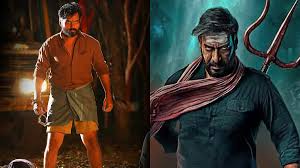
Kaithi vs Bholaa Row: Dream Warrior Pictures Moves Bombay High Court Over Alleged Copyright Violation
10. Why This Case Is Not Just About Two Films
This dispute is about more than just Kaithi and Bholaa. It reflects how the Indian film industry is evolving:
a. Greater Awareness of Rights
Creators are more aware of their rights today. They want to make sure their stories and ideas are safely protected.
b. Bold Legal Steps
Production houses are now willing to take bold legal steps to defend originality. This shows how important intellectual property has become in cinema.
c. Importance of Storytelling
At the end of the day, audiences love good stories. When stories feel too familiar or repeated, fans notice. This makes the question of originality important not just legally but emotionally too.
11. Can Inspiration Be Legally Accepted?
Yes. In many cases, films can be said to be inspired by others without breaking copyright law. For example:
- A film inspired by a classic novel may still be original if it presents characters and scenes differently.
- Movies with similar themes, like revenge or love, are not automatically violations.
- Action sequences might feel similar simply because many action films follow common formats.
The key question in this case will be whether Bholaa copied specific expressive elements from Kaithi or whether the similarities are general and common to many films.
12. Past Copyright Cases in Film
In the past, there have been many legal battles in Indian and international cinema involving copyright issues. Some cases resulted in compensation, some in shared credits, and others saw the court rejecting the claim.
Every case is unique, and judges look at details like:
- how similar the plots really are
- whether the screenplay matches
- whether scenes are identical
- whether characters behave in the same way
- whether the experience of watching the films feels too close
The legal system tries to be fair to both creators and the audience.
13. Why Filmmakers Should Be Careful
This case is a reminder to filmmakers that:
- legal checks before making a film can save trouble later
- if a story is inspired by another, proper agreements should be made
- documentation and rights clearance help protect everyone
- audiences and critics will notice similarities, intentional or not
Planning ahead and taking legal advice early can prevent disputes after release.
14. What This Means for the Film Industry
Whether Dream Warrior Pictures wins or not, this case highlights:
- the importance of respecting original work
- how legal frameworks influence creativity
- the passion of audiences in defending originality
- why storytelling is considered valuable property
It also teaches upcoming filmmakers to be mindful when borrowing elements from other works.
15. Final Thoughts
The Kaithi vs Bholaa row is a major moment in Indian cinema. It shows how seriously production houses now treat copyright and creative rights. While fans debate and the court studies the films, one thing is clear: originality matters.
Stories and characters are the heart of cinema. When two films appear similar, it raises important questions about creativity, influence, and ownership.
As the Bombay High Court examines both sides, the industry watches closely. The final decision could set an example for how future disputes are handled.
For now, audiences can only wait and hope that justice is served — not just for one production house, but for the creative spirit that keeps cinema alive.
Read Also: Keep your face towards the sunshine and shadows will fall behind you
Watch Also: https://www.youtube.com/@TravelsofTheWorld24





Leave a Reply