
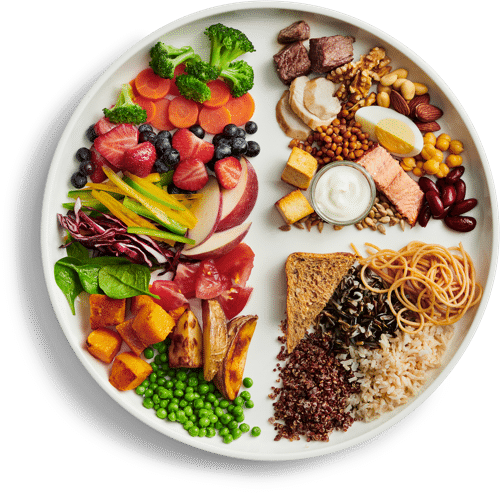
Eating a healthy, balanced diet is one of the most important things you can do to stay healthy and prevent serious illnesses. What we eat every day affects our energy, body weight, immunity, and even mental health. Good nutrition is not just about losing weight; it’s about giving your body the fuel it needs to work at its best.
Why Healthy Eating Matters
Healthy eating plays a key role in preventing many diseases. Studies show that up to 80% of premature heart disease and stroke can be avoided by making the right lifestyle choices, like eating nutritious food and staying physically active.
Some of the benefits of healthy eating include:
-
Stronger Heart – Reduces the risk of heart disease and high blood pressure.
-
Better Weight Management – Helps maintain a healthy weight and prevents obesity.
-
Stronger Immunity – Nutrients like vitamins and minerals boost the immune system.
-
Better Digestion – Fiber-rich foods keep your digestive system healthy.
-
More Energy – Healthy foods provide consistent energy throughout the day.
-
Mental Health – Good nutrition supports focus, memory, and mood.
Components of a Healthy Diet
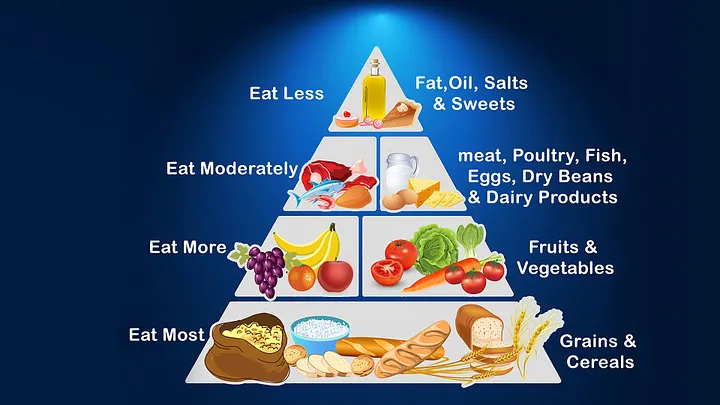
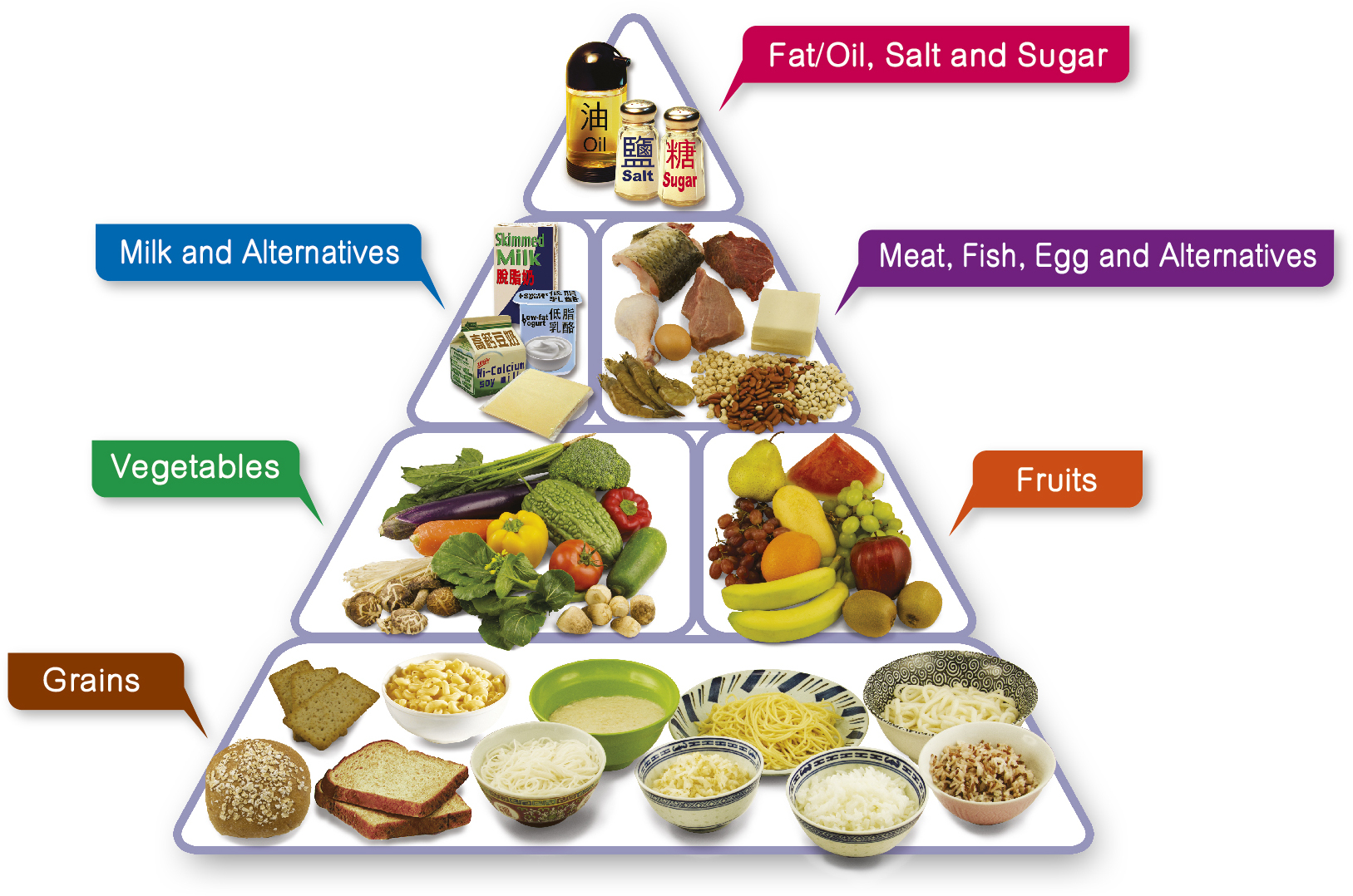
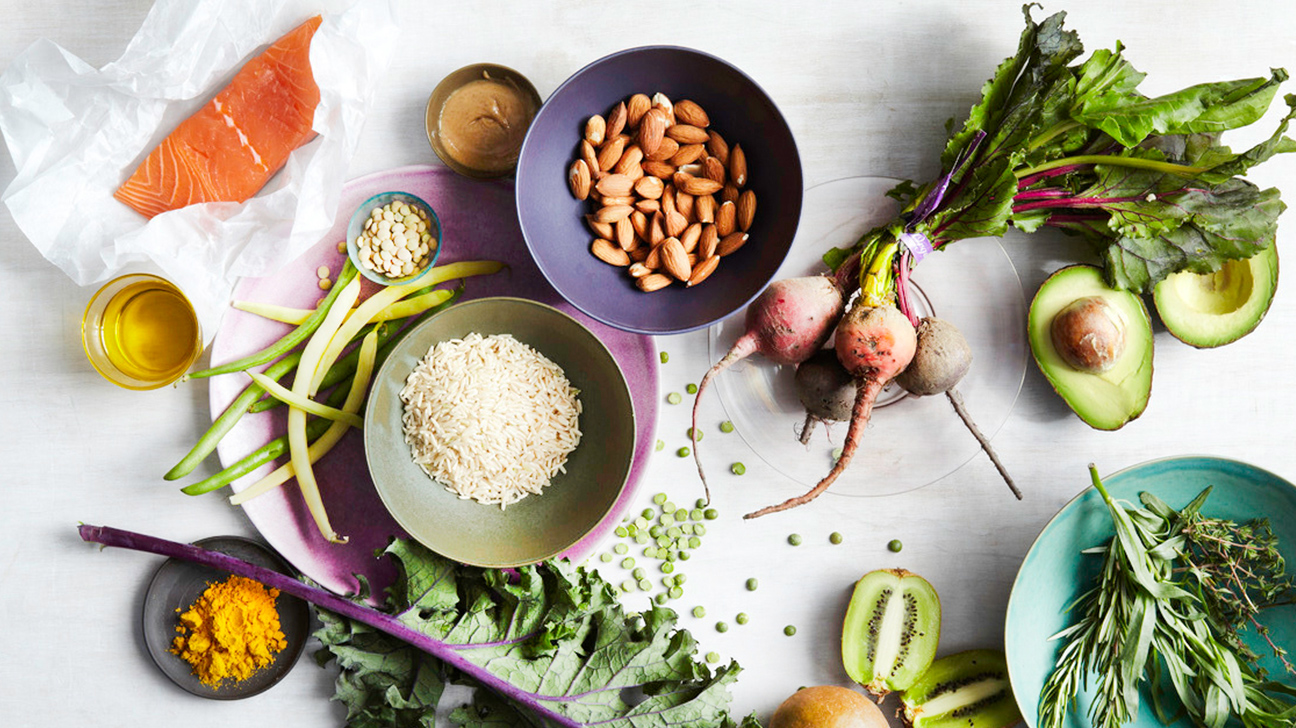
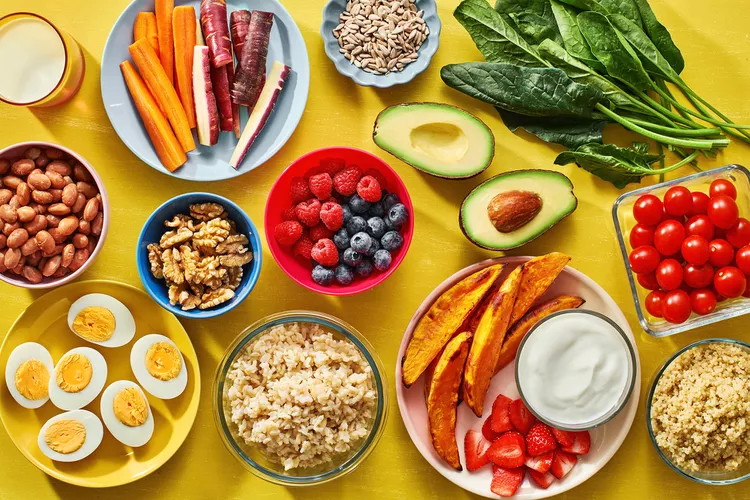
A balanced diet includes a mix of different foods that provide essential nutrients. Here’s a simple breakdown:
1. Fruits and Vegetables
-
Why They’re Important: Packed with vitamins, minerals, fiber, and antioxidants. They help prevent diseases, improve digestion, and keep your skin healthy.
-
Serving Suggestion: Fill half your plate with fruits and vegetables. Eat a variety of colors to get a wide range of nutrients.
-
Tips: Fresh, seasonal produce is best. Try steaming, roasting, or eating raw for maximum nutrients.
2. Whole Grains
-
Why They’re Important: Provide carbohydrates for energy and fiber for digestion.
-
Examples: Brown rice, oats, whole wheat bread, barley, quinoa, and millet.
-
Tips: Replace refined grains (white rice, white bread) with whole grains for longer-lasting energy and better heart health.
3. Protein
-
Why It’s Important: Proteins are building blocks for muscles, skin, and organs. They also help repair cells and fight infections.
-
Examples: Lean meats, fish, eggs, beans, lentils, nuts, and seeds.
-
Tips: Include a source of protein in every meal. Mix plant and animal proteins for variety.
4. Healthy Fats
-
Why They’re Important: Fats are essential for brain function, energy, and absorbing certain vitamins.
-
Examples: Olive oil, avocado, nuts, seeds, and fatty fish like salmon.
-
Tips: Avoid trans fats and limit saturated fats found in fried foods and processed snacks.
5. Dairy or Alternatives
-
Why They’re Important: Provide calcium, protein, and vitamin D for strong bones and teeth.
-
Examples: Milk, yogurt, cheese, or fortified plant-based alternatives like almond or soy milk.
-
Tips: Choose low-fat or full-fat options depending on your dietary needs.
6. Water
-
Why It’s Important: Keeps your body hydrated, helps digestion, and regulates body temperature.
-
Tips: Aim for 6–8 glasses per day. Avoid sugary drinks and limit caffeine.
Healthy Eating Habits
It’s not just what you eat but how you eat that matters. Simple habits can make a big difference.
-
Eat Regular Meals – Don’t skip breakfast; it fuels your body for the day.
-
Portion Control – Avoid overeating by using smaller plates and listening to hunger cues.
-
Mindful Eating – Eat slowly, enjoy every bite, and avoid distractions like TV or phones.
-
Limit Sugary and Processed Foods – Too much sugar and packaged food can cause weight gain and health problems.
-
Snack Smart – Choose fruits, nuts, or yogurt instead of chips or candy.
Planning a Healthy Plate
A simple way to plan meals is to follow the “plate method”:
-
Half Plate – Fruits and vegetables
-
Quarter Plate – Lean protein
-
Quarter Plate – Whole grains
-
Add Healthy Fats – Drizzle olive oil, add avocado, or include nuts
-
Drink Water – With every meal
This method ensures a balance of nutrients in every meal and helps manage portion sizes.
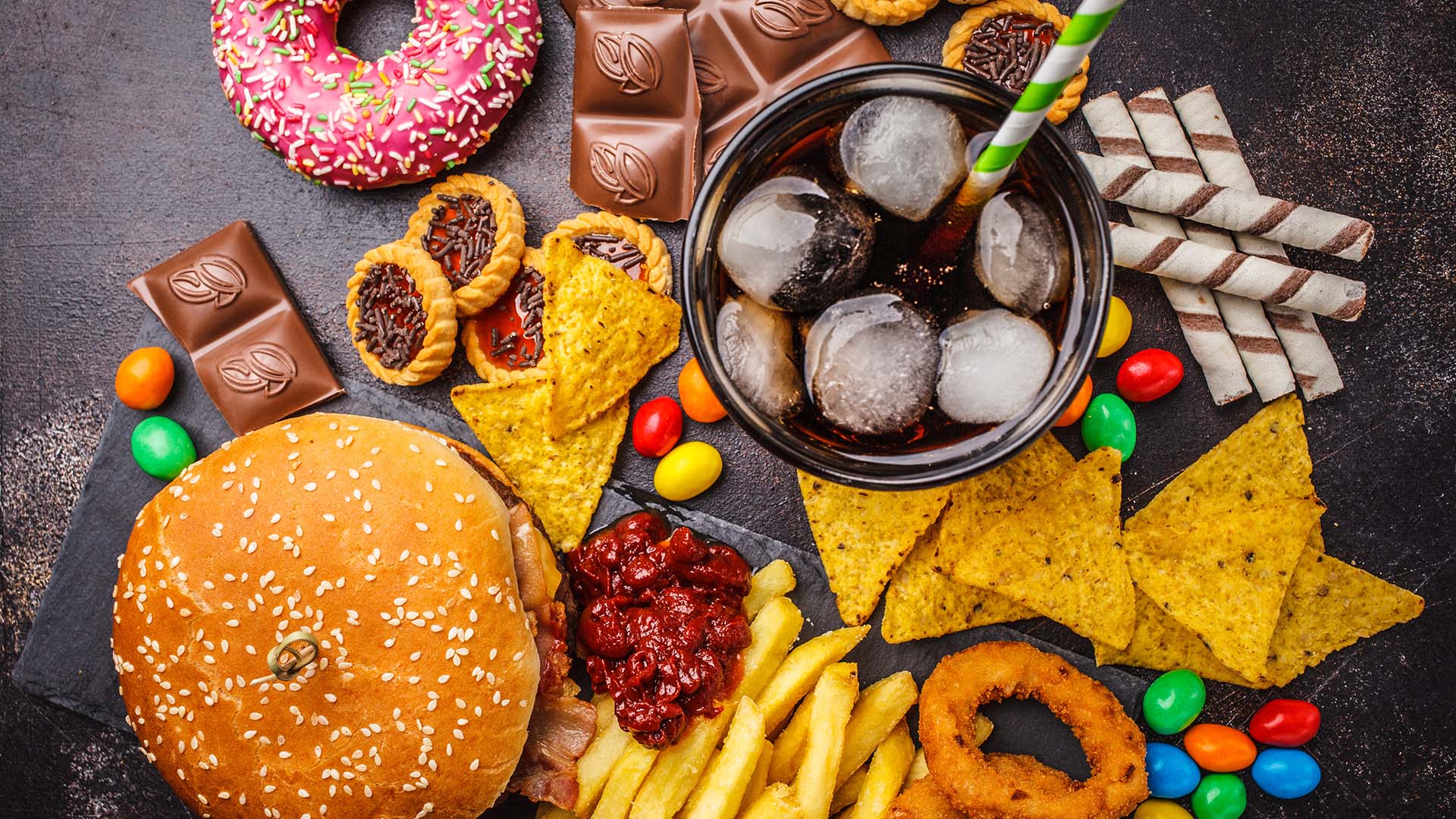
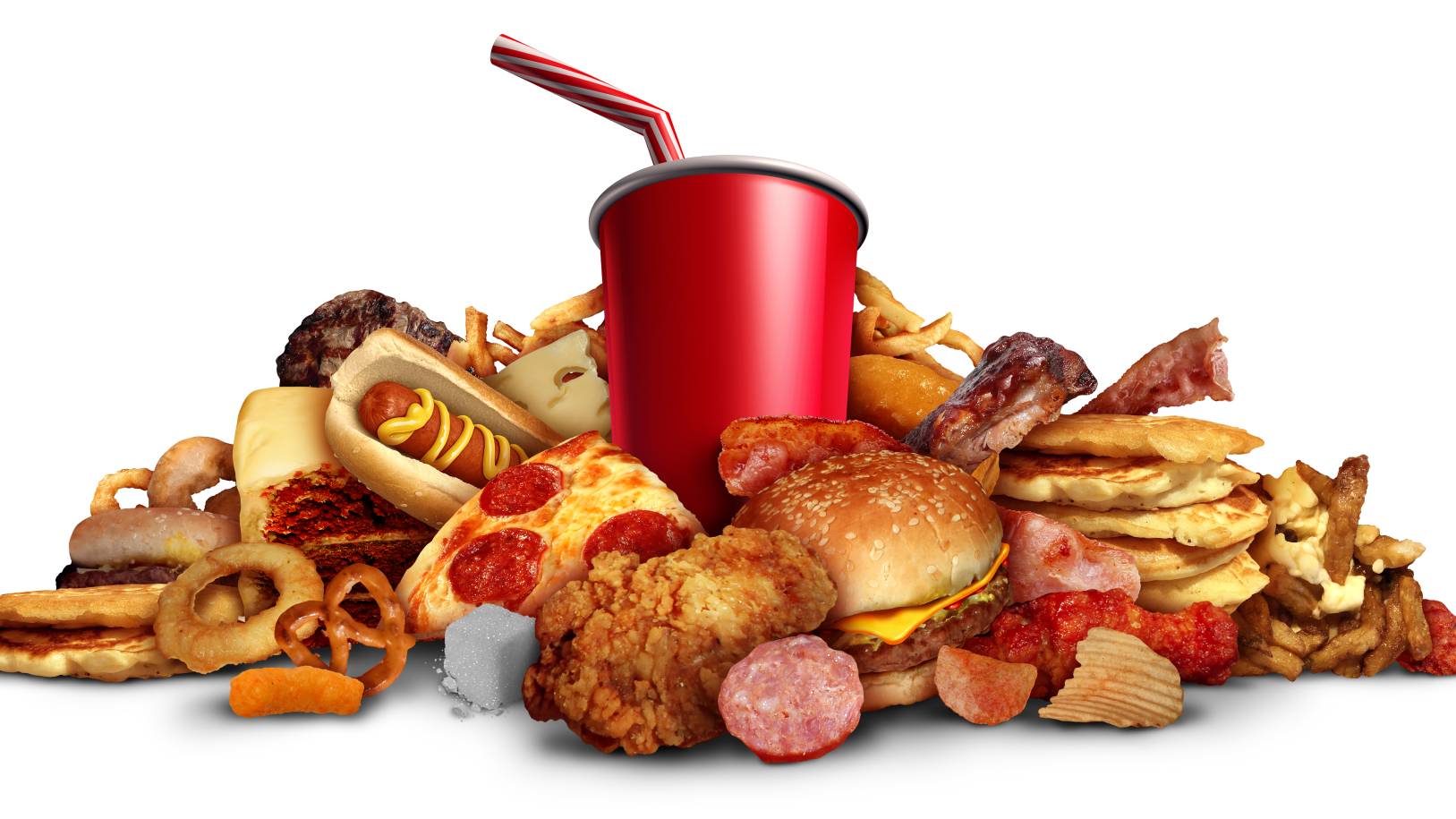
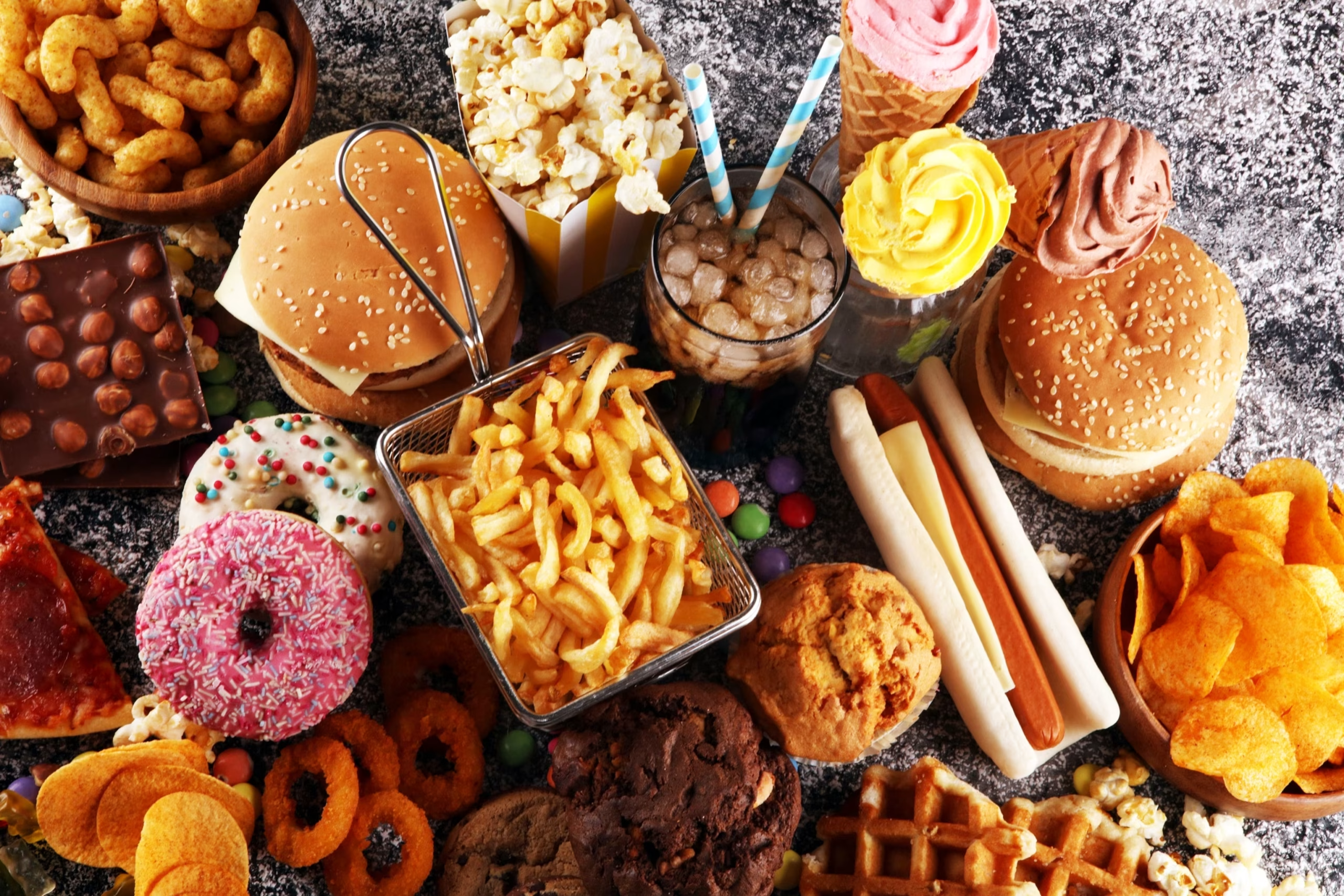
Foods to Limit
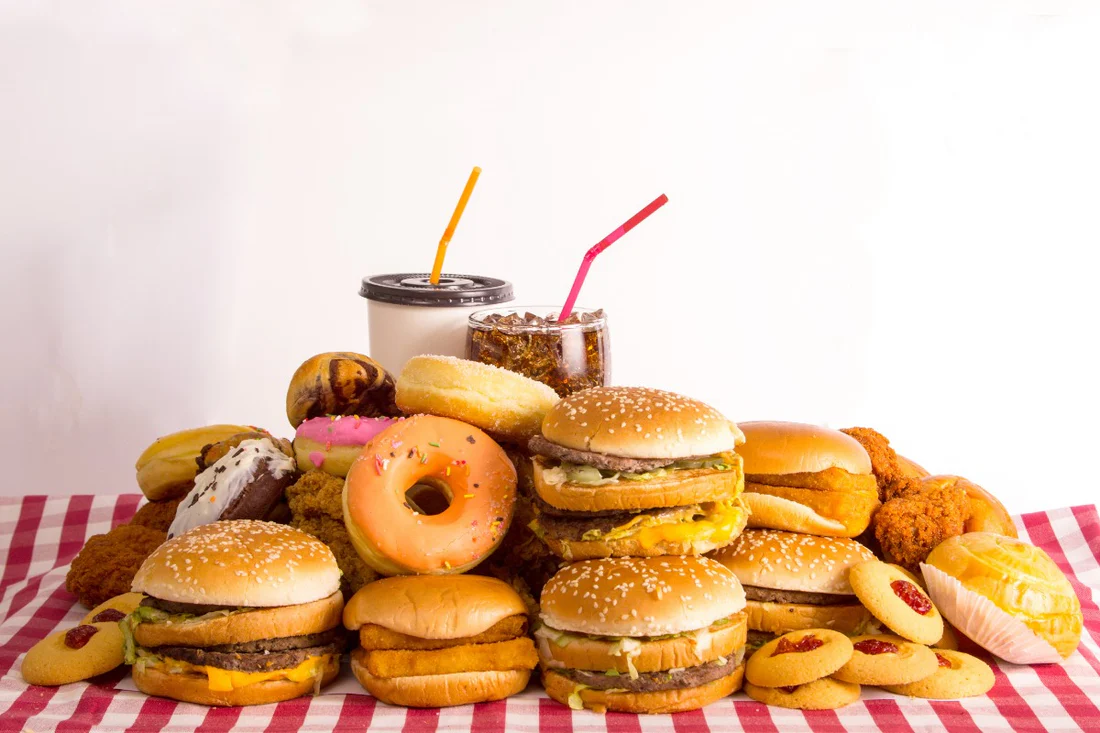
While a healthy diet includes plenty of whole foods, some foods should be eaten less often:
-
Sugary drinks and sodas
-
Packaged snacks and chips
-
Fried foods
-
Processed meats like sausages and hot dogs
-
Sweets, pastries, and desserts high in sugar
Tip: Enjoy these occasionally, but don’t make them a daily habit.
Tips for Healthy Eating on a Busy Schedule
-
Meal Prep – Prepare fruits, vegetables, and snacks in advance.
-
Keep Healthy Snacks Handy – Nuts, yogurt, or fruit for quick energy.
-
Cook at Home – Home-cooked meals are healthier than takeout.
-
Simple Recipes – Choose meals with 5–6 ingredients for faster preparation.
Benefits of Eating Healthy Long Term
-
Prevents Chronic Diseases – Reduces risk of diabetes, heart disease, and obesity.
-
Supports Growth and Development – Especially important for children and teenagers.
-
Boosts Immunity – Helps fight infections and recover faster from illness.
-
Improves Mental Health – Nutrients like omega-3, B vitamins, and magnesium help mood and focus.
-
Better Weight Management – Healthy foods help maintain a stable weight.
Healthy Eating for the Whole Family
Encourage everyone in the family to eat healthy. Family meals are a great way to introduce children to balanced diets and make healthy habits fun.
-
Include everyone in meal planning.
-
Teach kids about colors and nutrients on their plate.
-
Make healthy foods tasty with herbs, spices, and fun presentations.
Summary
Healthy eating is about balance, variety, and making better choices every day. Focus on fruits, vegetables, whole grains, lean proteins, healthy fats, and plenty of water. Limit sugary and processed foods, and develop good eating habits like mindful eating and portion control.
By following these basics, you can protect your heart, boost your immunity, maintain a healthy weight, and improve overall well-being. Eating well is not a temporary fix; it’s a lifestyle that pays off for years to come.
Read Also: Keep your face towards the sunshine and shadows will fall behind you
Watch Also: https://www.youtube.com/@TravelsofTheWorld24






Leave a Reply