
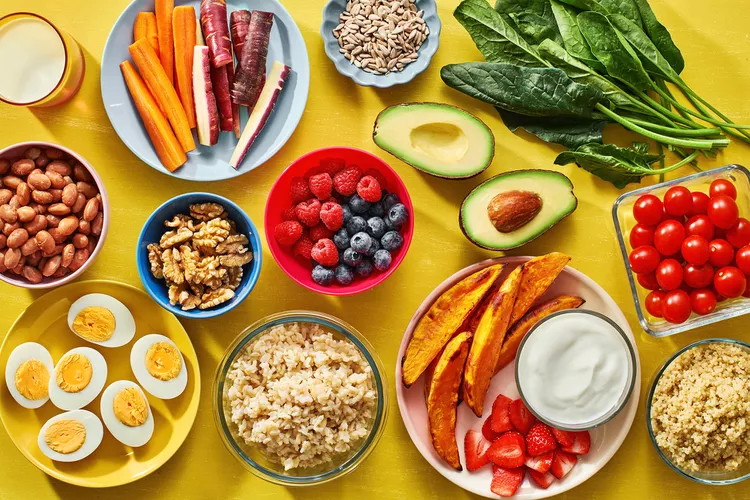
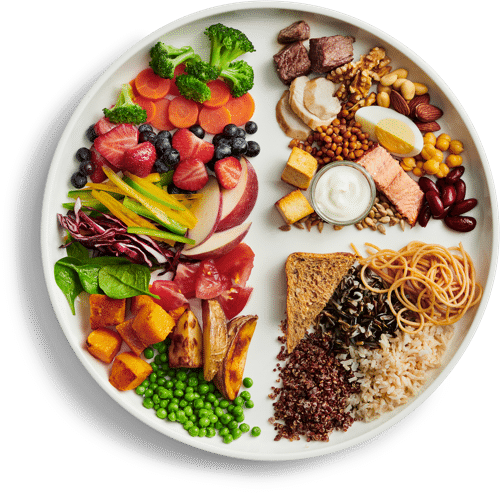
Kids need a balanced diet to grow strong, stay healthy, and have energy for school, play, and sports. Choosing the right foods can make a big difference in their physical and mental development. Here’s a list of the top 10 healthiest foods that should be part of every child’s diet, along with tips on how to serve them.
1. Fruits
Fruits are full of vitamins, minerals, and natural sugars that give kids energy and keep them healthy.
-
Examples: Apples, bananas, oranges, berries, mangoes, and grapes.
-
Benefits: Fruits provide vitamin C, fiber, and antioxidants that boost the immune system and help with digestion.
-
How to Serve:
-
Cut fruits into fun shapes for snacks.
-
Blend into smoothies with yogurt or milk.
-
Mix with breakfast cereals or oatmeal.
-
Tip: Encourage kids to eat a variety of fruits every day to get different nutrients.
2. Vegetables
Vegetables are essential for vitamins, minerals, and fiber. They help with growth, eyesight, and overall health.
-
Examples: Carrots, spinach, broccoli, bell peppers, peas, and sweet potatoes.
-
Benefits: They provide vitamin A for vision, vitamin K for bones, and fiber for digestion.
-
How to Serve:
-
Steam or roast vegetables to keep them tasty.
-
Add veggies to pasta, soups, or sandwiches.
-
Make fun veggie sticks with hummus for dipping.
-
Tip: Mix colorful vegetables to make meals more appealing.
3. Eggs
Eggs are a powerhouse of protein and other nutrients essential for kids’ growth.
-
Benefits: Eggs provide high-quality protein, vitamin D for bones, choline for brain development, and healthy fats.
-
How to Serve:
-
Boiled, scrambled, or as omelets with vegetables.
-
Add to sandwiches or salads.
-
Make fun egg muffins for breakfast.
-
Tip: If your child doesn’t like plain eggs, add cheese, herbs, or veggies to make them tastier.
4. Milk and Dairy Products
Milk and dairy are important for strong bones and teeth.
-
Examples: Milk, yogurt, cheese, and paneer.
-
Benefits: Rich in calcium, vitamin D, and protein, which support bone growth and muscle development.
-
How to Serve:
-
Give a glass of milk with breakfast.
-
Yogurt with fruits or honey makes a healthy snack.
-
Cheese slices or cubes as a snack or in sandwiches.
-
Tip: Choose low-fat or full-fat dairy depending on your child’s age and nutritional needs.
5. Whole Grains
Whole grains provide energy, fiber, and essential nutrients.
-
Examples: Brown rice, oats, whole wheat bread, quinoa, and millet.
-
Benefits: Help maintain steady energy, improve digestion, and keep kids full longer.
-
How to Serve:
-
Oatmeal with fruits for breakfast.
-
Whole wheat sandwiches or chapati for lunch.
-
Add quinoa to salads or soups.
-
Tip: Avoid refined grains like white bread or white rice most of the time.
6. Lean Meats and Fish
Protein is essential for growth, muscle development, and energy. Lean meats and fish are healthy sources.
-
Examples: Chicken, turkey, lean beef, salmon, and sardines.
-
Benefits: Provide protein, iron, and omega-3 fatty acids (especially from fish) for brain health.
-
How to Serve:
-
Grill, bake, or boil meats instead of frying.
-
Include fish like salmon 1–2 times per week.
-
Cut meat into small, easy-to-eat pieces for kids.
-
Tip: For picky eaters, mix cooked meat into pasta, rice, or sandwiches.
7. Nuts and Seeds
Nuts and seeds are small but packed with nutrients.
-
Examples: Almonds, walnuts, cashews, pumpkin seeds, chia seeds, and flaxseeds.
-
Benefits: Provide healthy fats, protein, fiber, and vitamins for brain and heart health.
-
How to Serve:
-
Grind nuts and sprinkle over cereals, yogurt, or smoothie bowls.
-
Make nut butter sandwiches or energy balls.
-
Use seeds in baking or salads.
-
Tip: Chop or grind nuts for younger kids to prevent choking.
8. Legumes
Legumes are an excellent plant-based protein source.
-
Examples: Lentils, chickpeas, beans, and peas.
-
Benefits: High in protein, fiber, iron, and B vitamins. They help kids grow strong and keep them full.
-
How to Serve:
-
Make soups or stews with lentils.
-
Add chickpeas to salads or make hummus.
-
Mix beans into rice or pasta dishes.
-
Tip: Cook legumes well and season lightly to make them more appealing.
9. Healthy Fats
Fats are important for energy and brain development. Not all fats are bad; healthy fats are essential.
-
Examples: Avocado, olive oil, coconut oil, fatty fish, and nut butters.
-
Benefits: Support brain growth, hormone production, and overall energy.
-
How to Serve:
-
Use olive or coconut oil for cooking.
-
Add avocado to sandwiches or smoothies.
-
Spread nut butter on bread or crackers.
-
Tip: Limit fried and processed foods; focus on natural sources of healthy fats.
10. Eggs and Fish (Brain-Boosting Foods)
Some foods are especially good for brain development.
-
Examples: Eggs, salmon, walnuts, and flax seeds.
-
Benefits: Omega-3 fatty acids, protein, and choline improve memory, concentration, and learning abilities.
-
How to Serve:
-
Include 1–2 servings of fish weekly.
-
Add eggs to breakfast or salads.
-
Mix walnuts or flax seeds into cereals or smoothies.
-
Tip: Encourage kids to try these foods regularly for healthy brain development.
Tips for Making Kids Eat Healthy Foods
-
Make it Fun – Use colorful plates and cut foods into shapes.
-
Mix Favorites with Healthy Options – Add vegetables to sauces, sandwiches, or smoothies.
-
Lead by Example – Kids follow parents, so eat healthy yourself.
-
Limit Sugary Snacks – Replace candies or chips with fruits, nuts, or yogurt.
-
Regular Meals – Maintain breakfast, lunch, dinner, and healthy snacks schedule.
Drinks for Kids
-
Water should be the main drink.
-
Milk or yogurt-based drinks give calcium and protein.
-
Limit sugary juices or sodas.
Common Mistakes to Avoid
-
Skipping breakfast – Breakfast fuels the day and helps focus.
-
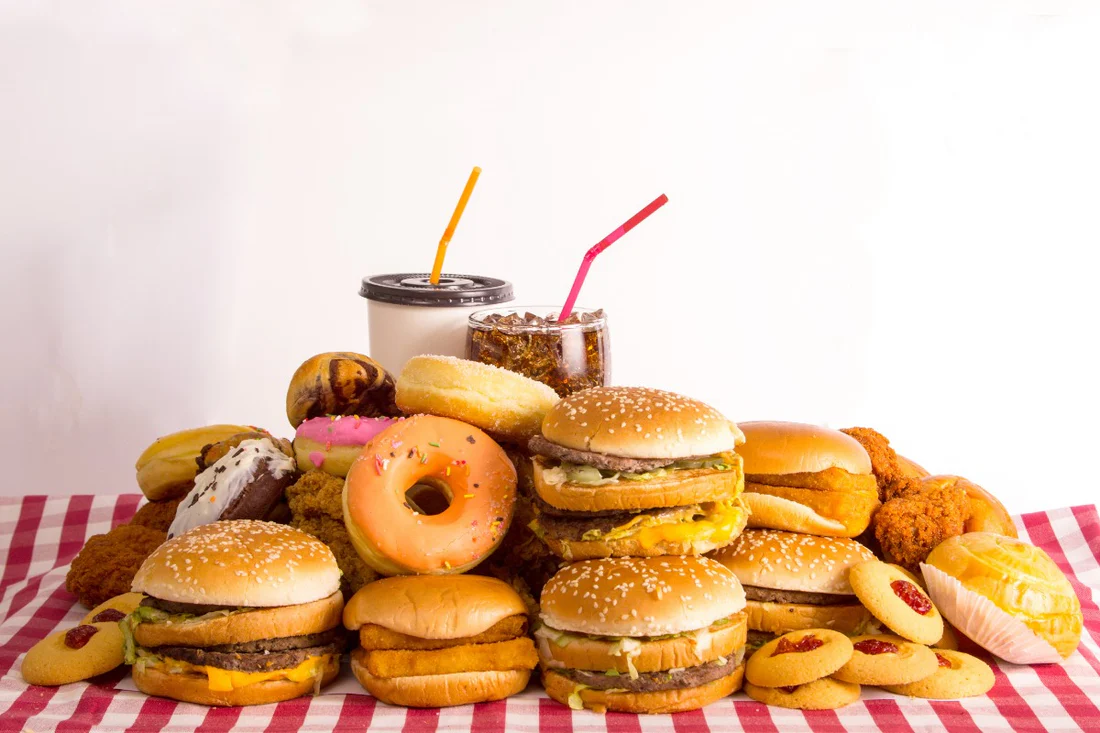
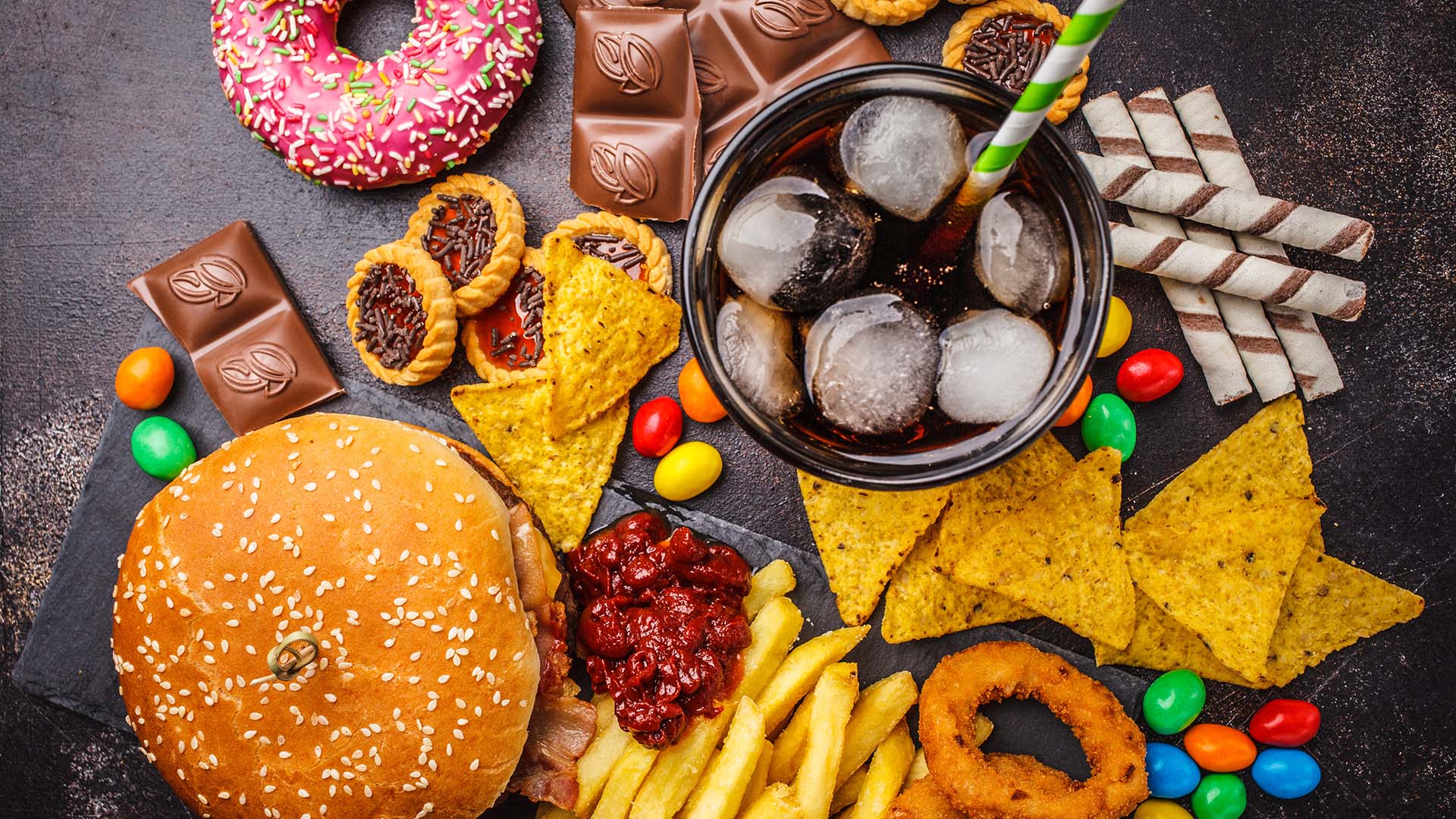
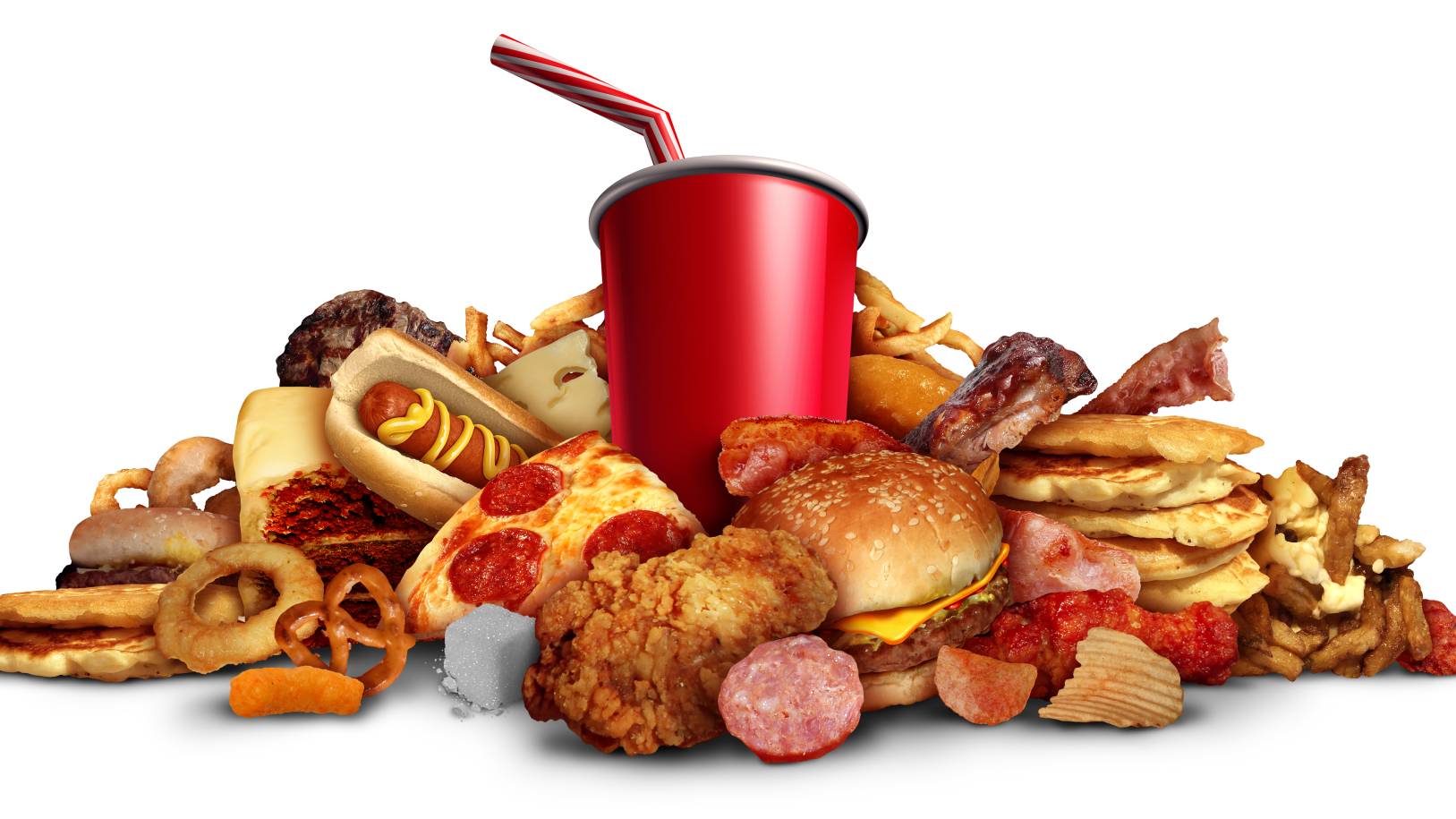
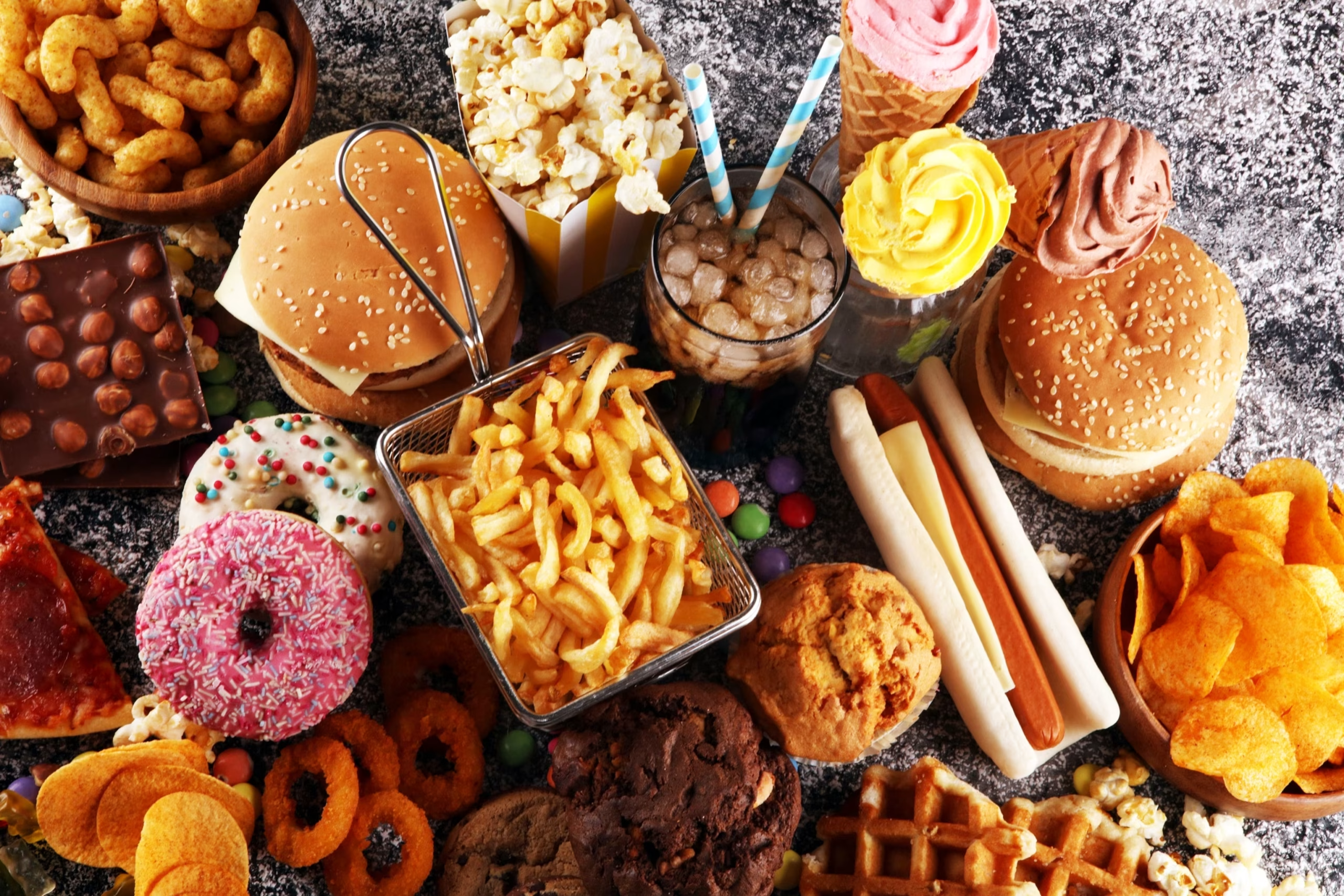
Overloading on processed foods – Chips, cookies, and fast food have empty calories.
-
Ignoring portion sizes – Even healthy foods should be in proper portions.
-
Not offering variety – Kids need different nutrients from a mix of foods.
Summary
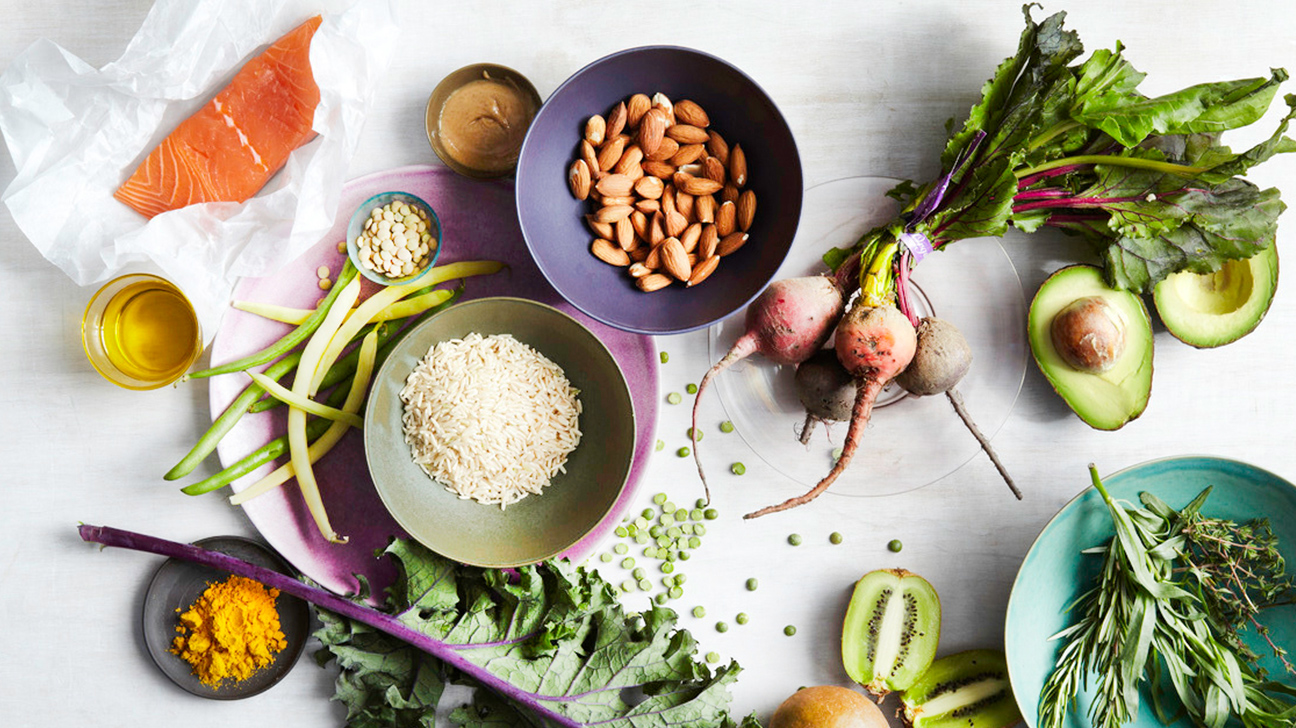
A healthy diet for kids should include fruits, vegetables, whole grains, lean proteins, dairy, nuts, and healthy fats. Each food group provides essential nutrients for growth, energy, brain development, and overall well-being. Encouraging kids to eat a balanced diet from a young age sets them up for lifelong healthy habits.
Read Also: Keep your face towards the sunshine and shadows will fall behind you
Watch Also: https://www.youtube.com/@TravelsofTheWorld24






Leave a Reply