
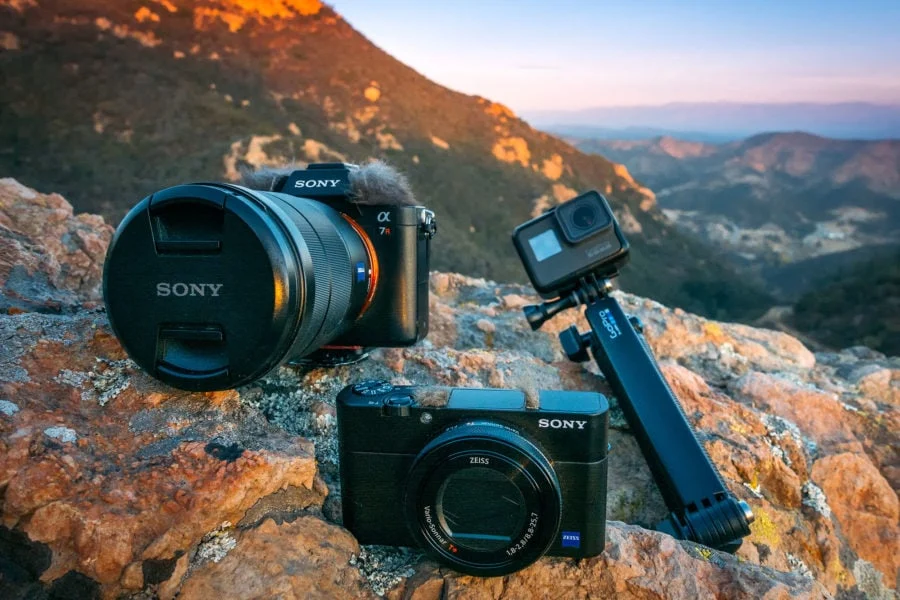
Traveling is exciting. Exploring new places, capturing memories, and sharing your experiences are all part of the adventure. A good camera can make a big difference, helping you take sharp, vibrant, and memorable photos. But with so many cameras available, how do you know which one is right for travel?
In this guide, we’ll cover the best travel cameras and give tips on how to choose the perfect one for your trips. We’ll keep it simple and practical, so you can find a camera that suits your style, needs, and budget.
Why Choosing the Right Travel Camera Matters
When traveling, your camera needs to be lightweight, easy to use, and versatile. Unlike home photography, you don’t want a bulky camera bag or complicated equipment slowing you down. A good travel camera should:
-
Capture high-quality images in different lighting conditions
-
Be portable and easy to carry
-
Have decent battery life for long days out
-
Handle landscapes, people, and low-light situations
By choosing the right camera, you’ll enjoy your trips more and get better photos to remember them by.
Step 1: Decide What Type of Travel Camera You Need
Travel cameras come in different types. Knowing which type fits your travel style makes the choice easier.
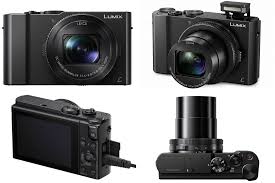
1. Compact/Point-and-Shoot Cameras
-
Pros: Small, lightweight, easy to use, affordable
-
Cons: Limited manual controls, smaller sensors
-
Best For: Travelers who want simplicity and convenience
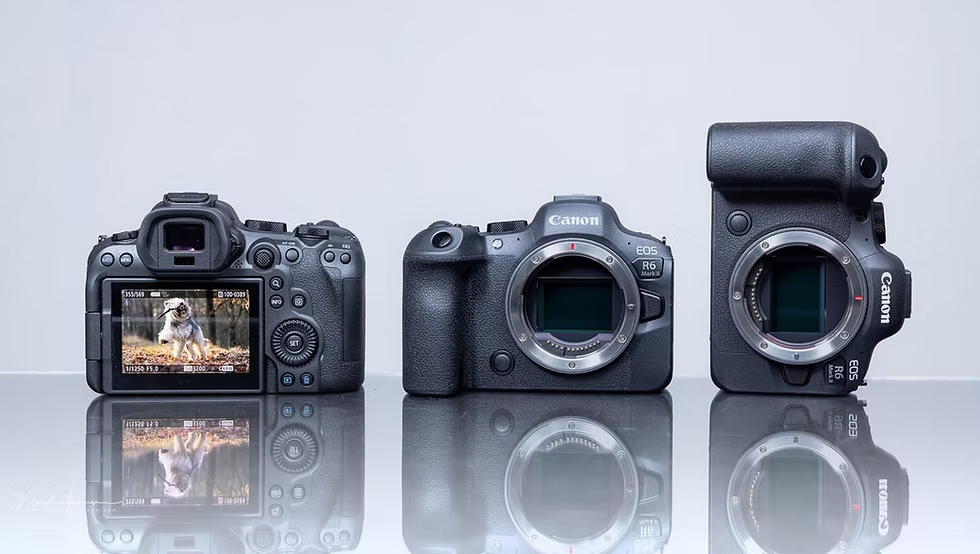
2. Mirrorless Cameras
-
Pros: Excellent image quality, interchangeable lenses, lighter than DSLRs
-
Cons: Can be expensive, shorter battery life
-
Best For: Hobbyist travelers who want professional-quality photos without carrying a bulky camera
3. DSLR Cameras
-
Pros: Great image quality, full control, wide lens selection, durable
-
Cons: Heavy, bulky, steeper learning curve
-
Best For: Travel photographers who prioritize quality and flexibility
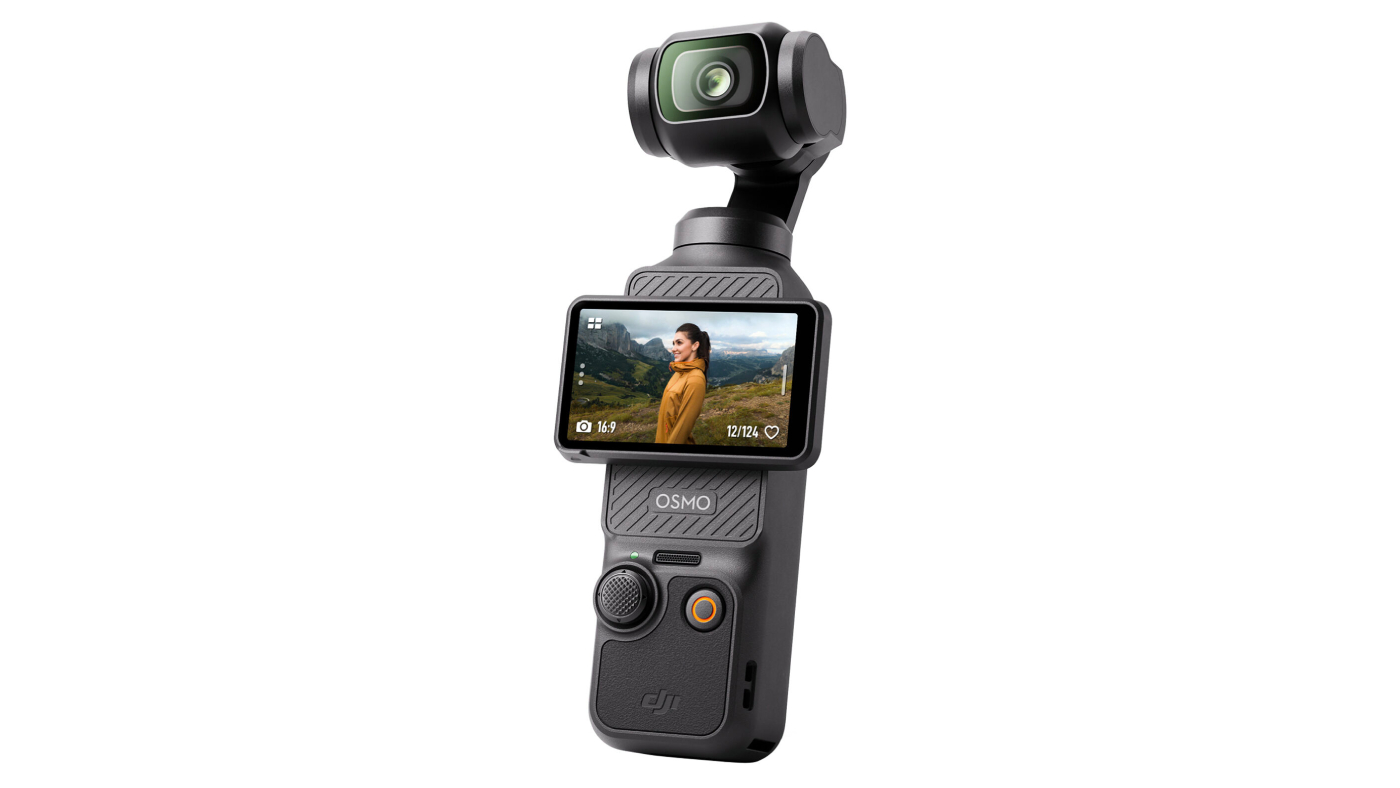
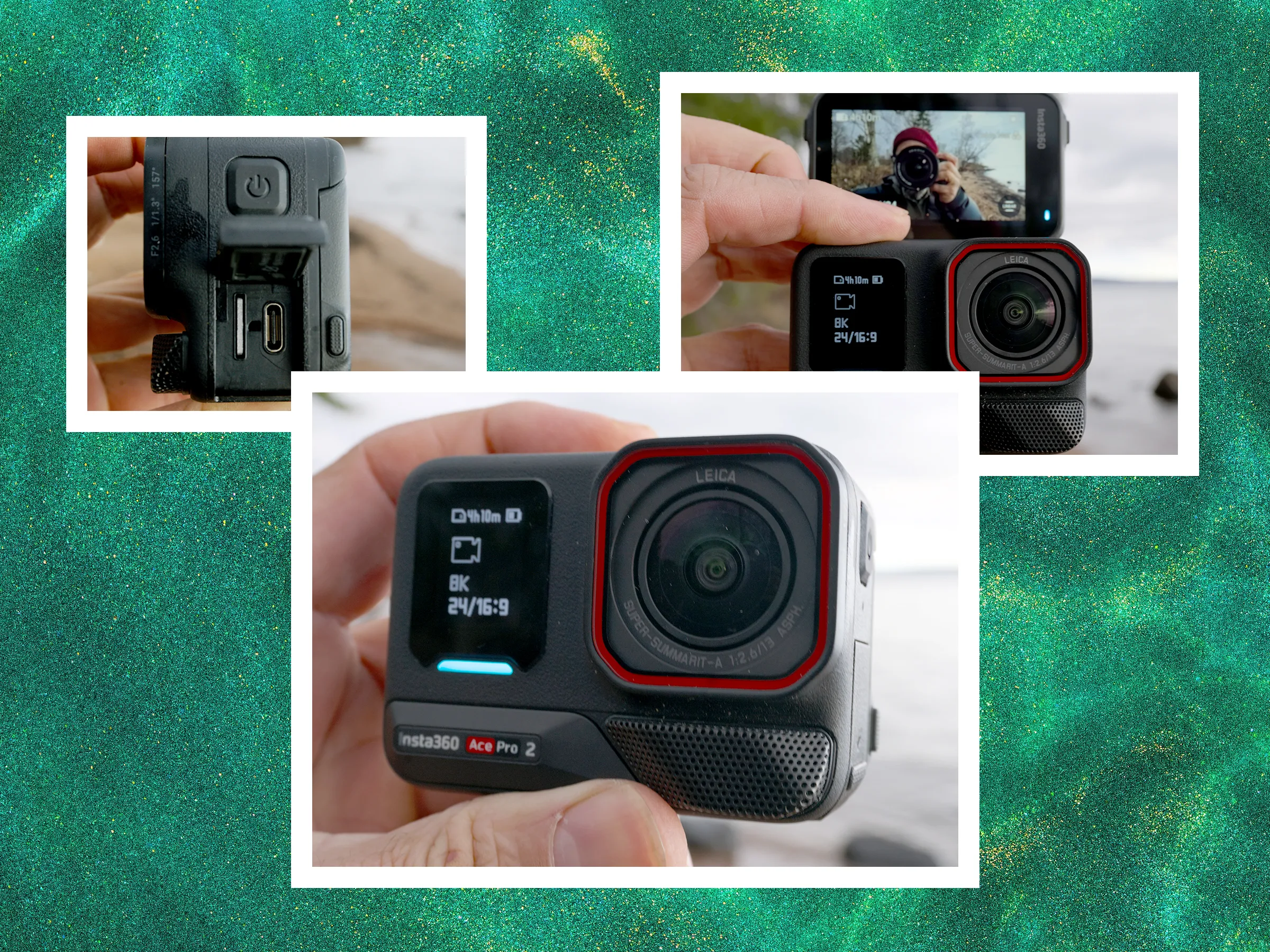
4. Action Cameras
-
Pros: Small, waterproof, rugged, perfect for adventure sports
-
Cons: Limited zoom, smaller sensors
-
Best For: Hiking, swimming, skiing, or extreme travel adventures
5. Smartphone Cameras
-
Pros: Always with you, easy to share photos instantly
-
Cons: Limited zoom and low-light performance, smaller sensors
-
Best For: Travelers who prefer minimal gear and social media sharing
Step 2: Consider Sensor Size
The sensor is the part of the camera that captures light. Bigger sensors usually mean sharper images, better low-light performance, and more control over depth of field.
-
Full-frame sensors: Excellent quality, professional-level photos, expensive
-
APS-C sensors: Good balance of quality and portability, ideal for hobbyists
-
Micro Four Thirds: Compact, lightweight, good for travel, moderate image quality
-
Compact camera sensors: Small, limited low-light capability, sufficient for casual photos
If you want stunning travel shots, especially in low light or landscapes, prioritize a larger sensor.
Step 3: Think About Lenses
Some cameras have fixed lenses, others allow you to change lenses. Lenses affect how your photos look, so think about your travel style.
-
Wide-angle lenses: Perfect for landscapes, architecture, and cityscapes
-
Zoom lenses: Useful for wildlife, distant landmarks, and street photography
-
Prime lenses: Sharp, fast, good for portraits and low-light shots
If you travel light, a good zoom lens or versatile kit lens is usually enough. If you want creative flexibility, a mirrorless or DSLR with interchangeable lenses is ideal.
Step 4: Weight and Portability
When traveling, heavy cameras can be a burden. Think about how much gear you want to carry.
-
Compact cameras: Easy to slip into a pocket or small bag
-
Mirrorless cameras: Lighter than DSLRs, still powerful
-
DSLRs: Offer the best quality but can be heavy with multiple lenses
-
Action cameras: Tiny and rugged, great for outdoor adventures
Choose a camera you can carry comfortably for long walks, hikes, or day trips.
Your Guide to the Best Cameras for Traveling in 2026
Step 5: Battery Life
Travel photography often means long days without access to charging. Battery life is important.
-
Mirrorless cameras: Usually shorter battery life than DSLRs
-
DSLRs: Longer battery life, good for extended trips
-
Compact cameras: Moderate battery life
-
Action cameras: Can vary, but extra batteries are recommended
Always carry a spare battery or a portable charger when traveling.
Step 6: Key Features to Look For
Different cameras have different features. Here’s what matters most for travel photography:
-
Image stabilization: Reduces blur from shaky hands
-
Autofocus: Fast and accurate for moving subjects
-
Low-light performance: Helps capture photos in evenings or indoors
-
Video recording: 1080p or 4K if you want to capture videos
-
Connectivity: Wi-Fi or Bluetooth for easy sharing to your phone or cloud
Prioritize features based on your travel needs. If you mostly share photos online, connectivity and convenience may matter more than advanced controls.
Step 7: Set Your Budget
Travel cameras range from affordable to high-end professional gear. Consider how much you’re willing to spend, including:
-
Memory cards
-
Extra batteries
-
Lenses (if using mirrorless or DSLR)
-
Travel-friendly camera bag
You don’t need the most expensive camera to take amazing photos. Even mid-range cameras can deliver excellent travel shots.
Step 8: Check Durability and Weather Resistance
Travel can expose your camera to dust, rain, and rough handling. Some cameras are built for adventure.
-
Rugged cameras: Small, waterproof, dustproof, and shock-resistant
-
DSLRs/Mirrorless: Can use protective cases or weather-sealed bodies
-
Action cameras: Perfect for extreme conditions
Think about the environments you’ll be in and choose a camera that can handle them.
Step 9: Try Before You Buy
If possible, visit a store to handle cameras. Comfort and ease of use are important.
-
Grip and feel: Does it fit comfortably in your hands?
-
Ease of use: Are menus and buttons easy to navigate?
-
Take sample shots: Check autofocus speed and image quality
-
Weight: Make sure it’s easy to carry all day
A camera that feels awkward will reduce your enjoyment while traveling.
Step 10: Consider Accessories
Accessories can enhance your travel photography experience:
-
Memory cards: Always carry a spare
-
Extra batteries: Essential for long travel days
-
Camera bag: Protects your gear while on the move
-
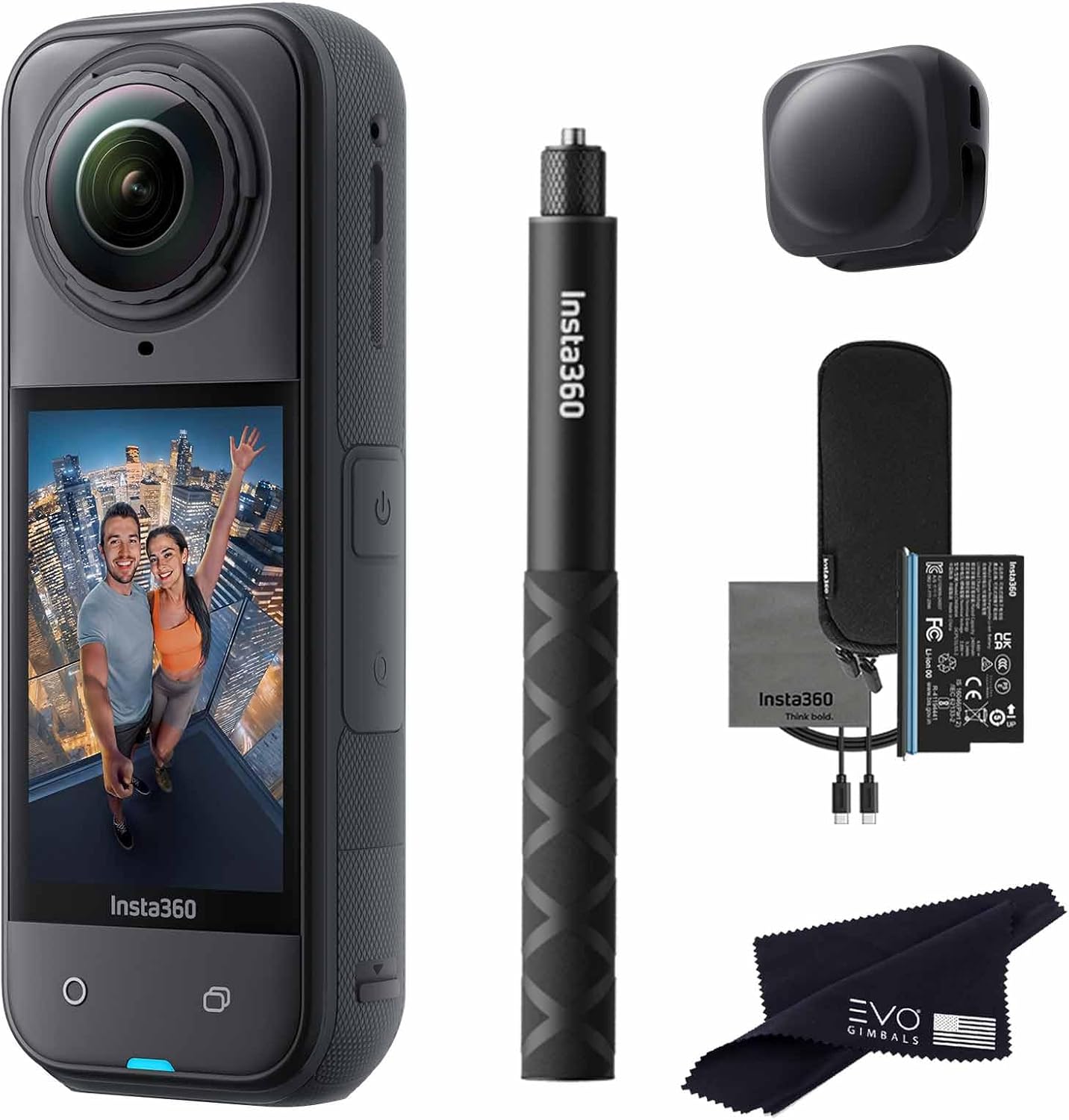
Tripod or selfie stick: Useful for stable shots, landscapes, and videos
-
Lens cleaning kit: Keeps your photos sharp
Accessories help you make the most of your camera while traveling.
Your Guide to the Best Cameras for Traveling in 2026
Step 11: Popular Travel Camera Recommendations
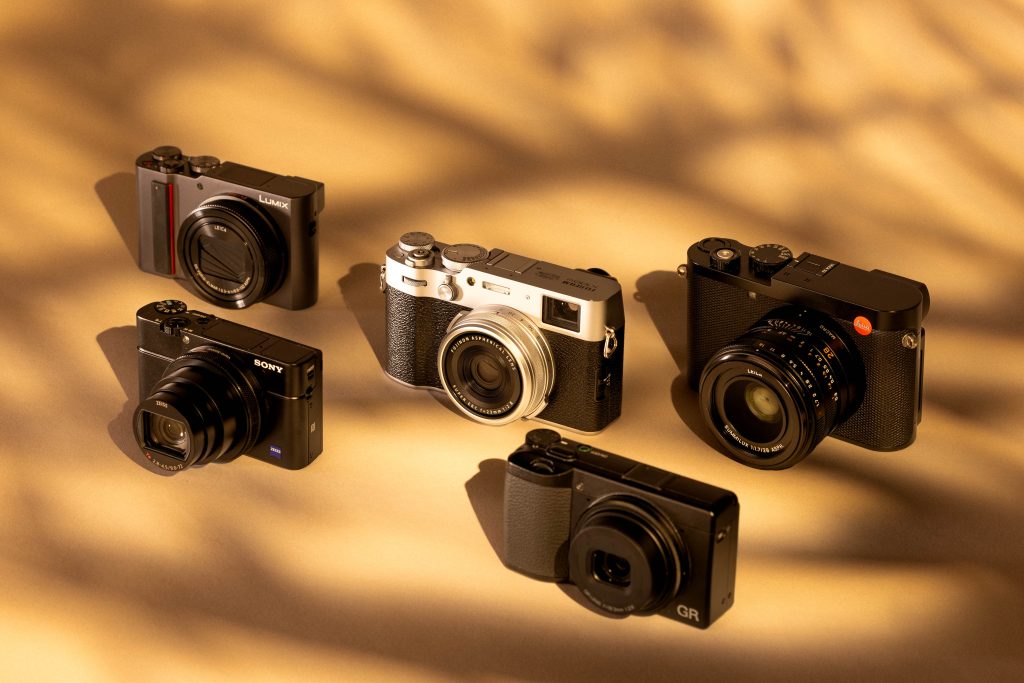
Here are some examples of cameras that are popular among travelers:
-
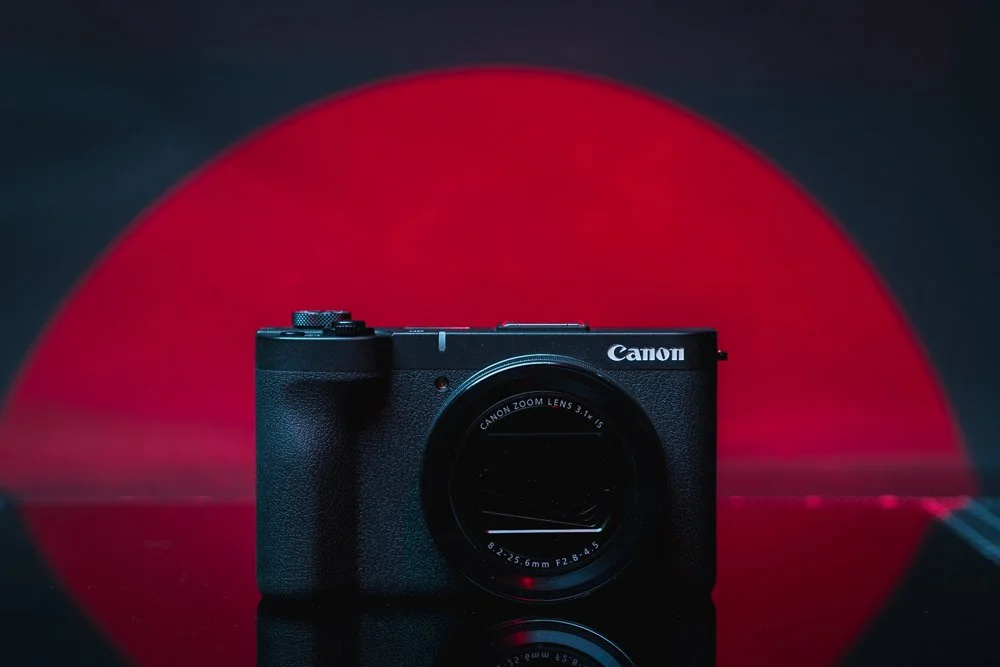
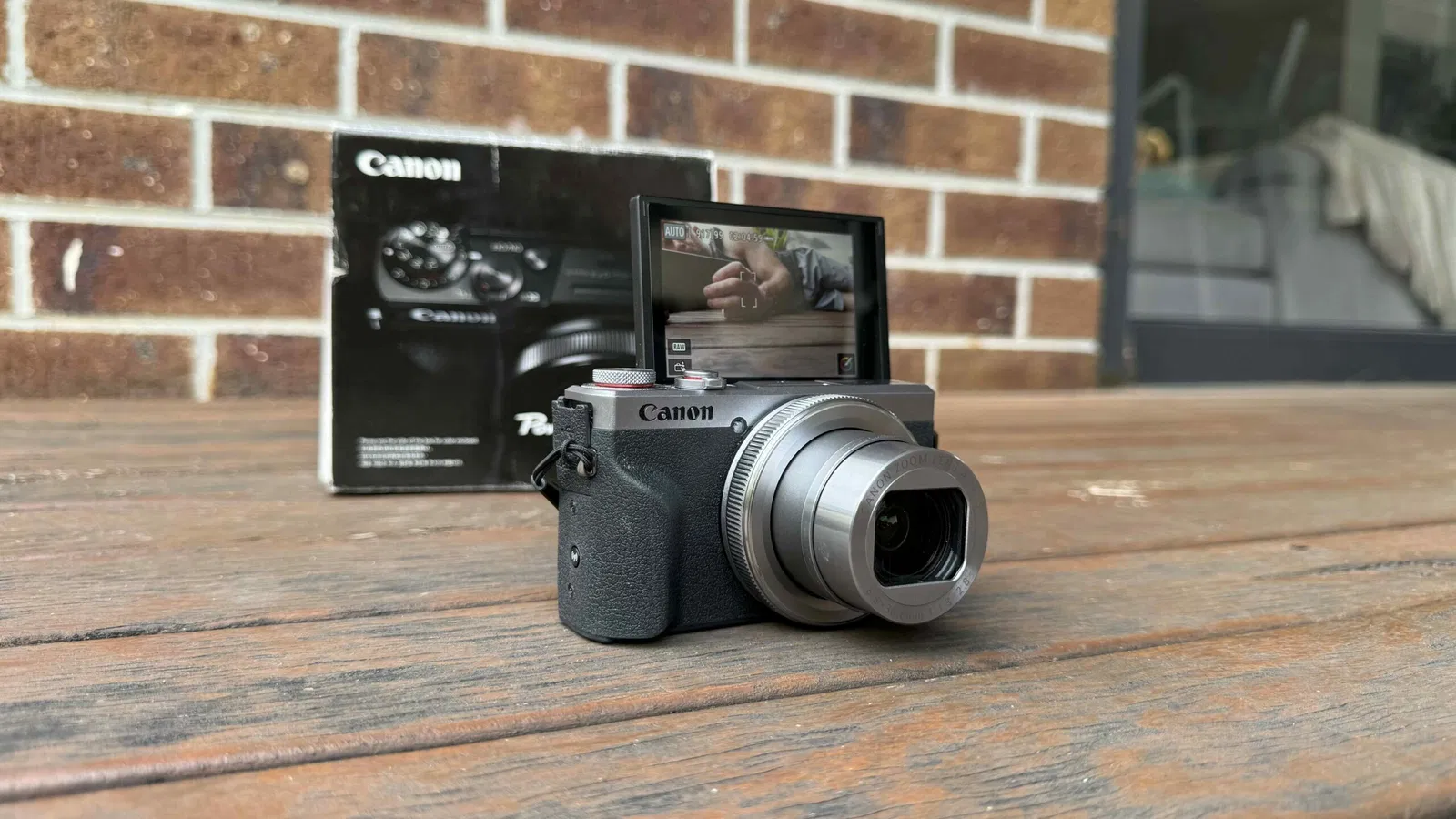
Canon PowerShot G7 X Mark III: Compact, great for casual travel and video
-
Sony Alpha a6400: Mirrorless, lightweight, excellent image quality, great autofocus
-
Fujifilm X-T30: Mirrorless, creative color profiles, good for landscapes and portraits
-
Nikon D5600: DSLR, solid image quality, longer battery life
-
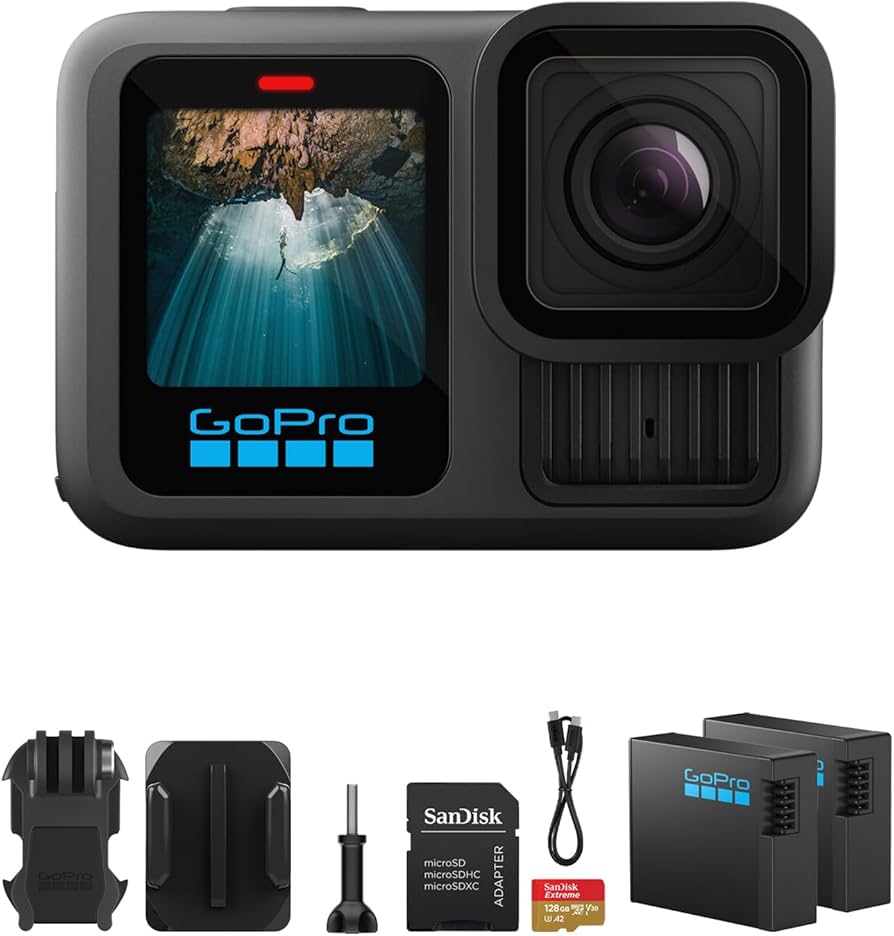
GoPro HERO11: Action camera, waterproof, perfect for adventure trips
These options cover a variety of budgets and travel styles.
Step 12: Learn and Practice
A camera is only as good as the person using it. Take time to learn your camera:
-
Read the manual: Understand basic settings like aperture, shutter speed, and ISO
-
Practice composition: Learn simple techniques like rule of thirds and leading lines
-
Experiment with light: Sunrise, sunset, and golden hour produce amazing shots
-
Review photos: Learn from mistakes and try different angles
The more you practice, the better your travel photos will be, regardless of the camera you use.
Step 13: Have Fun and Enjoy Travel
Remember, the camera is a tool to help you capture memories. Don’t let it distract you from enjoying the experience. Sometimes the best shots come when you relax, explore, and have fun.
-
Capture moments, not just landmarks: People, street life, and nature tell great stories
-
Don’t stress about perfection: Some imperfect photos become your favorite memories
-
Balance photos with experiences: Take photos, but also enjoy being in the moment
A great travel camera helps you preserve memories, but the real adventure is in living them.
Conclusion
Choosing the best travel camera comes down to your travel style, needs, and budget. By following these steps:
-
Know your purpose
-
Pick the right type (compact, mirrorless, DSLR, action)
-
Consider sensor size
-
Think about lenses
-
Focus on portability
-
Check battery life
-
Look at key features
-
Factor in durability
-
Try before buying
-
Consider accessories
-
Explore popular travel cameras
-
Practice your photography skills
-
Enjoy the journey
…you can find the perfect camera for your trips.
Travel cameras should make your adventures easier and more fun, not complicated. With the right camera and a little practice, you’ll capture stunning photos, keep wonderful memories, and enjoy your travels to the fullest.
Read Also: Keep your face towards the sunshine and shadows will fall behind you
Watch Also: https://www.youtube.com/@TravelsofTheWorld24





Leave a Reply