

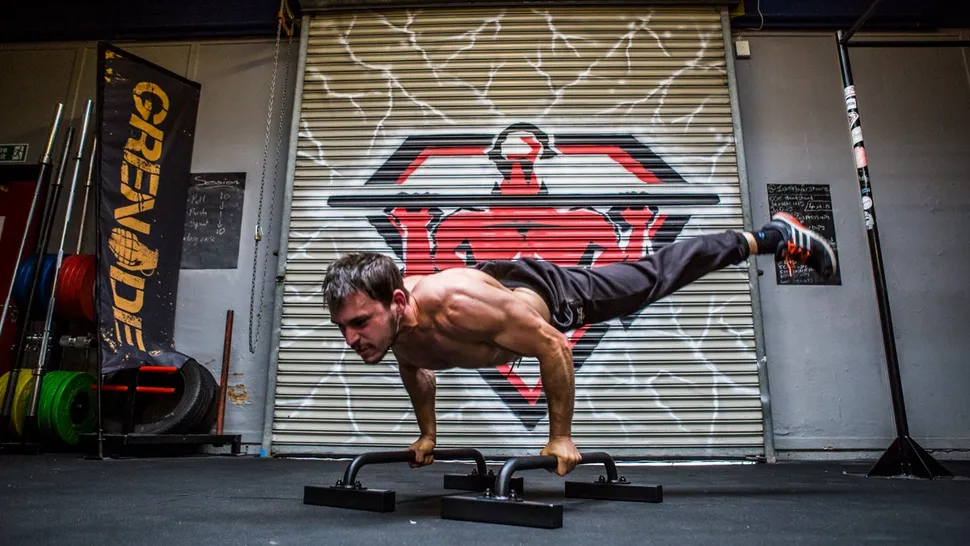
When it comes to building a strong, athletic body, full body training is one of the smartest ways to do it. Instead of focusing on just one muscle group each day, full body workouts train everything together. This helps you move better, get stronger faster, and build real athletic power.
Athletes don’t just train to look good — they train to perform. Whether it’s running faster, jumping higher, or lifting heavier, their workouts are built around strength, speed, and control. That’s exactly what this type of training is all about.
Let’s break it down in a very simple way so you can understand how it works and how you can do it too.
What is Full Body Athlete Training?
Full body athlete training means working your entire body in one session. You train your legs, upper body, and core together instead of splitting them across different days.
This style of training focuses on:
-
Strength (lifting heavy)
-
Power (explosive movements)
-
Endurance (lasting longer)
-
Mobility (moving smoothly)
Instead of just machines, it mostly uses real movements like squats, pushes, pulls, and jumps. These are the same kinds of movements you use in real life and sports.
Why Full Body Training is So Effective
There are a few big reasons why this method works so well.
1. Builds Real Strength
When you train your whole body, your muscles learn to work together. This builds stronger and more useful strength compared to training one muscle at a time.
2. Saves Time
You don’t need to spend 5–6 days in the gym. Just 3–4 full body sessions a week can give amazing results.
3. Burns More Calories
Since you’re using many muscles at once, your body burns more energy. This helps with fat loss too.
4. Improves Athletic Performance
Movements like jumping, sprinting, and lifting all improve your speed, balance, and coordination.
Key Parts of an Athlete Workout
A good full body workout is not random. It usually has these main parts:
1. Warm-Up
This prepares your body and reduces injury risk.
Simple warm-up:
-
Jump rope or jogging (3–5 minutes)
-
Arm circles
-
Bodyweight squats
-
Light stretching
2. Power Training (Explosive Work)
This is where you train speed and explosiveness.
Examples:
-
Jump squats
-
Box jumps
-
Medicine ball throws
These should be done at the start when your body is fresh.
3. Strength Training (Heavy Lifting)
This is the core of your workout.
Main movements:
-
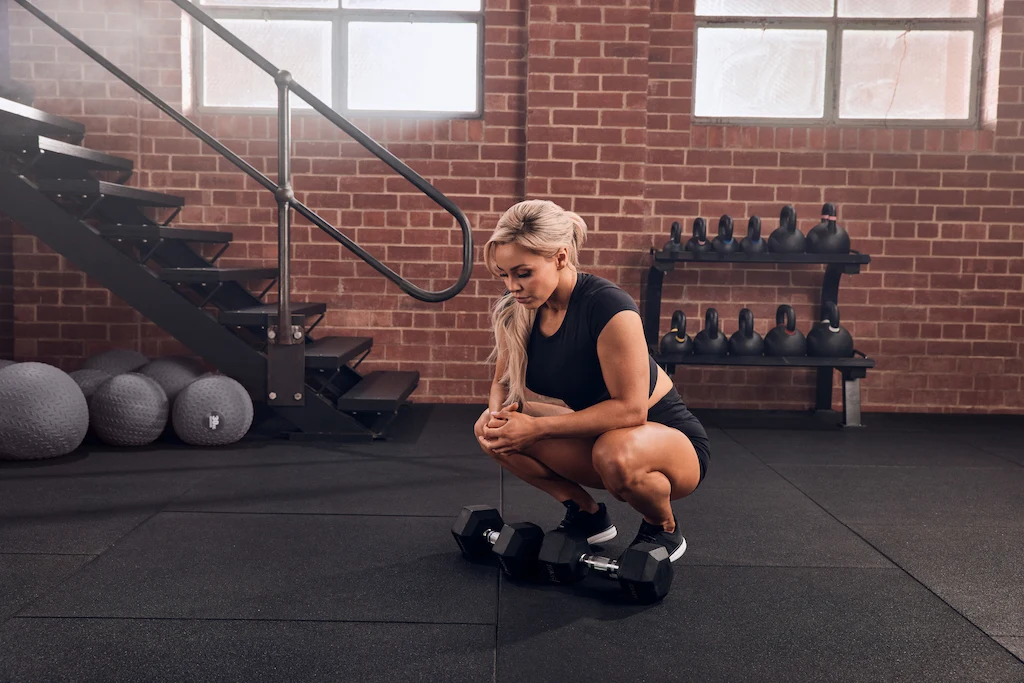
Squats (legs)
-
Deadlifts (full body)
-
Bench press (chest)
-
Rows (back)
-
Overhead press (shoulders)
Keep reps low (4–8) and focus on proper form.
4. Accessory Work
These exercises support your main lifts.
Examples:
-
Lunges
-
Pull-ups
-
Push-ups
-
Bicep curls
-
Tricep dips
These help fix weak areas and build balance.
5. Core Training
Your core is very important for strength and stability.
Examples:
-
Planks
-
Hanging leg raises
-
Russian twists
6. Conditioning (Optional)
This improves endurance.
Examples:
-
Sprints
-
Burpees
-
Battle ropes
Sample Full Body Power & Strength Workout
Here’s a simple and effective workout you can follow:
Day 1 (Power + Strength Focus)
Warm-Up
-
5 minutes light cardio
-
Dynamic stretches
Power
-
Jump squats – 3 sets × 5 reps
-
Box jumps – 3 sets × 5 reps
Strength
-
Barbell squat – 4 sets × 5 reps
-
Bench press – 4 sets × 6 reps
-
Bent-over rows – 3 sets × 8 reps
Accessory
-
Walking lunges – 3 sets × 10 reps
-
Push-ups – 3 sets × 12 reps
Core
-
Plank – 3 sets × 30–45 seconds
Day 2 (Strength + Conditioning Focus)
Warm-Up
-
Light jogging
-
Mobility work
Power
-
Medicine ball slams – 3 sets × 8 reps
Strength
-
Deadlift – 4 sets × 5 reps
-
Overhead press – 3 sets × 6 reps
-
Pull-ups – 3 sets × max reps
Accessory
-
Dumbbell curls – 3 sets × 10
-
Tricep dips – 3 sets × 10
Conditioning
-
Sprint intervals (20 seconds sprint, 40 seconds rest × 6 rounds)
Day 3 (Balanced Athletic Workout)
Warm-Up
-
Dynamic movements
Power
-
Broad jumps – 3 sets × 5 reps
Strength
-
Front squat – 3 sets × 6 reps
-
Incline bench press – 3 sets × 8 reps
-
Seated rows – 3 sets × 8 reps
Accessory
-
Step-ups – 3 sets × 10
-
Lateral raises – 3 sets × 12
Core
-
Hanging leg raises – 3 sets × 10
Weekly Plan Example
You can train like this:
-
Monday – Full Body
-
Wednesday – Full Body
-
Friday – Full Body
This gives enough recovery time between workouts.
Tips for Better Results
1. Focus on Form
Don’t rush. Good form prevents injury and builds better strength.
2. Progress Slowly
Try to lift a little heavier or do more reps each week.
3. Rest Properly
Sleep is very important. Muscles grow when you rest, not when you train.
4. Eat Well
Your body needs fuel.
Simple diet tips:
-
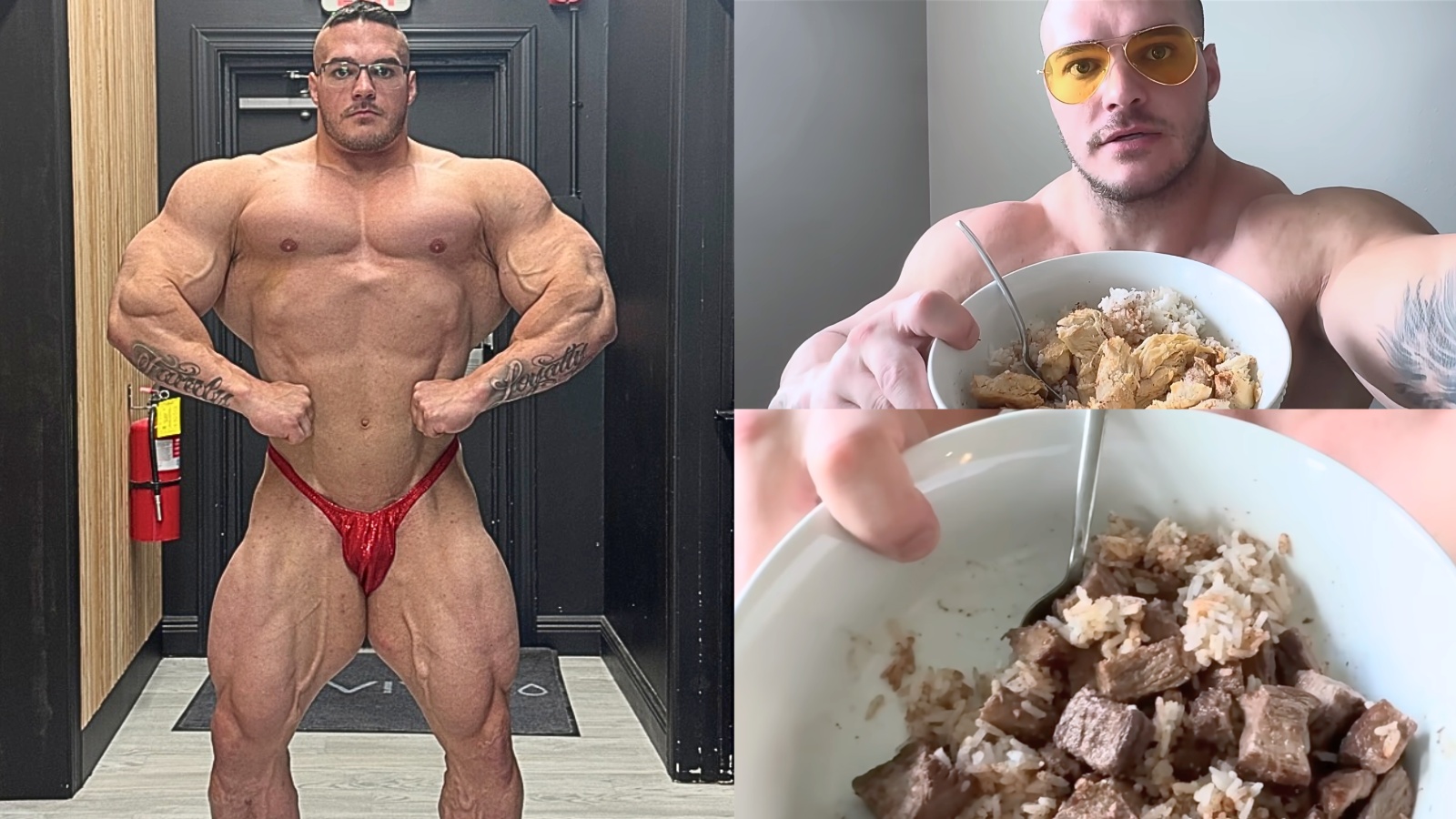
Eat enough protein (eggs, chicken, lentils)
-
Drink water
-
Don’t skip meals
Who Should Do This Training?
This type of training is great for:
-
Beginners
-
Athletes
-
People who want strength + fitness
-
Anyone with limited time
It works for almost everyone because it trains your body as a whole.
Common Mistakes to Avoid
1. Doing Too Much
More is not always better. Stick to 3–4 sessions a week.
2. Skipping Warm-Up
This can lead to injuries.
3. Using Too Much Weight
Start light and build up slowly.
4. Ignoring Recovery
If you feel too tired, take rest.
Final Thoughts
Full body athlete training is one of the best ways to build strength, power, and overall fitness. It’s simple, effective, and saves time. Instead of isolating muscles, it trains your body the way it’s meant to move — as one unit.
If you stay consistent, focus on good form, and keep improving slowly, you will see strong results. You’ll not only look better but also feel stronger, faster, and more energetic in daily life.




Leave a Reply