
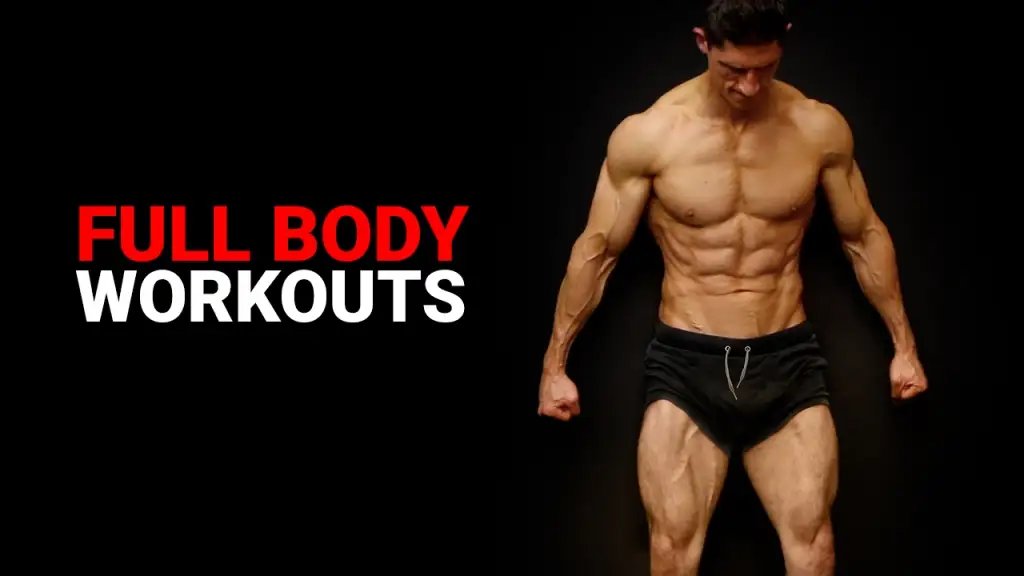
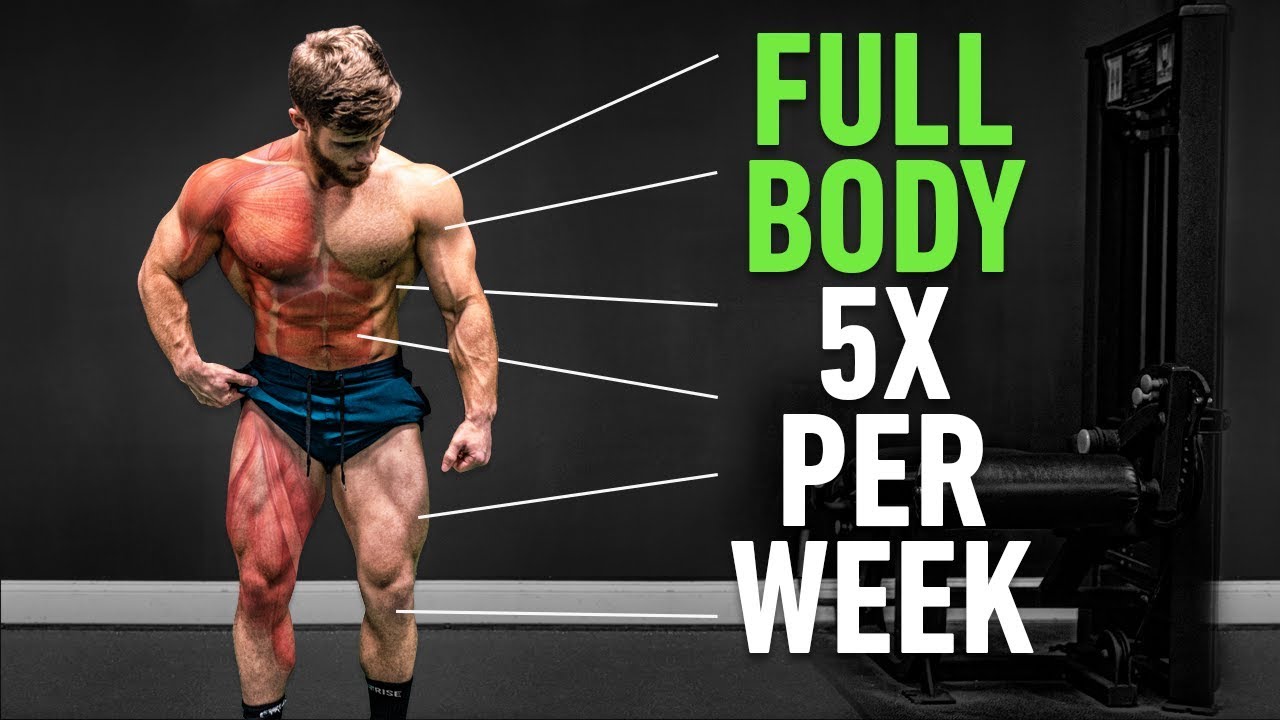
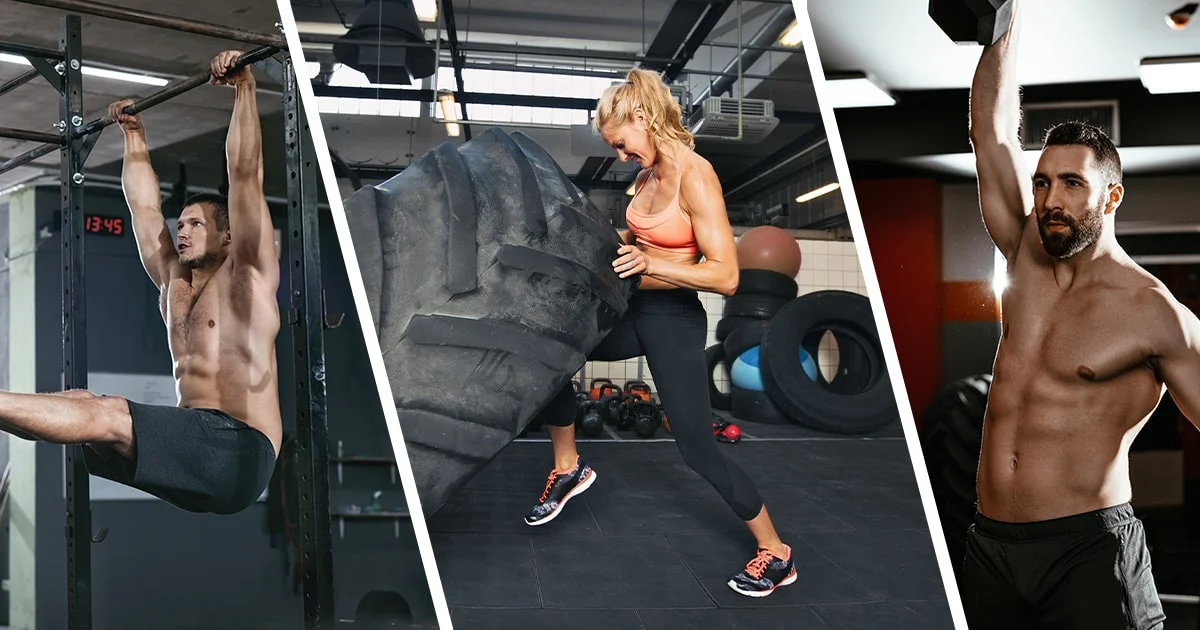
Full-body workouts are one of the most efficient and effective ways to train, no matter your goals. Whether you’re looking to build strength, gain muscle, lose fat, or simply stay healthy, full-body workouts give you a lot of benefits in a short amount of time. The great thing is that you can do them with barbells, dumbbells, resistance bands, or even just your own body weight at home. This makes them incredibly flexible and accessible for everyone, whether you have access to a gym or not.
Unlike split routines, where you train only one muscle group per day (like chest on Monday, back on Tuesday, and so on), full-body workouts target all major muscle groups in a single session. This means your legs, chest, back, shoulders, arms, and core all get worked together. This type of training is especially useful if you only have a few days to work out each week. Even two or three full-body sessions per week can give you excellent results.
Why Full-Body Workouts Are Effective
There are several reasons full-body workouts are so effective:
-
Time Efficiency: You train all muscle groups in one session, which means fewer gym visits each week without missing out on any body parts.
-
Better Hormonal Response: Full-body workouts engage large muscle groups, which stimulates the release of growth hormone and testosterone. These hormones help with muscle growth and fat loss.
-
Increased Calorie Burn: Since multiple muscle groups are active during each exercise, full-body workouts burn more calories compared to isolated workouts. This makes them great for fat loss.
-
Improved Strength Balance: Training your whole body at once helps prevent muscle imbalances. This reduces the risk of injuries and improves overall movement patterns.
-
Flexibility in Schedule: Even if you can’t hit the gym every day, full-body workouts allow you to maintain progress because each session works every major muscle group.
-
Better for Beginners and Intermediates: If you’re new to fitness or still building a base level of strength, full-body workouts help you learn proper movement patterns and engage all muscles efficiently.
Key Principles of a Full-Body Workout
To get the most out of full-body training, you should follow a few simple principles:
-
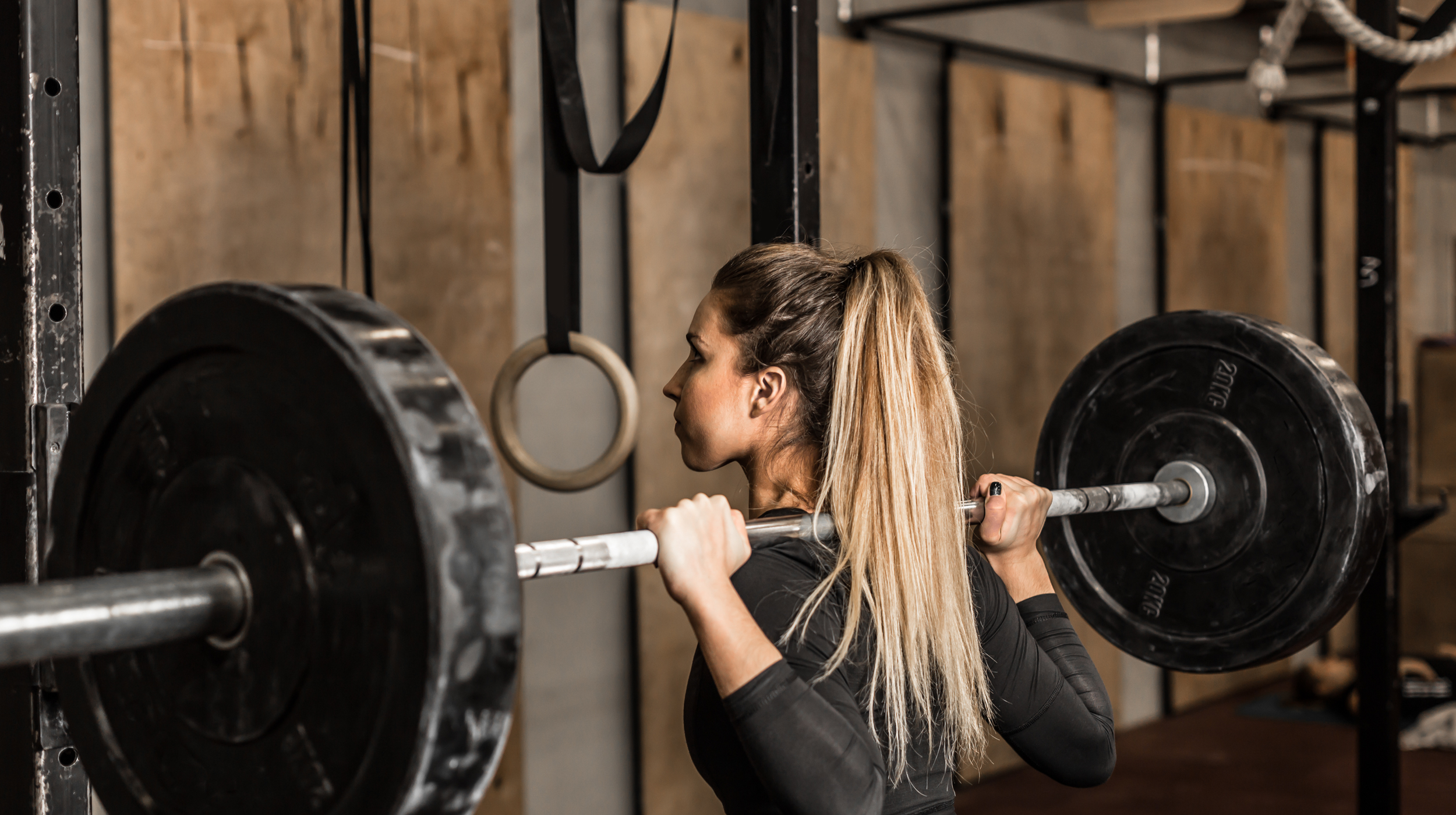
Compound Movements First: Start your session with exercises that use multiple joints and large muscle groups. Examples include squats, deadlifts, bench presses, rows, and overhead presses. Compound lifts are effective because they work more muscles at once and build overall strength.
-
Include Isolation Exercises: After the compound lifts, you can add a few isolation movements to target specific muscles that need extra attention, like bicep curls, tricep extensions, or calf raises.
-
Work the Core: Almost every exercise in a full-body routine engages the core, but you can also add planks, side planks, or ab rollouts to strengthen your midsection.
-
Balance Push and Pull Movements: Make sure you include exercises that push (like presses or push-ups) and pull (like rows or pull-ups) to maintain muscular balance and avoid shoulder or back problems.
-
Adjust Volume and Intensity: Depending on your fitness level and goals, you can change the number of sets, reps, and weights. Beginners might do 2–3 sets of 8–12 reps, while advanced trainees can increase sets or use heavier weights.
Sample Full-Body Workout (Gym Version)
Here’s an example of a simple full-body workout you can do at the gym using barbells and dumbbells:
-
Squats (Barbell or Dumbbell): 3–4 sets × 8–12 reps
-
Works quads, hamstrings, glutes, and core
-
Bench Press (Barbell or Dumbbell): 3–4 sets × 8–12 reps
-
Works chest, shoulders, and triceps
-
Barbell or Dumbbell Rows: 3 sets × 8–12 reps
-
Works back, lats, and biceps
-
Overhead Press (Dumbbell or Barbell): 3 sets × 8–12 reps
-
Works shoulders, triceps, and core
-
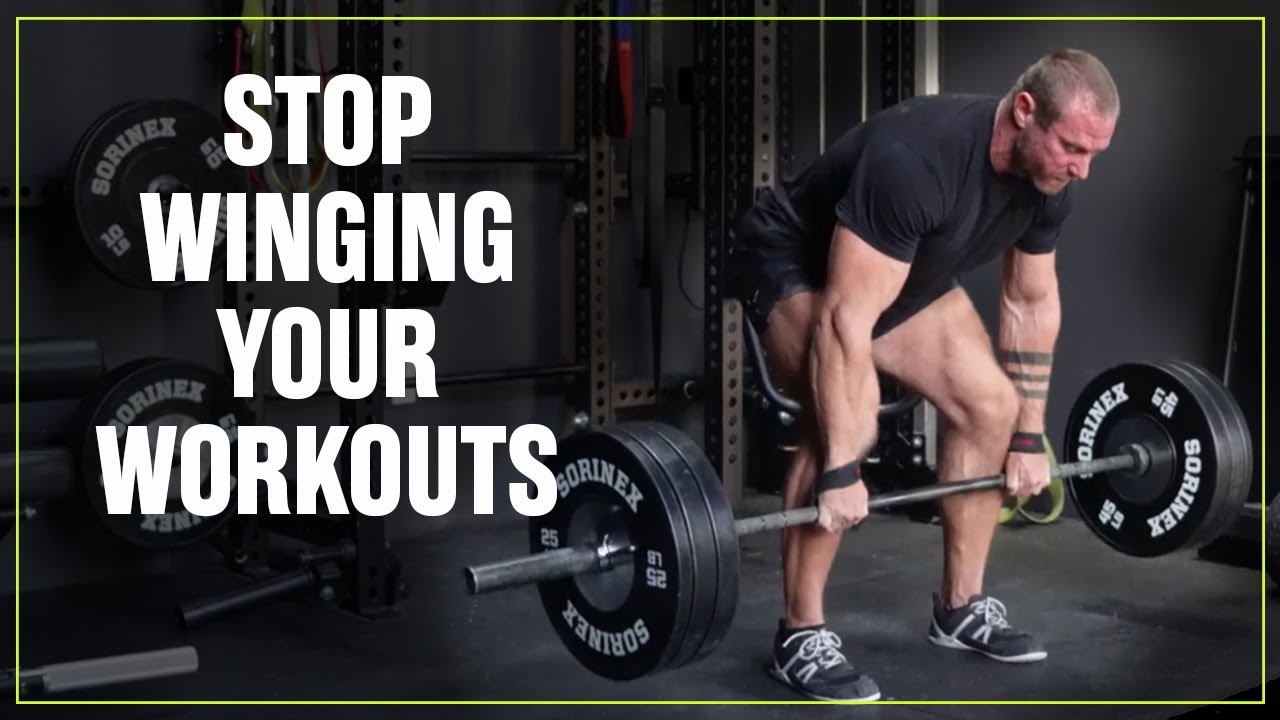
Deadlifts (Barbell or Dumbbell): 3 sets × 6–10 reps
-
Works posterior chain: hamstrings, glutes, back, and traps
-
Plank or Side Plank: 3 sets, hold 30–60 seconds
-
Strengthens core and stabilizing muscles
Optional: Add bicep curls, tricep extensions, or calf raises if you want extra focus on smaller muscles.
Full-Body Workout at Home (No Equipment)
You don’t need a gym to do a full-body workout. Here’s a simple home routine using just your body weight:
-
Bodyweight Squats: 3–4 sets × 15–20 reps
-
Push-Ups: 3–4 sets × 10–15 reps (modify by doing knee push-ups if needed)
-
Glute Bridges: 3 sets × 12–15 reps
-
Superman or Back Extensions: 3 sets × 12–15 reps
-
Plank or Side Plank: 3 sets, hold 30–60 seconds
-
Lunges: 3 sets × 10 reps per leg
Optional: Add dips using a chair, mountain climbers, or burpees for extra intensity and conditioning.
Benefits of Full-Body Workouts
-
Builds Strength Efficiently: By working all muscles each session, you improve overall strength faster than training muscles separately.
-
Increases Muscle Mass: Full-body workouts provide enough stimulus for muscles to grow, especially when performed 2–3 times per week.
-
Boosts Fat Loss: Multiple muscles working together burn more calories, making full-body routines effective for weight loss.
-
Improves Conditioning: Performing exercises in sequence keeps your heart rate up, providing both strength and cardio benefits.
-
Reduces Time Commitment: Since every session hits all muscles, you don’t need to train every day to see results.
-
Promotes Consistency: Fewer sessions per week make it easier to stick to a routine, especially if you have a busy schedule.
Tips for Success
-
Warm Up First: Spend 5–10 minutes doing light cardio and dynamic stretches to prepare your muscles and joints.
-
Use Proper Form: Focus on quality over quantity. Bad form can lead to injury and reduces the effectiveness of exercises.
-
Progressive Overload: Gradually increase weight, reps, or sets over time to keep challenging your muscles.
-
Rest and Recover: Give your body at least one day of rest between full-body workouts. Recovery is essential for muscle growth and strength.
-
Mix It Up: Change exercises occasionally to prevent boredom and ensure all muscles are challenged in different ways.
-
Listen to Your Body: If you feel pain (not normal muscle soreness), stop and rest. Adjust your workout if needed.
Why Full-Body Workouts Are Great for Beginners
For people new to fitness, full-body workouts are ideal because they:
-
Teach proper movement patterns
-
Build a strong foundation before splitting routines
-
Allow more frequent practice of each movement
-
Encourage consistent workouts without overwhelming the beginner
Even if you train only 2–3 times a week, you can still see significant improvements in strength, endurance, and overall fitness.
How to Structure Full-Body Workouts Per Week
For most people, training 2–4 times per week is sufficient:
-
2 Days per Week: Focus on 1–2 compound lifts per session, plus core and accessory exercises.
-
3 Days per Week: Alternate exercises, with full-body sessions every other day.
-
4 Days per Week: Two lighter full-body sessions and two heavier sessions, allowing variation in intensity.
Make sure to allow at least one rest day between workouts to let muscles recover.
Final Thoughts
Full-body workouts are one of the most versatile and effective types of training you can do. They save time, improve strength, boost calorie burn, and enhance overall fitness. Whether you train with barbells, dumbbells, resistance bands, or just your body weight at home, full-body workouts give you a complete, balanced routine.
The key to success is consistency, proper form, and gradually increasing intensity. Over time, you’ll notice stronger muscles, improved endurance, better posture, and overall better health. Full-body workouts aren’t just for people who want to look good — they’re for anyone who wants to move well, stay fit, and be ready for life’s daily challenges.
By including a combination of compound lifts, core exercises, and some isolation movements, full-body workouts ensure your entire body gets stronger, leaner, and more functional. They’re simple, adaptable, and perfect for all fitness levels.
Read Also: Keep your face towards the sunshine and shadows will fall behind you
Watch Also: https://www.youtube.com/@TravelsofTheWorld24

Leave a Reply