
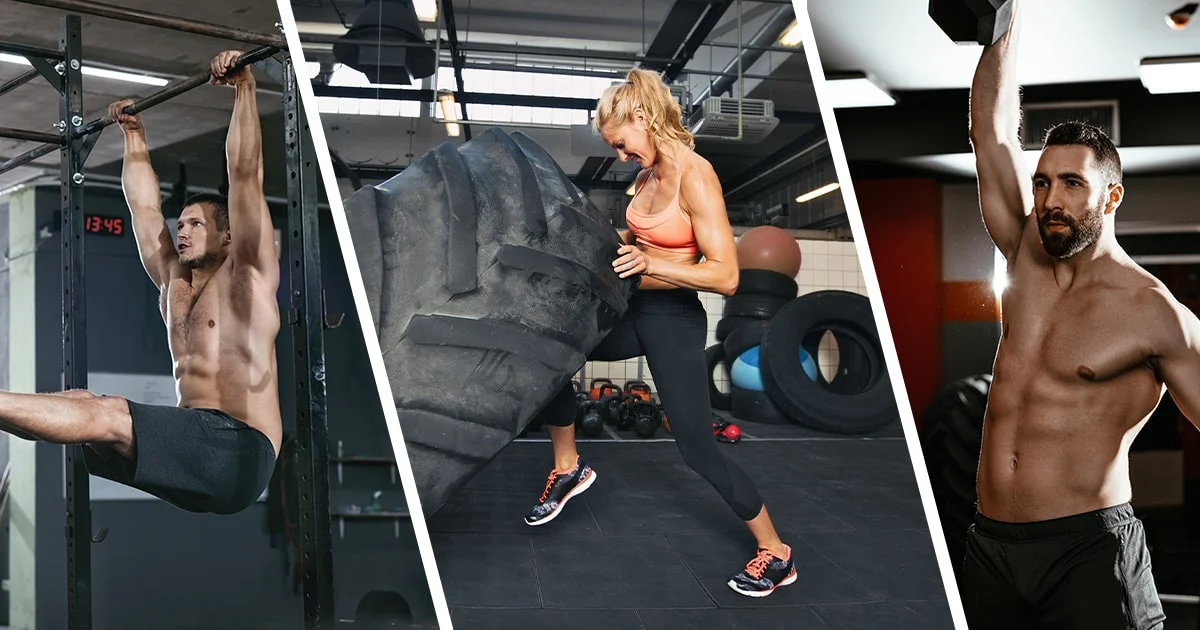
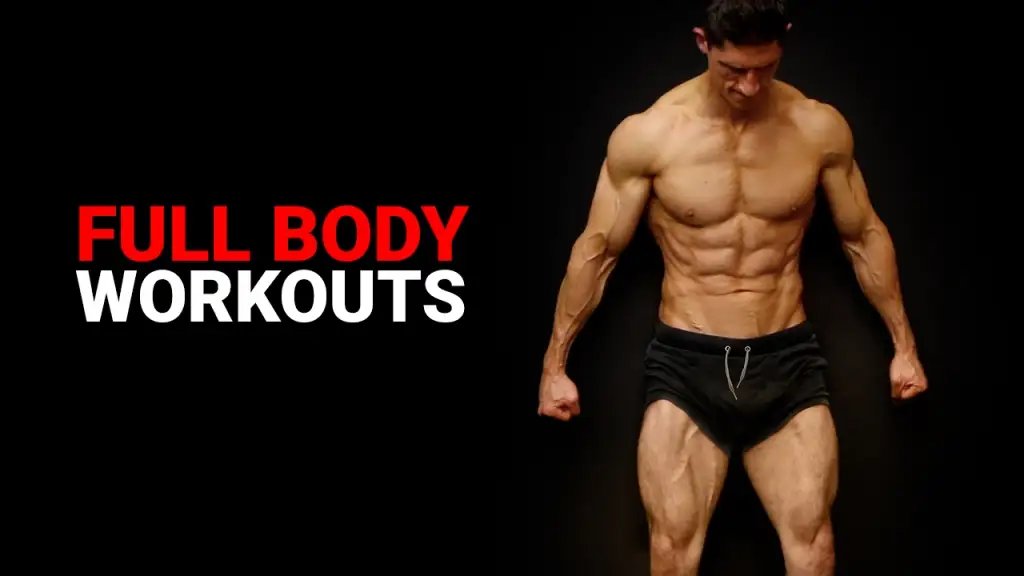
Building a strong, functional physique isn’t just about looking good — it’s about being capable, mobile, and resilient. That’s where the concept of a tactical physique comes in. A tactical physique combines strength, conditioning, and functional movement so your body is ready for anything, whether it’s sports, daily life, or simply moving efficiently without injury. This style of training focuses on functional strength — exercises that mimic real-life movements and improve your overall fitness, not just isolated muscles.
A functional strength training and conditioning workout emphasizes full-body movements, core engagement, balance, and endurance. It’s different from traditional bodybuilding, which often focuses on making muscles bigger without necessarily improving how your body works together. Tactical training combines multiple elements: strength, endurance, power, and mobility. Over time, this approach creates a physique that’s not only aesthetically pleasing but also practical and resilient.
Why a Tactical Physique Matters
The goal of a tactical physique is to make your body strong, agile, and capable of handling real-world challenges. Here’s why it’s important:
-
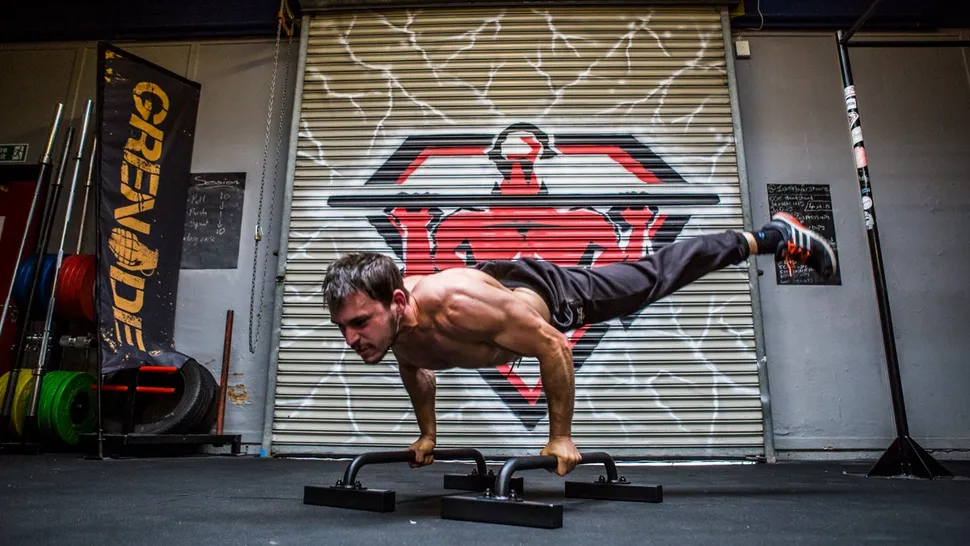
Functional Strength: A tactical workout trains muscles to work together rather than in isolation. For example, a push-up doesn’t just target your chest; it engages your shoulders, arms, and core all at once. Training in this way improves how your body functions in daily activities.
-
Injury Prevention: Functional exercises strengthen stabilizing muscles and joints. This helps protect you from common injuries, whether from sports, lifting heavy objects, or sudden movements in daily life.
-
Improved Mobility and Flexibility: Tactical workouts include full-range-of-motion exercises, stretching, and dynamic movements. This improves flexibility and mobility, which helps you move more efficiently and reduces stiffness or discomfort.
-
Better Posture and Balance: Many functional exercises engage the core and stabilizing muscles, which improves posture. A strong core also helps you balance better, which is important for athletic performance and everyday activities.
-
Enhanced Conditioning: A tactical physique program usually includes conditioning work — like circuits, sprints, or high-intensity intervals — which improves cardiovascular fitness, endurance, and overall energy levels.
-
Real-World Performance: Unlike traditional bodybuilding, functional strength prepares you for real-life tasks. Lifting, pushing, pulling, jumping, or running all become easier and safer.
Key Principles of a Tactical Workout
To build a tactical physique, it’s important to focus on a few key principles:
-
Compound Movements: Exercises that use multiple joints and muscles at once are the foundation of functional training. Squats, deadlifts, presses, and pulls are examples of compound movements that build overall strength.
-
Core Engagement: Every exercise should involve your core. A strong core stabilizes your body, improves posture, and prevents injury.
-
Balance and Stability: Many exercises are performed on one leg, with unstable surfaces, or with free weights to challenge balance and stabilizing muscles.
-
Explosive Power: Tactical workouts often include movements like jumps, kettlebell swings, or medicine ball throws to develop power and speed.
-
Mobility and Flexibility: Full-range-of-motion exercises and dynamic stretches improve joint mobility and prevent stiffness.
-
Conditioning: Adding circuits, sprints, or high-intensity intervals ensures your cardiovascular system and muscular endurance are also trained.
Tools You Can Use
You don’t need a fancy gym to train for a tactical physique. Here are some tools that are effective and versatile:
-
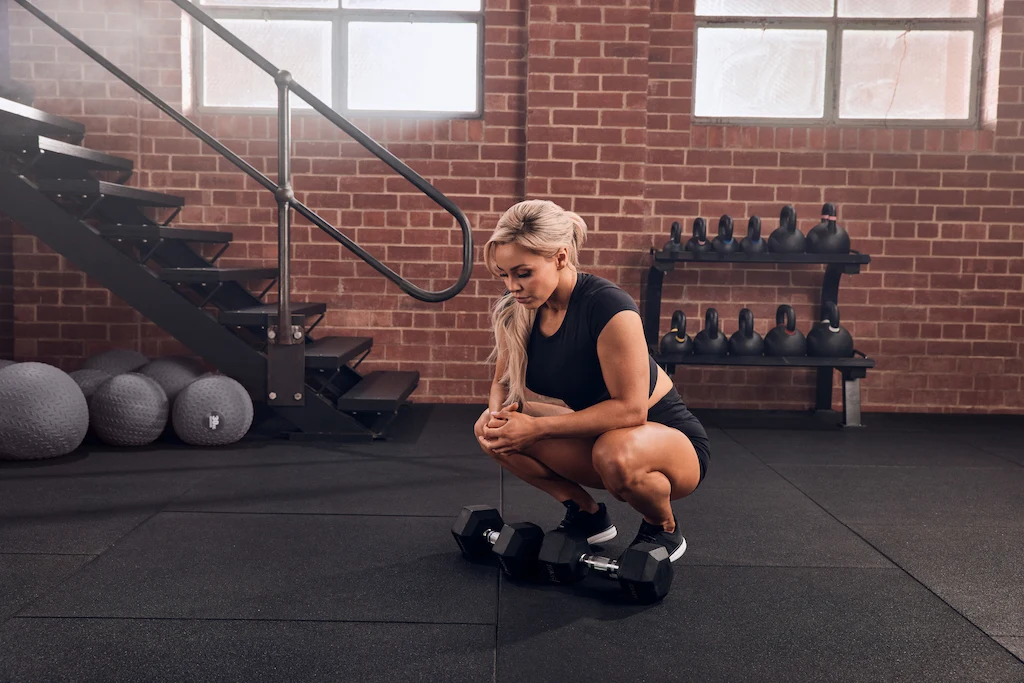
Dumbbells: Great for presses, rows, squats, lunges, and farmer carries. Adjustable dumbbells are especially convenient for home use.
-
Kettlebells: Ideal for swings, cleans, snatches, and Turkish get-ups that develop power, strength, and coordination.
-
Resistance Bands: Portable and versatile, perfect for rows, presses, pull-aparts, and rotational movements.
-
Bodyweight (Calisthenics): Push-ups, squats, lunges, planks, and burpees are excellent functional exercises that require no equipment.
-
Medicine Balls or Sandbags: These add dynamic resistance and instability, improving functional strength.
-
Pull-Up Bar: Great for upper-body pulling strength, grip, and core engagement.
Sample Tactical Physique Workout
Here’s a sample full-body functional strength and conditioning workout you can follow. It focuses on building strength, endurance, balance, and power.
Warm-Up (5–10 minutes)
-
Jumping jacks or jump rope: 2–3 minutes
-
Arm circles, shoulder rolls, and leg swings: 2 minutes
-
Bodyweight squats: 10–15 reps
-
Hip openers and dynamic stretches for mobility
Main Workout (40–50 minutes)
1. Squats with Dumbbells or Kettlebell (Compound Movement)
-
3–4 sets of 10–12 reps
-
Focus on keeping your chest up, core tight, and knees aligned with toes
-
Works quads, hamstrings, glutes, and core
2. Push-Ups or Dumbbell Bench Press
-
3–4 sets of 10–15 reps
-
Engages chest, shoulders, triceps, and core
-
Add variations like incline, decline, or spiderman push-ups for extra challenge
3. Kettlebell Swings (Explosive Power)
-
3 sets of 15–20 reps
-
Engages glutes, hamstrings, back, shoulders, and core
-
Improves hip explosiveness and conditioning
4. Plank to Shoulder Tap (Core Stability)
-
3 sets of 20 taps (10 per side)
-
Keeps core tight while challenging shoulder stability
5. Walking Lunges (Balance and Functional Strength)
-
3 sets of 10 reps per leg
-
Works quads, glutes, hamstrings, and core while improving balance
6. Medicine Ball Rotational Throws (Rotational Power)
-
3 sets of 12–15 reps per side
-
Trains obliques, core, and rotational strength for functional movements
7. Farmer’s Carry (Grip and Full-Body Strength)
-
3 rounds of 30–60 seconds walks with heavy dumbbells or kettlebells
-
Works grip, shoulders, core, and legs
8. Pull-Ups or Resistance Band Rows
-
3 sets of 8–12 reps
-
Strengthens back, biceps, shoulders, and core
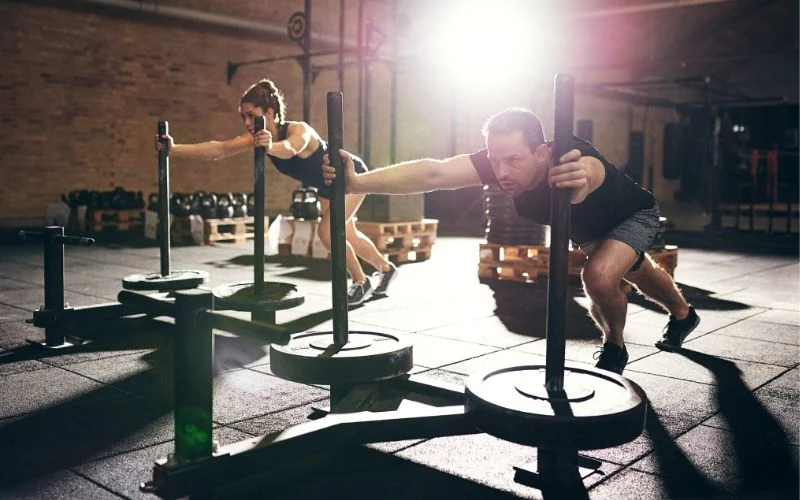
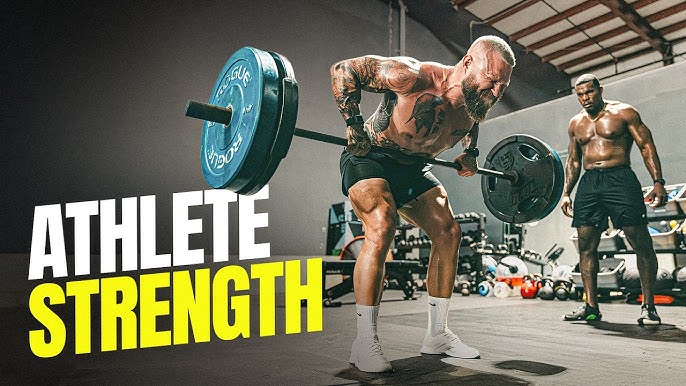
Train Like a Pro: Functional Strength for a Tactical Physique
Conditioning Circuit (Optional)
After strength work, adding a short conditioning circuit boosts endurance and burns calories:
-
30 seconds jump squats
-
30 seconds push-ups
-
30 seconds mountain climbers
-
30 seconds rest
-
Repeat 3–4 rounds
This combination challenges your heart, lungs, and muscular endurance while keeping the workout functional.
Cool-Down (5–10 minutes)
-
Stretch major muscle groups: quads, hamstrings, glutes, shoulders, and back
-
Include dynamic stretches if you feel tight
-
Finish with deep breathing to relax the body and improve recovery
Tips for Success
-
Focus on Form: Quality over quantity. Proper form ensures you engage the right muscles and avoid injury.
-
Progressive Overload: Gradually increase weights, reps, or difficulty to keep challenging your body.
-
Consistency: Functional strength develops over time. Aim for 3–4 tactical workouts per week.
-
Recovery: Sleep, hydration, and nutrition are just as important as exercise. Your muscles need time to repair and grow.
-
Adaptability: Adjust the workout to match your fitness level. Beginners can use lighter weights or simpler variations, while advanced trainees can add complex moves or higher intensity.
Benefits of a Tactical Physique Workout
-
Full-Body Strength: Trains all major muscle groups and stabilizers
-
Improved Athletic Performance: Enhances speed, power, and agility
-
Better Posture and Mobility: Core engagement and functional movements improve how you carry yourself
-
Injury Prevention: Strengthening stabilizing muscles reduces the risk of strains and falls
-
Everyday Readiness: Makes lifting, carrying, and bending easier in daily life
Final Thoughts
A tactical physique isn’t just about looking strong; it’s about building a body that works efficiently, moves well, and can handle real-world challenges. Functional strength training and conditioning combine muscle, balance, power, and endurance into a single, practical workout.
By including compound movements, core engagement, mobility work, and conditioning, you create a routine that strengthens the entire body. Over time, you’ll notice not just improved appearance but also better posture, stability, and confidence in everyday activities.
Whether you train with dumbbells, kettlebells, resistance bands, or just your body weight, the key is consistency, progression, and focusing on functional movements. With this approach, you’re not just building muscle — you’re building a tactical physique that’s strong, capable, and ready for anything.
Read Also: Keep your face towards the sunshine and shadows will fall behind you
Watch Also: https://www.youtube.com/@TravelsofTheWorld24

Leave a Reply