
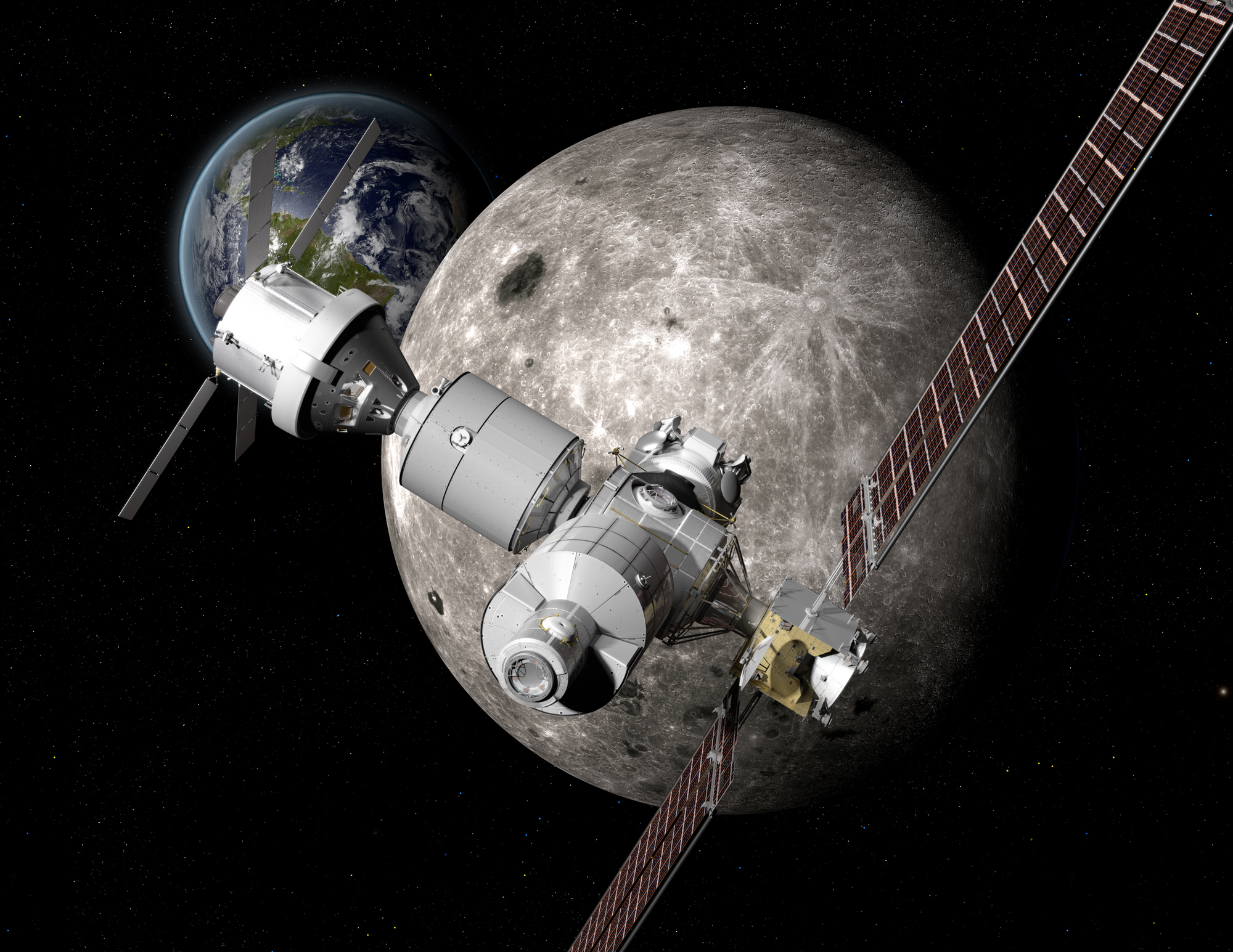
NASA wants to build a space station that will orbit the Moon, and it’s one of the biggest ideas in space exploration today. This station is called the Lunar Gateway (sometimes just “Gateway”) and the basic goal is to use it as a stepping stone — a place where humans can live and work in deep space that’s farther from Earth than we’ve ever stayed before.
Think of it like a small home base in space. It’s not on the Moon’s surface — it will orbit around the Moon — but it will be close enough that astronauts can travel from there to the Moon’s surface and back again. It also gives scientists a chance to do research that’s hard or impossible to do closer to Earth.
Why NASA Wants This Outpost
NASA sees this station as a big part of future space exploration for a few simple reasons:
1. A Place to Live and Work in Deep Space
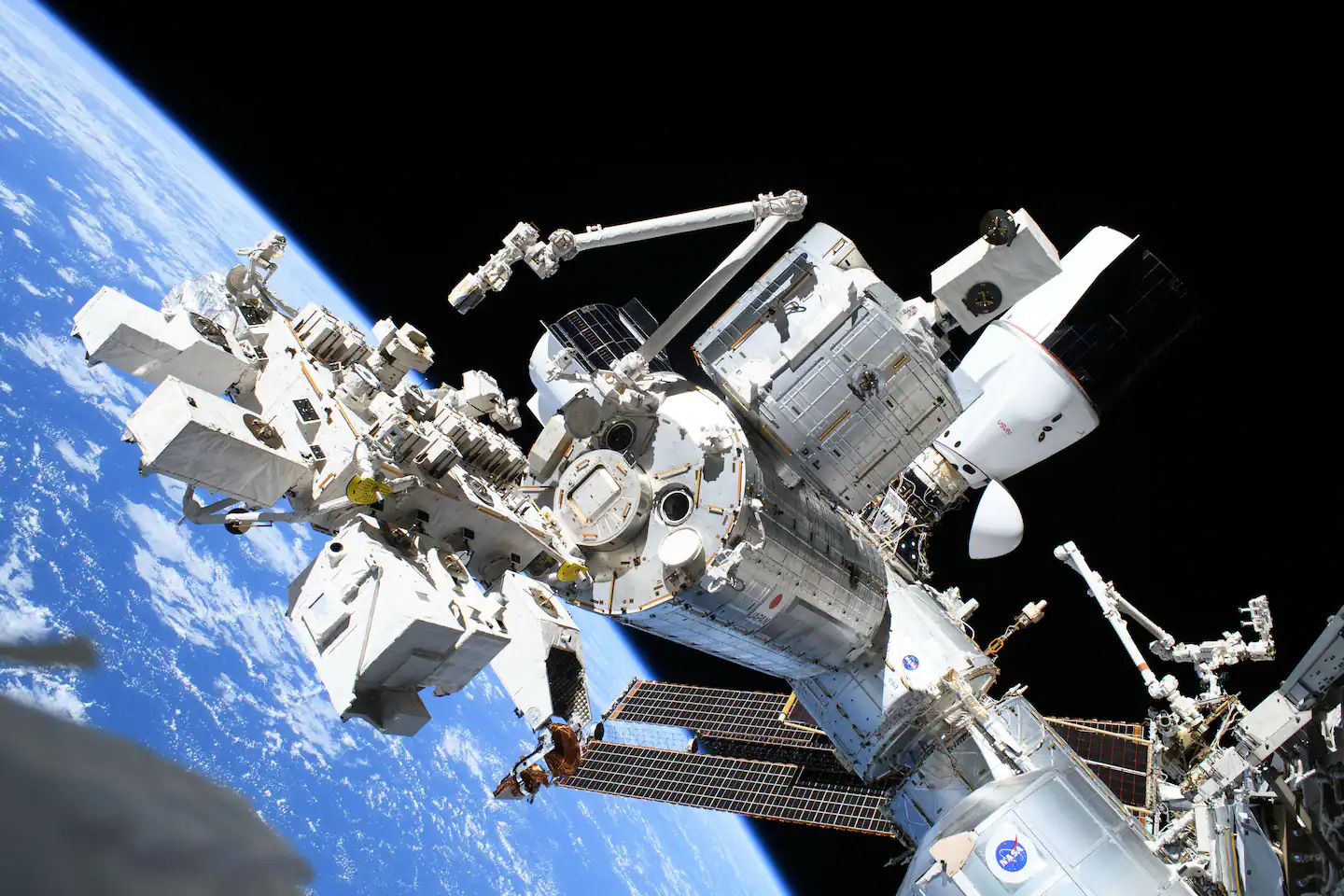
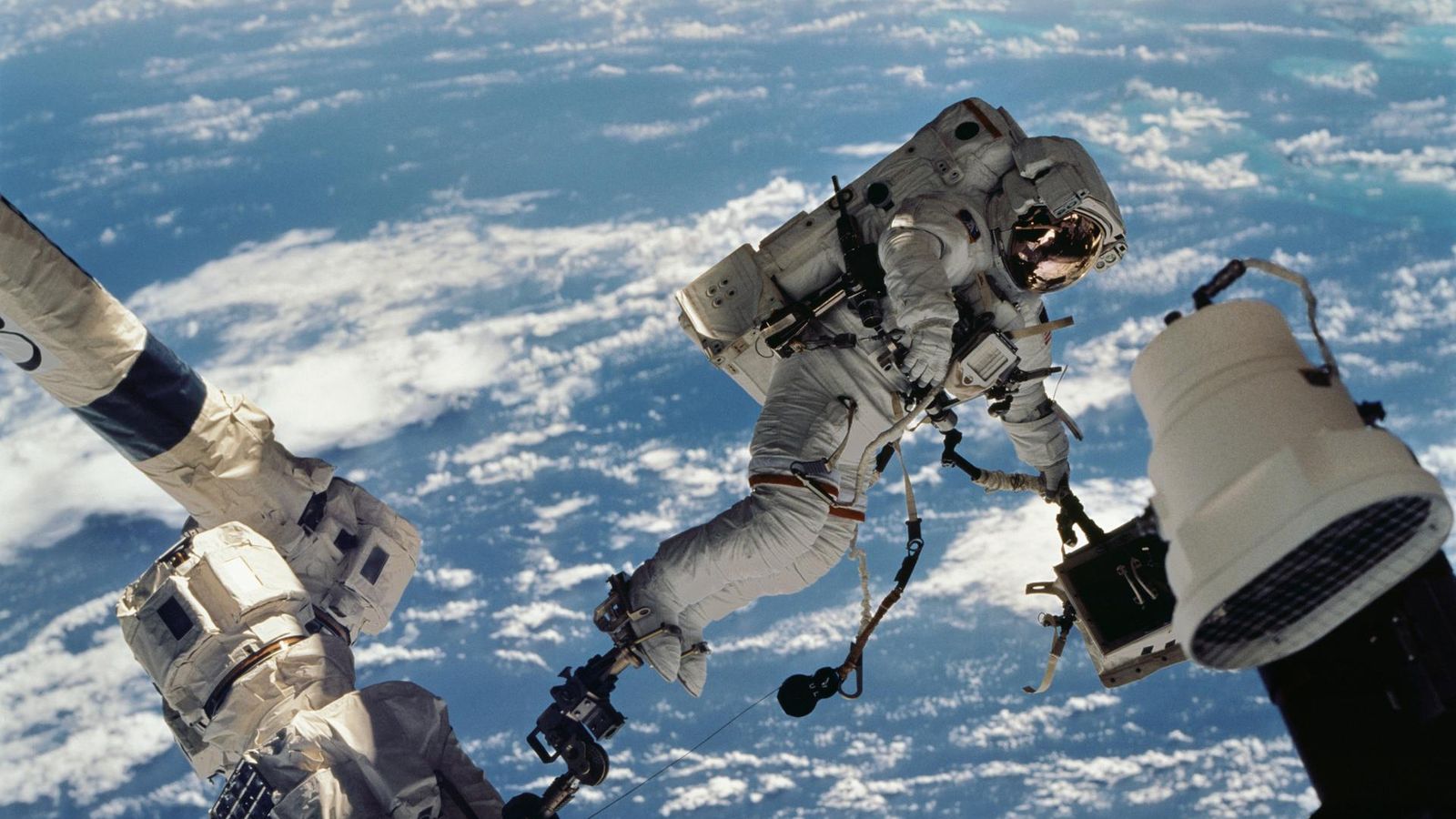
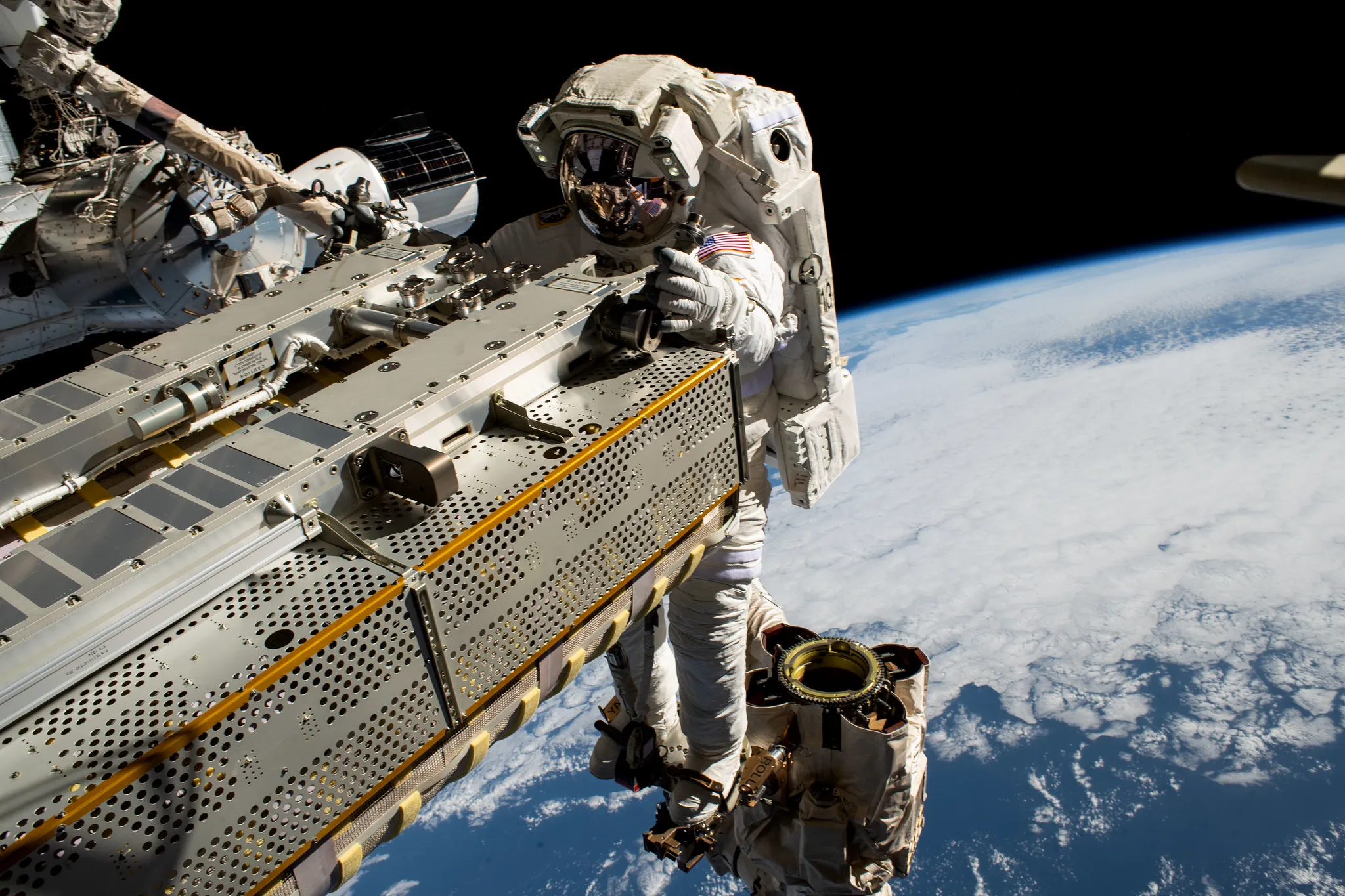
Right now, astronauts live on the International Space Station (ISS), which is close to Earth, just a few hundred kilometers up. Gateway would be much farther out — thousands of kilometers beyond Earth’s protective magnetic field. This means:
-
Astronauts can experience conditions more like what they’ll see on future missions to Mars.
-
Scientists can study how long‑term space travel affects the human body in ways we haven’t before.
This is important because Mars is even farther from Earth and if humans are going to one day live and work there, we need to know how that long time in space affects people.
2. Science Experiments That Can’t Be Done Any Other Way
Gateway won’t just be somewhere to hang out. It’s going to have tools and instruments that study things like:
-
Radiation in deep space: Space beyond Earth’s protective magnetic bubble is full of powerful particles from the Sun and beyond. These can hurt both astronauts and electronics. The outpost will carry instruments to measure and understand these dangerous particles.
-
Space weather: The Sun constantly sends out particles and magnetic storms. Those storms can sometimes disrupt satellites and even power grids on Earth. Studying them from Gateway helps scientists learn more about these events.
-
Earth and solar system science: From this special lunar orbit, instruments can also watch the Earth, the Moon, the Sun, and even deep space. This is science that can’t be done from Earth’s orbit.
So the Gateway is more than a dock for spaceships — it’s a real science lab that will help answer long‑standing questions about space.
3. Testing the Skills We Need for Mars and Beyond
Getting humans farther into space isn’t easy. The Gateway will help NASA practice:
-
How to live far away from Earth for longer periods,
-
How to operate robots and new kinds of spacecraft,
-
How to survive solar storms,
-
And how to get from one place in space to another safely.
All of this is needed before humans can step foot on Mars or explore even deeper parts of space.
What the Gateway Will Be Like
This isn’t going to be a giant space city like what you might see in science fiction. Instead, it will be smaller, but still powerful. Some key things about it:
Orbit Around the Moon
Gateway will orbit in what’s called a near‑rectilinear halo orbit (NRHO). That’s a complicated name for a weird kind of orbit that brings it close to the Moon at one point, and farther away at another. The advantage is:
-
It takes less fuel to stay in that orbit.
-
It has good communication with Earth.
-
It gives access to nearly the whole Moon.
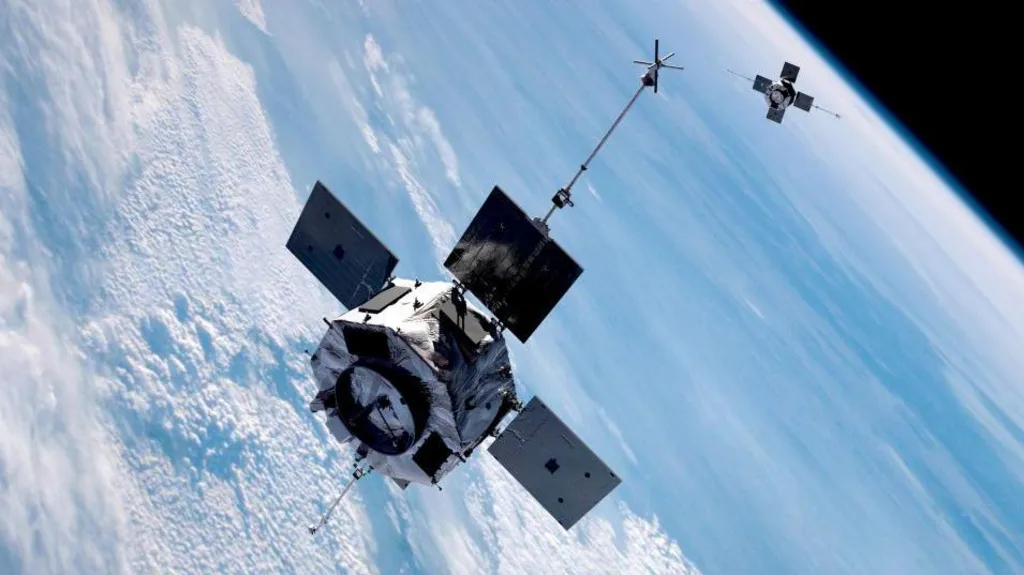
This special orbit was tested by NASA’s small satellite mission called CAPSTONE, which proved the orbit is stable and usable for the Gateway.
Living and Working Space
The station will be made of separate pieces that are sent into space and put together around the Moon. Some of the first parts include:
-
Power and Propulsion Element (PPE): This gives the station electricity from solar panels and also helps steer it around the Moon.
-
Habitation and Logistics Outpost (HALO): This is where astronauts will live and work.
Later on, there will be other modules for science labs, airlocks for spacewalks, and robotic arms to help with operations. The Mohammed bin Rashid Space Centre (from the United Arab Emirates) is even building an airlock module.
International Teamwork
This isn’t just NASA’s project. Space agencies from other countries are contributing too. For example:
-
The European Space Agency (ESA)
-
The Canadian Space Agency (CSA)
-
The Japan Aerospace Exploration Agency (JAXA)
-
And the United Arab Emirates’ space centre
All of them are helping build and operate parts of the Gateway. This kind of cooperation spreads the cost and makes the science richer.
What Science Will Be Done There
Here’s a more detailed look at the kinds of science the Gateway will focus on, explained in simple terms:
Radiation Science
Far from Earth, radiation is a huge problem. The Gateway will carry radiation instruments that will:
-
Track how many radiation particles hit the station,
-
Understand how radiation changes over time,
-
Help scientists figure out how to keep astronauts safe on long trips.
This is important because on Mars and deep space missions, there won’t be Earth’s magnetic field to protect astronauts.
Space Weather Studies
Sun storms (also called solar flares or coronal mass ejections) can send bursts of particles out into space. From Gateway, scientists can watch these storms more closely and study how they travel through space. This helps NASA protect spacecraft and astronauts, and also helps Earth‑based systems.
Watching Deep Space and Earth
From its orbit, instruments on Gateway can also:
-
Take observations of the Moon and Earth,
-
Look at the surface of the Moon without interference from Earth’s atmosphere,
-
And study cosmic rays and particles from deep space.
This gives information that’s hard to get from Earth or even from low Earth orbit.
Human Biology in Space
Scientists also want to understand how long periods in deep space affect the human body. The Gateway will be a place where astronauts can spend weeks or even months. NASA can study how:
-
Bones weaken,
-
Muscles change,
-
Sleep patterns shift,
-
And overall health is affected.
This kind of research is necessary before humans go on longer journeys like to Mars.
How It Ties Into the Artemis Program
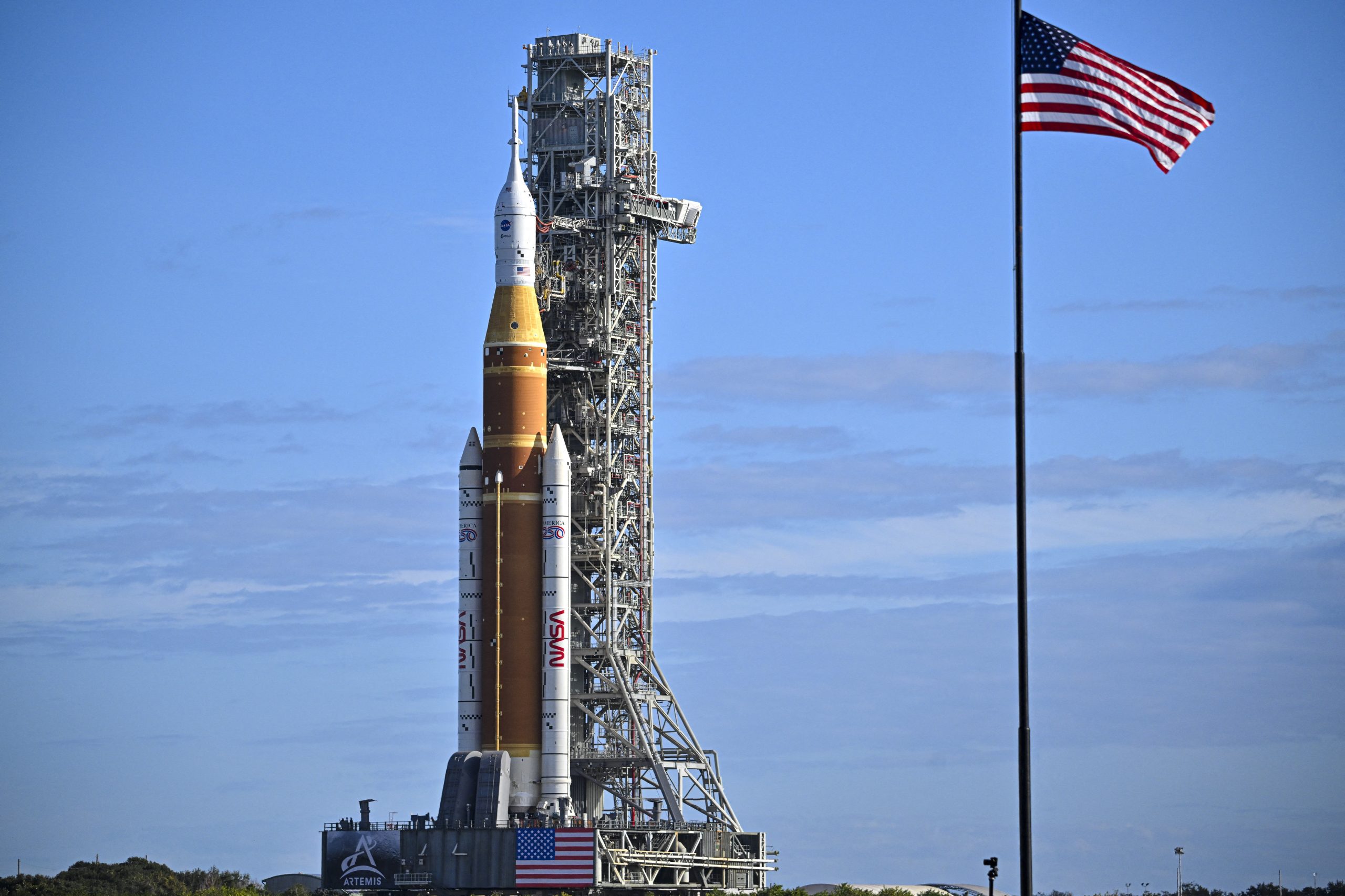
The Gateway isn’t meant to stand alone. It’s part of NASA’s larger Artemis program, which aims to:
-
Return humans to the Moon,
-
Build a sustained presence there,
-
And eventually send astronauts to Mars.
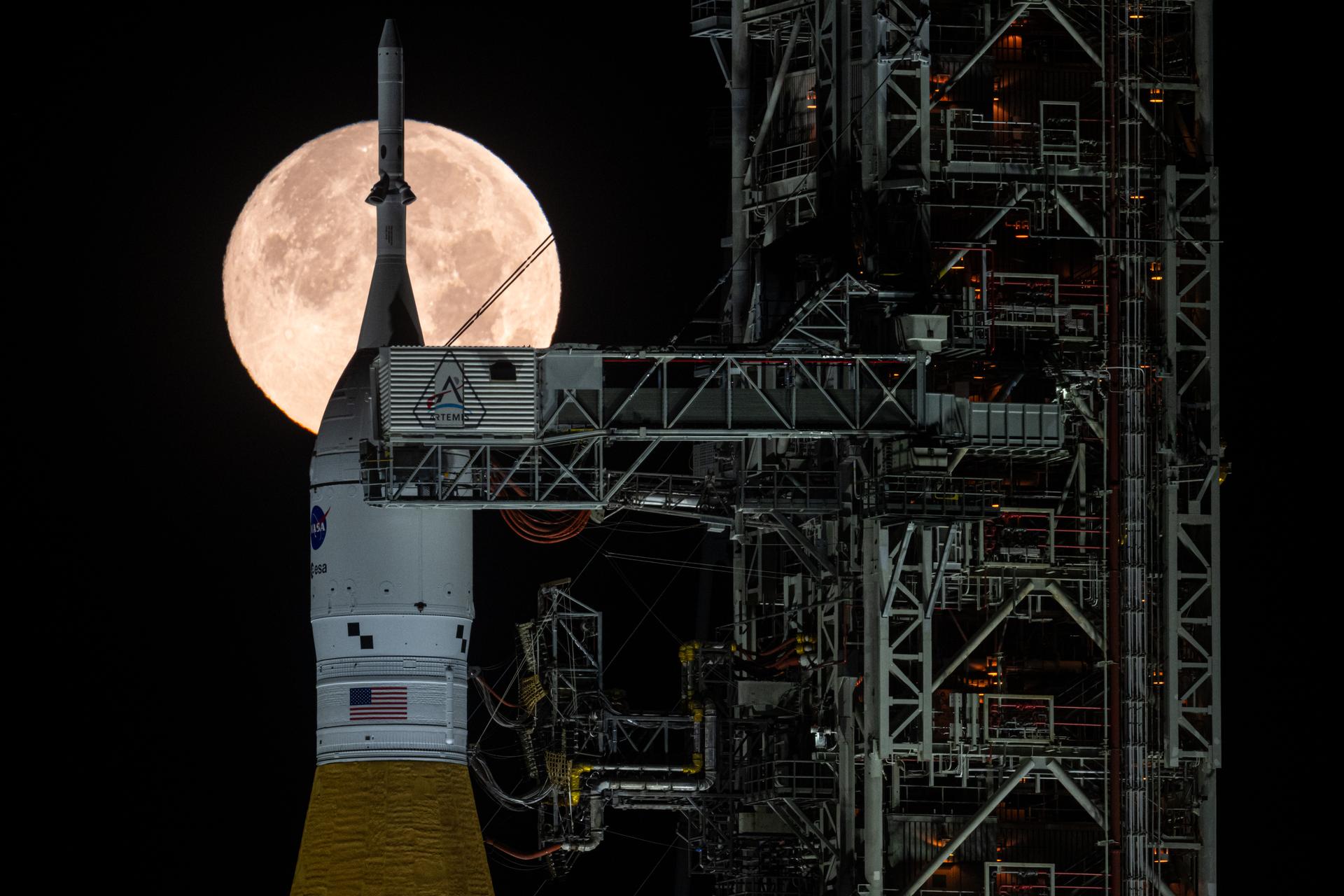
For example, missions like Artemis 2 and future Artemis flights will use the Gateway as a staging point. Astronauts will launch from Earth in the Orion spacecraft, enter lunar orbit, and dock with the Gateway before landing on the Moon or doing science.
So Gateway acts like a bridge between Earth and the lunar surface.
What Needs to Happen Next
There’s still a lot to do before the Gateway becomes a reality:
-
NASA and its partners need to finish building each module.
-
The first pieces have to launch and connect in space.
-
Astronaut missions have to test living and working systems.
-
And science instruments have to be installed and checked.
This means the Gateway is still a work in progress and could evolve with future NASA decisions and international partnerships.
In Simple Terms: What the Gateway Will Do
To sum up in very plain words:
-
It will be a small space station near the Moon.
-
Astronauts will visit and live there for deep‑space missions.
-
Scientists will use it as a lab to study space radiation, solar storms, Earth, and deep space.
-
It will help NASA and partners prepare for future missions to Mars.
Why It Matters
This isn’t just another space project. It represents a big step:
-
Humans will stay farther from Earth than ever before.
-
We’ll learn how long stays in deep space affect our bodies and technology.
-
Scientists will get new data about the Sun, Earth, and space.
-
It builds a foundation for going to places like Mars.
So Gateway isn’t just about orbiting the Moon — it’s about reaching farther into space.
Read Also: Keep your face towards the sunshine and shadows will fall behind you
Watch Also: https://www.youtube.com/@TravelsofTheWorld24





Leave a Reply