
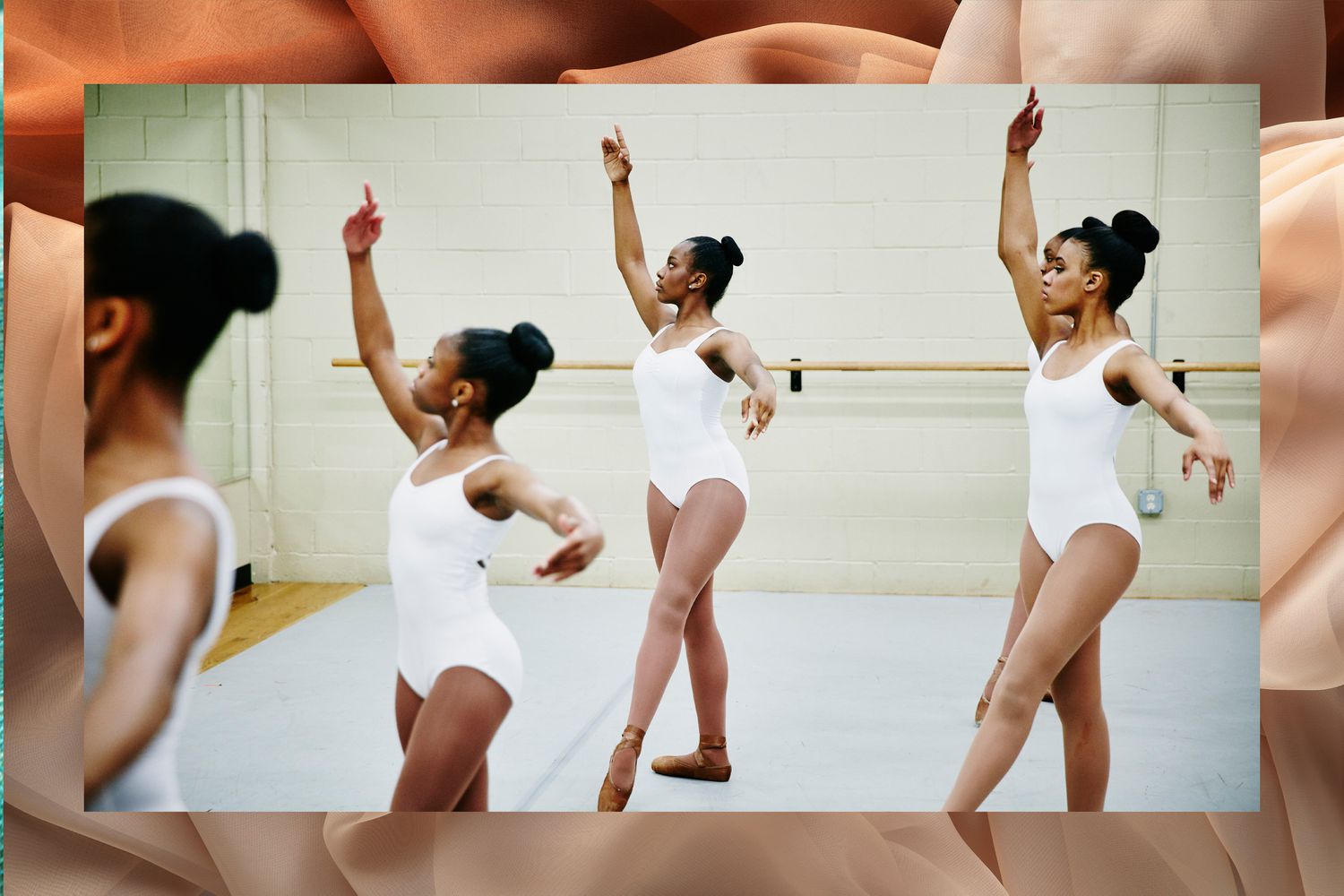
Dance is often described as freedom — a way for the body to speak what words cannot. But for many Black dancers, attending a dance class isn’t just about movement or expression. It is about learning how to exist in spaces that were not designed for them. Before they even learn a pirouette or a plié, they must learn how to navigate the culture of whiteness that surrounds most formal dance training.
This is a big topic rooted in history, identity, power, access, and belonging. In simple words, it means that when Black dancers walk into a classroom, studio, or school, they step into an environment shaped mostly by white norms — in style, expectations, language, and often, in idea of what dance should look like. They must learn to carry themselves in that world before they can even start learning the art itself.
Let’s explore why this happens, what it feels like, and how it affects Black dancers — emotionally, physically, and creatively.
A Little History: Dance Training and Race
Most formal dance education — especially ballet and modern dance — developed in Europe and North America. Those spaces were created by white teachers for mostly white students. The movements, the grammar of dance, and the classroom culture reflect certain ideas about the body: what looks “proper,” what is “beautiful,” what is “correct.”
Because of this legacy, dance training was and still is shaped by Eurocentric standards. A neutral stance might sound harmless, but those standards often assume a certain body shape, a certain rhythm, a certain way of carrying oneself. Little by little, Black dancers learned that to be taken seriously in dance class, they had to adapt — to fit in, to be accepted, and to survive.
This isn’t just about technique. It is about cultural belonging.
What Does “White Spaces” Mean?
When people talk about “white spaces,” they mean places where white cultural norms are the default — spaces where the expectations, rules, moods, and standards are shaped by experiences that center whiteness. In dance, this can include things like:
-
Ballet barre exercises rooted in European aesthetics
-
Teachers using language and examples drawn from a cultural experience unfamiliar to Black students
-
Expectations about how bodies should look and move
-
Music choices that ignore non‑Western rhythms
-
Classroom discipline styles that favor certain personalities
For Black dancers, this means that just walking into class can feel like learning a code — a set of unspoken expectations about how to behave, how to look, and how to fit in.
The Unspoken Lessons Before the Dance Lessons
Imagine you’re a young Black dancer stepping into a studio for the first time. The steps you want to learn are familiar — maybe you heard them in church, social dance, or from watching community dancers. But in the classroom, you’re met with:
-
A set of rules you didn’t grow up with
-
A language of movement that feels foreign
-
Teachers and peers who assume certain cultural norms
Suddenly, your body has to do more than dance. It has to perform belonging.
This means learning things like:
-
How to speak in a way that fits the expectations of the class
-
How to silence parts of yourself that might feel natural outside the classroom
-
How to downplay confidence so it isn’t labeled “too much”
-
How to modify movement so it appears closer to the standard being taught
These are not steps in the syllabus. They are survival strategies.
Why Black Bodies Are Policed in Dance Class
Black dancers often describe a feeling of being watched — not just for technical ability, but for how they fit the ideal image of a dancer. This policing can take many forms:
1. Comments About Posture or Attitude
Black dancers may be told to “stand straighter” or “soften their presence” — not because their alignment is wrong, but because their natural way of holding themselves doesn’t match the European ideal.
2. Misinterpretation of Expression
Movement that draws from the dancer’s personal style or cultural rhythm might be seen as “too loose” or “not refined.”
3. Stereotyping
Sometimes teachers assume a Black dancer is naturally strong or rhythmic. While that may feel like a compliment, it can come with an expectation that the student should already “have it,” cutting short the real support needed.
All these experiences shape how Black dancers learn to exist in a world that compares them to a norm they were never meant to belong to.
Dance Class Isn’t Just About Technique — It’s About Identity
Every class asks dancers to translate emotion into movement, but for Black dancers the classroom adds another layer: identity management. They are not only trying to master choreography; they are trying to hold space in an environment that did not originally imagine itself with them in it.
This can show up as:
-
Constant self‑monitoring
-
Trying to sound neutral rather than expressive
-
Suppressing cultural ways of movement
-
Hiding rhythms that might disrupt the expected flow
-
Adjusting hair, clothing, or expression to look “less different”
Black dancers aren’t just learning dance vocabulary — they are learning how not to be judged for being different.
The Emotional Toll
This constant pressure affects dancers in real ways:
Pressure to Conform
Black dancers can feel that they must give up parts of who they are to be accepted. They may hold back natural movement that feels true because it doesn’t match the classroom standard.
Feeling Like an Outsider
Even if a student is talented, the feeling of being “other” can linger. They may believe they must work twice as hard to prove they belong.
Self‑Doubt
Being in an environment where one’s natural movement is repeatedly corrected can lead to internal confusion — “Is my body wrong? Is my way of moving wrong?”
These pressures can dim joy and make dance feel heavy instead of freeing.
So Why Do Black Dancers Still Pursue Training?
Despite all these challenges, Black dancers show up anyway. Why? Because dance also gives them space to express their full identity when they find the right spaces or create their own.
For many Black dancers:
-
Dance is a language of freedom
-
Movement carries memory, culture, joy, and resilience
-
Art becomes a way to speak truths that are hard to say
-
Dance can connect generations
They continue training because the art itself is alive, powerful, and meaningful — even if the classroom environment demands adaptation first.
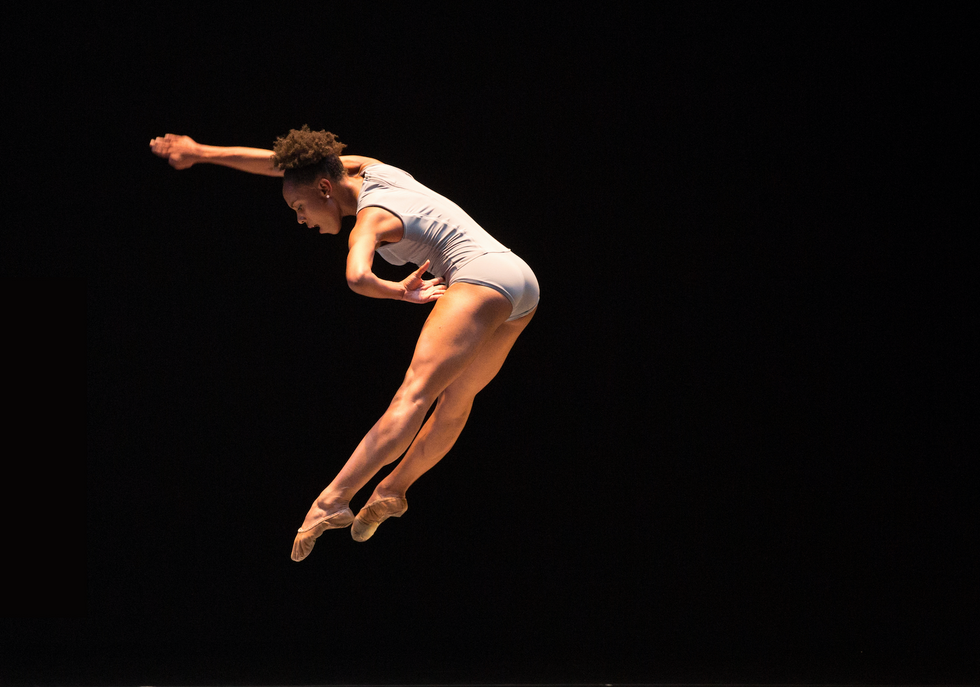
Learning to Belong: Black Dancers in White Spaces
Black Dance Forms and Identity
It’s important to remember that Black movement traditions are vast. Black people have created powerful dance cultures all over the world. These include:
-
Social dances born in community gatherings
-
Church movement and gospel expression
-
African diasporic rhythms
-
Hip‑hop, house, locking, popping, breaking
-
Jazz and contemporary forms rooted in lived experience
These styles carry history, culture, and identity. But when Black dancers bring these influences into formal classrooms, they can be misunderstood or minimized.
That doesn’t mean Black movement is wrong. It means the classroom standard isn’t neutral.
When Dance Class Becomes More Inclusive
Change is happening. Dance schools, teachers, and institutions are learning that inclusivity isn’t just about having diverse students. It is about:
-
Valuing different movement histories
-
Expanding what “good technique” looks like
-
Listening to students’ cultural expressions
-
Creating classroom environments where Black dancers don’t have to silence themselves
-
Understanding that beauty and correctness come in many forms
In inclusive spaces, dancers are encouraged to bring their whole selves. The movement vocabulary expands. The art becomes richer and more meaningful.
In such spaces, Black dancers no longer have to fit in — they belong.
Black Teachers and Mentors Matter
Often, what Black dancers need most is a teacher who understands them — someone who looks like them, shares similar experiences, or has walked through similar doors. That mentor can:
-
Validate movement that reflects cultural identity
-
Protect students from unnecessary correction based on bias
-
Coach dancers to use their authentic voice
-
Create space for rhythms and expressions that were historically excluded
-
Help dancers build confidence without losing who they are
Representation matters. Seeing someone who looks like you on the other side of the classroom changes everything.
What Does Belonging Look Like in Dance?
Belonging doesn’t mean forcing everyone to be the same. Belonging means:
-
Dance spaces that honor different roots
-
Teachers who listen before they correct
-
Students who feel safe to express their identity
-
Variety in music, technique, and movement
-
Dance that reflects the diversity of bodies and cultures
When belonging exists, Black dancers don’t have to enter the room with one foot in two worlds — they simply walk in as themselves.
Dance Is Not Moving Through Space — It Is Moving Through Worlds
For Black dancers, dance isn’t just art. It is history, heritage, emotion, and culture.
When a Black dancer moves, they carry:
-
Ancestral memory
-
Community rhythm
-
Personal story
-
Cultural inheritance
Dance class should not strip these away. It should welcome them.
But too often, Black dancers must first navigate a world shaped by norms that don’t reflect their lived experience. They must translate themselves into a language they didn’t create.
That translation is exhausting. Yet, Black dancers continue because movement is their voice — and they refuse to lose it.
The Path Forward
There’s still a long way to go. But every step toward inclusivity makes a difference. Dance teachers, schools, and institutions can:
-
Study cultural histories of movement
-
Question standards that exclude
-
Celebrate rhythms from around the world
-
Offer mentorship programs
-
Train teachers to recognize and remove bias
-
Center dancers’ humanity before technique
For Black dancers today, attending dance class should not feel like entering a foreign culture where belonging must be earned. It should feel like entering a space where identity, history, and creativity are welcome.
Because dance, at its core, is about connection — not erasure.
Final Thought
Black dancers do more than learn steps. They learn to exist in spaces that weren’t originally made for them. They learn to carry confidence, identity, and cultural memory with grace. They are not just students — they are bridges between worlds.
To truly honor the art, dance education must change. It must open itself to every voice, every rhythm, and every body. Only then can dance become what it promises to be: a space where freedom moves without fear.
Read Also: Keep your face towards the sunshine and shadows will fall behind you
Watch Also: https://www.youtube.com/@TravelsofTheWorld24

Leave a Reply