
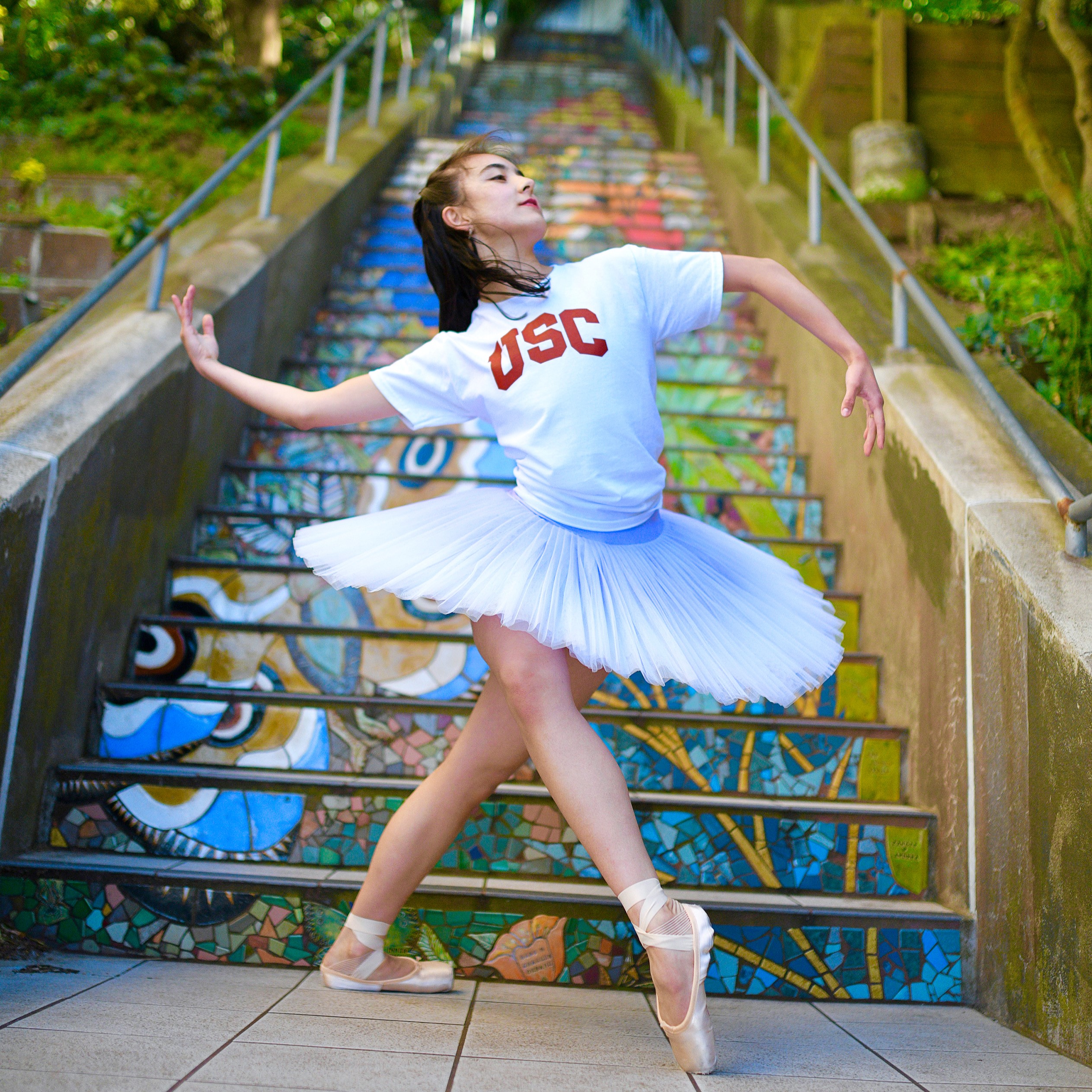
Applying for college is stressful for almost everyone. There’s the pressure of applications, essays, and deadlines. For students who want to study dance, there’s an extra challenge: auditions. Auditions can feel intimidating and nerve-wracking, even for talented dancers.
Nancy Lushington, the chair of dance at Marymount Manhattan College, remembers feeling nervous during her own college auditions. She says, “I wish I’d had more self-confidence.” Her experience is common — but the good news is that careful preparation can make auditions much easier and less stressful.
With the right mindset and planning, you can approach college auditions with curiosity, enthusiasm, and confidence. This guide will help you understand how to get ready and make the most of your audition experience.
Understanding College Dance Auditions
College dance auditions are designed to see both your skill and your potential. Directors want to know:
-
Your technical ability
-
How well you learn choreography
-
Your stage presence
-
Your personality and attitude
Auditions usually include:
-
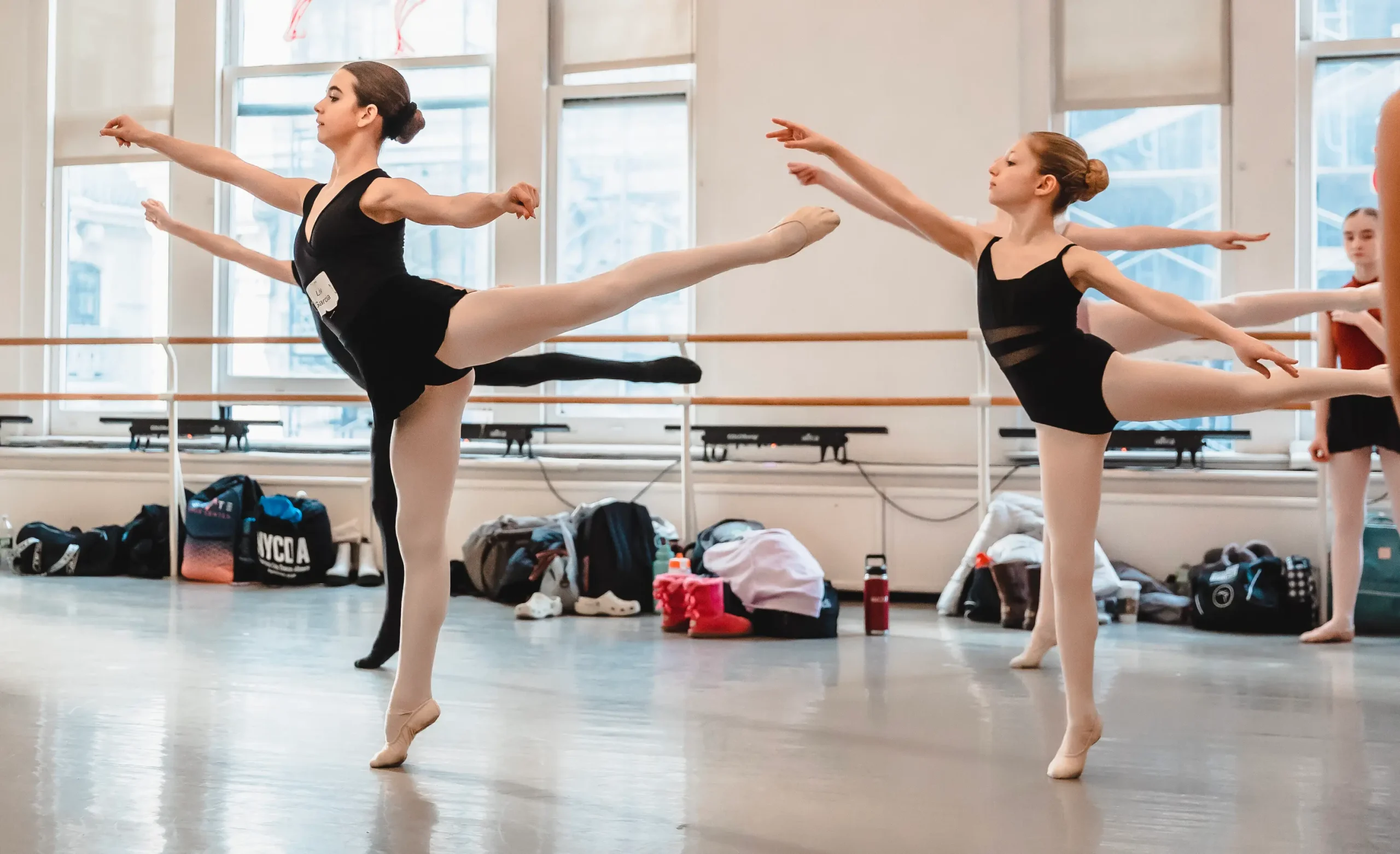
Ballet or modern class
-
Across-the-floor combinations
-
Choreographed pieces or solos
-
Sometimes improvisation
Judges are watching carefully, but they also understand that students are nervous. They are looking for dancers who show promise and a willingness to learn.
Start Preparing Early
Preparation is the key to confidence. Don’t wait until the last minute to get ready.
Strengthen Your Technique
Make sure your basics are solid. Directors notice clean lines, strong posture, and control. Regularly attend ballet, modern, or contemporary classes to keep your technique sharp.
Learn to Pick Up Combinations Quickly
Auditions move fast. Practice learning new choreography quickly so that you can follow instructions without hesitation.
Explore Different Styles
If you’re auditioning for multiple schools, each may have a different focus. Some may prioritize classical ballet, while others want modern, contemporary, or jazz skills. Being versatile helps you adapt to any audition.
Research the Colleges
Before your audition, do some homework.
-
Watch performances or videos from the school’s dance program
-
Learn about the style and philosophy of the faculty
-
Know what kinds of dancers they have accepted in the past
This helps you understand what the school values and allows you to show that you’re a good fit.
Prepare Your Materials
Auditions often require more than just dancing. You may need:
-
A resume with your training, performances, and awards
-
A professional headshot
-
Dance photos or videos
Keep your materials clean and organized. Make sure your resume is clear and easy to read. Your photos should reflect both your technique and your personality.
What to Wear
Your outfit matters because it helps judges see your lines and technique clearly.
-
Choose a solid-color leotard and fitted tights
-
Wear appropriate shoes for ballet or other styles
-
Keep hair neat and secure
-
Minimal makeup and accessories
The goal is to look professional without any distractions.
Managing Nerves
It’s normal to feel anxious before an audition. Here are some tips:
-
Take deep breaths to calm yourself
-
Focus on your own performance, not other dancers
-
Think positively: instead of worrying about mistakes, imagine yourself performing confidently
Remember, directors expect nervous dancers. They are more interested in your potential and how you handle pressure than in perfection.
Show Personality Alongside Technique
Technical skill is important, but it’s not the only thing directors look for.
They want dancers who:
-
Express emotion through movement
-
Connect to the music
-
Show confidence and presence
-
Demonstrate curiosity and willingness to learn
Even a small gesture, a look, or the way you hold yourself can communicate personality and make you stand out.
Be Adaptable
Auditions can be unpredictable. Combinations may change, teachers may give corrections, or styles may vary.
-
Stay alert and flexible
-
Keep going even if you make a mistake
-
Show that you can adapt gracefully
Judges often notice how you recover from mistakes and respond to direction.
Professionalism Matters
Your behavior can be just as important as your dancing.
-
Arrive early and be on time
-
Listen carefully to instructions
-
Be polite and respectful to faculty and peers
-
Keep phones and distractions away
Professionalism shows that you’re ready for a serious dance environment.
Handling Rejection
Not every audition will go as you hope. Rejection is part of the process, even for very talented dancers.
-
Don’t take it personally; sometimes it’s about fit, not talent
-
Learn from each experience: what went well and what could improve
-
Keep practicing and attending auditions
Each audition is a step forward in your growth as a dancer.
Confidence Grows Over Time
Confidence comes with preparation and experience.
-
Attend multiple auditions to get used to the environment
-
Trust the training you’ve done for years
-
Celebrate small achievements along the way
Even small improvements will boost your confidence for future auditions.
Take Care of Your Body
Your body is your instrument. Treat it well:
-
Warm up properly before dancing
-
Stretch and cool down afterward
-
Eat healthy and stay hydrated
-
Get enough sleep
Avoid pushing yourself too hard right before an audition to prevent injury.
Networking and Learning
Auditions are also opportunities to meet teachers, mentors, and fellow dancers.
-
Be friendly and courteous
-
Make connections with people in the dance world
-
Seek feedback when appropriate
Sometimes opportunities come through relationships as much as through auditions.
Final Thoughts
College dance auditions can be intimidating, but they are also exciting. They are a chance to show your talent, personality, and potential.
The key is preparation:
-
Strengthen your technique
-
Practice learning quickly
-
Know the schools and their expectations
-
Manage nerves
-
Show your personality
-
Stay professional
Not every audition will lead to acceptance, but every audition is a learning experience. With dedication, curiosity, and confidence, you can approach auditions with a positive mindset and make the most of the opportunity.
Remember, this is not just about getting into college. It’s about growing as a dancer, learning about yourself, and preparing for a future in dance.
Read Also: Keep your face towards the sunshine and shadows will fall behind you
Watch Also: https://www.youtube.com/@TravelsofTheWorld24


Leave a Reply