
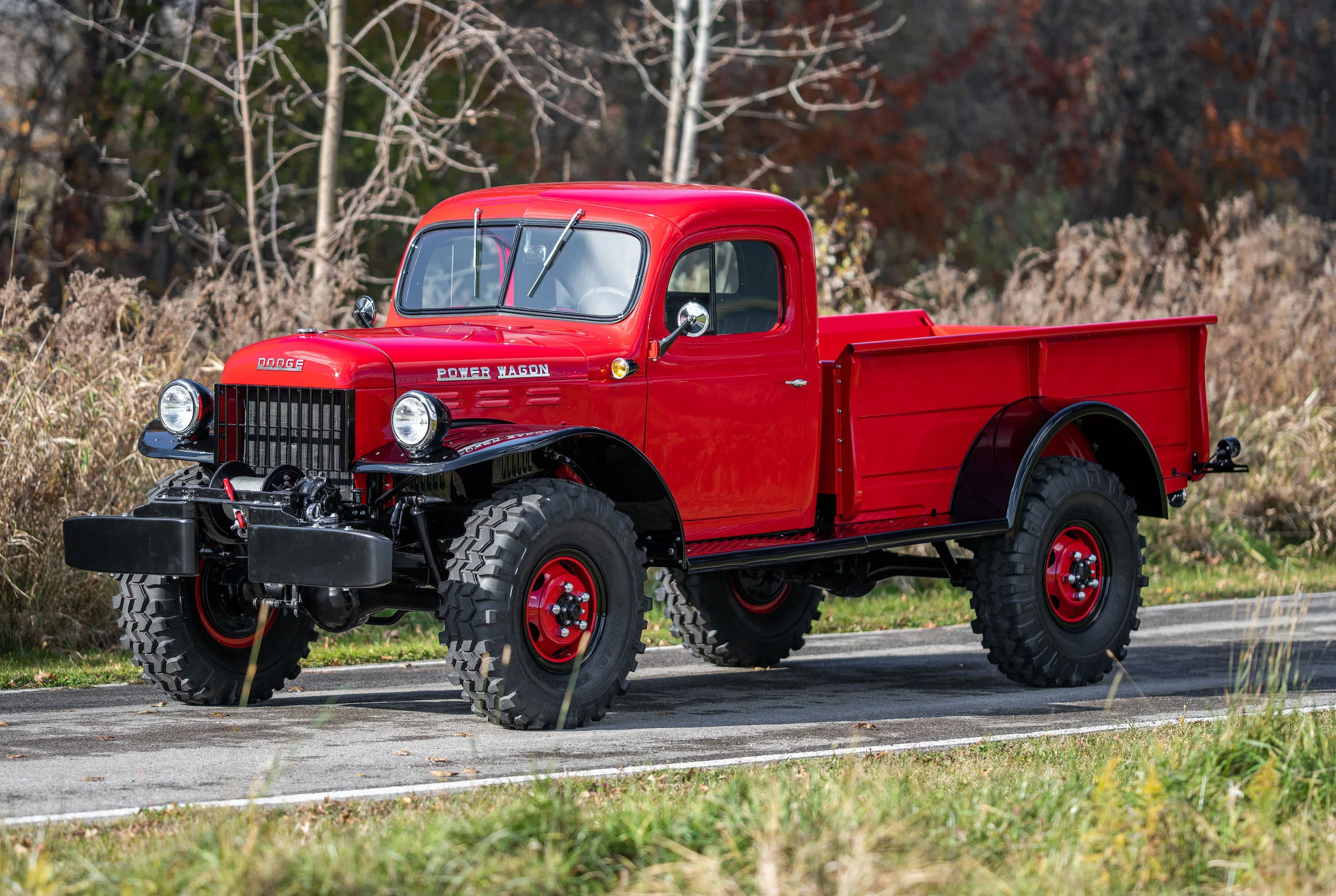
A long time ago, before pickup trucks existed, most people used horse‑drawn wagons to move goods around — things like farm produce, tools, lumber, and supplies. These wagons were strong enough to carry heavy loads, but they were slow and it took a lot of work to use them. People wanted something better after the automobile was invented.
In the early 1900s, cars were becoming more common, but trucks in the modern sense didn’t really exist yet. People who needed to haul things sometimes took a car and added a wooden box or bed at the back by themselves so they could carry tools or goods. These homemade conversions were the very first steps toward what we now call pickup trucks.
Ford and the First Factory Pickup
The real turning point came in 1925 when Ford introduced the first factory‑built pickup truck sold to ordinary buyers. This was called the Ford Model T Runabout with Pickup Body.
Before that, there were heavy‑duty trucks like the Ford Model TT (introduced in 1917), but those were more like work pieces of equipment than something a farmer could drive everywhere. The Model T Runabout was different because it was built from the factory with a steel cargo bed and a tailgate, and it came ready to work.
This first truck wasn’t fancy. It had a four‑cylinder engine and strong leaf springs in the rear, but it was practical, reliable, and made for hauling stuff. It cost a few hundred dollars and sold in large numbers. That truck laid the foundation for all American pickups that came after.
Ford’s decision to mass‑produce a pickup was important because before that most trucks were either homemade or built in very limited numbers. With the Model T Runabout, buyers could go to a showroom and buy a truck that was ready to work — no extra modifications needed.
Growth in the 1930s and 1940s
After the success of the Model T pickup, other companies started building factory‑made trucks too. Chevrolet introduced its own pickups in the early 1930s, and Dodge, Studebaker, International Harvester, and other automakers joined in. These early trucks were simple and rugged, built to haul goods and handle rough roads.
In the 1930s and 1940s, the pickup was still mostly a work vehicle. Farmers, construction workers, and small businesses used them because they could carry tools and materials in a simple yet strong body. People didn’t think of pickups as daily drivers yet — they were tools for work.
After World War II, things began to change. The U.S. economy grew, suburbs expanded, and more people began using pickup trucks not just for work but for everyday life too. Automakers started paying more attention to styling and comfort, making trucks look nicer, ride smoother, and feel more refined inside. The basic pickup was evolving into something more than just a tool.
Postwar Changes and New Ideas
In the 1950s, American pickup trucks started to look more modern. Brands like Chevrolet, Ford, and Studebaker offered pickups that were larger, more comfortable, and more capable than before. The cargo beds got wider and stronger, engines got bigger and more powerful, and people began to use pickups for family trips, camping, hunting — not just farm work or hauling goods.
For example, the 1949 GMC pickup is one of the classic models from this era and it reflects how trucks were becoming part of everyday life. Farmers used them for produce, moving supplies, and general transportation. By this time, trucks were no longer just specialized work vehicles — they were becoming familiar on every road in America.
Studebaker, another American automaker, also made early pickups during the 1950s. The company offered simple, affordable models aimed at buyers who needed a basic, no‑nonsense truck. These trucks didn’t have a lot of fancy features, but they did the job well.
The Rise of the Modern Pickup Truck
Through the 1960s, 1970s, and 1980s, pickup trucks kept evolving. Engines got bigger, suspension systems improved, brakes and steering became better, and driving comfort gradually increased. Trucks weren’t only for farms or jobsites anymore — they began to be used by families, outdoor enthusiasts, and everyday drivers.
By the 1970s and 1980s, pickup trucks started adding features that made them more pleasant to drive. Things like power steering, automatic transmissions, radio stereos, and nicer seats became more common. Trucks were beginning to blend the practicality of utility vehicles with the comfort that drivers wanted for daily life.
In this period, pickups really began to shift from very basic, purely functional vehicles toward something that could be both a job helper and a family vehicle.
American Trucks Become Big Sellers
One of the most influential developments was the introduction and growth of the Ford F‑Series. The first generation of the F‑Series debuted in 1948, and over the following decades it grew into one of the most popular truck lines in history.
By the 1970s and 1980s, the F‑Series was already widely known for its strength and reliability, and by the early 1980s it became the best‑selling vehicle in the United States, not just the most popular truck.
This was a major shift. For much of American automotive history, cars were the main vehicles people drove. But when pickups became comfy, dependable, and versatile, more people started choosing them for daily use. Trucks began to outsell many cars, especially in rural and suburban areas.
From Simple Tools to Everyday Vehicles
During the 1990s and 2000s, American pickup trucks continued changing. They got larger interiors, more powerful engines, smoother rides, and much better safety features. Trucks were no longer rough, strictly utility vehicles — they became comfortable, family‑friendly, and capable of being a person’s main everyday car.
In fact, by the 1990s, many pickups were being designed with dual purposes: they still carried heavy loads and towed trailers well, but they also offered features like air conditioning, premium audio systems, and spacious seating that made them comfortable on long highway trips.
Customers began to expect luxury features in their trucks — things like leather seats, infotainment screens, and advanced safety systems. Companies responded by giving buyers different trim levels, from basic work versions to luxurious models you could use as a family car.
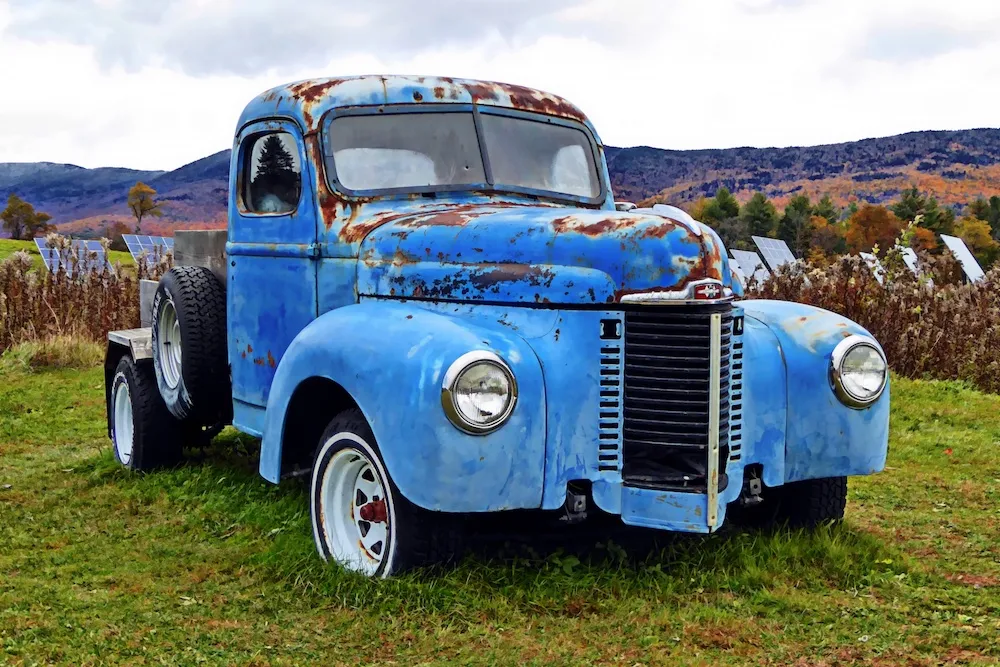
From Farm Wagons to Factory Pickups: Early U.S. Trucks
Important Cultural and Economic Factors
Pickup trucks didn’t become huge only because of engineering changes — bigger economic and political forces also helped shape their popularity. For example, the 1960s “chicken tax” — a heavy tariff on imported light trucks — discouraged foreign truck imports and protected American truck makers like Ford, GM, and Chrysler from overseas competition. That helped U.S. automakers dominate the pickup market for decades.
Cultural changes also mattered. Trucks became symbols of freedom, hard work, and independence — values that many Americans identified with. Whether it was going to a jobsite, hauling a boat for a weekend trip, or outfitting a truck for off‑road adventures, pickups became woven into everyday life.
Special Uses and Variations
Throughout their history, pickups have been adapted for many different uses beyond simple hauling. For example:
-
In the 1950s and 1960s, some trucks were styled with two‑tone paint and more comfort touches, turning them into “luxury trucks”. These trucks were more than work vehicles — they offered style and comfort too.
-
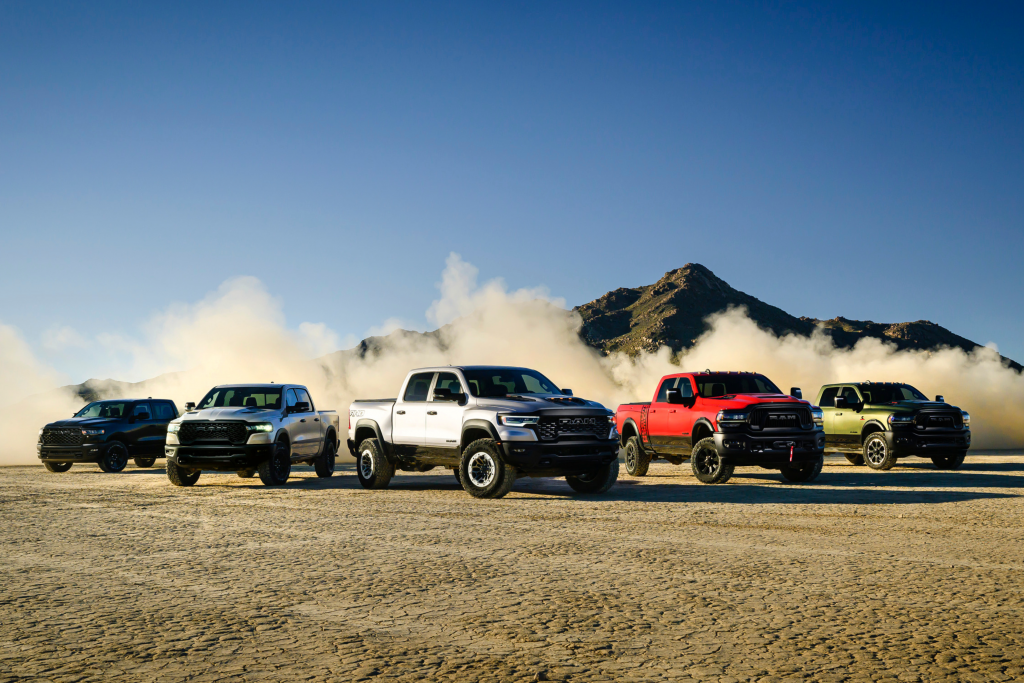
In later decades, companies like GMC, Dodge (later Ram), and Chevrolet began offering more powerful engines, four‑wheel drive systems, and performance‑oriented versions.
-
Some classic trucks have become collector favorites and are celebrated at shows and museums for their history and charm.
So while pickups started as simple work vehicles, over time they grew into a wide range of vehicles — from basic farm trucks to luxury cruisers to high‑performance machines.
Today’s Pickup Truck Market
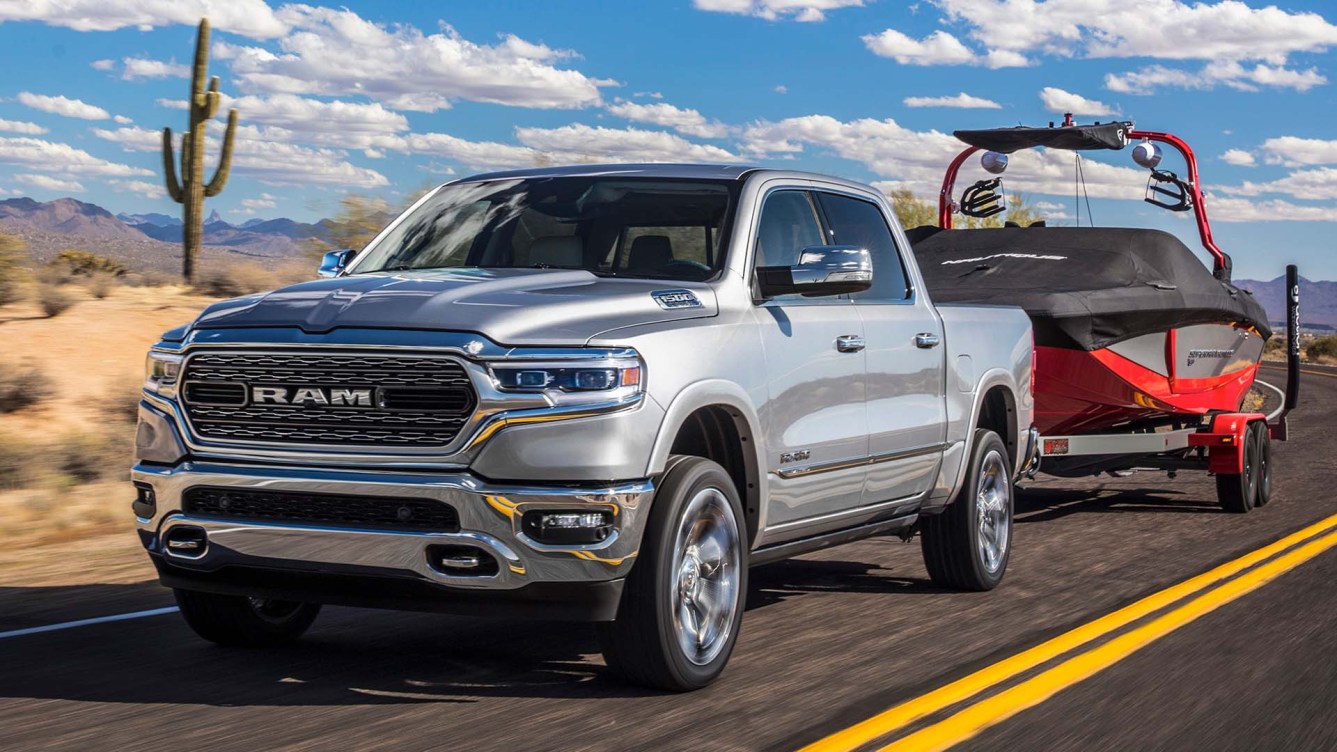
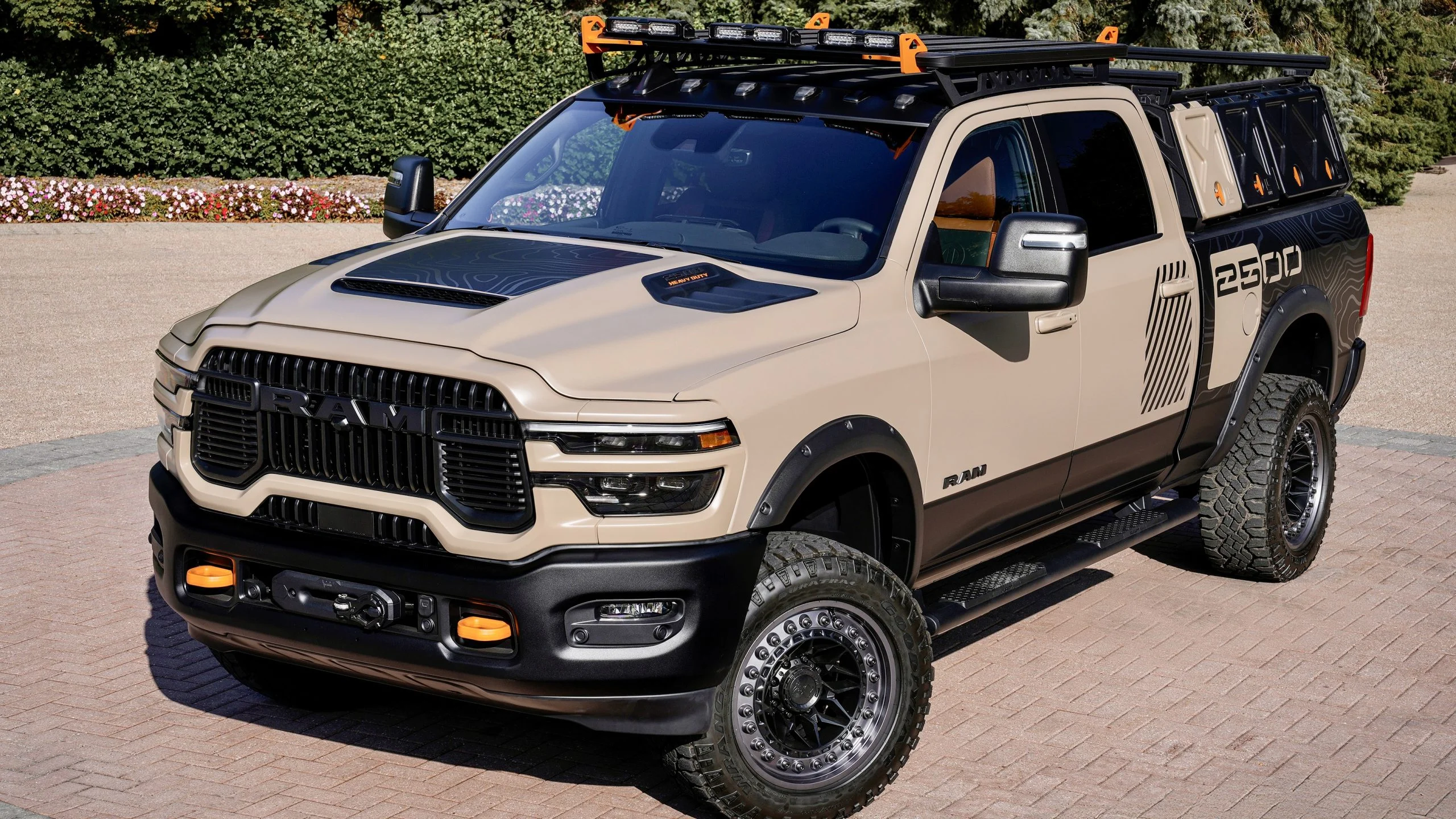
Today, American pickups are among the most popular vehicles on the road. Trucks like the Ford F‑150, Chevrolet Silverado, Ram 1500, and others sell millions of units each year. They are used for everything from daily commuting to heavy towing, off‑road adventures, and family road trips.
Modern pickups are also becoming more advanced with new technology — things like driver assistance systems, advanced infotainment screens, four‑wheel drive systems tuned for both work and off‑road use — and even electric versions are now entering the market.
The pickup’s journey from simple wooden beds on car frames to today’s powerful, comfortable, and versatile trucks shows how much the American automotive world has changed. These vehicles reflect not just technological progress, but how people’s needs and lifestyles have evolved over the last century.
Why Pickup Trucks Matter in America
Pickup trucks aren’t just vehicles — they’re part of American culture. They represent:
-
Utility — strong enough to carry tools, materials, and heavy loads
-
Freedom — able to take people on jobs, camping trips, and long journeys
-
Adaptability — used for work, play, family life, and more
-
Innovation — continuously evolving to meet changing needs
From that first 1925 Ford Model T pickup to today’s high‑tech trucks, the pickup has changed lives and industries. Trucks went from backyard modifications to factory production, from rugged farm haulers to comfortable daily drivers.
Looking Ahead
As we move forward, pickup trucks will likely continue to evolve. Electric trucks are entering the market, hybrids are becoming more common, and the balance between work capability and everyday comfort keeps improving.
But no matter what’s next — electric, hybrid, or even new body styles — the history of pickup trucks shows they will remain important in American life because they combine practical usefulness with personal identity in a way few other vehicles do.
Read Also: Keep your face towards the sunshine and shadows will fall behind you
Watch Also: https://www.youtube.com/@TravelsofTheWorld24






Leave a Reply