
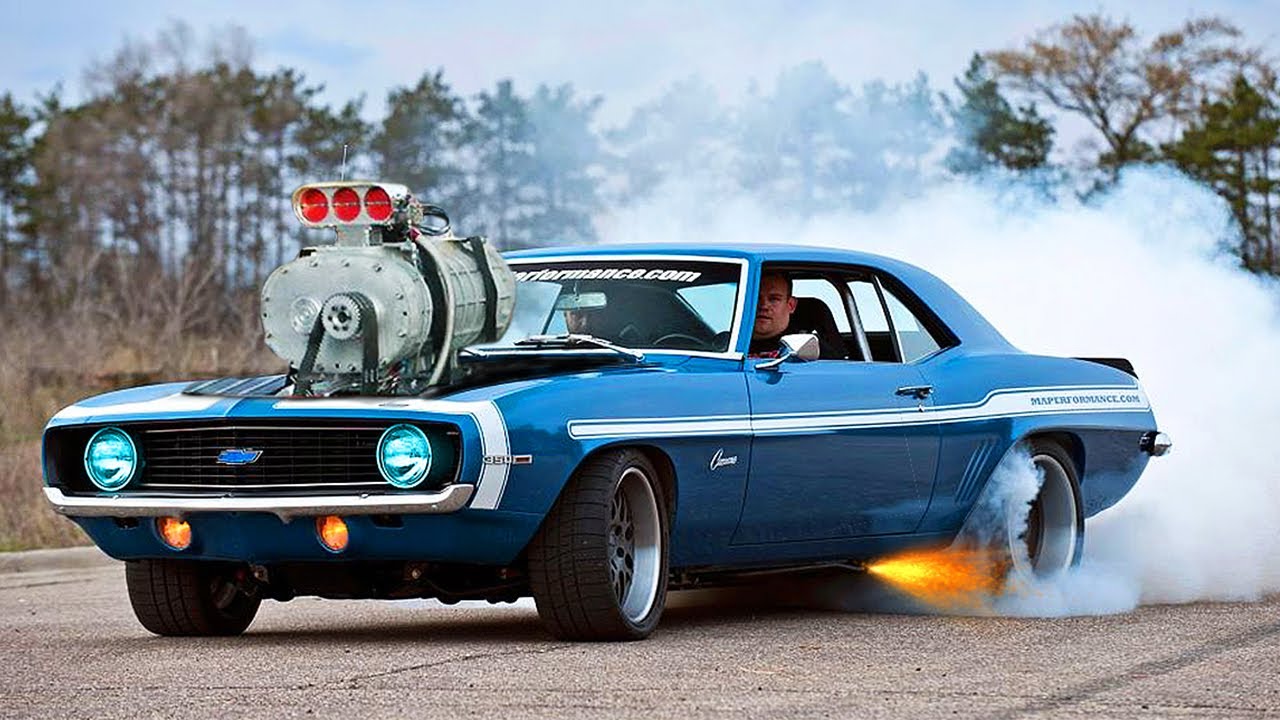
American muscle cars are famous all over the world for power, speed, and style. These cars are designed to be bold, exciting, and full of energy. They usually have big engines, a deep roaring sound, and an aggressive design. Muscle cars became popular in the 1960s and 1970s and continue to be loved by car enthusiasts today.
History of American Muscle Cars
Muscle cars first appeared in the United States in the 1960s. Car manufacturers wanted to create affordable cars that were fast, fun, and stylish. Unlike European sports cars, muscle cars were built to be powerful in a straight line, perfect for drag racing.
Some of the first iconic muscle cars included:
-
Ford Mustang (1965) – Small, sporty, and powerful, the Mustang became the symbol of American muscle.
-
Chevrolet Camaro (1967) – Strong rival to the Mustang, with a bold design and high-performance engine.
-
Dodge Charger (1968) – Famous for its aggressive look and powerful V8 engines.
-
Pontiac GTO (1964) – Often called the first true muscle car, with big power in an affordable package.
-
Chevrolet Chevelle SS (1970) – Known for its V8 engine and racing performance.
Muscle cars became part of American culture, appearing in movies, car shows, and racing events. They were not just cars—they were a symbol of freedom, power, and youth culture.
What Makes a Muscle Car Special
American muscle cars are unique because they focus on power and straight-line speed. Here are the main features:
-
Big engines – Most have V8 engines, giving them massive horsepower.
-
Fast acceleration – Muscle cars can go from 0 to 60 mph in just a few seconds.
-
Bold styling – Wide tires, aggressive front grills, and sporty shapes make them stand out.
-
Engine sound – Muscle cars have a deep, roaring engine sound that is unmistakable.
-
Rear-wheel drive – Most classic and modern muscle cars use rear-wheel drive for better performance.
Classic Muscle Cars
Classic muscle cars are still highly loved today. Many car enthusiasts restore them to enjoy the original style and power. Some famous classics include:
-
Ford Mustang GT (1965-1973) – The original pony car with iconic design and performance.
-
Chevrolet Camaro Z28 (1967-1973) – Bold styling and excellent drag racing capabilities.
-
Dodge Challenger R/T (1970-1974) – Retro style and massive V8 power.
-
Pontiac Firebird (1967-1973) – Stylish and sporty, with a strong engine for speed.
-
Chevrolet Chevelle SS 454 (1970) – One of the fastest cars of its time, with 450+ horsepower.
These cars are collectible today and often seen at car shows, vintage racing events, and private collections.
Modern American Muscle Cars
Muscle cars are not just classics—they are alive in 2020 and beyond. Modern muscle cars have updated technology, comfort, and safety while keeping the same power and style. Popular models include:
-
Ford Mustang GT (2020) – Modern tech, powerful V8 engine, and sporty design.
-
Chevrolet Camaro SS (2020) – Sleek design, advanced safety features, and a roaring engine.
-
Dodge Challenger SRT Hellcat (2020) – Extreme power with over 700 horsepower, retro styling, and modern comfort.
-
Dodge Charger SRT (2020) – Full-size muscle sedan with high speed and luxury features.
-
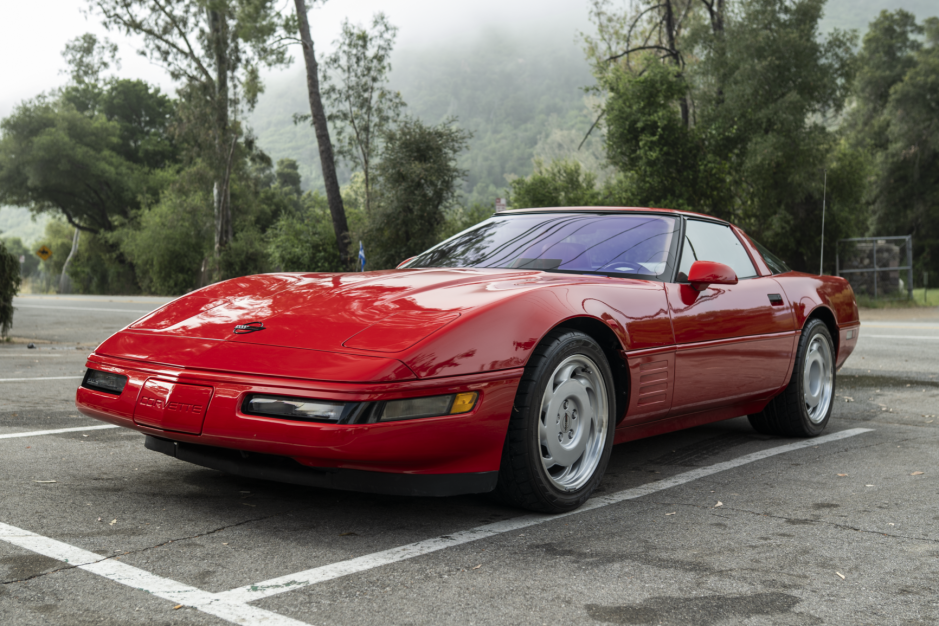
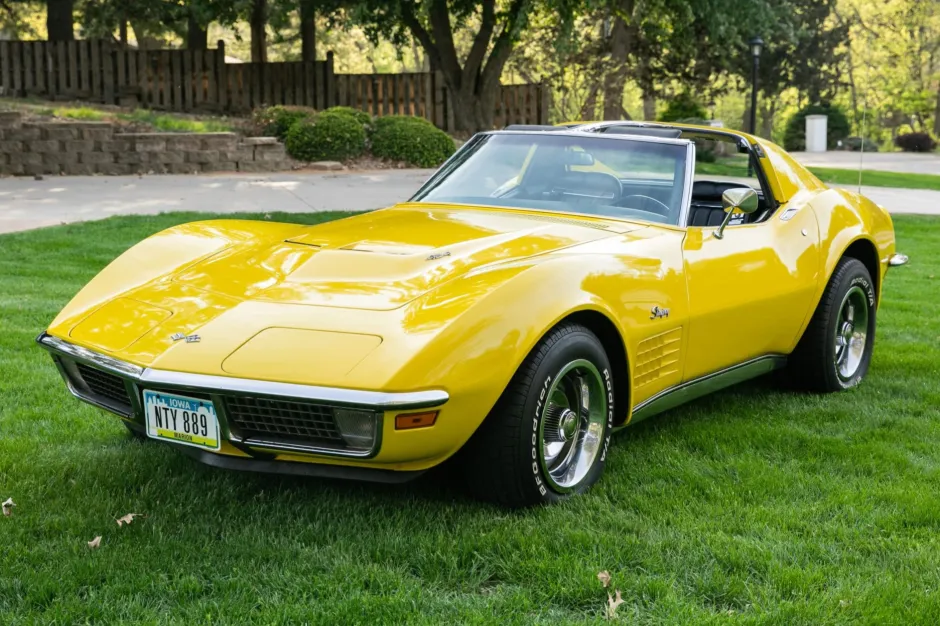
Chevrolet Corvette C8 (2020) – Although more of a sports car, the Corvette carries the muscle car spirit with speed and style.
Modern muscle cars combine classic looks with modern performance, making them fun for both daily driving and weekend races.
Muscle Cars vs. Sports Cars
Many people confuse muscle cars with sports cars, but they are different:
-
Muscle cars – Focus on straight-line speed, big engines, and bold design. They are heavier and less agile around corners.
-
Sports cars – Focus on handling, lightweight design, and cornering performance. They have smaller, high-revving engines.
Muscle cars are perfect for people who love raw power, classic American style, and a thrilling engine roar. Sports cars are for those who love precision and racing on curvy tracks.
Muscle Car Features in 2020
Modern muscle cars have many features that make them exciting yet practical:
-
High horsepower engines – Most modern muscle cars range from 400 to 700+ horsepower.
-
Advanced transmission – Options for automatic or manual transmission for better control.
-
Sport-tuned suspension – Gives better handling and stability at high speeds.
-
Modern technology – Touchscreens, navigation, smartphone integration, and driver assistance.
-
Comfortable interiors – Many modern muscle cars are comfortable for long drives.
Why People Love American Muscle Cars
People love muscle cars for many reasons:
-
Power – Muscle cars give a thrilling driving experience with massive acceleration.
-
Style – Aggressive and bold design makes them stand out.
-
Sound – The engine roar is iconic and unmatched.
-
Heritage – Muscle cars represent a part of American history and culture.
-
Community – Car shows, drag races, and clubs bring enthusiasts together.
Muscle Car Culture
Muscle cars are more than cars—they are a lifestyle. Enthusiasts join car clubs, attend shows, and participate in drag races. Movies like “Bullitt”, “Fast & Furious”, and “Gone in 60 Seconds” have made muscle cars famous worldwide. Collectors restore classics to experience the original speed and engine roar. Muscle cars also appear in video games and social media, keeping the culture alive for new generations.
Muscle Car Maintenance
Muscle cars need proper maintenance to stay strong, especially classics. Some tips include:
-
Regular oil changes and engine inspections
-
Tire rotation and alignment
-
Brake checks
-
Suspension and exhaust system maintenance
-
Engine tuning to maintain power
Modern muscle cars are more reliable than older models but still benefit from regular maintenance to enjoy their full performance.
Muscle Cars and Fuel
Muscle cars are known for big engines, which means they use more fuel than regular cars. Classic V8 engines are not fuel-efficient, but for enthusiasts, the power and sound make it worthwhile. Some modern models now offer smaller engines, turbocharging, or hybrid options to save fuel while still delivering impressive performance.
American Muscle Cars for Everyone
Muscle cars are not just for racers—they can be used as daily drivers, weekend cars, or collectibles. Families, car enthusiasts, and collectors all enjoy them for different reasons. Some people even use muscle cars for road trips or weekend joyrides because of the comfort and speed they offer.
The Future of American Muscle Cars
Muscle cars are evolving with modern technology:
-
Electric muscle cars – Companies are developing electric versions with extreme acceleration and zero emissions.
-
Hybrid muscle cars – Combine fuel efficiency with traditional power.
-
Safety technology – Lane assist, automatic braking, airbags, and stability control make modern muscle cars safer.
-
Advanced design – Sleeker, lighter cars with better aerodynamics and handling.
Even with electric and hybrid cars on the rise, American muscle cars will remain popular for their heritage, style, and raw power.
Conclusion
American muscle cars are a symbol of power, freedom, and style. From classic Mustangs and Camaros to modern Dodge Challengers and Chevrolet Corvettes, these cars continue to excite drivers and enthusiasts worldwide. They are not just about speed—they are about a culture, a lifestyle, and a passion for driving.
Owning a muscle car is about enjoying the engine roar, the acceleration, and the bold design. With proper care, muscle cars can provide years of thrilling driving, whether used for daily life, weekend fun, or car shows.
American muscle cars are more than cars—they are an experience, a statement, and a piece of automotive history that continues to inspire new generations.
Read Also: Keep your face towards the sunshine and shadows will fall behind you
Watch Also: https://www.youtube.com/@TravelsofTheWorld24






Leave a Reply