
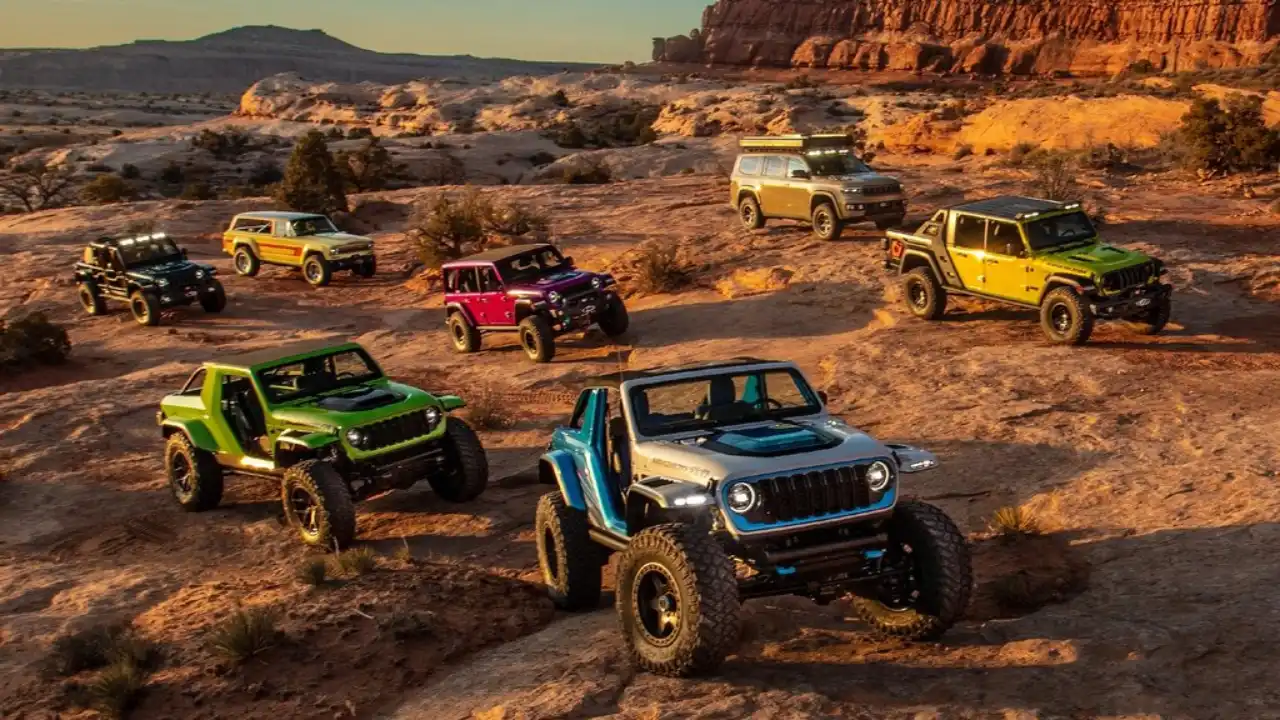
Off-road vehicles are designed to go where regular cars cannot. They handle rough terrain, mud, sand, snow, and rocky trails, making them ideal for adventure, work, or exploring remote areas. These vehicles combine power, durability, and advanced technology to tackle tough conditions while keeping passengers safe and comfortable.
This guide covers what off-road vehicles are, types, features, advantages, popular models, and tips for off-road driving.
What Is an Off-Road Vehicle?
An off-road vehicle (ORV) is designed to operate on unpaved surfaces and rough terrain. Unlike normal road cars, off-road vehicles have enhanced suspension, higher ground clearance, and stronger tires.
Key Features:
-
High ground clearance to avoid obstacles
-
Strong suspension for rough terrain
-
Four-wheel drive (4WD) or all-wheel drive (AWD) systems
-
Rugged tires and skid plates for protection
-
Durable chassis to handle impacts and uneven surfaces
Off-road vehicles can be trucks, SUVs, or specialized vehicles like ATVs and UTVs.
History of Off-Road Vehicles
Off-road vehicles have been around for over a century:
-
1900s–1940s: Early off-road vehicles were military jeeps and utility vehicles for farms and exploration.
-
1950s–1970s: Civilian off-road vehicles became popular with adventurers and outdoor enthusiasts.
-
1980s–2000s: SUVs and pickup trucks became more capable and comfortable for off-road driving.
-
2010s–Present: Modern off-road vehicles include advanced technology, safety systems, and electric options.
Types of Off-Road Vehicles
Off-road vehicles come in many forms depending on terrain, purpose, and design:
1. Off-Road SUVs
-
Combines passenger comfort with off-road capability
-
Examples: Jeep Wrangler, Toyota Land Cruiser, Ford Bronco
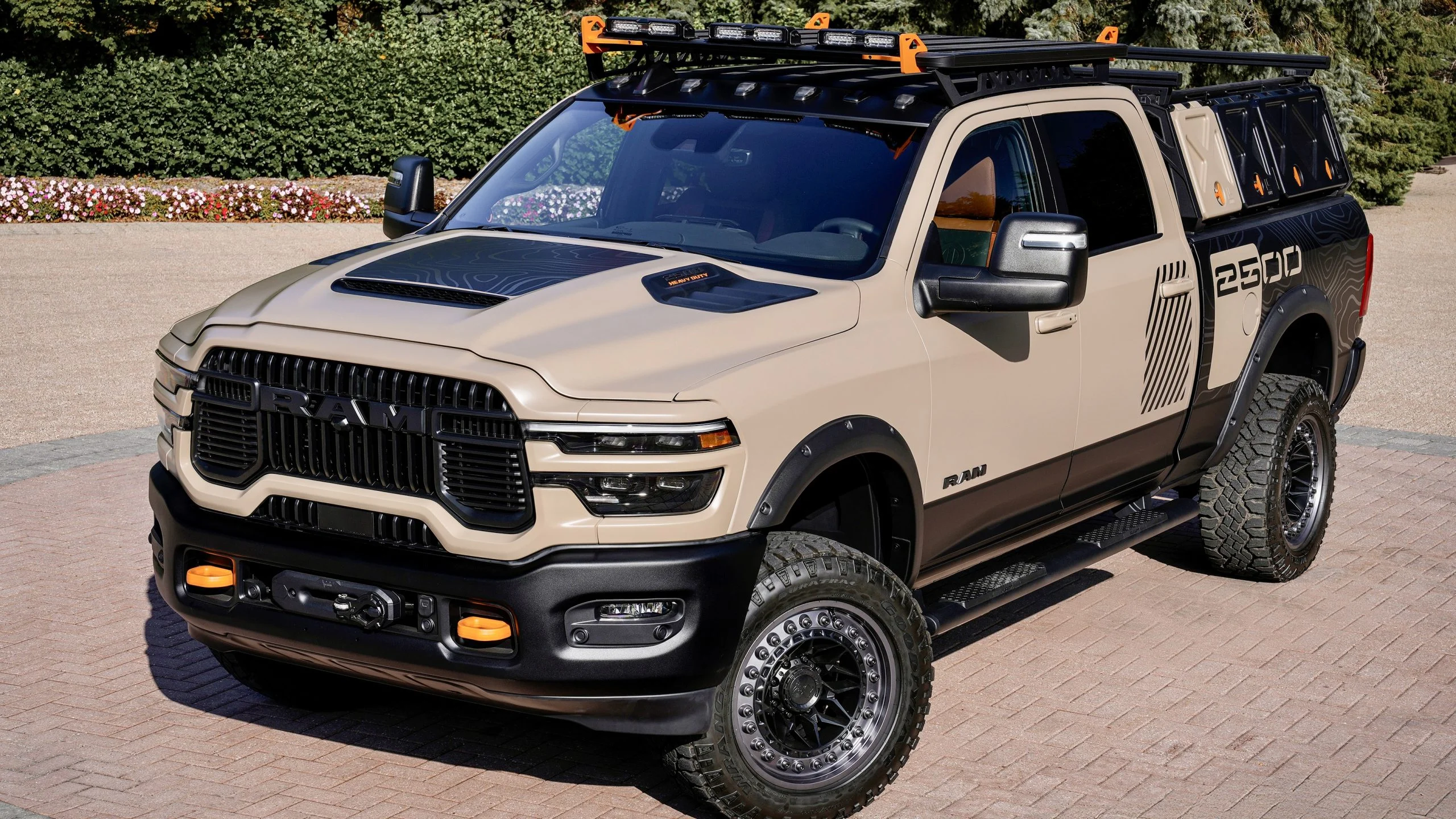
2. Pickup Trucks
-
Strong engines and cargo space with off-road packages
-
Examples: Ford F-150 Raptor, Toyota Tacoma TRD Pro, Chevrolet Colorado ZR2
3. All-Terrain Vehicles (ATVs)
-
Small, lightweight vehicles for trail riding, mud, and sand
-
Examples: Polaris Sportsman, Can-Am Outlander
4. Utility Task Vehicles (UTVs)
-
Larger than ATVs, can carry passengers and cargo
-
Examples: Yamaha Wolverine, Polaris Ranger
5. Electric Off-Road Vehicles
-
Zero emissions, instant torque, and high performance
-
Examples: Rivian R1T, Tesla Cybertruck, Bollinger B1
Advantages of Off-Road Vehicles
Off-road vehicles are popular for several reasons:
-
Durability – Built to withstand harsh environments.
-
Versatility – Can be used for work, adventure, or daily driving.
-
Adventure Ready – Access remote locations and explore nature.
-
Towing and Payload Capacity – Many trucks and SUVs can tow trailers or carry equipment.
-
Advanced Technology – Modern off-road vehicles include terrain management, cameras, and driver aids.
Disadvantages of Off-Road Vehicles
Off-road vehicles also have some limitations:
-
Lower fuel efficiency compared to regular cars
-
Larger size can be difficult to park or maneuver in cities
-
Higher purchase price for advanced off-road models
-
Maintenance can be more expensive due to specialized parts
Popular Off-Road Vehicle Models
Here are some top off-road vehicles for 2026:
SUVs
-
Jeep Wrangler – Legendary off-road capability and removable roof options
-
Toyota Land Cruiser – Durable, reliable, and great for long adventures
-
Ford Bronco – Modern features with serious off-road performance
-
Land Rover Defender – Luxury combined with rugged off-road capability
Pickup Trucks
-
Ford F-150 Raptor – High-speed off-road performance and advanced suspension
-
Toyota Tacoma TRD Pro – Mid-size off-road favorite with reliability
-
Chevrolet Colorado ZR2 – Strong, capable, and versatile
Electric Off-Road Vehicles
-
Rivian R1T – Electric pickup with extreme off-road capability
-
Tesla Cybertruck – Futuristic electric truck designed for rough terrain
-
Bollinger B1 – Boxy electric off-road SUV with high durability
Off-Road Driving Tips
Driving off-road requires skill and preparation:
-
Know Your Vehicle – Understand your vehicle’s clearance, tires, and 4WD system.
-
Plan Your Route – Study the terrain and weather conditions.
-
Drive Slowly and Steadily – Avoid sudden movements to prevent damage or getting stuck.
-
Use Low Gears – Helps with climbing hills and controlling speed on rough terrain.
-
Tire Pressure – Lowering tire pressure can improve grip on sand or mud.
-
Carry Recovery Gear – Tow straps, shovels, and traction boards are useful.
-
Check Suspension and Undercarriage – Avoid damage from rocks and obstacles.
-
Travel with a Buddy – Having another vehicle can help in emergencies.
Off-Road Technology
Modern off-road vehicles use advanced technology to make driving safer and easier:
-
Terrain Management Systems – Adjust engine, brakes, and traction based on conditions
-
Hill Descent Control – Maintains speed when driving downhill
-
Skid Plates – Protect undercarriage from rocks and debris
-
Crawl Control – Helps with slow, controlled driving over rough terrain
-
All-Wheel Drive and Locking Differentials – Improve traction on loose surfaces
-
Off-Road Cameras – Show obstacles around the vehicle
Off-Road vs Regular Vehicles
| Feature | Off-Road Vehicle | Regular Vehicle |
|---|---|---|
| Terrain Capability | Rocks, mud, sand, snow | Paved roads only |
| Suspension | Heavy-duty, high travel | Standard |
| Tires | Rugged, large grip | Standard road tires |
| Clearance | High ground clearance | Low to medium |
| Technology | Off-road aids and sensors | Road-focused features |
| Fuel Efficiency | Lower | Higher |
Electric Off-Road Vehicles
Electric off-road vehicles are becoming more popular due to environmental benefits and performance advantages:
-
Instant Torque – Helps in climbing steep trails and controlling speed
-
Quiet Operation – Reduced noise for a better outdoor experience
-
Lower Maintenance – Fewer moving parts than traditional engines
-
High-Tech Features – Advanced battery management and regenerative braking
Electric models like Rivian R1T and Tesla Cybertruck are proving that off-roading can be powerful and eco-friendly.
Off-Road Vehicle Maintenance Tips
Keeping your off-road vehicle in good shape is important:
-
Inspect Tires and Suspension – Check for wear and damage after rough driving.
-
Clean Regularly – Mud, sand, and debris can cause corrosion.
-
Check Fluids – Engine, transmission, brake, and differential fluids.
-
Inspect Undercarriage – Look for scratches, dents, or loose parts.
-
Regular Servicing – Follow manufacturer guidelines for oil changes and maintenance.
Off-Road Adventures and Uses
Off-road vehicles are used for:
-
Adventure Travel – Camping, hiking, and exploring remote locations
-
Work Purposes – Farming, construction, and utility work
-
Sports – Off-road racing, trail riding, and overlanding
-
Recreation – Fun drives in sand dunes, mud tracks, and mountain trails
Conclusion
Off-road vehicles are designed to handle tough environments while offering comfort, safety, and versatility. From SUVs like the Jeep Wrangler and Land Rover Defender to trucks like the Ford F-150 Raptor and electric models like Rivian R1T, there is an off-road vehicle for every purpose.
Whether for adventure, work, or recreational fun, off-road vehicles combine durability, performance, and technology to tackle terrain that standard vehicles cannot. They remain a favorite choice for enthusiasts and professionals who demand capability and reliability.
Read Also: Keep your face towards the sunshine and shadows will fall behind you
Watch Also: https://www.youtube.com/@TravelsofTheWorld24








Leave a Reply