
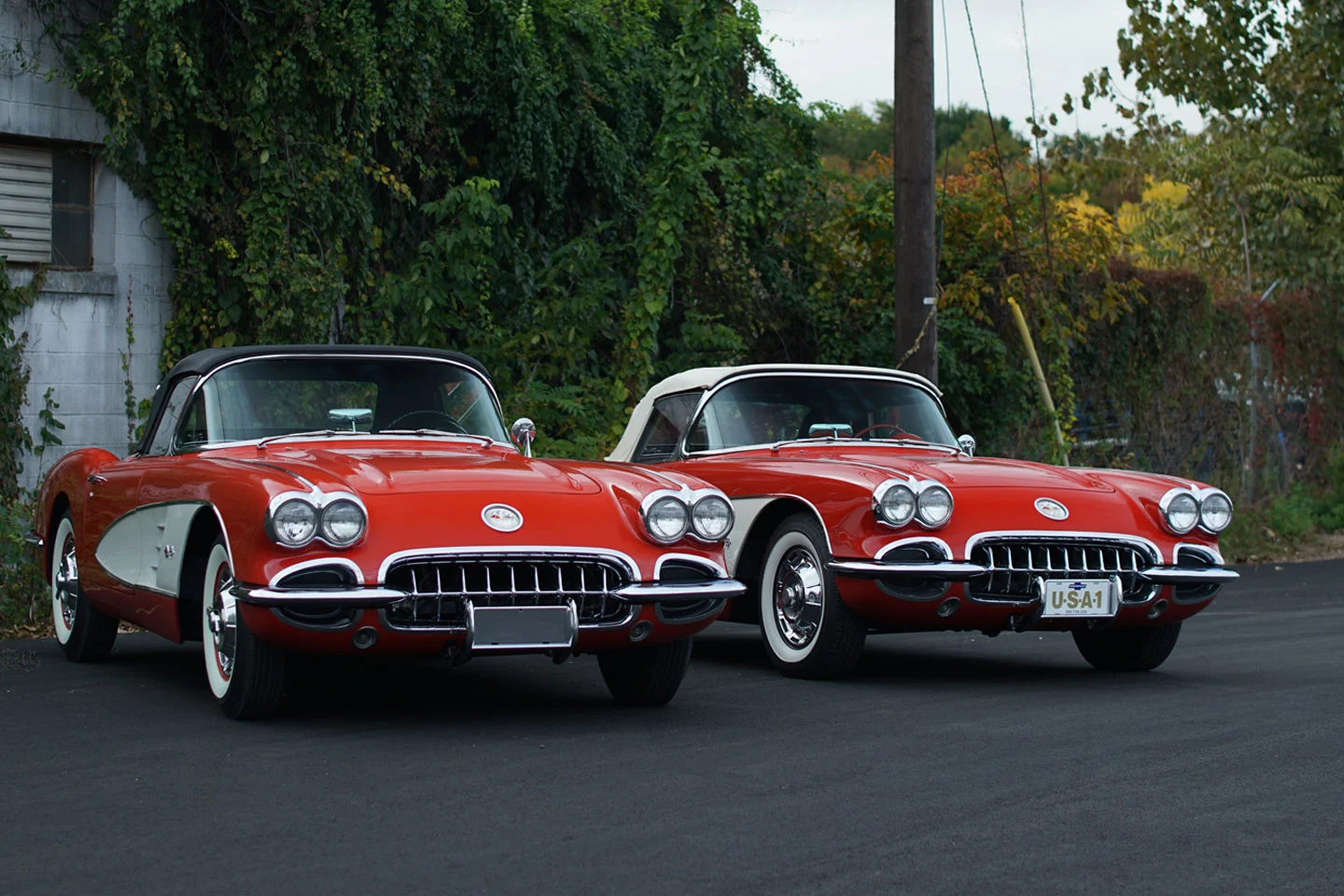
Classic American cars have a special place in automotive history. From the powerful muscle cars of the 1960s to the large chrome-covered cruisers of the 1950s, these vehicles represent an era of bold design, big engines, and cultural influence. While many of these cars were originally built for American roads, today a surprising number of them are shipped overseas. Enthusiasts, collectors, and museums around the world actively buy classic cars from the United States.
Over the past few decades, the export market for American classic cars has grown steadily. Buyers from Europe, Asia, Australia, and even the Middle East search the United States for well-preserved vintage vehicles. Auctions, online marketplaces, and specialized dealers make it easier than ever to find and ship these automotive treasures across continents.
So where exactly do these American classics go after they leave U.S. soil? Let’s explore the global journey of classic American cars and why collectors worldwide are eager to own them.
Why American Classic Cars Are Exported
Before looking at where these cars go, it helps to understand why international buyers want them in the first place.
Unique Design and Style
American classic cars are famous for their bold styling. During the 1950s and 1960s, car manufacturers focused heavily on appearance. Huge tailfins, chrome bumpers, wide bodies, and bright colors made these cars stand out.
Many collectors believe that no other country produced cars with the same level of dramatic design during that era. Because of this, classic American vehicles often feel like moving pieces of art.
Powerful Engines
American muscle cars are also famous for their powerful engines. Vehicles from the late 1960s and early 1970s often featured large V8 engines capable of impressive horsepower.
For many enthusiasts outside the United States, these cars represent a kind of automotive freedom that is rare in countries with smaller roads or stricter engine regulations.
Cultural Influence
Hollywood movies, television shows, and American music helped spread the image of classic U.S. cars around the world. Films featuring road trips, police chases, and racing scenes made these cars symbols of American culture.
Because of this global exposure, many collectors abroad feel a strong connection to classic American vehicles even if they have never lived in the United States.
Availability in the U.S.
Another reason classic cars are exported is simple: the United States still has a large supply of them.
Because the country has a huge car culture and millions of vehicles were produced in the past, many classic cars remain in garages, barns, and private collections. For international buyers, the U.S. is often the best place to find well-preserved examples.
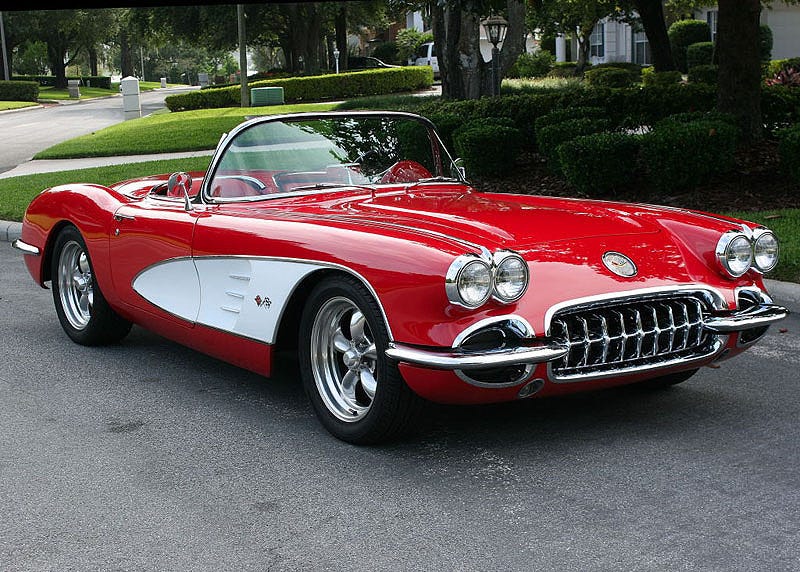
US Classic Car Exports: Where Do American Classic Cars Go Around the World?
Europe: One of the Largest Markets for U.S. Classics
Europe is one of the biggest destinations for exported American classic cars. Enthusiasts across the continent have a strong appreciation for vintage vehicles, and American models add something unique to European car culture.
United Kingdom
The United Kingdom has a particularly active classic car community. British collectors often import American vehicles such as:
-
Classic Mustangs
-
Chevrolet Camaros
-
Cadillac luxury sedans
-
1950s Chevrolet Bel Air models
These cars are often displayed at classic car shows, weekend gatherings, and vintage festivals across the UK. The contrast between large American cars and smaller European streets makes them especially eye-catching.
Germany
Germany is known for engineering excellence, but many German collectors still admire American classics for their style and raw power.
Large events such as classic car exhibitions and American car festivals frequently feature imported U.S. vehicles. Some German enthusiasts even build restoration businesses that specialize in American muscle cars.
Scandinavia
Countries like Sweden, Norway, and Finland have a surprisingly deep love for American classic cars.
In fact, Sweden is often considered one of the world’s biggest markets for vintage American vehicles outside the United States. Swedish collectors have been importing these cars since the 1970s.
Many American cars are restored and used for summer cruising events, car clubs, and classic car parades.
Australia and New Zealand
Australia and New Zealand also import a significant number of American classic cars.
Strong Car Culture
Both countries have strong automotive cultures, with enthusiasts who enjoy restoring and modifying vintage vehicles.
Because Australia produces relatively few classic cars compared to the United States, American imports help expand the variety of cars available to collectors.
Muscle Car Popularity
American muscle cars are especially popular in Australia. Vehicles such as classic Mustangs and Camaros attract strong demand because they combine aggressive styling with powerful engines.
However, due to right-hand-drive road systems, some imported vehicles must be converted from left-hand drive to right-hand drive before they can be legally driven.
Japan: A Surprising Market
Japan may be known for its own automotive industry, but it also has a passionate community of American classic car enthusiasts.
Enthusiast Communities
Japanese collectors appreciate the bold appearance of vintage American vehicles, which contrast strongly with the compact cars traditionally seen in Japan.
American car clubs and themed events in Japan often feature restored classic vehicles imported from the United States.
Customization Culture
Japan also has a strong customization culture. Some imported American classics are modified with modern parts, custom paint, and unique interior designs while still preserving their vintage character.
The Middle East
Classic American cars also find buyers in the Middle East, especially in wealthy regions where collectors enjoy rare and unusual vehicles.
Luxury and Collecting
Collectors in countries such as the United Arab Emirates and Saudi Arabia often purchase classic cars as investments or luxury collectibles.
Large American vehicles like classic Cadillacs and vintage convertibles fit well with the region’s interest in bold luxury automobiles.
Climate Considerations
Because of the hot climate in some Middle Eastern countries, collectors sometimes keep classic vehicles mainly for special events, exhibitions, or indoor collections rather than daily driving.
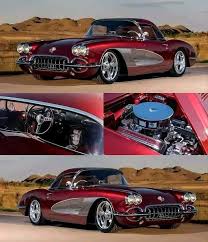
US Classic Car Exports: Where Do American Classic Cars Go Around the World?
Canada: America’s Close Neighbor
Canada is another important destination for American classic cars.
Because the two countries share similar car cultures and road conditions, importing classic vehicles between them is relatively straightforward.
Canadian collectors often buy American classics from U.S. auctions or private sellers and restore them locally.
Classic car shows across Canada frequently feature vintage American vehicles from the 1950s through the 1970s.
Latin America
Several Latin American countries also import classic American cars, although the numbers can vary depending on economic conditions and import regulations.
Mexico
Mexico has long been connected to the U.S. car market, so classic American vehicles are familiar sights there. Many older U.S. cars were originally sold in Mexico and remain popular among collectors today.
Brazil and Argentina
In countries like Brazil and Argentina, classic American cars are sometimes imported for collectors, museums, or restoration projects.
However, import rules and taxes can make the process more complicated compared with other regions.
How Classic Cars Are Exported
Exporting a classic car from the United States usually involves several steps.
Finding the Car
Many international buyers locate cars through:
-
Online auction websites
-
Classic car dealerships
-
Private sellers
-
Collector networks
Photos, inspection reports, and history records help buyers confirm the condition of a vehicle before purchasing it.
Shipping
Once purchased, the vehicle is transported to a port and loaded onto a ship.
Two common shipping methods include:
-
Container shipping, where the car is placed inside a container for protection
-
Roll-on/roll-off shipping, where the car is driven directly onto the ship
Container shipping is often preferred for valuable classic cars because it provides better protection.
Import Regulations
Each country has different rules for importing classic vehicles. Some nations allow easier import of older cars because they are considered historical vehicles.
Buyers may need to pay:
-
Import taxes
-
Shipping fees
-
Registration costs
-
Inspection charges
Despite these expenses, many collectors still find importing worthwhile.
The Role of Online Auctions
Online auctions have made it much easier for international buyers to purchase American classic cars.
Auction platforms allow collectors around the world to:
-
View detailed photos and videos
-
Read vehicle histories
-
Place bids from anywhere
This global access has significantly expanded the export market for classic vehicles.
Classic Cars as Investments
For some buyers, classic cars are more than just hobbies. They can also be investments.
Certain models—especially rare muscle cars or limited-production vehicles—can increase in value over time.
Collectors often store these vehicles carefully and maintain them in original condition to protect their long-term value.
Challenges in the Export Market
Although exporting classic cars is common, there are still challenges involved.
Shipping Costs
International shipping can be expensive, especially for large vehicles.
Import Taxes
Some countries impose high taxes on imported cars, which can significantly raise the total cost.
Restoration Work
Older vehicles sometimes require restoration after arrival, including engine repairs, bodywork, or interior refurbishment.
Despite these challenges, the global demand for American classics continues to grow.
The Global Legacy of American Classics
Classic American cars are more than old vehicles. They represent a specific period in automotive history when design, power, and cultural influence came together.
Because of this unique heritage, collectors across the world continue to search for these cars in the United States.
From the streets of London and Stockholm to car shows in Tokyo and Sydney, American classics can now be found almost everywhere. Their journey across oceans shows how deeply car culture connects people across countries and generations.
Conclusion
American classic cars have become global icons. While they were originally designed for U.S. drivers, today they travel far beyond American borders.
Europe, Australia, Japan, the Middle East, Canada, and parts of Latin America are all important destinations for these vehicles. Collectors value them for their bold styling, powerful engines, and cultural significance.
As the classic car market continues to grow, it is likely that even more American vintage vehicles will find new homes overseas. Whether displayed at car shows, carefully restored in private garages, or preserved in museums, these cars continue to keep the spirit of American automotive history alive around the world.
Read Also: Keep your face towards the sunshine and shadows will fall behind you
Watch Also: https://www.youtube.com/@TravelsofTheWorld24







Leave a Reply