
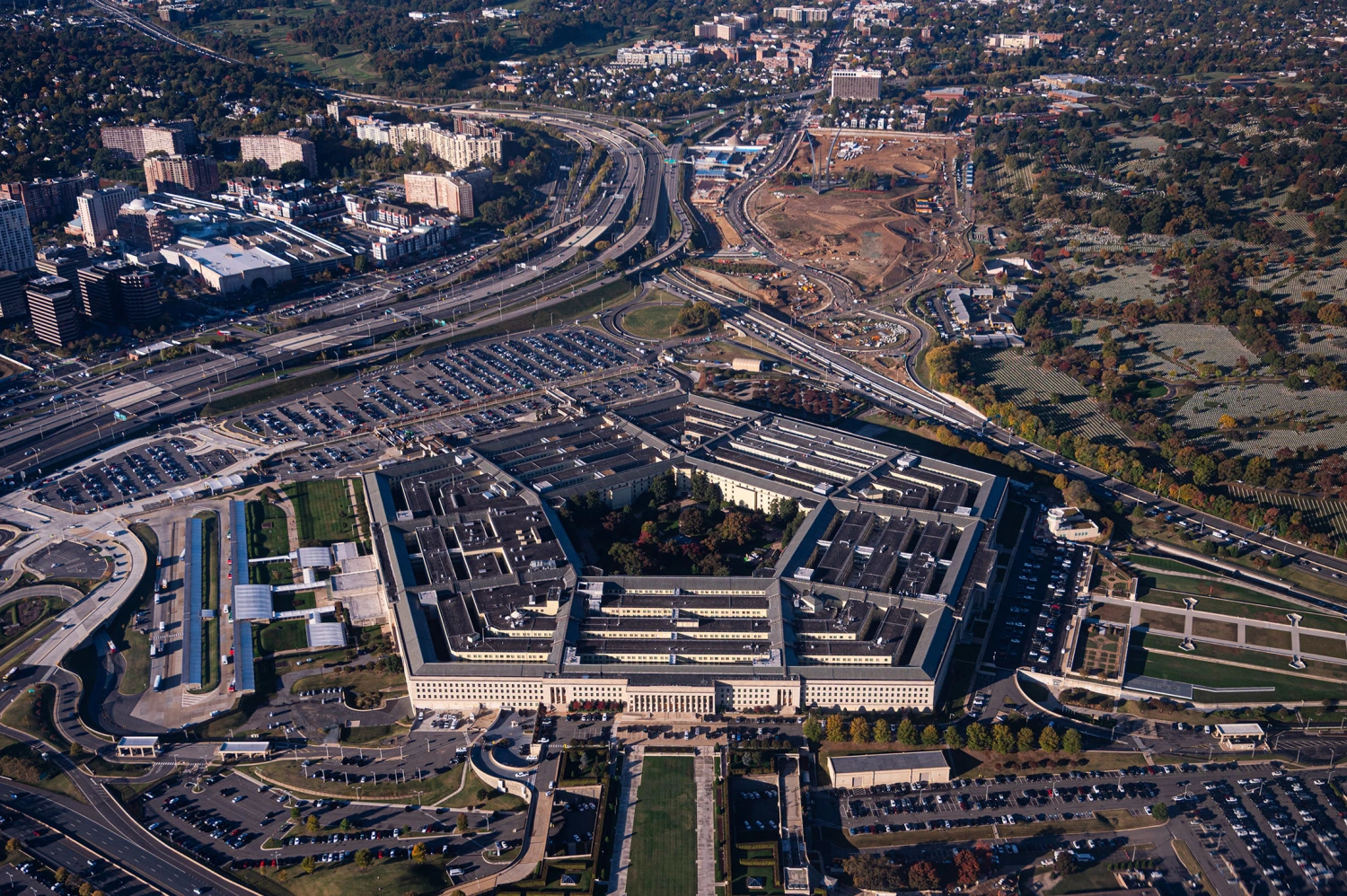
For many years, the idea of aliens visiting Earth has captured the imagination of the public. Movies, books, and television shows have shown strange creatures, flying saucers, and secret government cover-ups. Meanwhile, the United States government has occasionally investigated reports of strange objects in the sky, often called UFOs or UAPs (Unidentified Aerial Phenomena).
Recently, the Pentagon released findings from its official UFO investigation. The report concluded that there is no evidence of alien activity. While some sightings remain unexplained, the Pentagon emphasized that they could not be linked to extraterrestrial life.
This article explains the Pentagon’s investigation, why people continue to report UFOs, and what these findings mean for the public, science, and the search for life beyond Earth.
What Is the Pentagon’s UFO Investigation?
The Pentagon has studied UFOs for many years through different programs. One of the most well-known was the Advanced Aerospace Threat Identification Program (AATIP), which ran from 2007 to 2012. The program aimed to study reports of strange flying objects that could pose a threat to national security.
In 2020, the Pentagon created the All-domain Anomaly Resolution Office (AARO). This office collects and analyzes reports of UAPs in the air, sea, and space. The goal is not only to investigate potential extraterrestrial activity but also to identify advanced aircraft from other countries or unusual natural phenomena.
The recent report summarized years of observation, investigation, and analysis. It reviewed pilot reports, radar data, and video recordings.
What the Report Found
The Pentagon’s report emphasized several key points:
-
No Evidence of Alien Technology
The investigation did not find any proof that UFOs or UAPs were extraterrestrial spacecraft. While some sightings are still unexplained, there is no confirmed evidence linking them to aliens. -
Unidentified Objects Are Real
Many reports involve real objects in the sky that cannot be immediately explained. These could be drones, balloons, military aircraft, or natural phenomena. -
National Security Concerns
Some sightings may involve advanced aircraft from other countries. Monitoring and understanding these objects is important to protect airspace and national security. -
Need for More Data
Many sightings lack detailed information. The Pentagon stressed the importance of better data collection, reporting, and analysis.
In short, while UFOs are real in the sense that people have observed unidentified objects, the investigation did not confirm the presence of aliens.
Why UFOs Still Capture Public Interest
Even though the Pentagon found no evidence of alien activity, UFOs remain a topic of fascination for many reasons:
1. Mystery and Imagination
Humans are naturally curious. Unexplained lights in the sky, strange shapes, and unusual movements spark imagination and wonder. People enjoy thinking about possibilities beyond our planet.
2. Media Influence
Movies, television shows, and books about aliens and UFOs have shaped public perception. Stories about Area 51, Roswell, or other mysterious events create interest and encourage speculation.
3. Eyewitness Reports
Pilots, civilians, and military personnel have reported sightings over the years. Even if most can be explained, the rare unexplained incidents keep the mystery alive.
4. Internet Culture
Social media spreads UFO sightings faster than ever. Videos, photos, and news articles can go viral, drawing attention to new reports and fueling curiosity.
Common Explanations for UFO Sightings
Scientists and investigators usually look for logical explanations for UFO sightings. Some common causes include:
-
Military Aircraft: Secret or experimental planes may move in ways that seem unusual.
-
Drones: Small, fast-moving drones are increasingly common and can appear mysterious at night.
-
Weather Balloons: These can reflect light or appear to hover in unusual ways.
-
Astronomical Objects: Planets, stars, and satellites sometimes appear bright or move differently depending on atmospheric conditions.
-
Optical Illusions: Fog, clouds, or reflections can make ordinary objects look strange.
Even when a sighting cannot be immediately explained, that does not mean it is alien in origin.
The Importance of Scientific Investigation
The Pentagon’s report highlights the need for a scientific approach to UFOs. Science uses observation, data, and testing to understand phenomena.
By carefully studying reports, scientists and military experts can:
-
Identify natural and human-made objects.
-
Improve airspace safety.
-
Avoid misinformation and panic.
-
Focus on real national security concerns.
This approach separates fact from fiction while still acknowledging the unknown.
Public Reaction to the Report
Reactions to the Pentagon’s report have been mixed:
-
Skeptics: Many people see the findings as confirmation that UFOs are not extraterrestrial. They emphasize that unusual sightings often have simple explanations.
-
Believers: Some UFO enthusiasts remain skeptical. They argue that the government may be hiding evidence or that more research is needed.
-
Curious Public: Many people are simply intrigued. Even without evidence of aliens, UFOs raise interesting questions about the universe and human perception.
The report has not ended public fascination. Instead, it encourages a more careful and informed discussion about UFOs.
How the Military Handles UFO Sightings
Military pilots and personnel are trained to report unusual sightings through official channels.
-
Radar and Sensors: Modern technology helps track objects in real time.
-
Data Verification: Reports are checked against known aircraft, satellites, and weather conditions.
-
Safety Protocols: Pilots are warned not to chase or approach unidentified objects.
The military treats UFO reports seriously because they involve airspace safety and potential national security threats. However, reports that suggest alien activity are not automatically assumed to be extraterrestrial.
The Role of NASA and Civilian Science
NASA and other scientific organizations are also involved in studying UAPs.
-
Data Collection: Satellites, telescopes, and aircraft gather information about the sky.
-
Analysis: Scientists examine unusual sightings to find natural explanations.
-
Public Reports: NASA encourages transparency by releasing findings and encouraging open discussion.
These efforts show that the search for understanding is not limited to the military. Scientists and civilians contribute to a broader investigation of unexplained phenomena.
Why Some Sightings Remain Unexplained
Despite careful analysis, some UFO sightings remain unexplained. There are several reasons for this:
-
Incomplete Data: Many sightings are brief or lack detailed measurements.
-
Human Perception: Witnesses may misinterpret ordinary objects or natural phenomena.
-
Technological Limitations: Current sensors may not capture enough detail to identify every object.
-
Unknown Phenomena: Some events may involve natural occurrences that are not yet fully understood.
Unexplained does not mean alien. It simply means that more data and study are needed.
The Search for Extraterrestrial Life
While the Pentagon found no evidence of aliens on Earth, scientists continue to search for life elsewhere.
-
Exoplanets: Thousands of planets outside our solar system have been discovered, some with conditions that might support life.
-
Mars and Moons: Space probes explore Mars and moons like Europa and Enceladus for signs of water and microbial life.
-
Signals from Space: Projects like SETI (Search for Extraterrestrial Intelligence) scan for radio signals from other civilizations.
The search for life beyond Earth is ongoing. Even if UFOs on Earth are not alien, the possibility of life in the universe remains an exciting question.
Lessons from the Pentagon Report
The Pentagon’s report teaches several important lessons:
-
Skepticism Is Healthy: Unexplained sightings should be examined carefully, not assumed to be aliens.
-
Data Matters: Accurate reporting and measurement are essential for understanding phenomena.
-
Curiosity Is Valuable: The desire to explore the unknown drives science, technology, and discovery.
-
Safety Comes First: Studying UFOs helps ensure safe airspace for pilots and civilians.
Even without evidence of extraterrestrial life, the investigation contributes to knowledge, security, and public awareness.
Conclusion
The Pentagon’s UFO investigation confirms that there is no proof of alien activity. While some sightings remain unexplained, the objects observed can usually be explained through science, military technology, or natural phenomena.
UFOs continue to intrigue the public because they represent mystery, curiosity, and imagination. People want to understand the unknown, whether it is a strange light in the sky or the possibility of life elsewhere in the universe.
The report emphasizes careful investigation, data collection, and scientific reasoning. It shows that mystery does not mean proof of aliens—it means there is more to learn.
Even without aliens, UFOs remain a fascinating subject, inspiring stories, research, and a continuing search for answers in the skies above.
Read Also: Keep your face towards the sunshine and shadows will fall behind you
Watch Also: https://www.youtube.com/@TravelsofTheWorld24














Leave a Reply