
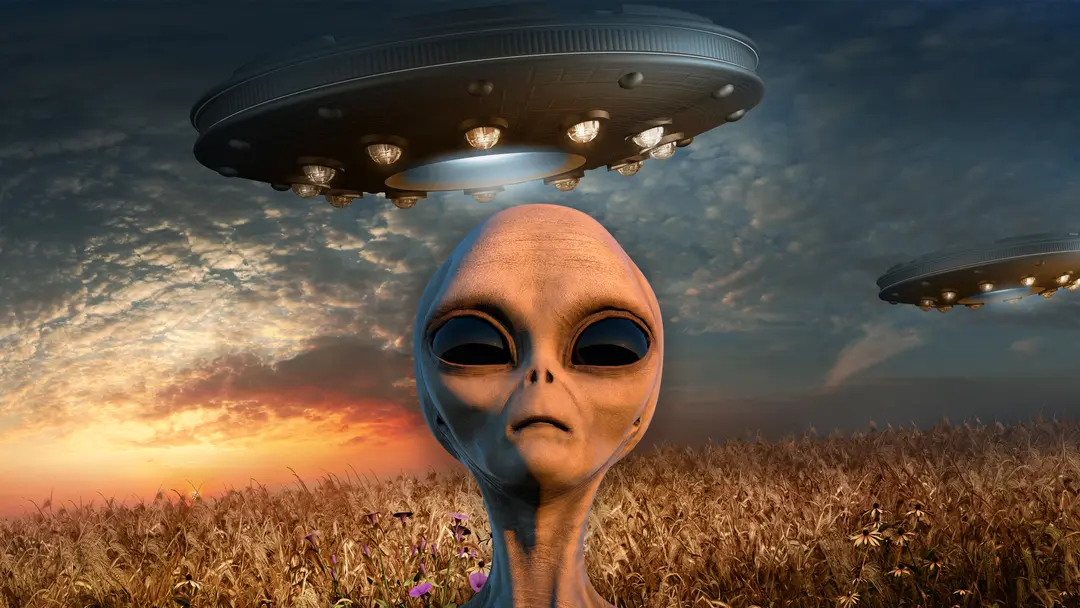
For decades, people around the world have reported seeing strange objects in the sky. Some call them UFOs, others call them UAPs—Unidentified Aerial Phenomena. While sightings happen everywhere, certain locations have become famous for repeated UFO reports. These are often called UFO hotspots.
From the deserts of Nevada to remote forests in South America, these spots attract curiosity, tourism, and sometimes even scientific study. But why do some places seem to see more UFOs than others? Are these places special, or is there another explanation?
This article explores the most famous UFO hotspots, the reasons behind repeated sightings, and what these reports tell us about human fascination with aliens.
What Is a UFO Hotspot?
A UFO hotspot is a location where unusually many UFO sightings are reported over time. These reports can include strange lights in the sky, moving objects with unusual flight patterns, or even close encounters with unidentified beings.
Hotspots are often remote areas, away from cities and bright lights. This makes it easier to notice unusual objects in the night sky. Some hotspots are also near military bases, which can contribute to unusual sightings due to secret aircraft or tests.
UFO hotspots are not just popular for alien hunters. They are also often tourist destinations. Visitors come hoping to see something mysterious, take photos, or simply enjoy the thrill of the unknown.
Famous UFO Hotspots Around the World
Several locations have become legendary among UFO enthusiasts. Here are a few of the most famous:
1. Area 51, Nevada, USA
Probably the most famous UFO hotspot in the world, Area 51 is a secretive U.S. military base. Located in the Nevada desert, it has long been associated with alien conspiracy theories.
Many people claim that the U.S. government hides alien spacecraft and even extraterrestrial beings here. While these claims have never been proven, Area 51 has appeared in countless movies, documentaries, and books about aliens.
The desert around the base also sees unusual lights in the sky. Some are explained as military aircraft or test drones, but many sightings remain unexplained.
2. Roswell, New Mexico, USA
Roswell became famous after a reported UFO crash in 1947. The event sparked decades of conspiracy theories about the U.S. government covering up alien contact.
Today, Roswell attracts thousands of tourists every year. Museums, festivals, and alien-themed shops make the town a hotspot for UFO enthusiasts.
Sightings around Roswell often involve lights in the sky, strange aircraft, and reports of unusual objects moving quickly.
3. Bonnybridge, Scotland
A small town in Scotland, Bonnybridge is considered one of the most UFO-active areas in Europe. Residents have reported hundreds of sightings over several decades.
Many of these reports involve lights, strange shapes, and unusual movement patterns. Some researchers believe the local geography may make it easier to see unusual phenomena in the sky.
4. Chilean Atacama Desert
The Atacama Desert in Chile is not just a place for astronomers. Its clear skies and remote location make it a hotspot for UFO reports.
Tourists and locals often report strange lights moving fast across the sky, as well as bright orbs that appear and disappear quickly. Some scientists explain these sightings as atmospheric phenomena, but many people still associate the area with extraterrestrial activity.
5. Rendlesham Forest, England
Often called “Britain’s Roswell,” Rendlesham Forest became famous after a series of UFO encounters by U.S. military personnel in the 1980s.
Eyewitnesses described lights, glowing objects, and even beings near the forest. The events remain unexplained, and the forest has since become a popular site for UFO hunters and curious visitors.
Why UFOs Appear More in Certain Areas
Scientists and researchers suggest several reasons why some locations report more UFOs than others.
Remote Locations
Many hotspots are far from city lights. This makes stars, satellites, and other objects easier to see. When the night sky is clear and dark, even ordinary objects can appear strange or mysterious.
Atmospheric Conditions
Some areas have unusual atmospheric conditions. Fog, dust, humidity, or reflections can create lights or shapes that look unusual. For example, temperature differences in deserts can create mirages that look like hovering objects.
Human Psychology
Humans are naturally curious and suggestible. If a place is famous for UFOs, people are more likely to interpret ordinary lights as something extraordinary. This is called expectation bias—we see what we expect to see.
Military Activity
Many UFO hotspots are near military test areas or restricted airspaces. Secret aircraft, drones, or advanced technology can create sightings that appear mysterious to ordinary observers.
Cultural Influence
Stories, movies, and local legends also affect sightings. When people know a location has a history of UFO reports, they may be more likely to report unusual phenomena.
Common Types of UFO Sightings
Reports from hotspots often follow similar patterns. These include:
-
Lights in the sky: Orbs, flashes, or moving lights with no visible source.
-
Flying objects: Shaped like discs, triangles, or other geometric forms.
-
Fast movement: Objects moving too quickly for known aircraft.
-
Hovering objects: UFOs that remain stationary for long periods.
-
Close encounters: Rare reports of witnesses seeing beings or unusual craft up close.
While many sightings can be explained scientifically, a small number remain unexplained and continue to fuel speculation.
Why People Keep Visiting UFO Hotspots
Visitors to UFO hotspots often hope to experience the unknown. Some reasons include:
-
Curiosity: People want to see something extraordinary.
-
Tourism: Hotspots attract festivals, museums, and shops.
-
Photography and research: Amateur astronomers and UFO hunters document sightings.
-
Community: Meeting others who share interest in UFOs creates a social experience.
The combination of mystery, history, and culture keeps people returning to these locations year after year.
The Role of Technology in UFO Sightings
Modern technology has changed how UFO sightings are reported.
-
Cameras and smartphones: More people can capture images or videos.
-
Radar and sensors: Military and civilian radar sometimes detect unexplained objects.
-
Internet and social media: Stories spread quickly, attracting attention worldwide.
While technology helps collect more evidence, it can also create hoaxes and misinformation. Viral videos often appear, claiming to show alien activity, but many are later debunked.
Scientific Approach to UFO Hotspots
Scientists encourage careful investigation of UFO reports. Some steps include:
-
Data collection: Recording time, location, weather, and other factors.
-
Analysis: Comparing reports with known aircraft, satellites, or atmospheric events.
-
Peer review: Sharing findings with other experts to avoid mistakes.
The scientific approach helps separate ordinary phenomena from truly unexplained events.
Skepticism and Belief
UFO hotspots attract both believers and skeptics.
Believers often think that repeated sightings indicate extraterrestrial presence. They study patterns, document encounters, and sometimes visit multiple hotspots.
Skeptics argue that most sightings can be explained by natural or human-made causes. They emphasize the need for evidence, measurement, and verification.
Both viewpoints contribute to the ongoing discussion about UFOs. Even skeptics admit that some sightings remain unexplained, leaving room for curiosity and debate.
Cultural Impact of UFO Hotspots
UFO hotspots influence culture in many ways:
-
Movies and TV shows: Many films are set near famous hotspots, adding mystery and excitement.
-
Tourism: Small towns benefit economically from UFO enthusiasts visiting.
-
Merchandise: Alien-themed shops, souvenirs, and festivals thrive near hotspots.
-
Science and education: Some areas collaborate with astronomers to educate visitors about space and the sky.
These cultural effects show how UFOs go beyond mystery—they shape real communities and industries.
Conclusion
UFO hotspots are more than just locations where people report strange objects in the sky. They are places where human curiosity, culture, and imagination come together.
The reasons for frequent sightings are often a mix of geography, atmospheric conditions, psychology, and sometimes military activity. Even so, some experiences remain unexplained, keeping the mystery alive.
Aliens, whether real or imagined, continue to fascinate humanity. UFO hotspots allow people to explore the unknown, share stories, and connect with a larger global community interested in the possibilities beyond Earth.
As technology advances, sightings may become easier to explain—or more intriguing than ever. One thing is certain: UFO hotspots will continue to capture human imagination for years to come.
Read Also: Keep your face towards the sunshine and shadows will fall behind you
Watch Also: https://www.youtube.com/@TravelsofTheWorld24














Leave a Reply