
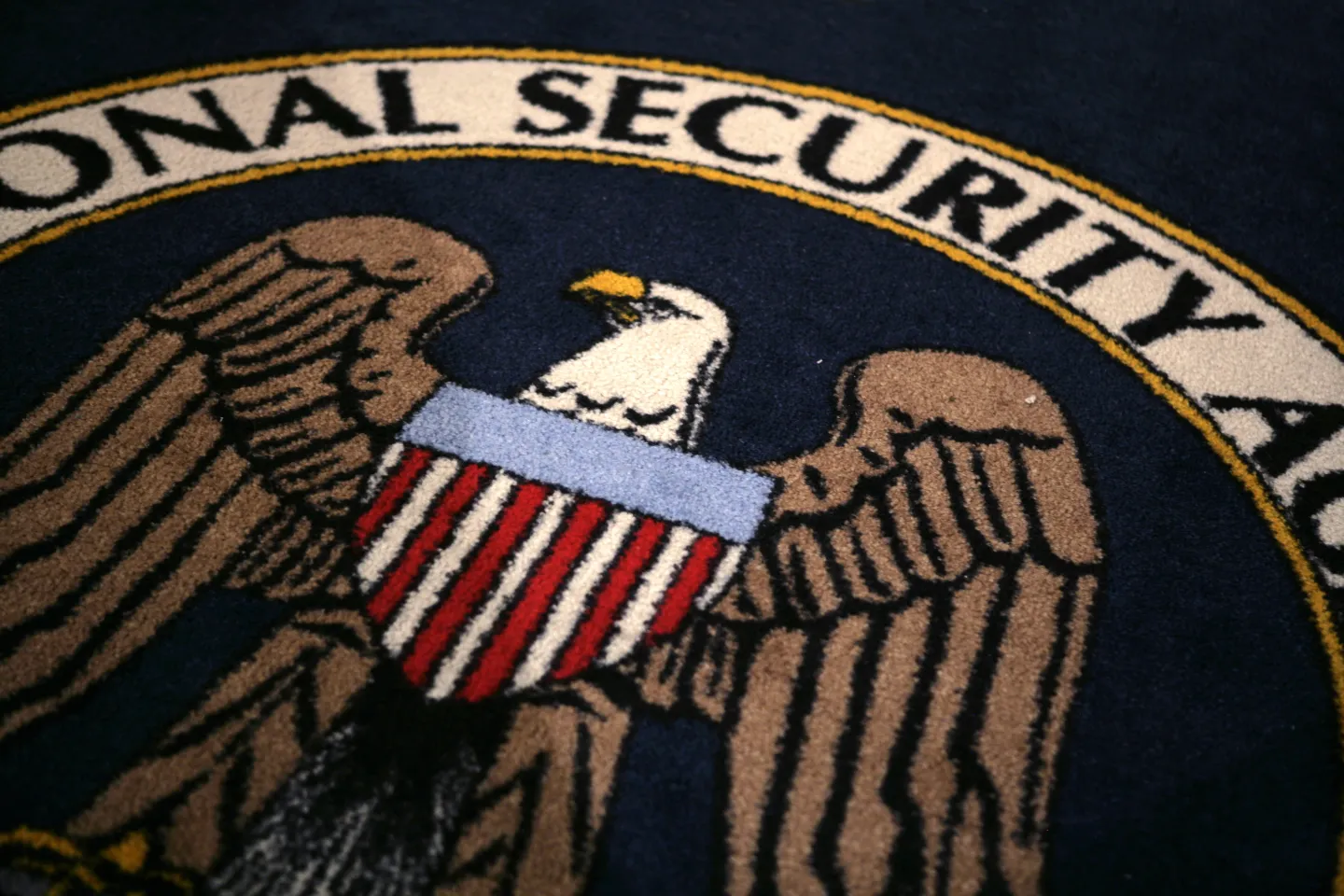
The National Security Agency (NSA) is the United States’ largest and most secretive intelligence organization. It was created in 1952 to collect and analyze communications and signals from foreign governments and militaries, especially during the Cold War. From humble beginnings, the NSA has grown into a massive agency with a huge global reach and has become a central part of U.S. surveillance efforts.
A Secret Agency With a Big Mission
For more than 20 years after it was established, the NSA operated almost entirely out of public view. Its very existence wasn’t widely known and that’s why people sometimes called it “No Such Agency.” Even today, many details about how it operates are classified and unknown to the public.
The agency’s primary job is signals intelligence — intercepting, decoding, and analyzing electronic communications. This can include phone calls, emails, text messages, satellite signals, and other forms of digital communication. Its work is used to help protect the United States from foreign threats — from terrorism to military attacks — and to support national security decision‑making.
How the NSA Gathers Data
Over time, the technology used by the NSA has become incredibly powerful. In its early years, the agency focused on radio communications and codebreaking. Today, it uses satellites, fiber‑optic taps, and global internet infrastructure to collect enormous amounts of data from around the world.
Some of the NSA’s surveillance programs have been revealed by leaks or media investigations. For example:
-
PRISM — a program revealed in 2013 that involved accessing data held by major U.S. tech companies, including emails, chats, and other user data, to search for foreign intelligence targets.
-
Boundless Informant — a data‑mapping program that showed how much information the NSA was collecting globally.
-
Fairview, OAKSTAR, and Blarney — secret collection programs that involve accessing communications at key network points, including inside the United States.
These techniques allow the NSA to gather both foreign intelligence and, under certain conditions, domestic communications involving Americans when one party is outside the U.S., though laws like the Foreign Intelligence Surveillance Act (FISA) are meant to limit domestic surveillance without proper authorization.
The Controversy Over Surveillance
The NSA’s work is controversial because of its size and the volume of data it collects. After the September 11 attacks, the agency’s surveillance activities expanded dramatically as the government sought to prevent future attacks. Some changes made it easier for the NSA to monitor communications without traditional warrants — a move supporters argued was necessary for security, but critics said it endangered civil liberties.
In 2013, former NSA contractor Edward Snowden leaked classified documents showing the scale of NSA surveillance, including programs that collected phone records and internet data from millions of people around the world. These leaks sparked global debate over privacy, government power, and the balance between security and individual rights.
Because of the secrecy surrounding the NSA, lawmakers and privacy advocates have long pushed for more transparency and oversight. Even today, senators such as Ron Wyden have repeatedly asked the agency how many Americans’ communications have been collected, and the NSA has not provided clear answers.
Global Reach and Allies
While the NSA is the largest surveillance agency in the world, it does not work alone. It shares intelligence and collaborates with allies such as Britain, Australia, Canada, and New Zealand in a partnership known as the “Five Eyes.” This cooperation allows these nations to share signals intelligence and build a broader picture of global communications activity.
The NSA also maintains listening bases and facilities around the globe, extending its surveillance reach far beyond U.S. borders. Its headquarters is in Fort Meade, Maryland, and the agency employs a large workforce that includes military personnel and civilian contractors.
Legal Limits and Oversight
Although the NSA’s mission is global, U.S. law puts limits on how it can collect data on Americans. The Foreign Intelligence Surveillance Act (FISA) of 1978 sets rules for surveillance involving U.S. persons and requires oversight by a special court — the FISA Court — which approves surveillance requests in secret based on national security needs.
In some cases, changes to the law have allowed less‑restricted collection if one party to a communication is outside the United States. These legal changes have been debated and criticized for potentially allowing mass collection of data that could include Americans’ information.
Despite reforms and oversight, critics argue that surveillance programs are still too broad and that the NSA’s methods can infringe on privacy rights. Supporters say these programs are essential to stopping terrorism and other threats. This ongoing debate shows how complex it is to balance security needs with protecting individual freedoms.
Impact on Privacy and Trust
The revelations about NSA surveillance had a major impact around the world. Tech companies were forced to respond publicly, and many began to encrypt more of their data to protect users’ information. Governments debated new rules governing surveillance, and privacy rights groups became more vocal.
Even though some surveillance practices have been modified since the Snowden revelations, the NSA still has extensive authority and capabilities to gather electronic data. The debate over how much power the agency should have continues today.
Why the NSA Matters
The NSA plays a key role in U.S. national security. Its ability to intercept communications helps the government track threats, monitor hostile actors, and support military and intelligence operations. At the same time, the scale of its reach and the secret nature of its work raise questions about privacy, oversight, and civil liberties.
The NSA’s history — from a hidden Cold War code‑breaking unit to a modern global surveillance giant — shows how intelligence work has evolved with technology. Its reach now goes far beyond traditional spy work to digital surveillance on a scale that was unimaginable decades ago.
Conclusion
The National Security Agency operates as the United States’ biggest signals intelligence and surveillance organization, collecting data from around the world and helping to protect the country from threats. Its programs have expanded over time, especially after the September 11 attacks, and some of the most controversial practices came to light through leaks like those from Edward Snowden. While the NSA’s work is seen as vital to national security, it also raises ongoing debates about privacy, civil liberties, and how far a government should be allowed to go in monitoring communications.
Read Also: Keep your face towards the sunshine and shadows will fall behind you
Watch Also: https://www.youtube.com/@TravelsofTheWorld24






Leave a Reply