
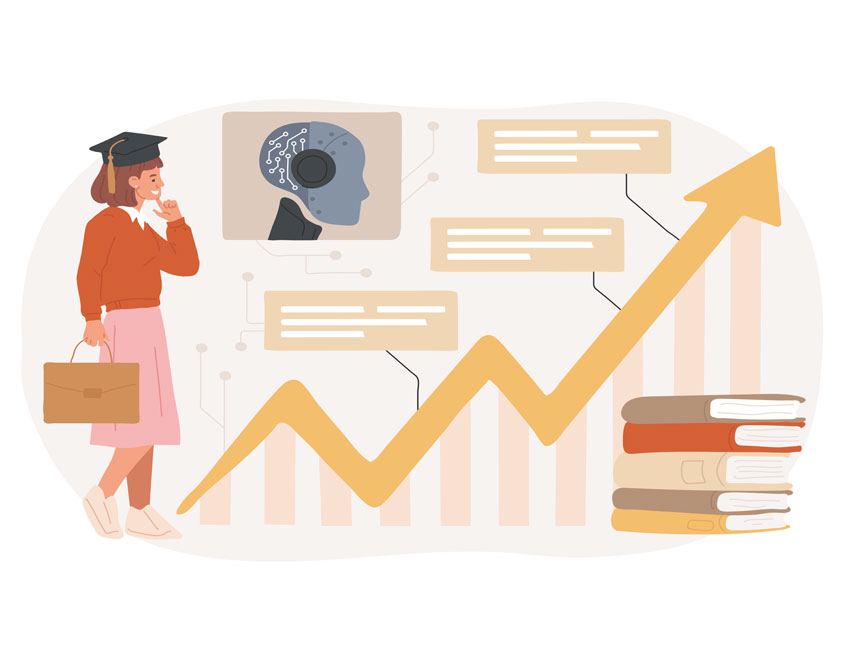
Choosing a career can feel overwhelming for school students. With so many subjects, courses, and job options, it is normal for young students to feel confused. This is where career guidance assessments come in. These assessments are tools that help students understand their interests, skills, and strengths so they can make better decisions about their future.
Career guidance assessments are not just tests; they are a roadmap for students. They help answer questions like:
-
Which subjects suit me best?
-
What kind of work would I enjoy?
-
What careers match my personality and skills?
Let’s explore why these assessments are so important and how they help students succeed.
Understanding Career Guidance Assessments
Career guidance assessments are structured tools designed to analyze a student’s:
-
Interests
-
Abilities
-
Personality traits
-
Work preferences
These assessments are often designed by experts in psychology and career counseling. They give students a clear picture of their strengths and potential career paths.
For example, a student who enjoys solving problems and logical thinking may be guided toward engineering, data analysis, or computer science. A student who loves creative tasks may be directed toward design, writing, or media careers.
Why Students Need Career Assessments
Many students make career choices based on:
-
Peer influence
-
Family pressure
-
Popular trends
While advice from others can be helpful, it is not always aligned with a student’s true interests and abilities. Career assessments provide an objective and personalized approach.
Here are the main benefits:
1. Self-Understanding
Assessments help students discover their interests, strengths, and weaknesses. This self-awareness is the first step toward making smart decisions. Students learn what subjects, skills, and activities suit them best.
2. Confidence in Choices
When students know their abilities, they feel more confident in choosing the right course, stream, or career path. This reduces stress and confusion about the future.
3. Avoiding Wrong Decisions
Without proper guidance, students may choose subjects or courses that do not match their abilities. Career assessments help prevent mistakes that could affect education and career later.
4. Early Planning
Early assessment allows students to plan their studies and extracurricular activities according to their career goals. It gives them a head start in building the right skills.
Types of Career Assessments
There are several types of career guidance assessments:
1. Interest-Based Assessments
These tests identify what a student enjoys doing. They focus on hobbies, activities, and subjects that spark interest.
2. Aptitude Tests
Aptitude tests measure abilities like logical reasoning, problem-solving, math skills, and language skills. They show where a student has natural talent.
3. Personality Assessments
Personality assessments reveal traits such as introversion, extroversion, leadership qualities, and creativity. These traits influence which careers a student may enjoy.
4. Skills Assessments
These tests evaluate current skills, such as computer skills, communication, teamwork, and analytical thinking. Skills assessments help students understand what areas to improve for their chosen career.
How Assessments Help in Career Planning
Career guidance assessments give practical guidance in several ways:
-
Suggesting suitable courses or subjects in school
-
Highlighting potential career options for the future
-
Helping students set realistic goals
-
Guiding students on skill development and training
By using the results of these assessments, students can create a clear action plan for their studies and career.
Reducing Stress and Pressure
Many students feel pressure to choose a career quickly. Parents, teachers, and peers often have expectations, which can be stressful. Assessments help reduce stress by providing evidence-based guidance. Students feel reassured when their choices are backed by their own strengths and interests.
Supporting Parents and Teachers
Career assessments are also helpful for parents and teachers. They provide insight into a student’s abilities and preferences. This allows adults to give informed guidance and support. Instead of relying on assumptions or trends, parents can help students make choices that fit their unique profile.
Preparing Students for the Future
The job market is constantly evolving. Many careers today did not exist 10 years ago. Career assessments help students prepare for this changing world by:
-
Identifying skills needed for future careers
-
Highlighting areas for improvement
-
Encouraging lifelong learning habits
Early assessment gives students a competitive edge in the future.
Making Career Guidance a Part of School Life
Schools that include career guidance assessments as part of their programs give students an advantage. Regular assessments and counseling sessions can:
-
Help students explore multiple career options
-
Track progress in skill development
-
Provide a roadmap for higher education and career choices
When career guidance is integrated into school life, students grow more confident, prepared, and aware of their potential.
Final Thoughts
Career guidance assessments are a must-have for school students because they provide clarity, confidence, and direction. They are not about limiting choices; they are about opening doors to the right opportunities.
Students who understand their interests, skills, and strengths are more likely to:
-
Choose the right subjects
-
Prepare for suitable careers
-
Achieve academic success
-
Enjoy long-term career satisfaction
In short, career guidance assessments are an investment in a student’s future. They help young people make informed choices, reduce stress, and start their journey toward a successful and fulfilling career with confidence.
Read Also: Keep your face towards the sunshine and shadows will fall behind you
Watch Also: https://www.youtube.com/@TravelsofTheWorld24














Leave a Reply