

In many countries today, businesses are struggling to find workers with the right skills. At the same time, millions of adults feel stuck in jobs that do not match their abilities or interests. A new report suggests that better career guidance for adults could help fix both problems. It says that when adults receive proper advice and support, they can move into roles where their skills are needed most. This can reduce unemployment, fill job gaps, and strengthen the economy.
For a long time, career guidance was mainly seen as something for school students. Teenagers would meet a counselor, choose subjects, and decide what to study after school. But the world of work has changed. Today, people often change careers several times in their lives. Technology, automation, and global competition have created new jobs while making some old ones disappear. Because of this, adults also need guidance, not just young people.
Why Skills Shortages Are Growing
A skills shortage happens when employers cannot find people with the right training or experience for certain jobs. For example, there may be a high demand for workers in healthcare, information technology, engineering, or skilled trades. However, not enough people may have the right qualifications for these roles.
At the same time, there are adults working in low-paid or unstable jobs. Some may have outdated skills. Others may not know what training options are available. Many feel confused about how to change careers. Without clear information and support, they stay where they are, even if better opportunities exist.
This creates a mismatch. Jobs are available, but the right people are not applying. Adults want better work, but they do not know how to move forward.
The Role of Adult Career Guidance
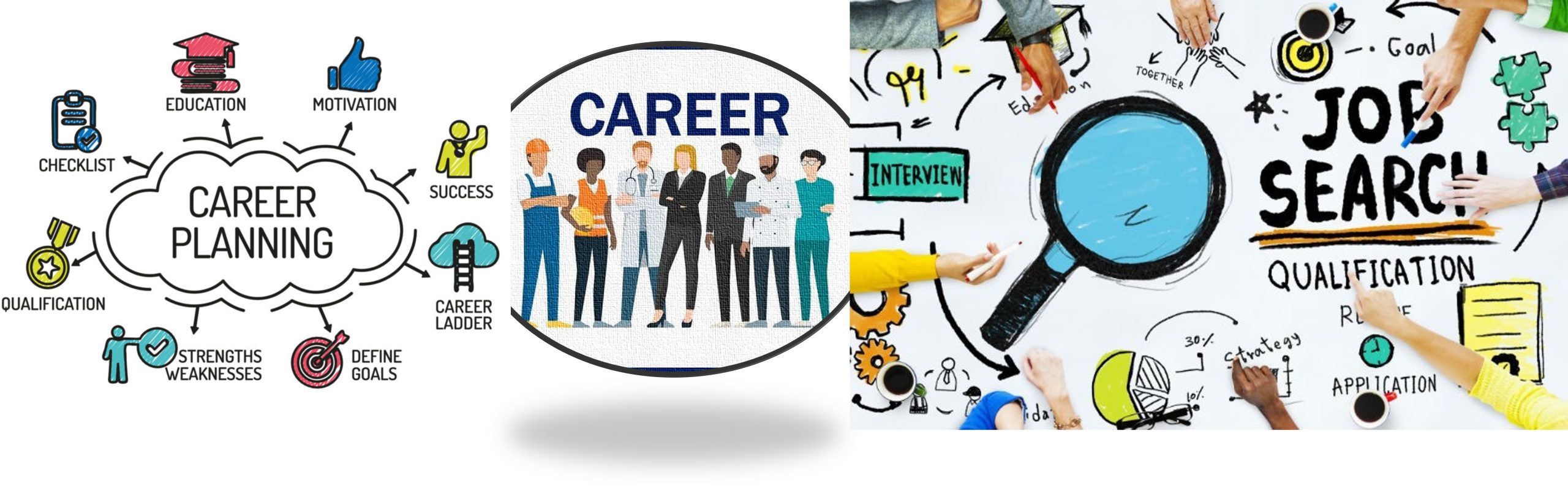
Adult career guidance is professional advice that helps people understand their skills, interests, and options. It can include one-on-one counseling, skills assessments, workshops, and training advice. The goal is simple: help adults make smart career decisions.
When adults meet a career adviser, they can:
-
Identify their strengths and weaknesses
-
Learn about growing industries
-
Understand what qualifications they need
-
Create a step-by-step career plan
-
Gain confidence to make changes
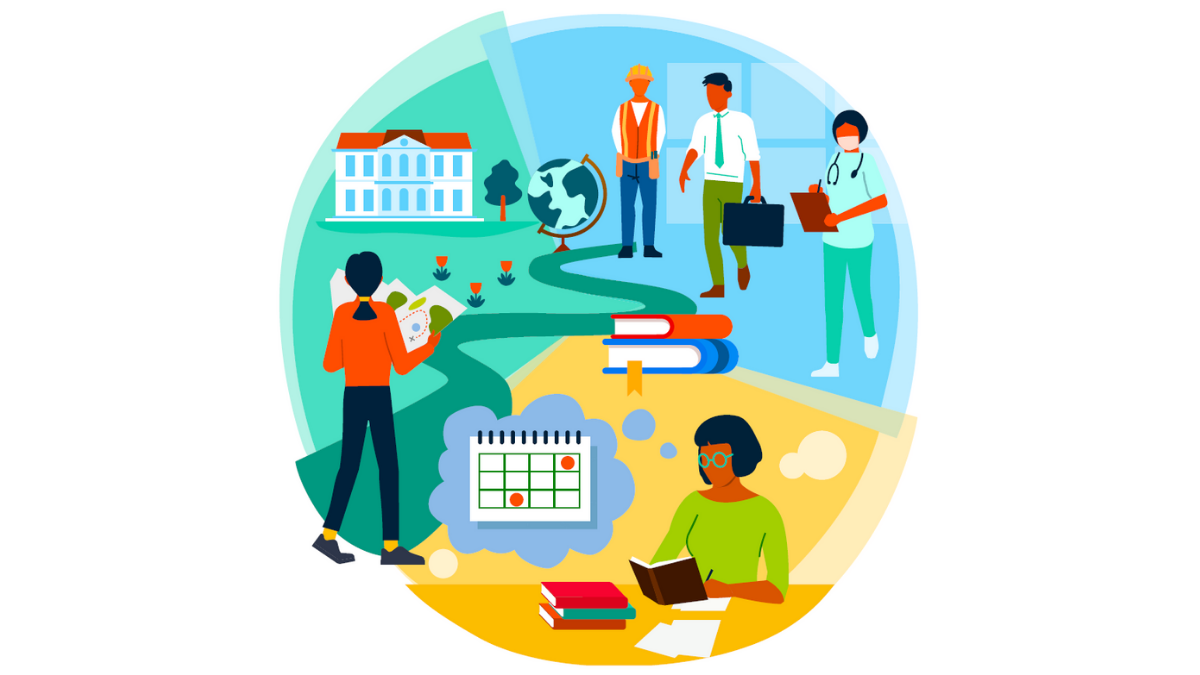
For example, someone working in retail may discover they have strong communication and organization skills. With guidance, they might train for a role in healthcare administration or customer support in the tech sector. Without that guidance, they might never consider these options.
Lifelong Learning Is the Key
Experts now talk about “lifelong learning.” This means learning does not stop after school or university. Adults must keep updating their skills throughout their lives.
Organizations like the Organisation for Economic Co-operation and Development (OECD) have often highlighted the importance of continuous learning. They explain that countries with strong adult education systems are better prepared for economic change.
In many places, governments are investing in short courses, online training, and vocational programs. However, simply offering courses is not enough. Adults also need clear advice on which courses will truly help them find better jobs. That is where career guidance plays a big role.
Benefits for Individuals
Good adult career guidance can change lives. Here are some of the key benefits:
1. Higher Income
When adults move into better-paying roles, their financial situation improves. This reduces stress and improves quality of life.
2. Greater Job Satisfaction
Many people stay in jobs they dislike because they fear change. Career counseling helps them see new possibilities.
3. Increased Confidence
Making a career shift can feel scary. With professional support, adults feel more prepared and confident.
4. Better Work-Life Balance
Some career changes allow people to work flexible hours or from home. Guidance helps them choose options that fit their lifestyle.
Benefits for Employers and the Economy
Adult career guidance does not only help individuals. It also supports businesses and the wider economy.
When workers move into industries that need talent, companies can grow faster. Productivity increases. Innovation improves. The country becomes more competitive globally.
For example, countries like Germany are known for strong vocational training systems. Adults can retrain for skilled trades through structured programs. This helps reduce gaps in sectors like manufacturing and engineering.
Similarly, nations such as Singapore have introduced national programs that encourage adults to upgrade their skills regularly. These efforts show how organized guidance and training can support economic growth.
Challenges in Providing Adult Career Guidance
Even though the benefits are clear, there are still challenges.
Lack of Awareness
Many adults do not know that career guidance services exist.
Limited Access
In rural or low-income areas, counseling services may not be easily available.
Time Constraints
Adults often balance work, family, and other responsibilities. Finding time for training or counseling can be difficult.
Financial Barriers
Some training programs can be expensive.
Because of these challenges, experts say governments and private organizations need to work together. Career services should be affordable, accessible, and flexible.
The Impact of Technology
Technology has made career guidance easier in some ways. Online platforms now offer career assessments, job market data, and virtual counseling sessions. Adults can explore options from home.
At the same time, technology is also changing the job market quickly. Automation and artificial intelligence are replacing some jobs but creating others. Without guidance, adults may struggle to understand these changes.
For example, digital skills are now important in many industries. Even traditional jobs require basic computer knowledge. Career advisers can help adults see which digital skills are most valuable.
Real-Life Example
Imagine a 40-year-old factory worker whose company closes due to automation. Without support, this person might struggle for months or years. But with career guidance, they could assess their skills, discover training programs in logistics or technical maintenance, and start a new career within a year.
This is not just theory. Many workforce programs around the world show that when adults receive proper advice, they are more likely to complete training and find stable employment.
Why Governments Are Paying Attention
Policymakers now understand that focusing only on youth is not enough. An economy depends on workers of all ages. If adults cannot adapt, the country faces long-term unemployment and slow growth.
Reports suggest that investing in adult career guidance is cost-effective. Helping someone retrain and find work costs less than supporting long-term unemployment benefits.
In addition, aging populations in many countries mean that people are working longer. Adults in their 40s, 50s, and even 60s may need to switch careers. Proper guidance helps them remain active and productive.
What Needs to Be Done
To reduce skills shortages, experts recommend several steps:
-
Expand Career Counseling Services
Make them available in community centers, workplaces, and online. -
Link Guidance with Training
Career advice should connect directly to real job opportunities. -
Promote Awareness
Governments and companies should inform adults about available services. -
Provide Financial Support
Scholarships or subsidies can help adults afford training. -
Encourage Employers to Participate
Businesses can offer internal career counseling and upskilling programs.
The Bigger Picture
The job market will continue to change. New industries will appear. Old ones will decline. The only constant is change.
If adults are left without support, skills shortages will grow worse. But if countries invest in career guidance, they can create a flexible and strong workforce.
In simple words, adult career guidance is not just about finding a new job. It is about building a system where people can grow, adapt, and succeed throughout their lives. When workers succeed, businesses succeed. And when businesses succeed, the whole country benefits.
Final Thoughts
The report’s message is clear: career guidance should not stop after school. Adults need support too. By helping people understand their strengths and explore new opportunities, career counseling can reduce skills gaps and improve economic stability.
In today’s fast-changing world, learning and career growth never truly end. With the right guidance, adults can move into roles that match their abilities and meet the needs of the market. This creates a win-win situation for individuals, employers, and society as a whole.
Adult career guidance may not solve every economic problem, but it can be a powerful step toward ending the skills shortage and building a brighter future for everyone.
Read Also: Keep your face towards the sunshine and shadows will fall behind you
Watch Also: https://www.youtube.com/@TravelsofTheWorld24











Leave a Reply