

Helping young people get ready for work is one of the most important tasks for families, schools, and society. Today, the world of work is changing very fast. New jobs are coming, old jobs are disappearing, and technology is shaping almost every field. Because of this, career guidance is more important than ever.
But the big question is: what really works in career guidance? What actually helps young people move from school to a successful working life?
Let’s talk about this in a simple and clear way.
Why Preparing Youth for Work Matters
Young people are the future of every country. When they are skilled, confident, and well-guided, they can build strong careers and improve their lives. But when they are confused or unprepared, they may struggle with unemployment, low-paying jobs, or constant job changes.
Preparing youth for work is not just about getting a degree. It is about helping them:
-
Understand themselves
-
Learn useful skills
-
Explore real job options
-
Build confidence
-
Make smart decisions
Good career guidance connects education with the real world of work.
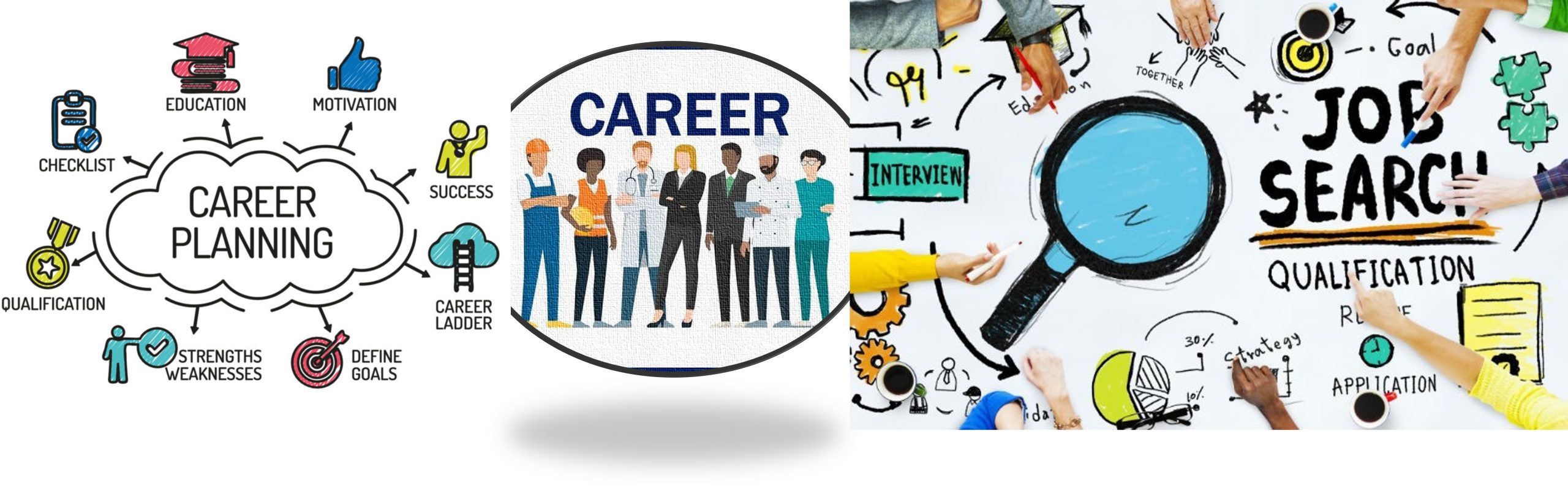
What Is Career Guidance?
Career guidance is the support given to students and young people to help them choose and prepare for a career. It includes:
-
Career counseling sessions
-
Information about different professions
-
Skill assessment tests
-
Internships and job exposure
-
Advice on education pathways
It is not about telling a student what to become. It is about helping them discover what suits them best.
What Really Works in Career Guidance?
Let’s look at the methods that truly make a difference.
1. Starting Early
One of the biggest mistakes is starting career guidance too late. Many students only think seriously about their career after finishing school. By then, they may have already chosen subjects that limit their options.
Good career guidance starts early, even in middle or high school. At this stage, students can:
-
Explore their interests
-
Learn about different industries
-
Understand the link between subjects and careers
Early awareness gives students more time to prepare and make better choices.
2. Helping Youth Understand Themselves
Self-awareness is the foundation of good career planning. Young people need to understand:
-
What they enjoy
-
What they are good at
-
What kind of work environment suits them
-
Their values and goals
Career assessment tools can help measure skills like logical thinking, creativity, communication, and leadership. But simple conversations with teachers, parents, and counselors are also very powerful.
When young people know themselves well, they make better career decisions.
3. Providing Real Information About Jobs
Many young people choose careers based on limited knowledge. They may only know about popular jobs like doctor, engineer, teacher, or banker. But today, there are hundreds of career options.
Effective career guidance provides clear and honest information about:
-
Job roles and responsibilities
-
Required education and training
-
Salary expectations
-
Growth opportunities
-
Challenges in the field
Students should know both the good and difficult sides of a career. This helps them avoid unrealistic expectations.
4. Connecting Education to Real Life
One major problem is that students often do not see how school subjects connect to real jobs. They may ask, “Why am I studying this?”
Career guidance works best when it shows how classroom learning links to real-world work. For example:
-
Math is important for engineering, finance, and data analysis.
-
Good writing skills are useful in journalism, law, and marketing.
-
Science knowledge is needed in healthcare and research.
When students see the purpose behind their studies, they feel more motivated.
5. Focus on Skill Development
In today’s world, degrees alone are not enough. Employers look for skills.
There are two main types of skills:
Technical Skills
These are job-specific skills, like coding, accounting, machine operation, or graphic design.
Soft Skills
These include communication, teamwork, problem-solving, time management, and leadership.
Career guidance should focus on both. Workshops, group projects, presentations, and extracurricular activities help develop soft skills. Internships and training programs help build technical skills.
Young people who have both types of skills are more prepared for work.
6. Work Experience and Internships
One of the most effective ways to prepare youth for work is giving them real work experience.
Internships, part-time jobs, volunteering, and job shadowing help students:
-
Understand workplace culture
-
Learn professional behavior
-
Build confidence
-
Discover whether they truly like a field
Sometimes students change their career goals after practical experience, and that is okay. It is better to realize early than after years of study.
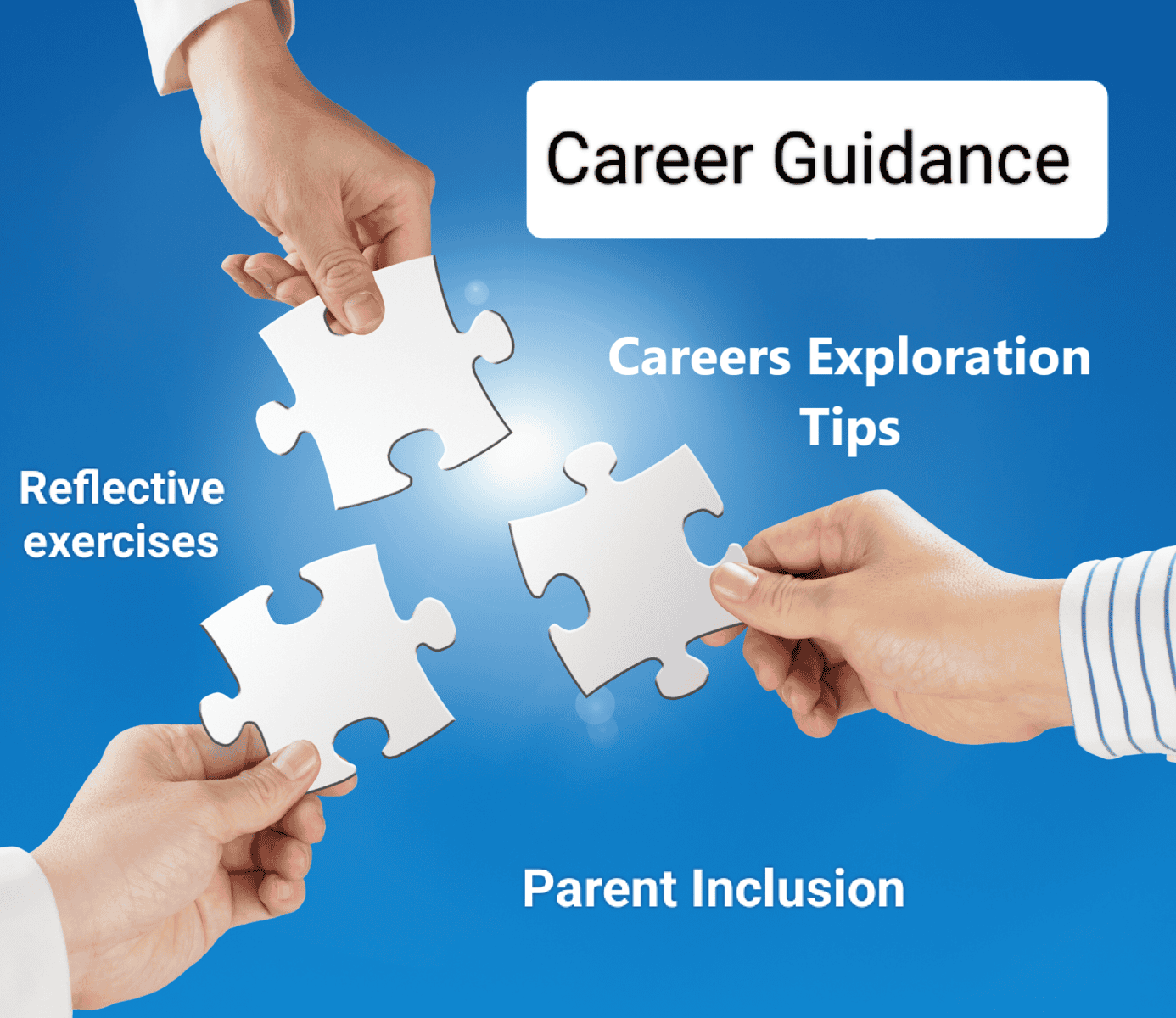
7. Involving Parents in the Process
Parents have a strong influence on career decisions. Sometimes they support their children’s interests. Sometimes they pressure them into certain fields.
Career guidance works best when parents are involved in a positive way. Schools can organize parent sessions to explain:
-
The importance of matching interest and ability
-
The changing job market
-
New and emerging careers
When parents understand the bigger picture, they are more likely to support their children wisely.
8. Personal Counseling and Mentorship
Every young person is different. Some are confident. Others feel anxious and unsure. Some know what they want. Others are completely confused.
Personal counseling sessions allow students to talk openly about:
-
Their fears
-
Family expectations
-
Financial concerns
-
Academic struggles
Mentorship is also very powerful. When young people meet professionals from different fields, they get real inspiration and practical advice.
A good mentor can change a student’s life.
9. Teaching Career Planning Skills
Career guidance should not only give answers. It should teach students how to make decisions.
Young people should learn:
-
How to set goals
-
How to research career options
-
How to make a career plan
-
How to prepare a CV
-
How to perform in job interviews
These practical skills make the transition from education to work smoother.
10. Encouraging Lifelong Learning
The job market is constantly changing. Many future jobs do not even exist yet. Because of this, career guidance should teach adaptability.
Youth should understand that:
-
They may change careers in the future.
-
They need to keep learning new skills.
-
Online courses and certifications are useful.
-
Flexibility is important.
Preparing youth for work is not about one fixed job. It is about preparing them to grow and adapt.
Challenges in Career Guidance
Even though career guidance is important, there are challenges:
-
Lack of trained counselors in some schools
-
Limited resources in rural areas
-
Social pressure to choose “respectable” careers
-
Lack of awareness about new industries
-
Financial constraints
To improve career guidance, governments and institutions must invest in training counselors, organizing career fairs, and creating awareness programs.
The Role of Technology in Career Guidance
Technology has made career guidance more accessible.
Today, students can:
-
Take online career assessment tests
-
Attend virtual career seminars
-
Watch interviews of professionals
-
Learn new skills through online platforms
Digital tools help students explore global opportunities. However, personal guidance and human support are still very important.
What Does Not Work in Career Guidance?
It is also important to understand what does not work:
-
Forcing students into certain careers
-
Giving only general advice without personal understanding
-
Ignoring students’ interests
-
Focusing only on academic marks
-
Treating career choice as a one-time decision
These approaches often lead to dissatisfaction and career changes later in life.
Building Confidence in Youth
Preparing youth for work is not only about skills and information. It is also about confidence.
Young people need to believe that:
-
They are capable
-
They can learn new skills
-
Failure is part of growth
-
They can improve with effort
Encouragement from teachers, parents, and mentors builds this confidence.
When youth feel supported, they take bold and smart steps.
Final Thoughts
Preparing youth for work is a shared responsibility. Families, schools, communities, and governments all play a role.
What really works in career guidance is simple:
-
Start early
-
Focus on self-awareness
-
Provide real and honest information
-
Build both technical and soft skills
-
Offer real work experiences
-
Support personal counseling
-
Encourage lifelong learning
Career guidance is not about choosing a job title. It is about helping young people understand themselves and prepare for a meaningful working life.
When youth are guided properly, they do not just find jobs. They build careers. They contribute to society. And most importantly, they create a future they feel proud of.
Read Also: Keep your face towards the sunshine and shadows will fall behind you
Watch Also: https://www.youtube.com/@TravelsofTheWorld24












Leave a Reply