
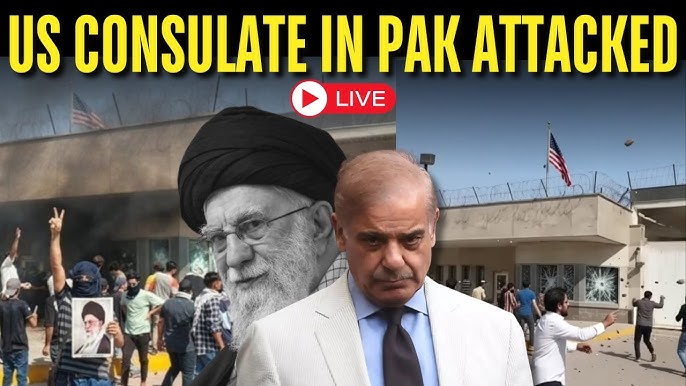
On Sunday, big demonstrations and rallies broke out in the Pakistani province of Sindh because people were angry about reports that Iran’s Supreme Leader, Ayatollah Ali Khamenei, had been killed during a military operation led by Israel (supported by the United States) in Iran. Many people also shut down markets and businesses in cities and towns across Sindh to show their protest.
These protests were part of a larger wave of anger and mourning across South Asia and the Middle East after news spread about the killing of Khamenei in airstrikes on Tehran. Many Pakistanis, especially members of the Shia community, strongly protested what they saw as an unjust attack on Iran’s leadership.
1. Who Was Ayatollah Ali Khamenei and Why It Matters
Ayatollah Ali Khamenei was the Supreme Leader of Iran, the most powerful political and religious leader in the country, and was in that position for more than three decades. He shaped Iran’s politics, policies, and foreign relations, especially towards the United States and Israel. His influence extended to support for Iran‑aligned groups in the region.
On February 28, 2026, Khamenei was reportedly killed in joint airstrikes by the United States and Israel on Tehran. These strikes also hit other Iranian leaders and officials close to him. The event sent shockwaves across the Middle East and beyond.
Because he was such an important figure, his killing triggered emotional responses among many communities in Pakistan and other countries with large Shia Muslim populations, along with strong political reactions.
2. The Protests in Sindh
Where Protests Took Place
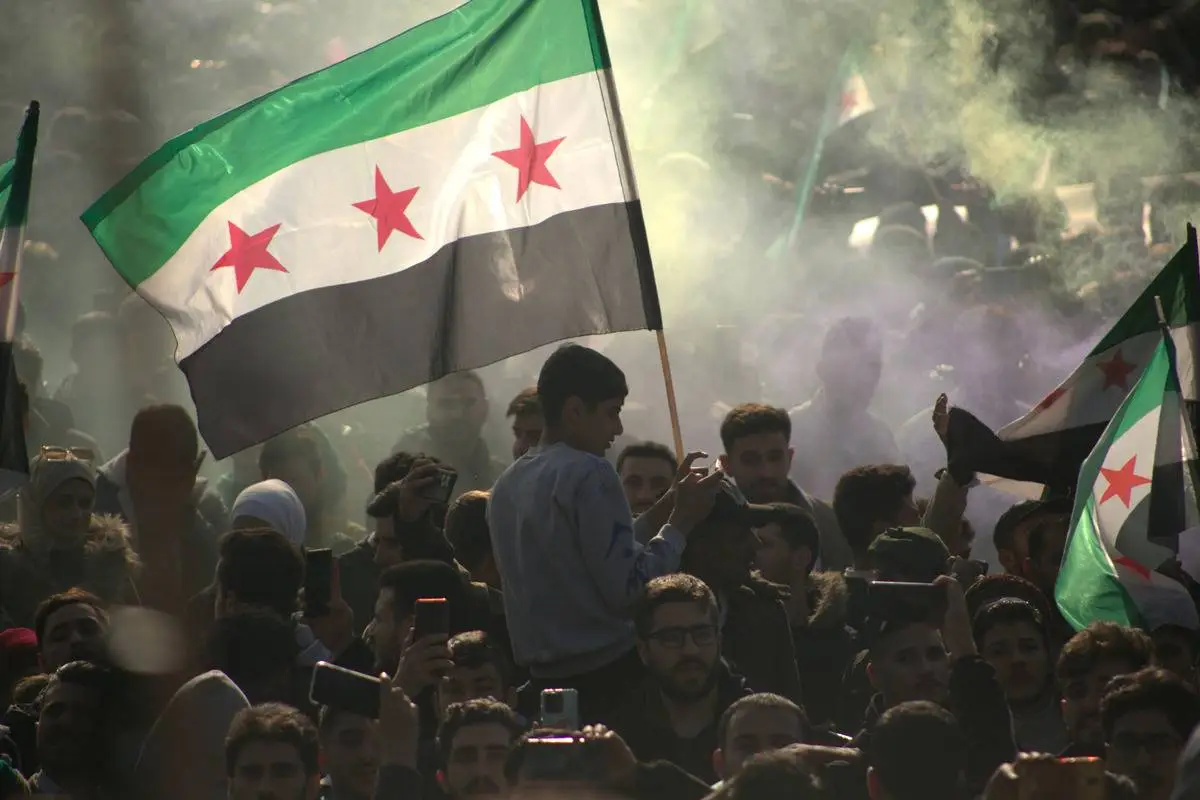
Protests were reported in many parts of Sindh — including Hyderabad, Tando Allahyar, and Matiari districts. People gathered in large numbers in city centers, walking in the streets and shouting slogans against the attacks.
In Hyderabad, for example, one of the main demonstrations was organised by religious groups such as the Shia Ulema Council and joined by other local organisations. Families, including women and children, marched peacefully from one landmark to another to show their solidarity with Iran.
Shutter‑Down Strike
In many cities and towns in Sindh, shops, markets, and businesses stayed closed for the day. People did this as a way of expressing grief and solidarity, and also to show their rejection of the attacks. This kind of shutdown is often called a “shutter‑down” strike because business shutters remain down to show protest.
3. What the Protesters Were Saying
The people who took to the streets were expressing a mix of political and emotional reactions:
-
They condemned the Israeli and U.S. airstrikes that killed Khamenei and other Iranian leaders.
-
Many raised slogans against both Israel and the United States, accusing them of attacking Iran and destabilising the region.
-
Some protesters see this event as part of a broader conflict in the Middle East, and they felt Pakistan should stand in solidarity with Iran.
Because of the emotional and political nature of these rallies, crowds also included older adults, young people and even families.
4. Why People in Sindh Are Reacting Strongly
To understand why these protests were so large and passionate, it helps to know a few things about Pakistan and Iran:
Shared Religious Ties
Many people in Sindh and in other parts of Pakistan belong to the Shia Muslim community, and Ayatollah Khamenei was seen as a central religious leader by many Shias. His death therefore felt personal to a large section of the community.
Political and Regional Loyalties
Iran has been a significant political and religious influence in parts of Pakistan, especially among Shia groups. When Iran’s top leader was killed in a foreign military operation, it struck a chord with many people who feel strong cultural or political ties to Iran.
Anger Toward U.S. and Israel
For many protesters, the strike was not only seen as an attack on Iran but also as an example of U.S. and Israeli power being used against a Muslim leader. That feeling increased public anger and led to widespread demonstrations.
5. How Protests Spread in Pakistan
The protests over Khamenei’s death didn’t just happen in Sindh — they spread to other regions and cities across Pakistan:
-
In Karachi, large crowds demonstrated outside the United States Consulate, where some clashes with police and security forces occurred. Several people were killed and many injured during those clashes.
-
In Islamabad, demonstrations also took place near the diplomatic zones, and security forces used teargas and other measures to disperse crowds.
-
In Gilgit‑Baltistan, there were protests and strikes, with some businesses shut down and roads blocked by demonstrators who were angry about the killing of Khamenei.
Across Pakistan, authorities imposed restrictions in some areas, banning large gatherings for safety reasons as tensions grew.
6. The Wider Context — Iran and the Middle East War
To truly understand why these protests happened, we need to look at the bigger picture of regional conflict:
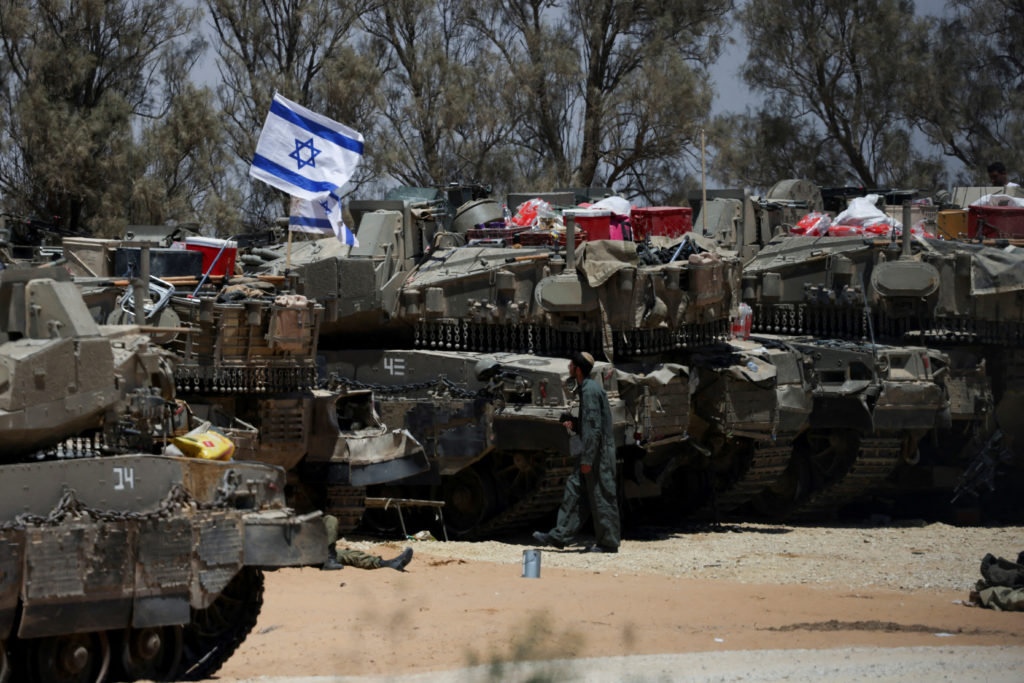
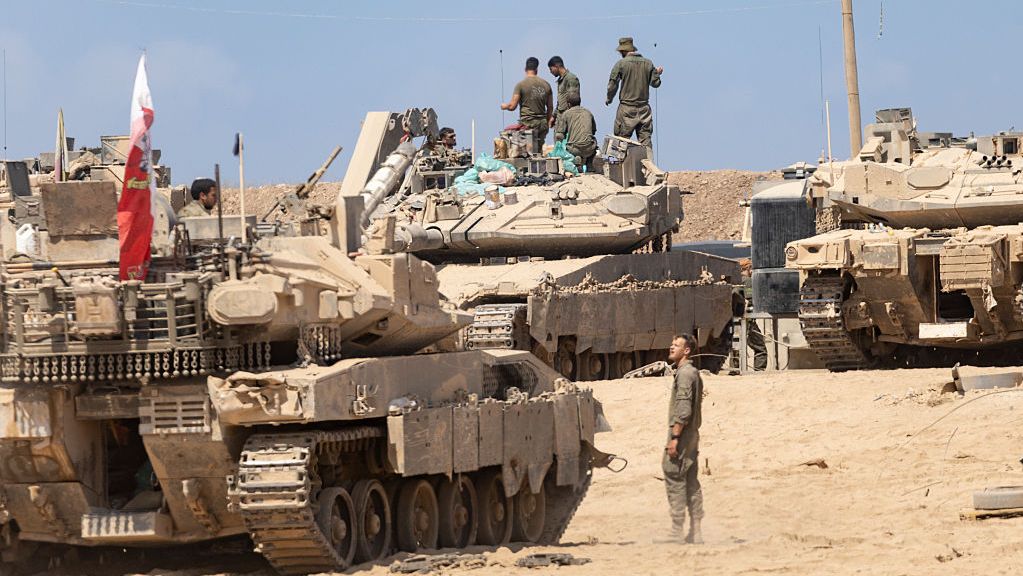
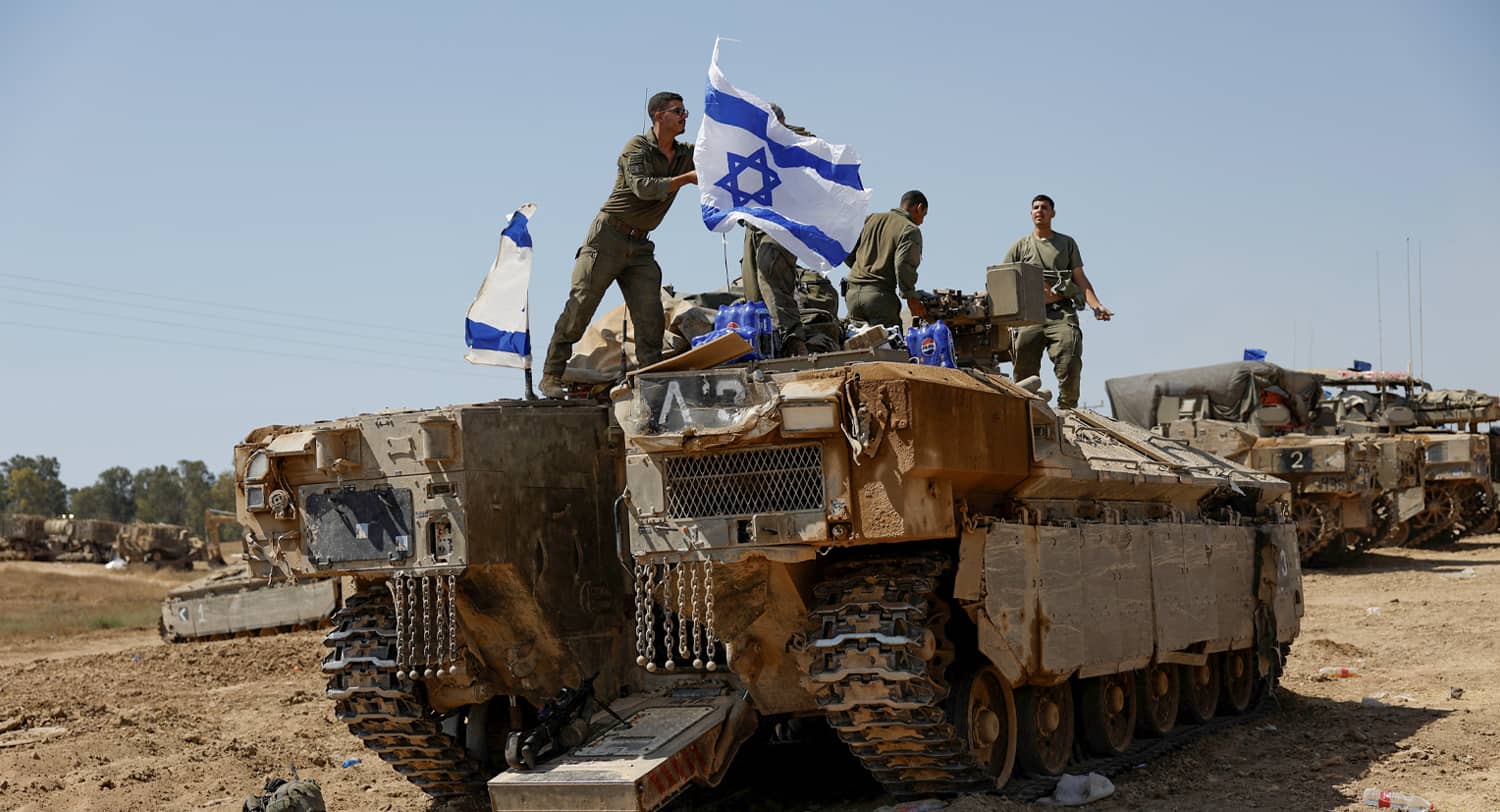
In recent months, tensions between Iran, Israel and the United States have escalated sharply. A major airstrike campaign by the U.S. and Israel targeted Iranian leadership, including Supreme Leader Khamenei, marking one of the most intense direct actions against Iran in decades.
This is part of a larger conflict involving disagreements over nuclear programs, military influence in the region, and support for armed groups in places like Lebanon, Syria and Yemen. The assassination of Khamenei was seen by many as not only a military strike but a direct challenge to Iran’s political and religious authority.
Iran and its allies have condemned the airstrikes and called for a response, while Western countries have largely defended their actions as part of efforts to counter security threats.
These tensions have also sparked protests not only in Pakistan, but in other parts of South Asia, the Middle East, and communities with strong religious and political ties to Iran.
7. What Happens Next
Right now, the situation is still developing. The protests in Sindh and across Pakistan reflect strong feelings in parts of the population, especially among Shias and political groups that support Iran.
Government authorities in Pakistan are trying to manage public anger while maintaining law and order. Security forces have been deployed in various cities, and officials have appealed for peaceful demonstrations.
At the same time, the conflict between Iran and Israel (with U.S. involvement) shows no sign of letting up. Other countries in the Middle East are watching closely, and some have seen their own protests in response to the news.
This means that the regional situation could remain tense for weeks or months, and public reactions like the protests in Sindh may continue to shape how people in Pakistan and nearby regions view the conflict.
Conclusion — Why This Was Important
In simple terms:
-
People in Sindh protested because they were angry and upset about reports that Iran’s Supreme Leader Ayatollah Ali Khamenei was killed in Israeli and U.S. strikes.
-
These protests included marches, rallies and a shutter‑down strike where businesses and markets remained closed to show solidarity.
-
The demonstrations were linked to deep religious ties, political feelings, and regional anger over the military action in Iran.
-
Similar protests and clashes happened across Pakistan, with some turning violent, especially near diplomatic buildings like the U.S. consulate in Karachi.
-
The events are part of wider unrest connected to tension between Iran, Israel and the United States that is affecting many parts of the Middle East and South Asia.
This moment shows how global conflict can quickly spread and influence public opinion and action far beyond the immediate war zone.
Read Also: Keep your face towards the sunshine and shadows will fall behind you
Watch Also: https://www.youtube.com/@TravelsofTheWorld24





Leave a Reply