
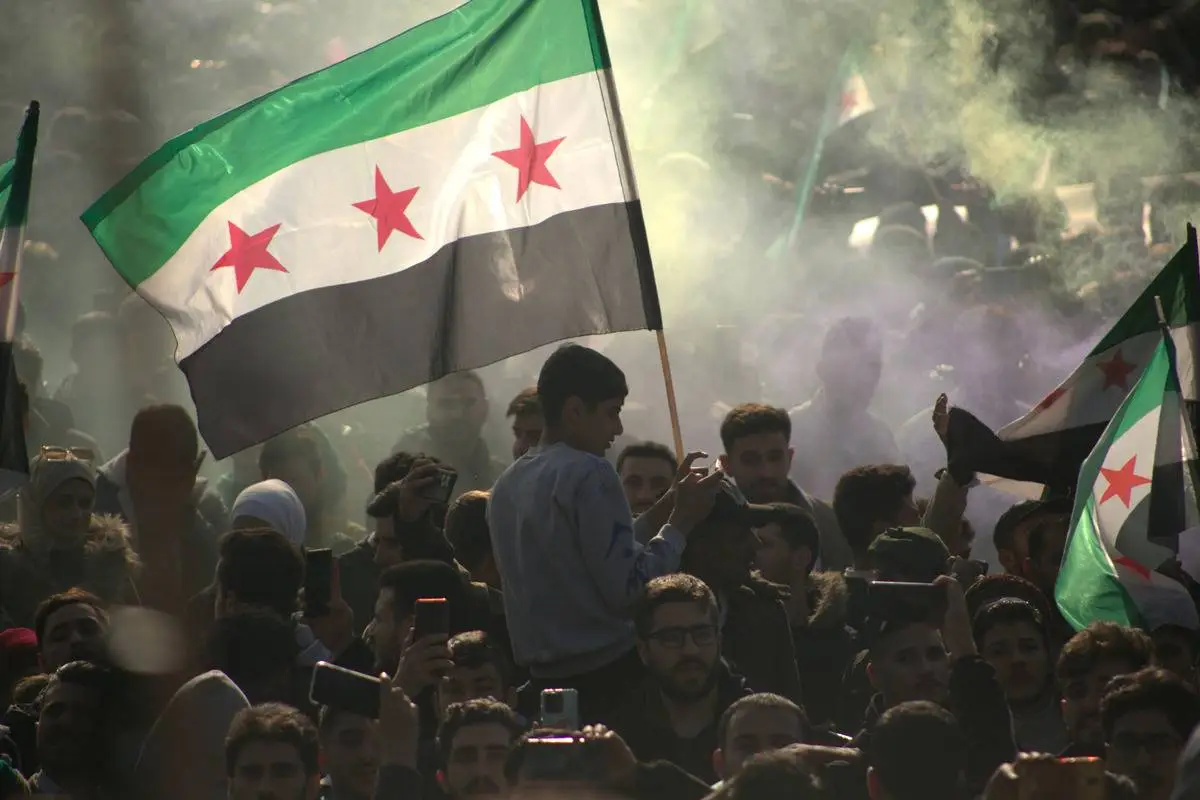
Syria has been through huge changes in recent years. Long‑time leader Bashar al‑Assad’s government fell in late 2024 after years of war and fighting. Since then, different groups and military forces have tried to take control of the country. This new reality made people wonder whether Syria’s future leaders will keep opposing Israel the way the old government once did.
For decades, the Syrian government stood against Israel. Syria fought Israel in wars in 1948, 1967 and 1973, and backed Palestinian armed groups as part of its resistance to Israel’s policies and territory control. But with Assad gone and a new leadership in place, the question now is whether Syria will still resist Israel or change course toward quieter or even cooperative relations.
1. The Old Line: Syria and Resistance to Israel
For most of its modern history, Syria saw itself as part of the so‑called “resistance” against Israel. This meant opposing Israel politically, militarily, and through support for groups that fought Israel. Syria and Israel have been in conflict for decades, especially over the Golan Heights, a region Israel took control of in 1967.
Under Assad, Damascus never made peace with Israel. The government let Palestinian factions operate inside Syria and worked with allies like Hezbollah from Lebanon. That stance was very public and had deep roots in Syrian nationalism, Arab politics, and decades of tension.
2. Big Changes After Assad’s Fall
When Assad’s rule ended in December 2024 and a new leadership began taking shape, old political alliances and ideologies started to shift. The new authorities don’t have the same strength or unified direction that Assad once had. There’s no single powerful army or political system yet — instead, a mix of militias, political forces, and local councils are trying to fill the vacuum.
Some of these forces still oppose Israel strongly, but others are more focused on trying to rebuild Syria’s shattered economy and keep the peace inside the country. The chaos of the civil war, foreign pressures, and a broken state have forced new leaders to think differently about priorities.
3. Practical Pressures on Syria’s New Leaders
There are real, practical pressures pushing Syria toward a different stance:
-
Security and Foreign Interventions: Israel has carried out air strikes inside Syria, often targeting groups it sees as threats along the border or near Israeli territory. Syria’s new leaders might not have the military strength to respond the way the old regime once did.
-
Talks with Israel: There have been secret or low‑profile talks between Syrian and Israeli officials. In 2025, reports said Syrian and Israeli foreign ministers met in Paris with American involvement to discuss security issues and avoid conflict along the border.
-
U.S. Incentives: After Assad’s fall, the United States pushed Syria to remove sanctions and encouraged its leaders to consider peaceful arrangements with Israel. That’s a big change from the old era of open hostility.
All of this pushes the new rulers toward thinking about stability and survival first, rather than immediate military resistance to Israel.
4. Is Full Peace Likely? Not Really — But Limited Cooperation Could Happen
It’s important to understand that most experts do not expect a full peace agreement between Syria and Israel right now. The two countries have a long record of conflict and deep mistrust. The issue of the Golan Heights — land Israel still occupies — remains a huge sticking point. Officials in Damascus have said they will not agree to a security deal or peace treaty unless Israel leaves those territories.
So complete peace — where Syria drops all resistance and signs a full treaty like Egypt or Jordan did in the past — is very unlikely in the near future.
Instead, what might happen is limited agreements or understandings. These could involve:
-
Border arrangements to prevent violence
-
Security cooperation to avoid clashes near the frontier
-
Talks about rebuilding or trading across borders
These kinds of deals would not mean Syria has abandoned resistance completely. They would just reflect a more pragmatic approach to avoid full‑scale war again.
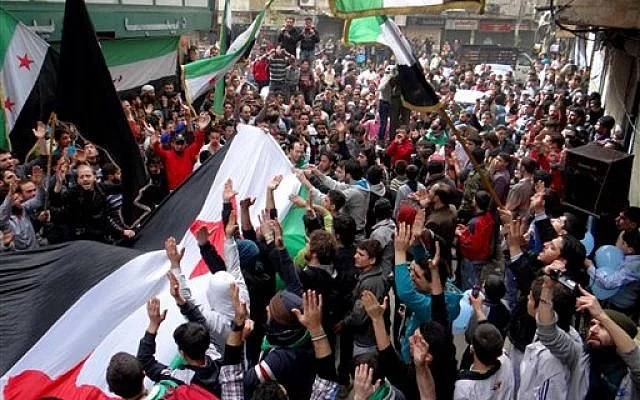
Will Syria’s New Leaders Change Policy Toward Israel?
5. Politics Inside Syria: Different Voices
Inside Syria, not everyone has the same view.
-
Some groups still strongly oppose any cooperation with Israel, seeing it as betrayal of Arab solidarity and Palestinian support.
-
Others are more focused on getting economic help and rebuilding — and they see making peace with Israel and Western allies as a way to get aid and investment.
This division means the new rulers are under pressure on both sides. They have to balance:
-
National pride and resistance sentiment
-
Practical needs for reconstruction, security, and foreign support
Because of this mix, Syria’s position might end up being a middle ground, not total resistance but not full peace either.
6. Role of Other Countries
Syria doesn’t act alone. Its choices are also shaped by bigger regional powers:
-
Russia and Iran were strong supporters of the old regime and pushed Syrian policy in a direction opposed to Israel.
-
After Assad’s fall, those influences are weaker, and new forces like Turkey or Gulf states may have more sway.
-
The United States also plays a role by encouraging Syria to avoid conflict and possibly cooperate regionally.
This shifting influence means Syria might be more open to negotiation because foreign backers are encouraging it — or pushing it — to take that route.
7. People’s Opinions: What Syrians Think
People on the ground also have mixed opinions.
Some Syrians — especially those who have suffered greatly from years of war — have little interest in another conflict with Israel. They want peace, jobs, stability, and a chance at normal life again.
Others, often older generations or nationalist groups, still want to oppose Israel’s policies, especially on the Palestinian issue.
This mix of feelings in Syrian society makes it harder for new leaders to adopt a clear policy of abandoning resistance completely.
8. So, Will Syria Abandon Resistance to Israel?
The short answer is: Not completely, at least not yet or in the near future.
Here’s why:
-
Full peace and normal relations are unlikely because of deep historical conflict and unresolved issues like territory.
-
New leaders are more likely to make limited arrangements focused on security and stability rather than fighting.
-
Some Syrian groups still oppose Israel, so abandoning resistance entirely would be politically risky inside Syria.
-
Practical needs, foreign pressures, and the desire to rebuild the country push the new rulers toward a quieter, less hostile relationship without fully giving up resistance.
So Syria’s new rulers might stop active military resistance and hostile rhetoric in some ways, while still opposing Israel in principle. It’s more like shifting how resistance looks rather than dropping it altogether.
Conclusion — A New Kind of Resistance?
Syria’s future relationship with Israel is uncertain and complicated.
The old style of direct and open opposition is unlikely to return in the same way. But full abandonment of resistance is also unlikely right now because of history, politics, and public feelings.
Instead, what we’re likely to see is a mix:
-
Syria focusing more on rebuilding at home
-
Trying to avoid big new wars with Israel
-
Possibly cooperating on limited matters like security
-
Still opposing Israel on political and symbolic levels, especially about core issues like territory
This kind of change doesn’t mean Syria has given up completely. It just means pragmatism and survival are replacing old military resistance in the short term.
Read Also: Keep your face towards the sunshine and shadows will fall behind you
Watch Also: https://www.youtube.com/@TravelsofTheWorld24





Leave a Reply