
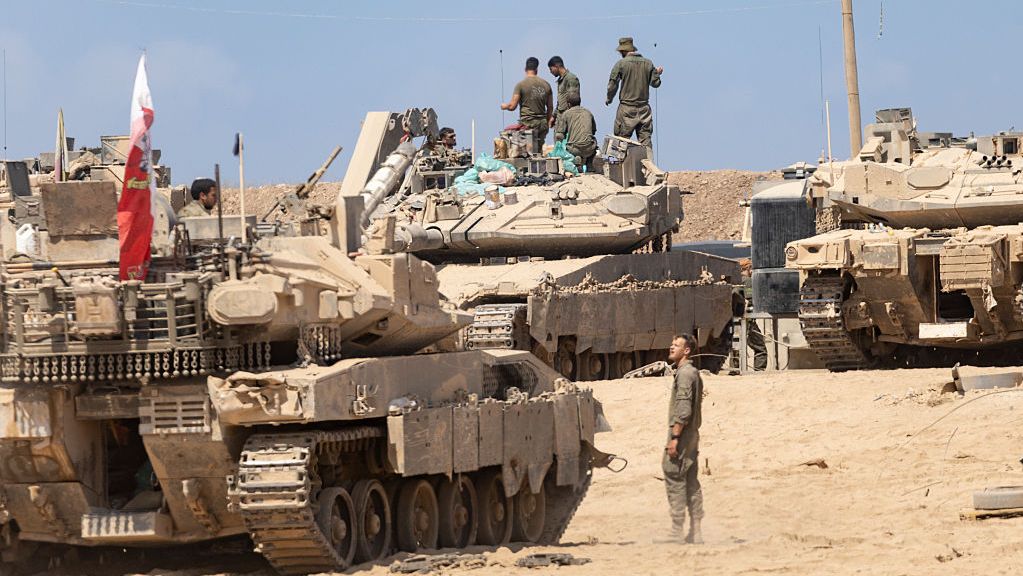
In late 2025, fighting in the Gaza Strip reached a new and very serious stage. After years of conflict, the Israeli military moved tanks and soldiers into parts of Gaza City, including areas where many people live. This marked a major step in the ongoing war and had huge effects on people’s lives.
This explanation tells the story of what happened, why it matters, and what it has meant for civilians and the wider region. I’ll break it down clearly so you can grasp what’s going on.
1. The Setting: Gaza City and the War
Gaza City is the largest city in the Gaza Strip, a small area on the Mediterranean coast where about two million Palestinians live. It’s very crowded — especially in neighbourhoods like Sheikh Radwan, al‑Sheja’iyya, Sabra, Tuffah, and Rimal. Before the recent offensive, many people had already been displaced inside the city because of earlier fighting and bombardment.
The war began in October 2023 when militants from Hamas carried out a deadly attack in Israel. In response, Israel launched a massive military campaign in Gaza aimed at defeating Hamas. Over time, the conflict continued with air strikes, artillery fire, and later ground operations. Tens of thousands of people have been killed, with many of them civilians, and the infrastructure of the city has been heavily damaged.
By mid‑2025, Israel decided to expand its ground offensive further into the city itself.
2. Tanks Enter Residential Neighbourhoods
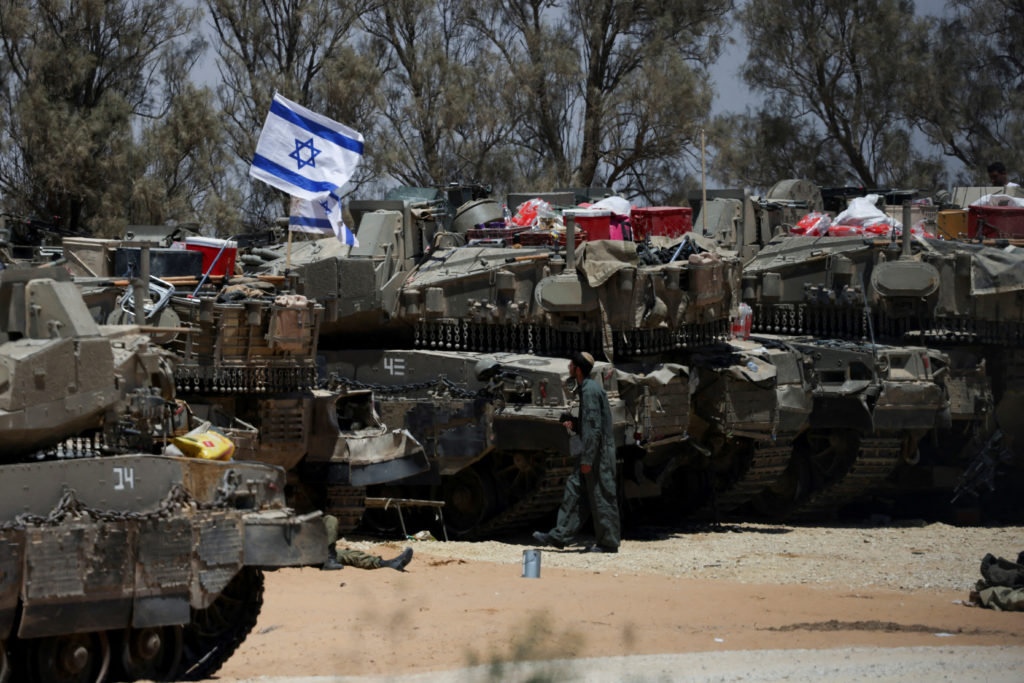
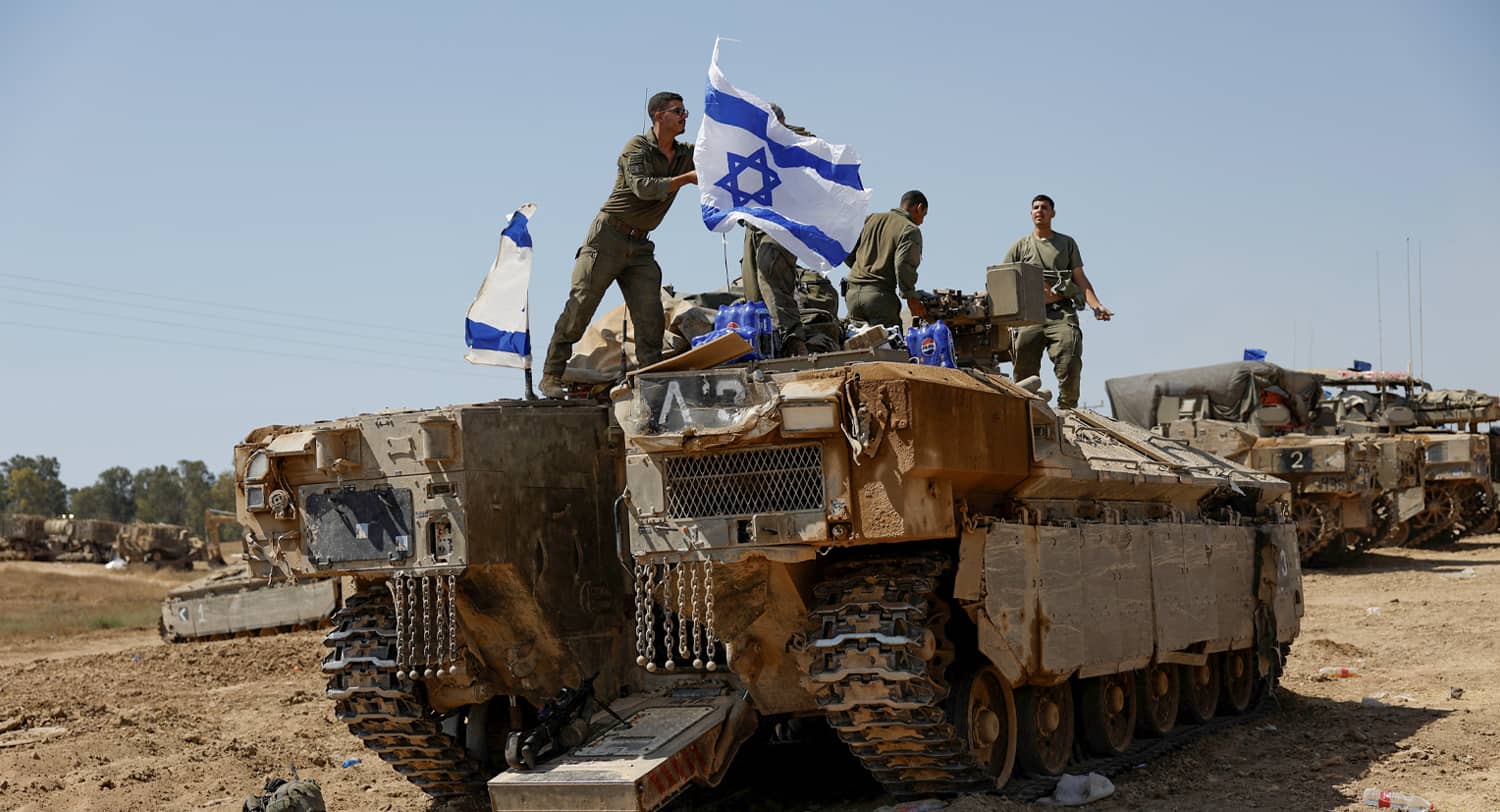
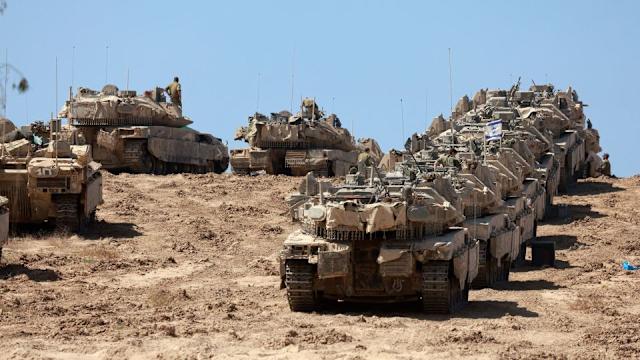
In September 2025, out on the edges of Gaza City, Israeli tanks and other armoured vehicles began moving into places that used to be crowded residential districts — the areas where families lived, kids went to school, and people worked. One of these areas was Sheikh Radwan in the northern part of the city, a neighbourhood that once had tens of thousands of residents.
Eyewitness reports and video footage showed tanks and armoured vehicles advancing down streets and near homes, with some buildings damaged or collapsing as a result of shelling and military operations. Thick smoke was seen rising as bombardments continued alongside the ground movements.
This was one of the first times in the conflict that tanks had moved so deep into dense civilian areas. Before this, most heavy fighting was around the outskirts of Gaza City or in other parts of the Gaza Strip.
3. Why Israel Moved In
The Israeli government said its main goal for this offensive was to find and free hostages held by Hamas, and to destroy the group’s remaining fighters and infrastructure. Hamas has used parts of the city as shelter and bases, and Israel argued that only deep ground operations could eliminate these strongholds.
Officials in Israel described these moves as necessary to protect Israeli citizens and prevent future attacks. They claimed that the remaining Hamas fighters were hiding among civilian buildings, so the only way to deal with them was to enter these neighbourhoods with tanks and troops.
4. The Human Impact: Civilians Under Fire
When tanks move into places where people live, the consequences are immediate and serious.
Fleeing Families
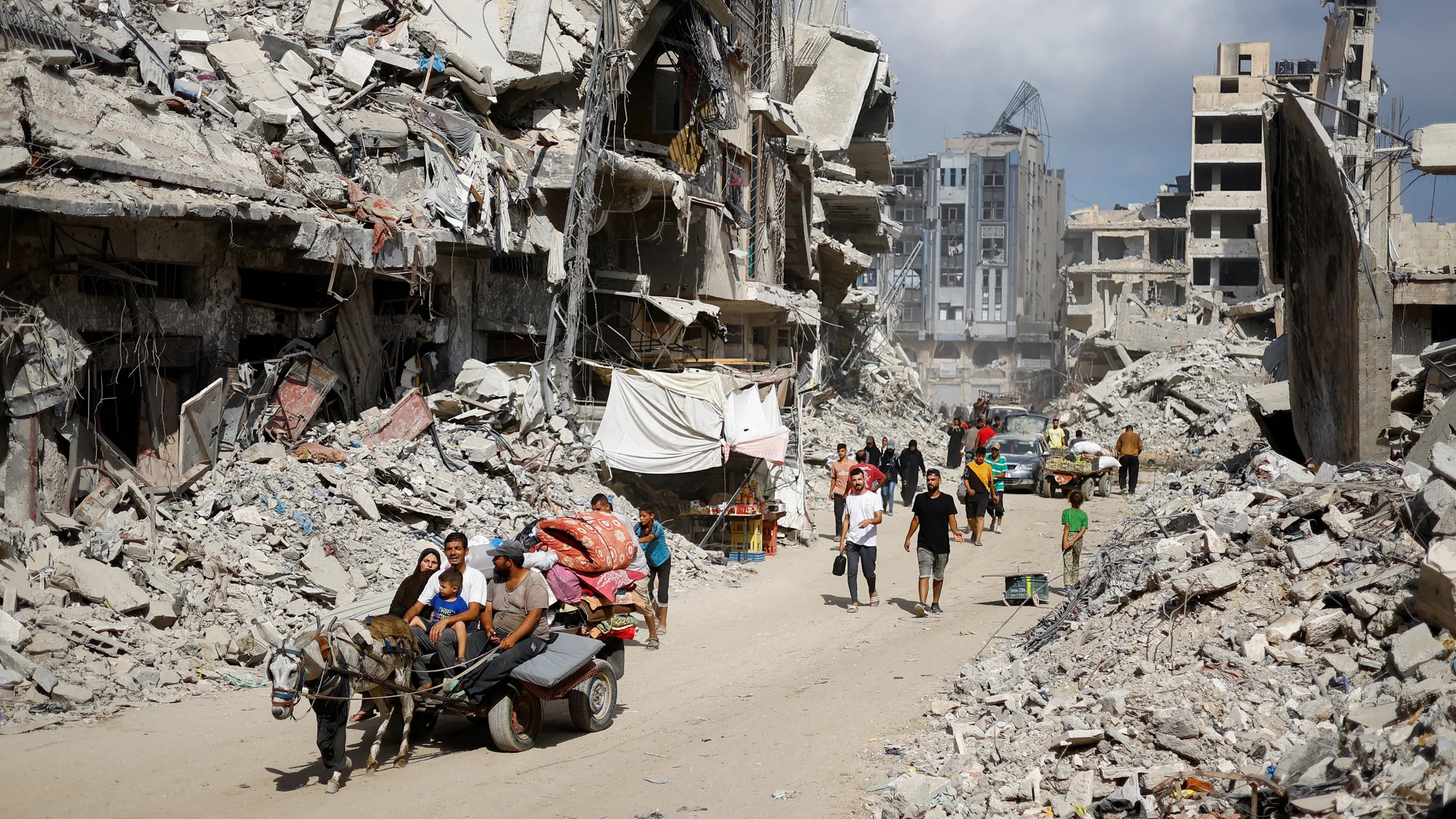
Many Palestinians were ordered by the Israeli army to leave their homes and head south to what were said to be “safer” areas. But leaving was not easy. Roads were blocked, and many families had nowhere else to go. Some people fled a few streets away, while others tried to stay put because they were too scared to keep moving.
A lot of people described scenes of chaos and heartbreak. Families packed their few belongings and walked for miles. Some hoped to find refuge with relatives, but were met with overcrowding and little food or water. Others said they chose to stay, feeling there was no better place to go or too much risk to move.
Damage to Homes and Buildings
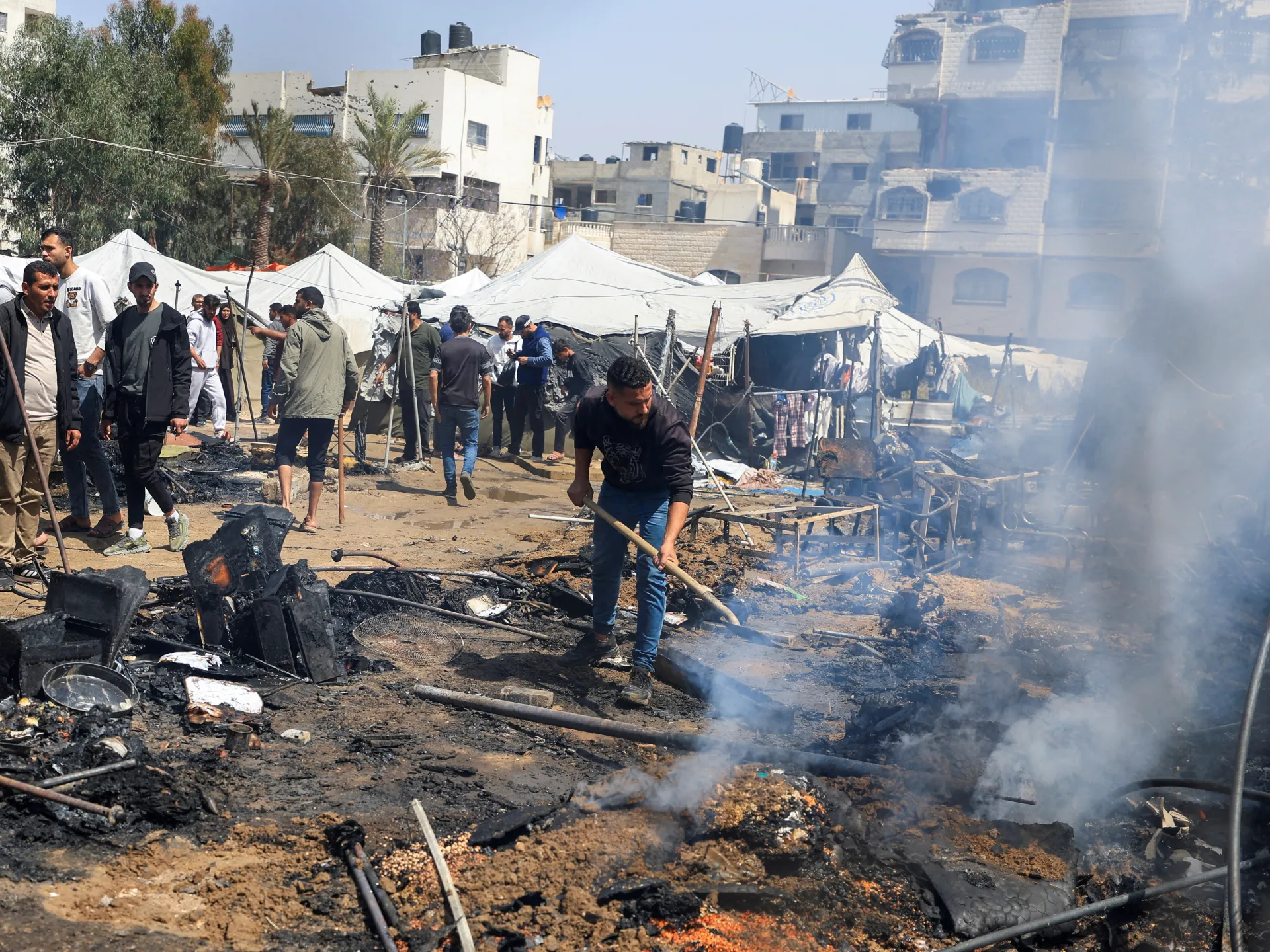
Residential buildings — many of which had stood for generations — were damaged or destroyed. In densely populated areas like Sheikh Radwan and Rimal, shelling and tank fire levelled houses and apartment blocks. Thick smoke and dust filled the air, and entire streets were left in ruins.
With the advance of tanks, hospitals, schools, and other public buildings also reported serious damage, either directly from combat or from nearby explosions and bombardments.
Death and Injury
The exact number of deaths and injuries is hard to confirm, but Palestinian health authorities reported thousands of civilian casualties, with many killed in air strikes and ground fighting. Children, women, and elderly people featured among the victims.
In one report, even locations where families were sheltering were hit, leading to significant civilian deaths and injuries.
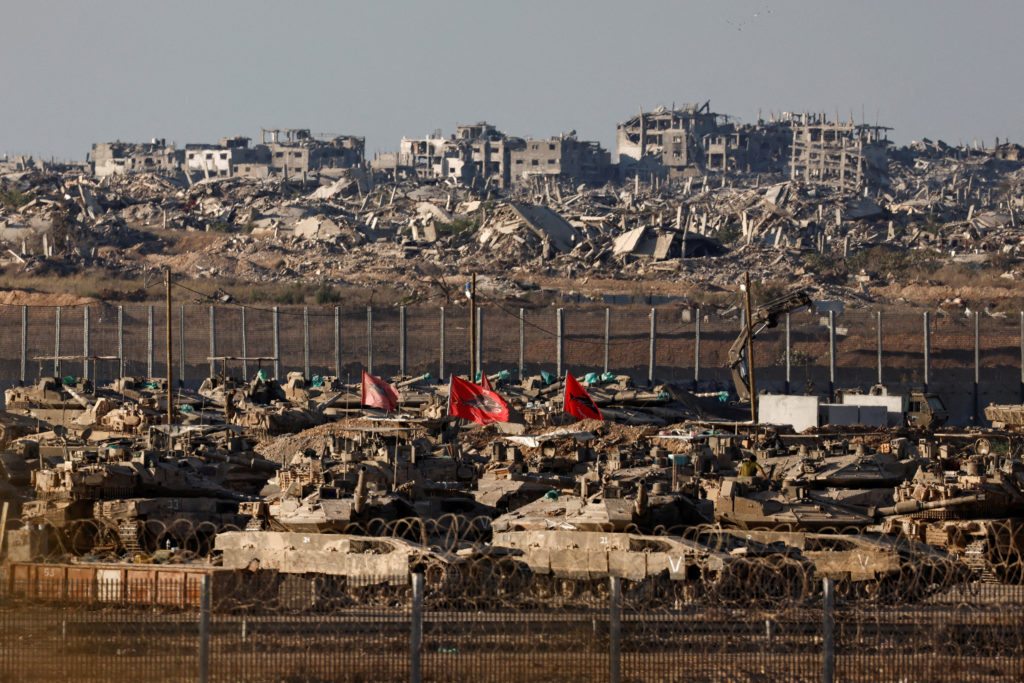
Major Gaza City Offensive Brings Tanks to Residential Areas
5. Global Reaction and Concern
News of tanks entering Gaza City’s residential areas attracted worldwide attention and concern.
Many countries and international groups expressed alarm over the rising civilian toll. Leaders at the United Nations General Assembly and other global forums stressed the need for peace talks, a ceasefire, and humanitarian access for civilians caught in the fighting.
Human rights organisations warned that pushing tanks into crowded urban neighbourhoods risks heavy civilian casualties and suffering, especially when people have already lost so much. They called for both sides to protect civilians and for urgent efforts to help the displaced and wounded.
Some governments and organisations criticised the offensive, calling it disproportionate and demanding that fighting be reduced or stopped. Others defended Israel’s right to act against what they called terrorism, but still urged caution and better protection for civilians.
6. The Reality on the Ground: Shelters and Survival
Even when people fled their homes, life did not become safe.
Many families found refuge in overcrowded areas, tents, and temporary shelters where food, water, and medicine were scarce. Aid organisations struggled to deliver supplies because of the fighting, and hundreds of thousands of people were left without basic services.
Children in Gaza City experienced repeated trauma. Schools were closed or destroyed, and play areas were replaced by rubble and shattered walls. Access to clean water became harder as pipes were broken and pumps were damaged.
Hospitals, already overwhelmed with injured people, often ran out of medical supplies, and electricity outages made care even harder. Many facilities were damaged during the bombardments or could not function properly because of fuel shortages.
7. How Long the Offensive Could Continue
Military officials said the ground offensive might take weeks or months because urban warfare — fighting in cities — is slow and difficult. Tanks and troops have to move street by street, and they often face hidden fighters, booby traps, or sniper fire.
Analysis from observers suggested that even as tanks entered residential streets, much of the fighting continued to rely on combined forces — including infantry, artillery, and air support — to clear areas before fully securing them.
It’s also important to note that urban warfare like this usually causes destruction far beyond military targets. Roads, homes, schools, and businesses all get caught up in the fighting.
8. What Happens Next?
The situation around Gaza City remains unstable. Even after tanks move into an area, conflict can continue as both sides try to control territory. Some civilians may try to return to their homes, while others continue moving south or to other parts of the Gaza Strip.
International mediators and governments continue to call for negotiations, urgent humanitarian aid, and an end to hostilities. But achieving a deal has been difficult, especially when both sides remain deeply distrustful of each other.
Conclusion
When Israeli tanks pushed into major residential areas of Gaza City, it marked a turning point in the long conflict. The move brought fighting directly into neighbourhoods filled with civilians, forcing families to flee, destroying homes, and creating immense suffering.
The offensive aimed at defeating Hamas fighters and rescuing hostages turned into a larger battle that impacted ordinary people the hardest.
The human cost has been heavy — many civilians killed, injured, or displaced, families forced from their homes, and life made even more difficult amid war. The roads ahead remain uncertain, with the world watching closely and hoping for a peaceful way out of the conflict.
Read Also: Keep your face towards the sunshine and shadows will fall behind you
Watch Also: https://www.youtube.com/@TravelsofTheWorld24





Leave a Reply