
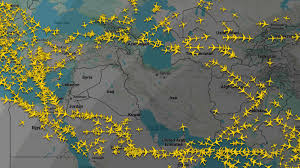
The global aviation system has faced its biggest shock since the Covid era after a sudden military escalation in the Middle East triggered mass flight cancellations, airport closures, and chaos for travelers worldwide. For a second straight day on Sunday, thousands of flights were disrupted after Iran launched retaliatory attacks following U.S. and Israeli strikes. Major Gulf aviation hubs — especially Dubai and Doha — were forced to shut down or severely restrict operations, sending shockwaves across international travel networks.
A sudden crisis that froze key global hubs
Air travel depends heavily on a few major transit points that connect continents. Airports in the Gulf — particularly Dubai, Abu Dhabi, and Doha — are among the busiest international hubs on Earth. When they stop, flights between Europe, Asia, Africa, and Australia get disrupted almost instantly.
After the strikes, governments across the region closed large portions of airspace for safety. Aircraft cannot fly through active conflict zones because of risks from missiles, drones, or military activity. As a result, airlines grounded planes, diverted flights mid-air, or canceled journeys entirely.
Reports indicate that thousands of flights were canceled within just two days, leaving hundreds of thousands of passengers stranded around the world.
Even airports far outside the conflict zone felt the impact because so many long-haul routes normally pass through the Middle East.
Dubai and Doha: the world’s busiest connectors went silent
Dubai International Airport is widely known as the world’s busiest airport for international passengers. Doha’s Hamad International Airport plays a similar role as a global transit hub.
Both became effectively non-operational during the crisis.
Airlines suspended departures and arrivals, and many planes already en route were forced to turn back or land elsewhere. Authorities prioritized safety, especially after missile and drone attacks targeted infrastructure across the region.
Airspace over several countries — including Iran, Iraq, Qatar, Israel, Kuwait, and the United Arab Emirates — was either closed or nearly empty of civilian aircraft.
Without these corridors, airlines had no safe paths for many routes.
Thousands of passengers stranded worldwide
The shutdown didn’t just affect people traveling to the Middle East. It disrupted journeys everywhere.
Passengers heading from Europe to Asia, Australia to Europe, or Africa to North America often transit through Gulf airports. When those hubs closed, travelers got stuck mid-journey in cities like Frankfurt, Bali, Kathmandu, and others.
Airlines struggled to rebook passengers because planes and crews were scattered across different continents. Hotels filled quickly, airport terminals became overcrowded, and customer service systems were overwhelmed.
In some cases, travelers waited many hours — even days — for updates on when flights might resume.
A ripple effect across the global network
Modern aviation works like a chain. When one major link breaks, the entire system feels it.
Because aircraft operate on tight schedules, a single canceled flight can disrupt multiple later flights. Crews may exceed allowed working hours, aircraft may be out of position, and airports may become congested.
The closure of Middle Eastern airspace also forced airlines to take longer routes around the conflict zone. These detours increase fuel use, travel time, and operational costs.
Some airlines canceled flights entirely rather than attempt risky or inefficient rerouting.
Airlines suspend operations for safety
Major carriers across the world halted services to the affected region.
Regional giants such as Emirates, Qatar Airways, Etihad, and Flydubai paused operations, while international airlines like Lufthansa, British Airways, and Air France canceled or rerouted flights.
Safety rules are strict: civilian aircraft must avoid areas with military activity or potential anti-aircraft threats. Even a small risk is enough to shut down routes.
Authorities repeatedly stressed that these measures were precautionary — not a sign of permanent closure — but there was no clear timeline for normal operations to resume.
Damage and fear amplified the disruption
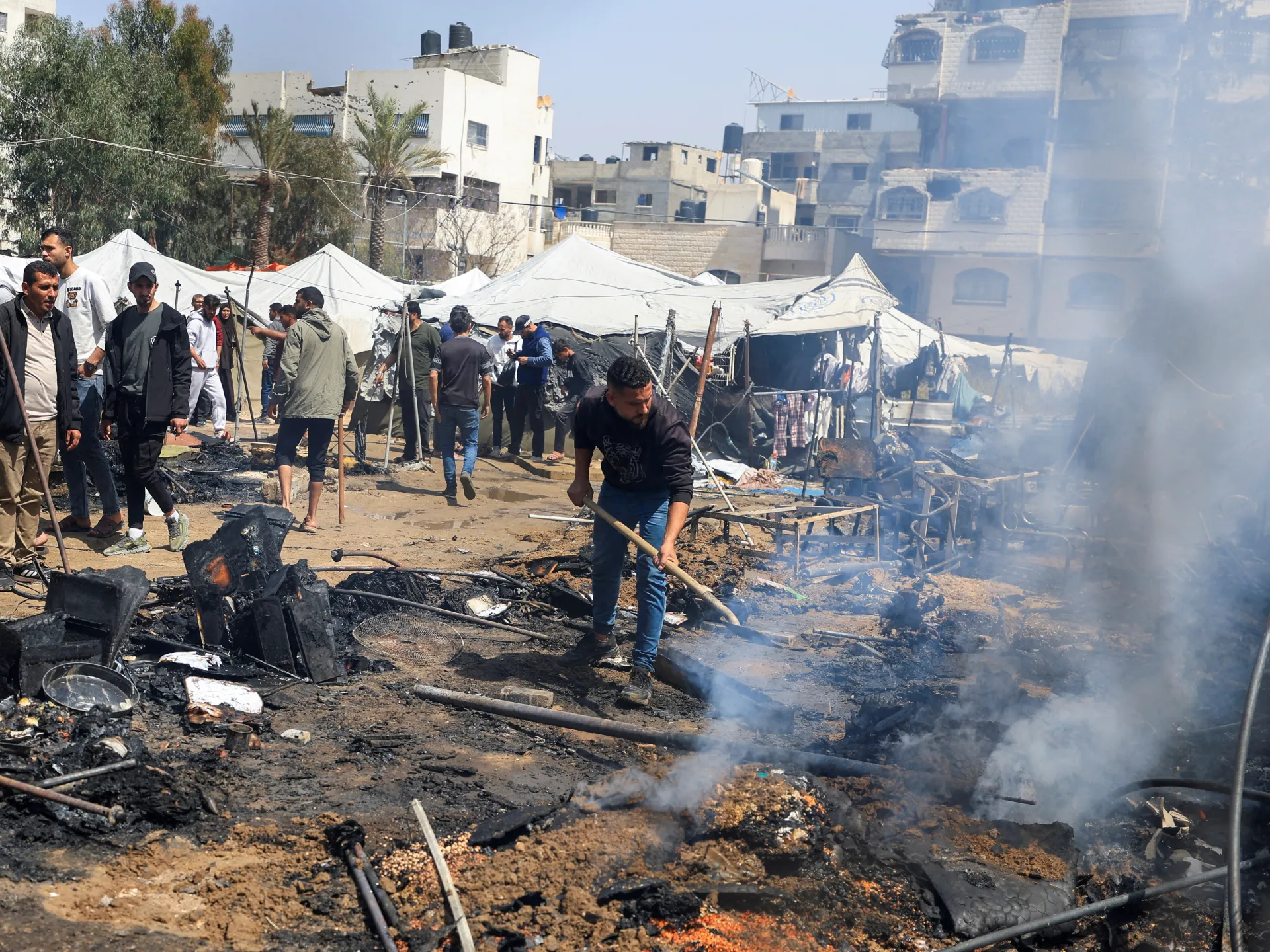
The situation worsened after strikes reportedly hit or damaged infrastructure near airports. Even limited damage can halt operations because runways, navigation systems, or terminals must be inspected before reopening.
There were also casualties reported in some locations, increasing public fear and uncertainty.
Residents in affected cities began stocking up on essentials, and businesses implemented emergency measures such as remote work.
The psychological impact added to travel chaos, as people rushed to leave or canceled plans altogether.
Oil prices and costs also surged
Conflict in the Gulf region often affects energy markets because many oil shipping routes pass nearby.
Oil prices jumped sharply during the crisis, which further increases airline costs. Aviation fuel is one of the biggest expenses for airlines, so sudden price spikes can force schedule changes, higher ticket prices, or additional cancellations.
Thus, the disruption wasn’t just operational — it also had economic consequences.
Why this crisis is compared to the Covid disruption
During the Covid pandemic, air travel collapsed mainly because of health restrictions and border closures.
This crisis is different: planes and airports still exist, but they cannot operate safely due to military risks.
What makes the comparison valid is the scale. Like Covid, this event affected global networks simultaneously, stranded massive numbers of travelers, and created uncertainty about how long disruptions would last.
However, unlike a pandemic, military crises can change very quickly — either calming down or escalating further.
Secondary impacts across the region
The aviation shutdown also affected daily life in Gulf countries.
Some schools and offices moved online temporarily. Businesses reduced operations. Governments issued advisories urging residents to stay informed and avoid unnecessary travel.
Airports released warnings telling passengers to check flight status before leaving home, as schedules changed hour by hour.
Even countries not directly involved in the conflict experienced disruptions because their airlines rely on Middle Eastern air routes.
Recovery will take time
Even after airspace reopens, normal operations don’t resume immediately.
Airlines must reposition aircraft, reunite crews, clear passenger backlogs, and rebuild schedules. Airports must handle surges of delayed travelers while maintaining safety checks.
Experts say it can take several days — sometimes weeks — for global flight networks to stabilize after a major shutdown.
Travelers may continue to face delays, cancellations, and higher prices even after flights resume.
What travelers should do during such disruptions
Authorities generally advise passengers to:
-
Check flight status directly with airlines before heading to the airport
-
Avoid travel to affected areas unless necessary
-
Monitor official government advisories
-
Be prepared for sudden changes or rerouting
-
Keep essential items and documents accessible
Airlines often offer rebooking, refunds, or travel waivers during major crises.
A reminder of how fragile global travel can be
The event highlights how dependent modern travel is on political stability and safe airspace. A single regional conflict can disrupt journeys across continents within hours.
Gulf hubs serve as bridges between East and West. When those bridges close, the entire global system feels the shock.
For now, the situation remains fluid. Flight operations are expected to resume gradually once authorities confirm that airspace is safe and military activity has eased.
Read Also: Keep your face towards the sunshine and shadows will fall behind you
Watch Also: https://www.youtube.com/@TravelsofTheWorld24






Leave a Reply