
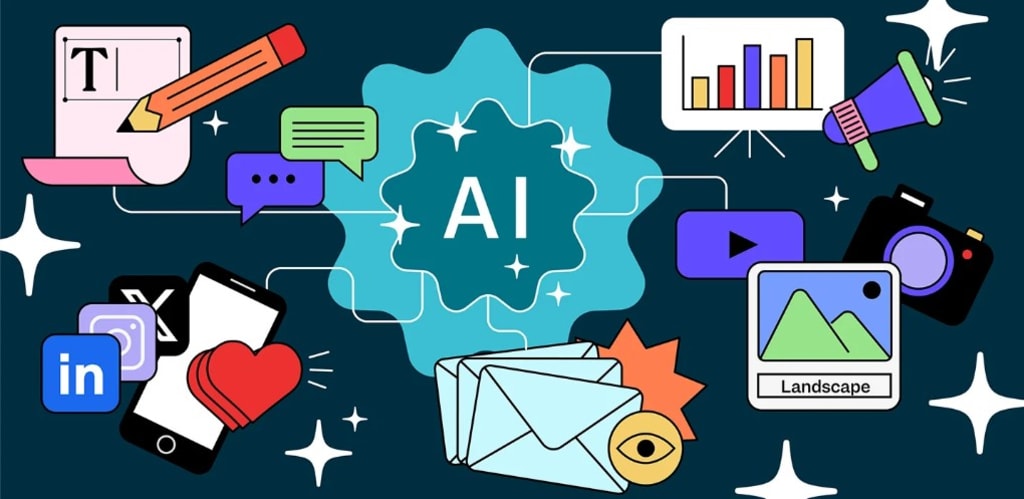
Marketing today moves very fast. What worked last year may not work today, and what works today may stop working next month. Customers change quickly, trends come and go, and competition keeps growing. Because of this, businesses need to make smart decisions quickly. This is where AI tools have become extremely helpful.
Artificial Intelligence (AI) is no longer something from science fiction. It is now part of everyday business. From small startups to large companies, marketers are using AI tools to understand customers better, create content faster, improve ads, and increase sales. AI does not replace human creativity — it supports it. It helps people work smarter, not harder.
This article explains in simple words how AI tools help marketers make better and faster decisions, why they matter, and how businesses can use them effectively.
What AI Means in Marketing
In marketing, AI refers to software that can analyze data, learn patterns, and make suggestions or decisions with little human effort. Instead of guessing what customers want, marketers can use AI to see real insights based on actual behavior.
AI tools can:
-
Analyze huge amounts of data in seconds
-
Predict customer behavior
-
Personalize messages for each user
-
Automate repetitive tasks
-
Optimize campaigns in real time
-
Provide useful recommendations
Without AI, doing all this manually would take weeks or months.
Why Speed Matters in Modern Marketing
Today’s customers expect quick responses, relevant offers, and smooth experiences. If a brand is slow, people move to competitors.
For example:
-
Social media trends change daily
-
Online ads need constant adjustment
-
Customer feedback spreads instantly
-
Buying decisions happen quickly
AI allows businesses to react immediately instead of waiting for reports or manual analysis.
Better Customer Understanding Through Data
Every online action leaves data — clicks, searches, purchases, time spent on pages, and more. But raw data alone is useless unless it is understood.
AI tools can analyze customer data and answer questions like:
-
Who are the most valuable customers?
-
What products do people prefer?
-
When are customers most active?
-
Why do people leave without buying?
-
What content keeps users engaged?
This deeper understanding helps marketers target the right audience instead of wasting money on broad campaigns.
Predicting Customer Behavior
One of the most powerful benefits of AI is prediction. AI can estimate what customers are likely to do next.
Examples include:
-
Which customers are likely to buy soon
-
Who might stop using a service
-
What products a user may want
-
Which leads are most valuable
-
When a customer is ready for an offer
Instead of reacting after something happens, businesses can act before it happens.
For example, if AI predicts that a customer might leave, the company can send a special discount or helpful message to keep them.
Personalization at Scale
People respond better to messages that feel personal. But manually customizing content for thousands or millions of users is impossible.
AI makes large-scale personalization easy.
It can adjust:
-
Email content
-
Product recommendations
-
Website layout
-
Ads
-
Notifications
-
Offers
Each person sees content that matches their interests and behavior.
This improves engagement because customers feel understood rather than targeted randomly.
Smarter Advertising Decisions
Online advertising can be expensive. Without data, businesses may spend money on the wrong audience or ineffective ads.
AI tools help by:
-
Identifying high-value audiences
-
Testing different ad versions automatically
-
Adjusting bids in real time
-
Finding the best platforms
-
Optimizing timing and placement
AI can quickly detect which ads perform well and shift budget toward them, reducing waste and increasing return on investment.
Faster Content Creation
Creating marketing content takes time — writing posts, emails, captions, product descriptions, and more. AI tools can generate drafts in seconds.
They can help with:
-
Blog outlines
-
Social media posts
-
Ad copy
-
Email campaigns
-
Product descriptions
-
Video scripts
-
Headlines
Marketers still review and improve the content, but AI removes the slow starting point.
This allows teams to produce more content without increasing workload.
Real-Time Decision Making
Traditional marketing often relied on monthly or quarterly reports. By the time results were analyzed, opportunities were already gone.
AI provides real-time insights.
Marketers can see:
-
Live campaign performance
-
Customer reactions
-
Traffic changes
-
Sales trends
-
Engagement levels
If something is not working, adjustments can be made immediately.
This flexibility is especially important during product launches, seasonal sales, or viral trends.
Marketing Automation
Many marketing tasks are repetitive and time-consuming. AI automation frees teams from routine work so they can focus on strategy and creativity.
Common automated tasks include:
-
Email scheduling
-
Customer segmentation
-
Social media posting
-
Lead scoring
-
Chat responses
-
Reporting
-
Data entry
Automation ensures consistency while saving time and effort.
Improved Customer Support
Customer support plays a big role in marketing because satisfied customers become loyal customers.
AI chatbots and virtual assistants can:
-
Answer common questions instantly
-
Provide product information
-
Help users find solutions
-
Guide customers through purchases
-
Operate 24/7
This improves customer experience while reducing workload on human staff.
When needed, complex issues can still be handled by real people.
Better Decision Making with Insights
AI does not just provide data — it explains what the data means.
Modern tools can highlight:
-
Key trends
-
Opportunities
-
Risks
-
Performance gaps
-
Growth areas
Instead of guessing, leaders can make decisions based on facts.
For example, AI might show that a certain age group responds best to video ads, while another prefers email marketing. This helps allocate resources wisely.
Competitive Advantage
Businesses that use AI effectively gain a strong advantage over competitors who rely on outdated methods.
AI allows companies to:
-
Move faster
-
Spend smarter
-
Reach customers more effectively
-
Adapt quickly
-
Deliver better experiences
In crowded markets, even small improvements can make a big difference.
Cost Efficiency
Although AI tools may require investment, they often reduce costs in the long run.
Savings come from:
-
Less manual labor
-
Reduced advertising waste
-
Improved targeting
-
Higher conversion rates
-
Fewer errors
-
Faster workflows
Small businesses especially benefit because AI gives them capabilities once available only to large corporations.
Challenges of Using AI in Marketing
Despite its advantages, AI is not perfect. Businesses must use it carefully.
Common challenges include:
Data Quality Issues
AI depends on accurate data. Poor data leads to poor results.
Lack of Human Touch
Over-automation can make communication feel robotic.
Privacy Concerns
Customers are sensitive about how their data is used.
Skill Requirements
Teams need training to use AI tools effectively.
Overreliance
AI should support decisions, not replace human judgment.
Successful marketing combines AI insights with human creativity and empathy.
How Small Businesses Can Start Using AI
Businesses do not need advanced technology teams to begin. Starting small is often best.
Simple entry points include:
-
AI writing assistants for content
-
Email marketing tools with automation
-
Customer analytics platforms
-
Social media scheduling tools
-
Chatbots for websites
-
Ad optimization software
As confidence grows, companies can adopt more advanced solutions.
The Future of AI in Marketing
AI will continue to become more powerful and accessible. Future developments may include:
-
Even deeper personalization
-
Predictive customer journeys
-
Voice-based marketing
-
Smarter recommendation systems
-
Automated creative testing
-
Emotion analysis
-
Fully adaptive campaigns
Marketing will become less about guessing and more about understanding.
Human marketers will still play a critical role in strategy, storytelling, brand voice, and ethical decisions.
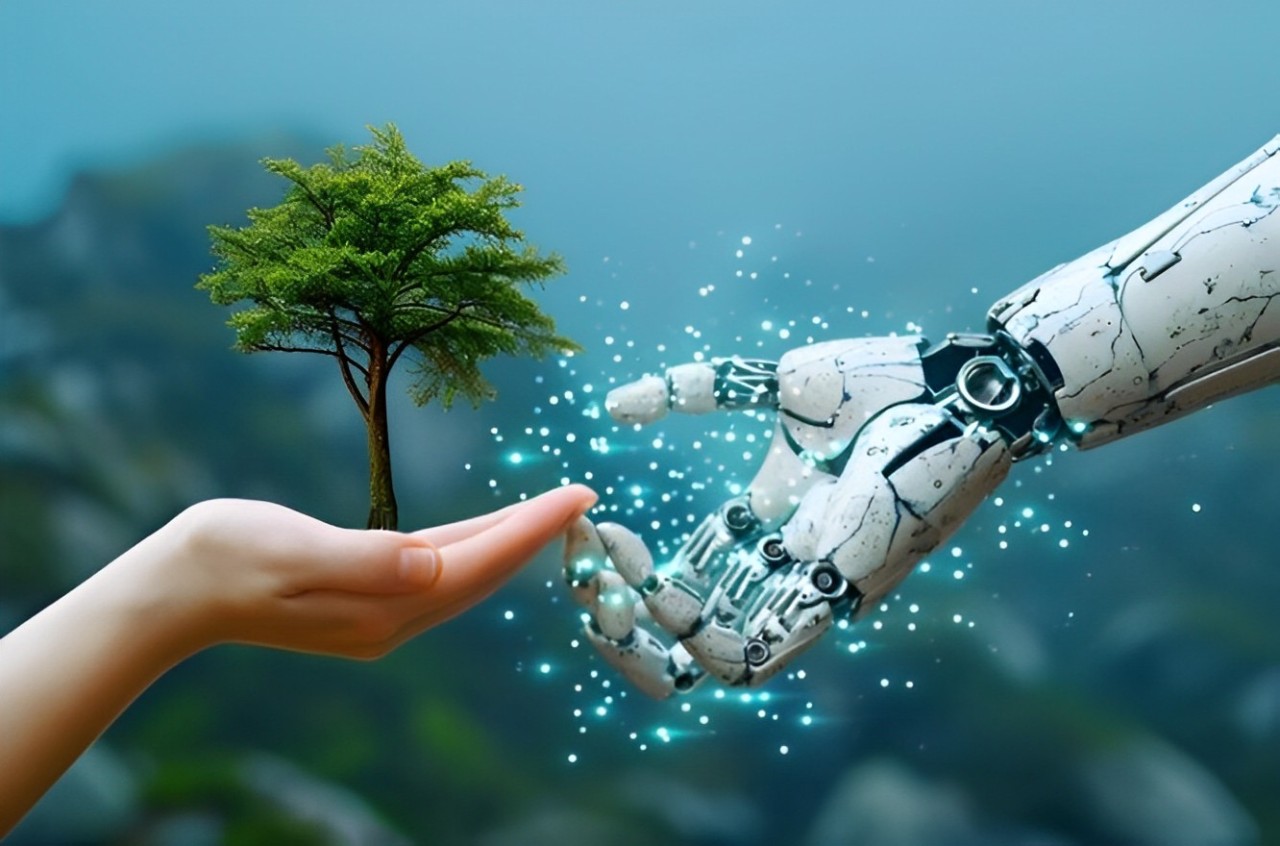
Human Creativity + AI Intelligence = Best Results
The most successful approach is not AI alone or humans alone — it is both working together.
AI handles:
-
Data analysis
-
Speed
-
Automation
-
Pattern recognition
Humans handle:
-
Creativity
-
Emotional understanding
-
Strategic thinking
-
Brand identity
-
Ethical judgment
This combination leads to powerful marketing outcomes.
Real Impact on Customer Experience
Ultimately, marketing success depends on customer experience. AI helps deliver experiences that are:
-
Relevant
-
Timely
-
Helpful
-
Convenient
-
Personalized
-
Consistent
Customers feel understood instead of overwhelmed by irrelevant messages.
Happy customers are more likely to:
-
Trust the brand
-
Make repeat purchases
-
Recommend the business
-
Stay loyal long term
Conclusion
AI tools are transforming marketing by making decisions smarter, faster, and more accurate. They help businesses understand customers deeply, predict behavior, personalize communication, optimize spending, and automate routine tasks.
In a world where speed and relevance matter more than ever, AI provides the tools needed to stay competitive. However, the best results come when AI supports human creativity rather than replacing it.
Companies that embrace AI thoughtfully will be better prepared for the future. They will respond faster to changes, build stronger customer relationships, and achieve sustainable growth.
Marketing is no longer just about intuition — it is about intelligent action powered by data and technology. And AI is the engine making that possible.
Read Also: Keep your face towards the sunshine and shadows will fall behind you
Watch Also: https://www.youtube.com/@TravelsofTheWorld24











Leave a Reply